
The five-ingredient promise
A hash brown casserole is about getting a hot breakfast on the table when you're too tired to even chop an onion. I use a five-ingredient rule to keep things simple. It's a reliable way to eat well when your morning schedule is packed.
Hash brown casseroles have a lineage. They’re often linked to "Grandma’s recipe" – those comforting dishes passed down through generations. The version popularized by Cracker Barrel restaurants certainly cemented its place in American breakfast culture. But the original recipes often involved more ingredients, and frankly, more work. Our focus is on streamlining that process, not replicating a historical document.
I've spent years experimenting with variations, and I’ve found that you can achieve remarkable results with just five core components. It’s not about sacrificing flavor, it’s about prioritizing efficiency. This isn’t a recipe for a magazine cover; it’s a recipe for survival. It’s designed for those who value a hot breakfast but don't have the luxury of time. 'Busy' is subjective, of course, but this really addresses the needs of people who feel constantly pressed for it.

What you'll need
Let's be clear: while substitutions are possible, sticking to these five ingredients will deliver the best results. First, frozen shredded hash browns. The brand matters here. Ore-Ida Extra Crispy Shredded Hash Browns consistently perform well; they have a good texture and aren’t overly watery. Avoid the generic store brands if you can, as they tend to release too much moisture during baking.
Next is cream of chicken soup. Canned, 10.75oz size. I know, I know, from-scratch sauces are superior, but we're aiming for speed. Campbell's is the standard, and it's reliable. Don’t even think about cream of mushroom – the flavor profile is too different. It will fundamentally alter the casserole. Butter is essential, and I recommend salted. It simplifies seasoning; unsalted requires an extra step.
Sour cream provides richness and tang. Full fat is the way to go. Low-fat sour cream will result in a thinner, less flavorful casserole. Trust me on this one. Finally, cheddar cheese. Pre-shredded is convenient, but a block of cheddar, shredded yourself, melts more smoothly. If you’re short on time, pre-shredded is fine, but it won’t have quite the same texture.
These five items work because they balance each other out. The soup and sour cream make the sauce, while the butter keeps the potatoes from drying out. If you swap one, the texture usually suffers.
How to put it together
This recipe is remarkably forgiving, but let’s start with a solid foundation. Preheat your oven to 350°F (175°C). Grease a 9x13 inch baking dish – thoroughly. This is not a step to skip. In a large bowl, combine the frozen hash browns, cream of chicken soup, melted butter, and sour cream. Mix gently until everything is evenly combined. Don’t overmix; a few lumps are okay.
Pour the mixture into the prepared baking dish and spread it evenly. Sprinkle the shredded cheddar cheese over the top. Bake for 45-50 minutes, or until the casserole is bubbly and the cheese is golden brown. A knife inserted into the center should come out clean. Keep a close eye on it during the last 15 minutes to prevent burning.
Common mistakes include overmixing, which can lead to a gummy texture, and not greasing the dish, which results in sticking. If the top is browning too quickly, tent it loosely with foil. This recipe is designed to be simple, and it’s hard to truly mess it up. Feel free to adjust seasoning to your preference – a dash of garlic powder or onion powder can add extra flavor.
Prepping for the week
This is where the 'busy 2026 mornings' promise truly delivers. You can assemble the entire casserole on a less hectic day – say, a Saturday or Sunday afternoon. Follow the recipe up to the baking step. Cover the assembled casserole tightly with plastic wrap, then with aluminum foil. Refrigerate for up to 3-4 days. I’ve pushed it to four days, and it was still perfectly safe and delicious, but three is ideal.
To bake from the fridge, you’ll need to add about 15-20 minutes to the baking time. Let the casserole sit at room temperature for about 10 minutes before placing it in the preheated oven. This helps ensure even cooking. You can also bake directly from the fridge, but it will take longer, and the center might not get as hot.
Freezing is also an option. You can freeze the casserole before baking or after baking. To freeze unbaked, assemble the casserole, wrap it tightly (plastic wrap, then foil), and freeze for up to 3 months. Thaw overnight in the refrigerator before baking. If freezing baked, let the casserole cool completely before wrapping and freezing. Reheat from frozen at 350°F (175°C) for about 45-60 minutes. Thawing before reheating isn't necessary, but it will speed up the process.
Let the dish cool completely before you put it in the fridge or freezer. If you're reheating leftovers, make sure the center is steaming hot—around 165°F—before serving.
Using a skillet or air fryer
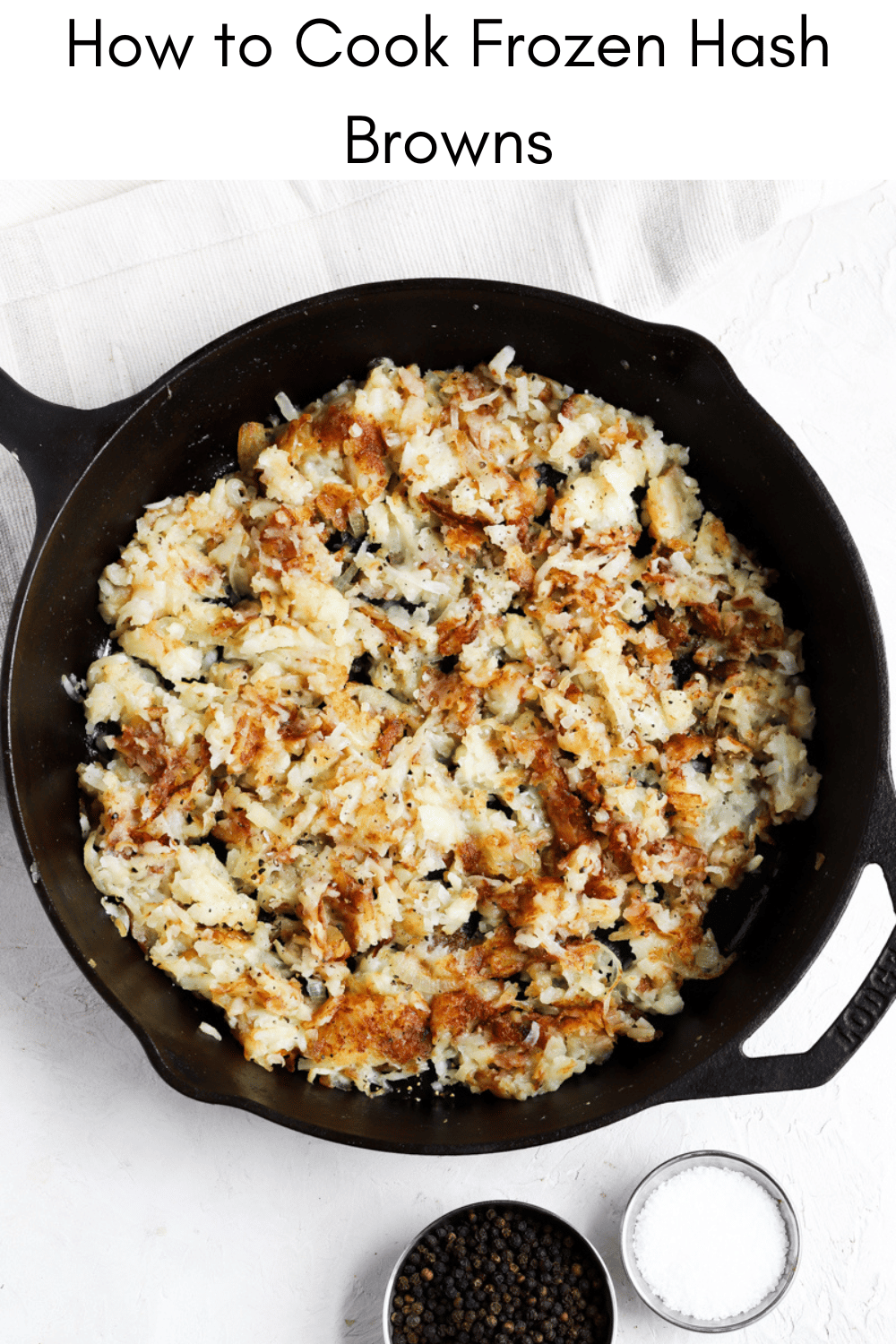
While the 9x13 dish is standard, don’t be afraid to experiment with different cooking vessels. A cast iron skillet produces a wonderfully crispy exterior. Preheat the skillet in the oven while it’s heating up, then assemble the casserole directly in the skillet. Baking time will be similar, but the bottom will get significantly crispier.
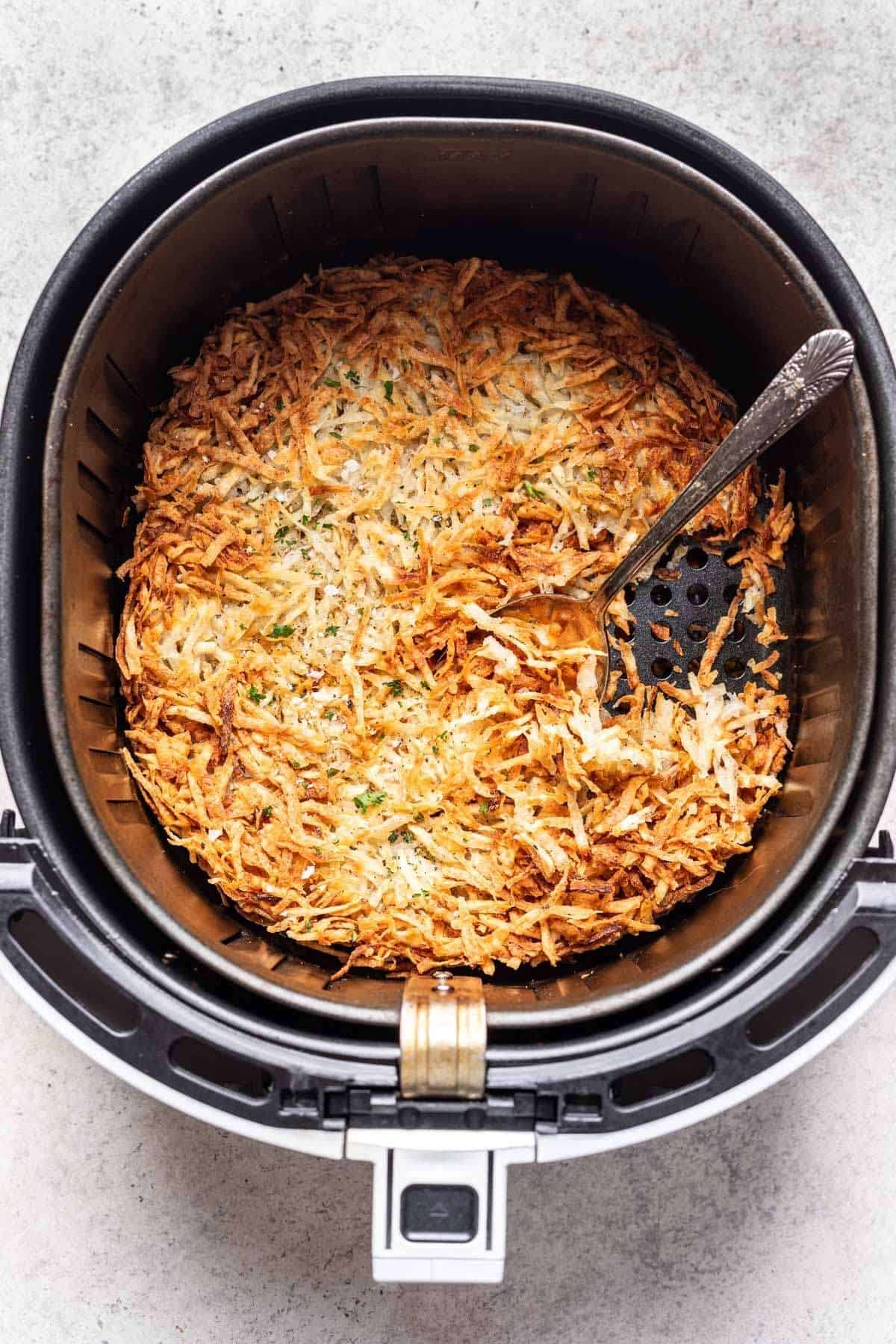
An air fryer is another option, but it’s best for smaller portions. You’ll need to reduce the baking time considerably – start checking after 15-20 minutes. The air fryer excels at creating a crispy top, but you’ll lose some of the creamy texture of the casserole. The biggest drawback is capacity; you’ll likely need to make multiple batches.
Once you’ve mastered the basic recipe, feel free to add a few optional ingredients. Cooked sausage or bacon adds a savory element. Diced onions and peppers provide texture and flavor. A sprinkle of jalapenos adds a touch of heat. I suggest adding these after you’ve made the basic recipe a few times, so you can appreciate the core flavors first. Remember, we are prioritizing minimal effort, so pre-cooked ingredients are your friend.
Hash Brown Casserole Preparation Method Comparison
| Method | Approximate Total Time | Cleanup Effort | Crispiness | Suitable Batch Size |
|---|---|---|---|---|
| Baking (350°F/175°C) | 60-75 minutes | Moderate - Requires dishwashing casserole dish and potentially mixing bowls. | Generally Even, Moderate | 6-8 servings (standard 9x13 inch casserole dish) |
| Skillet (Medium Heat) | 30-40 minutes | Moderate - Requires dishwashing skillet and potentially mixing bowls. May require more active monitoring to prevent sticking. | Variable, Potential for High Crispiness | 4-6 servings (10-12 inch skillet) |
| Air Fryer (375°F/190°C) | 20-30 minutes | Easy - Typically requires only washing the air fryer basket. | High, Most Consistent | 2-4 servings (depending on air fryer basket size) |
| Baking (Pre-assembled, refrigerated overnight) | 60-75 minutes (plus overnight refrigeration) | Moderate - Requires dishwashing casserole dish and potentially mixing bowls. | Generally Even, Moderate | 6-8 servings (standard 9x13 inch casserole dish) |
| Skillet (Pre-assembled, refrigerated overnight) | 30-40 minutes (plus overnight refrigeration) | Moderate - Requires dishwashing skillet and potentially mixing bowls. May require more active monitoring to prevent sticking. | Variable, Potential for High Crispiness | 4-6 servings (10-12 inch skillet) |
| Air Fryer (Pre-assembled, refrigerated overnight) | 20-30 minutes (plus overnight refrigeration) | Easy - Typically requires only washing the air fryer basket. | High, Most Consistent | 2-4 servings (depending on air fryer basket size) |
Illustrative comparison based on the article research brief. Verify current pricing, limits, and product details in the official docs before relying on it.
Fixing common mistakes
Is your casserole too dry? A splash of milk or chicken broth will add moisture. Start with a tablespoon and add more until you reach the desired consistency. Not crispy enough? Broil it for a few minutes at the end of the baking time, watching carefully to prevent burning. Soggy bottom? Ensuring the dish is well-greased is the biggest preventative measure. Using a glass baking dish can sometimes contribute to a soggy bottom; a metal dish conducts heat more efficiently.
Bland flavor? Season with salt, pepper, and garlic powder. Don't underestimate the power of simple seasoning. A pinch of paprika can also add a subtle warmth. I once forgot the sour cream entirely, and while it wasn’t a disaster, it definitely lacked that signature tang. It was a good reminder to double-check ingredients!
If the cheese isn’t melting evenly, try lowering the oven temperature slightly or covering the casserole loosely with foil during the last 15 minutes of baking. These issues are easily addressed, and with a little practice, you’ll be able to consistently produce a perfect hash brown casserole. Don't be discouraged by initial mishaps – they’re part of the learning process.

No comments yet. Be the first to share your thoughts!