
Beyond the Pan: Why Air Frying Hash Browns Changes Everything
The pursuit of the perfect hash brown is a culinary quest many undertake, often ending in a frustrating battle against uneven cooking, excessive oil splatter, and a lingering sense that true crispiness remains elusive. Traditional pan-frying, while capable of producing good results, demands constant attention and uses a significant amount of oil – a compromise many are unwilling to make.
Enter the air fryer, a kitchen appliance that’s rapidly redefining how we approach fried foods. It isn’t just a trend; it’s a legitimate method for achieving remarkably crispy textures with dramatically less oil. We’re talking a reduction of up to 75% compared to deep or even shallow frying, without sacrificing that golden-brown, satisfying crunch.
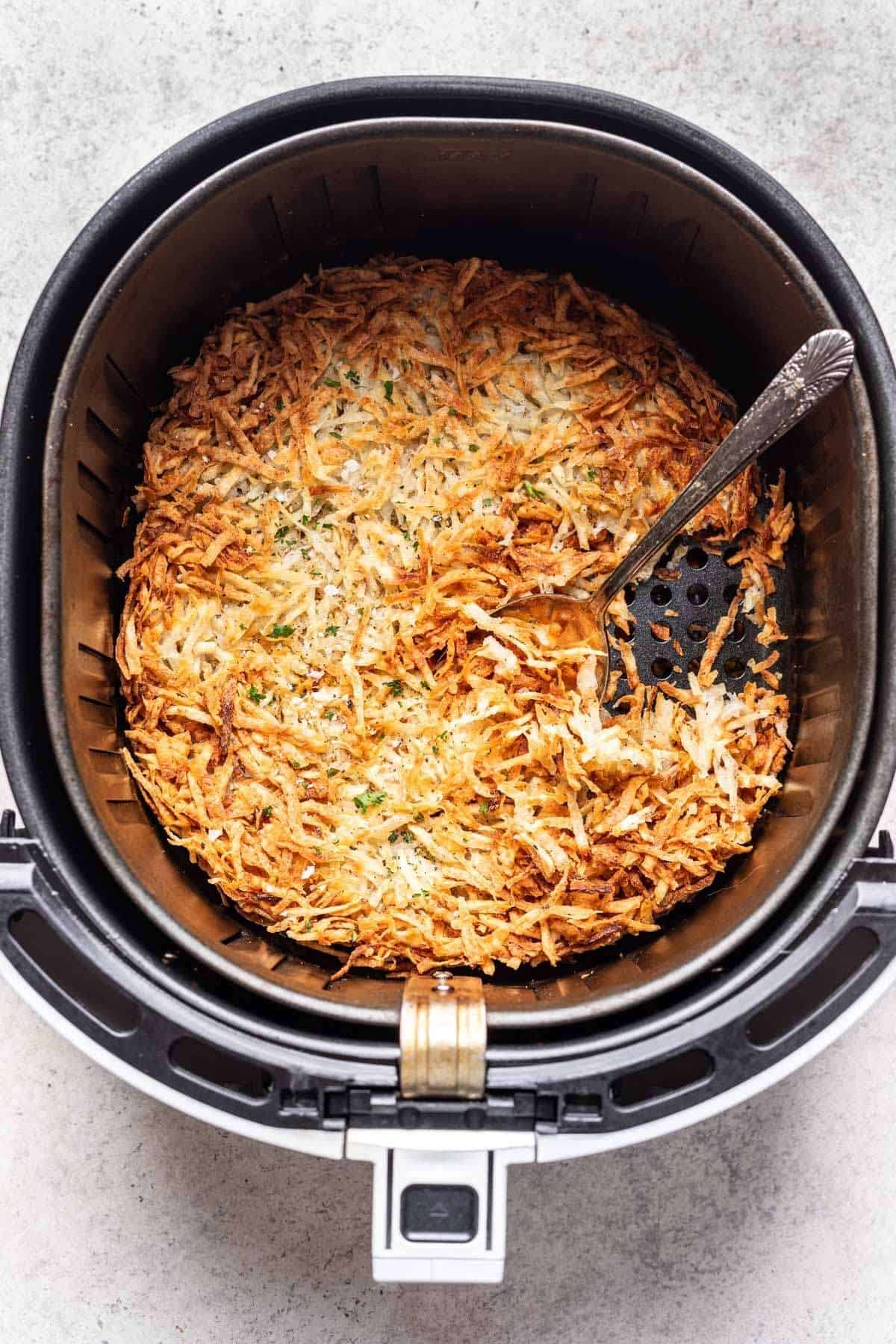
This isn’t about simply replicating a pan-fried hash brown in a different appliance. It’s about leveraging the air fryer’s unique capabilities – rapid air circulation and consistent heat distribution – to fundamentally change the cooking process. We'll explore how to unlock the full potential of this method, going beyond basic recipes to deliver consistently exceptional results. It's a shift in technique, not a lazy substitution.
Potato Choice is Everything
Not all potatoes are created equal, and this is especially true when it comes to hash browns. While you can technically make hash browns from any potato, certain varieties will yield far superior results. Yukon Golds, with their naturally buttery flavor and medium starch content, are a reliable choice, offering a good balance of texture and taste.
However, for that truly classic hash brown experience – the kind you get at a diner – Russet potatoes are the undisputed champion. Their high starch content and relatively low moisture levels are ideal for shredding and achieving maximum crispiness. The starch breaks down during cooking, creating a fluffy interior and those desirable golden-brown edges.
Other options include red potatoes and even sweet potatoes. Red potatoes hold their shape well but won’t get as crispy as Russets. Sweet potatoes offer a different flavor profile altogether, leaning towards sweetness and a softer texture. I’m not convinced they’re a direct substitute for traditional hash browns; they’re more of a variation, and whether you enjoy them is a matter of personal preference.
The Shred: Coarse vs. Fine
The way you shred your potatoes significantly impacts the final texture of your hash browns. A coarse shred will result in a more rustic, slightly chewy hash brown, with distinct potato strands. This is ideal if you prefer a more substantial bite and a less uniform texture.
Conversely, a fine shred will create a more compact, potentially crispier hash brown. The smaller shreds pack together more tightly, promoting better browning and a more even texture. However, be careful not to shred too finely, as this can lead to a mushy consistency. There's a sweet spot, and it takes some practice to find it.
Achieving consistent shreds is key. A box grater is a reliable option, but a food processor with a shredding disc can save you time and effort. When using a food processor, pulse the potatoes in short bursts to avoid over-processing. Regardless of your method, address oxidation quickly. Submerge the shredded potatoes in a bowl of cold water immediately after shredding to prevent them from turning gray. This doesn’t affect the flavor, but it does impact the appearance.
- Coarse Shred: Rustic texture, slightly chewy.
- Fine Shred: More uniform, potentially crispier.
Rinsing & Drying: The Forgotten Steps
Rinsing the shredded potatoes is arguably the most overlooked, yet crucial, step in making truly crispy hash browns. Shredded potatoes are packed with starch, and that starch inhibits browning and prevents the potatoes from achieving a desirable crispness. Rinsing removes excess starch, allowing the potatoes to brown properly and become delightfully crunchy.
Rinse the shredded potatoes in a bowl of cold water, gently agitating them with your hands. Continue rinsing until the water runs clear – this may take several changes of water. Don't skip this step; it makes a world of difference. Then comes the drying process, which is equally important.
Wet potatoes will steam in the air fryer, resulting in soggy, lackluster hash browns. You need to remove all excess moisture. The best methods include using a clean cheesecloth to squeeze out the water, spreading the potatoes in a single layer on paper towels and gently pressing, or using a salad spinner. Don't underestimate this step; completely dry potatoes are essential for achieving that coveted crisp.
Air Fryer Settings: Temperature & Time
Determining the optimal air fryer settings for hash browns requires a bit of experimentation, as air fryer models vary. However, a good starting point is 375-400°F (190-200°C). Preheating the air fryer for at least 5 minutes is also highly recommended; this ensures even cooking and maximum crispiness.
Cooking time will typically range from 15-20 minutes, but it’s essential to flip the hash browns halfway through to ensure they brown evenly on both sides. Keep a close eye on them during the last few minutes of cooking to prevent burning. Remember, the goal is golden brown and crispy, not charred.
I'm not sure there’s a single "perfect’ setting that will work for every air fryer and every batch of potatoes. Factors like potato variety, shred size, and the amount of oil used can all influence cooking time. The key is to start with the recommended settings and adjust based on your results. Don"t be afraid to experiment and take notes on what works best for your specific setup.
Air Fryer Hash Brown Settings by Potato Type & Model (2026)
| Air Fryer Model | Potato Type | Temperature (°F) | Time (Minutes) | Crispiness Level |
|---|---|---|---|---|
| Ninja (Foodi models) | Yukon Gold | 380 | 12-15 | Medium-High |
| Ninja (Foodi models) | Russet | 400 | 10-12 | High |
| Cosori (Pro models) | Yukon Gold | 375 | 15-18 | Medium |
| Cosori (Pro models) | Russet | 390 | 12-15 | Medium-High |
| Instant Pot Vortex | Yukon Gold | 390 | 14-16 | Medium |
| Instant Pot Vortex | Russet | 400 | 10-14 | High |
| Ninja (DualZone models) | Yukon Gold | 380 | 13-16 | Medium-High |
| Ninja (DualZone models) | Russet | 400 | 11-13 | High |
Illustrative comparison based on the article research brief. Verify current pricing, limits, and product details in the official docs before relying on it.
Oil & Seasoning: Less is More
While we're aiming for a 75% reduction in oil compared to traditional frying, a small amount of oil is still necessary to promote crisping and enhance flavor. A neutral-flavored oil with a high smoke point, such as avocado oil or canola oil, is ideal. Avoid olive oil, as its flavor can be overpowering and it has a lower smoke point.
1-2 teaspoons of oil per potato is generally sufficient. Toss the shredded, rinsed, and dried potatoes with the oil and your desired seasonings. Salt and pepper are essential, but don’t be afraid to get creative. Garlic powder, paprika, onion powder, or even a pinch of cayenne pepper can add a delicious depth of flavor.
Start with a conservative amount of seasoning; you can always add more after cooking. Over-seasoning can easily ruin a batch of hash browns. Remember, you’re building layers of flavor, and it’s easier to add than to subtract.
Troubleshooting: Common Hash Brown Problems
Even with the best techniques, you might encounter a few challenges along the way. If your hash browns are soggy, the most likely culprit is insufficient drying. Make sure the potatoes are completely dry before adding them to the air fryer. If they’re sticking, use air fryer-safe parchment paper liners.
Uneven cooking often indicates overcrowding. Work in batches if necessary to ensure that the potatoes are spread in a single layer. Burning suggests the temperature is too high; lower it slightly and check more frequently. If your hash browns are falling apart, you may have shredded them too finely or not rinsed enough starch.
Addressing these common issues is about understanding the underlying principles. It’s about recognizing that crispiness is a result of moisture removal and starch control. By paying attention to these details, you can consistently produce delicious, golden-brown hash browns.
- Soggy Hash Browns: Not enough drying. Ensure potatoes are completely dry.
- Uneven Cooking: Overcrowding. Work in batches.
- Burning: Temperature too high. Lower the temperature.
- Sticking: Use parchment paper liners.
Beyond Basic: Flavor Variations
Once you’ve mastered the basic air fryer hash brown technique, the possibilities are endless. Cheesy hash browns are a crowd-pleaser – simply sprinkle shredded cheddar, Monterey Jack, or your favorite cheese over the potatoes during the last few minutes of cooking. Spicy hash browns can be made by adding diced jalapeños or a pinch of cayenne pepper to the seasoning mix.
For a truly decadent treat, try loaded hash browns. Top cooked hash browns with crispy bacon, sour cream, chives, and a sprinkle of cheese. I think a southwestern-style hash brown would be particularly good – incorporating roasted corn, black beans, and a touch of chili powder.
Don’t be afraid to experiment with different herbs, spices, and toppings. Hash browns are a blank canvas for culinary creativity. Consider adding caramelized onions, sautéed mushrooms, or even a fried egg for a complete and satisfying breakfast or side dish.

No comments yet. Be the first to share your thoughts!