
Better than basic frozen hash browns
Frozen hash browns are the ultimate breakfast shortcut, but they don't have to be boring. While quality varies between brands, you can make even the cheapest bag taste like a diner classic with the right heat and seasoning.
The United States Department of Agriculture (USDA) has established grading standards for frozen hash brown potatoes, outlined in detail at ams.usda.gov. These standards classify potatoes based on qualities like shape, size, color, and the presence of defects. Grades range from US Grade A to US Grade C, with A representing the highest quality – meaning minimal defects and a consistent, appealing appearance. Knowing these standards doesn't mean you need to seek out only Grade A, but it provides context.
This article isn’t about dismissing the humble bag of frozen shredded potatoes. It’s about maximizing its potential. We’ll explore simple techniques and flavor combinations that transform a basic breakfast side into a gourmet-feeling meal, all achievable in under five minutes. Even the most economical brands can become surprisingly delicious with a little know-how. Forget bland and boring; let’s elevate the hash brown.
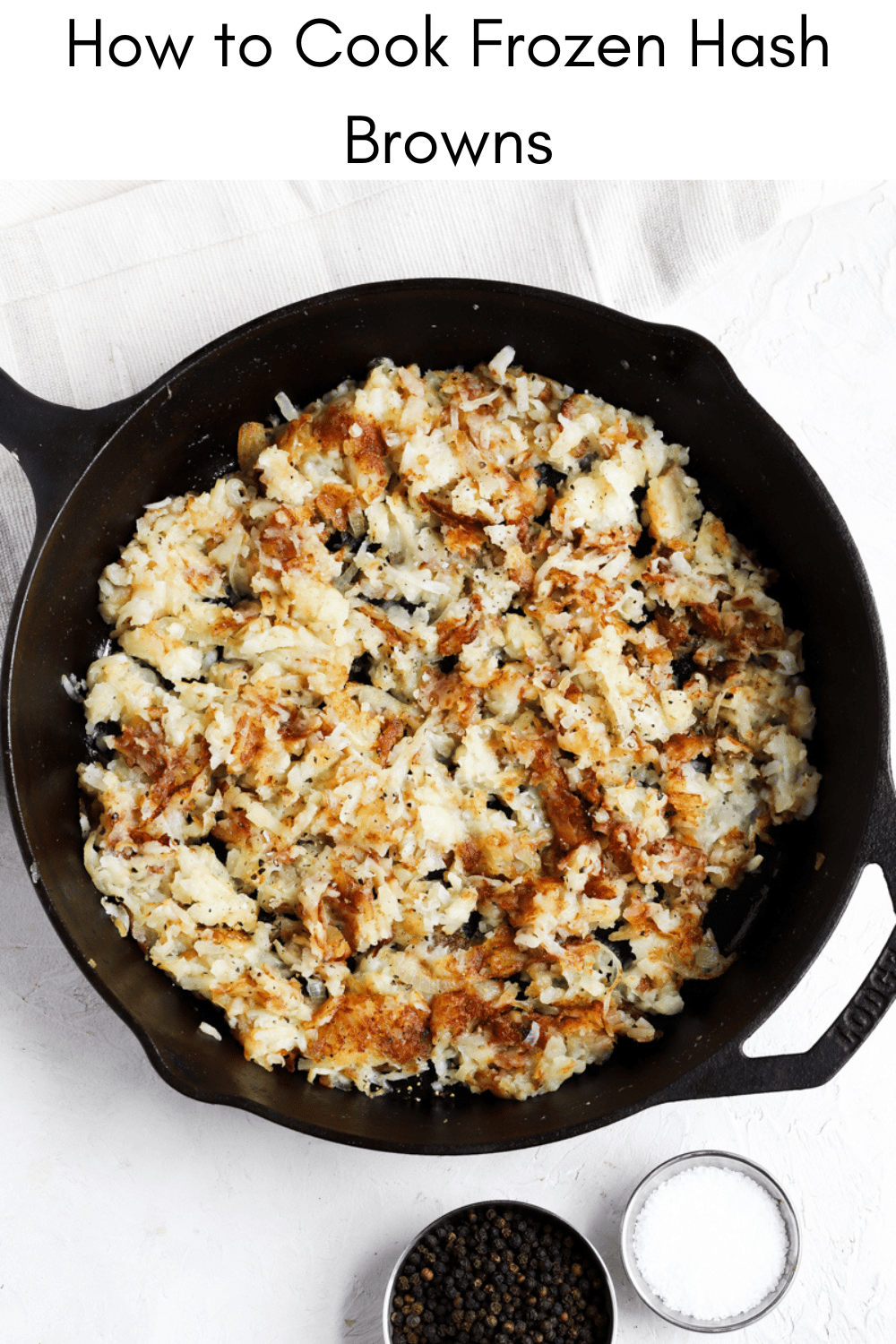
The best pans for a crisp crust
Speed is the name of the game, so let's address defrosting. Generally, I recommend skipping it. Starting with frozen hash browns yields a crispier result, as the initial shock of heat encourages rapid moisture evaporation. However, a very brief thaw – 5-10 minutes at room temperature – can help with even cooking if your pan tends to have hot spots. Experiment to see what works best with your equipment.
Pan choice matters significantly. Cast iron is ideal for achieving maximum crispness due to its excellent heat retention and even heating. But realistically, not everyone owns a well-seasoned cast iron skillet. Non-stick pans are a perfectly acceptable alternative, though you may need to use slightly more oil to compensate for the lack of natural non-stick properties. Stainless steel is also viable, but requires careful attention to prevent sticking and burning.
Oil selection is also important. Avocado oil has a high smoke point and neutral flavor, making it a great all-purpose choice. Canola oil is another affordable option. Clarified butter, or ghee, adds a wonderful nutty flavor and can withstand high temperatures without burning. Avoid olive oil for high-heat cooking, as it has a lower smoke point and can become bitter. About a tablespoon of oil is usually sufficient for a standard 12-inch skillet.
Adding protein and vegetables
Frozen hash browns aren’t just a side dish; they’re a foundation for a complete, quick meal. The key is to choose ingredients that cook in a similar timeframe. Pre-cooked proteins like chorizo, breakfast sausage, or diced ham are excellent choices. You can also add vegetables that cook quickly, such as spinach, bell peppers, onions, and mushrooms.
Layering flavors is crucial. I often add diced onions to the pan before the hash browns, sautéing them until softened and translucent. This builds a flavorful base. Then, I add the frozen hash browns and cook until crispy, incorporating the onions throughout. Adding a protein during the last few minutes of cooking ensures it’s heated through without overcooking.
Different proteins dramatically alter the overall flavor profile. Chorizo adds a spicy, smoky kick. Breakfast sausage provides a savory, comforting flavor. Diced ham offers a salty, slightly sweet note. Spinach and bell peppers introduce freshness and color. Consider the overall flavor you’re aiming for when selecting your pairings. Don’t be afraid to experiment!
For example, a combination of chorizo, bell peppers, and onions creates a vibrant Spanish-inspired skillet. Spinach and feta cheese offer a Mediterranean twist. And a classic pairing of bacon, cheddar cheese, and a fried egg is always a winner. Remember to season each component individually to build layers of flavor. A little extra garlic powder on the vegetables can make a big difference.
Sauce It Up: Finishing Touches
The final touch can elevate your hash brown creation from good to gourmet. A well-chosen sauce or topping adds a layer of complexity and visual appeal. Sriracha mayo is a quick and easy option, adding a spicy, creamy kick. Hollandaise sauce, while traditionally more involved, can be made surprisingly easily using microwave-friendly recipes.
Pesto adds a fresh, herbaceous flavor, especially when paired with tomatoes and mozzarella. Chimichurri, a vibrant Argentinian sauce, complements chorizo and steak. And of course, a perfectly fried egg is a classic topping that never disappoints. I often whisk a little hot sauce into the egg for an extra layer of flavor.
Some sauces, like hollandaise, require more preparation time. But many can be prepped ahead of time, making the final assembly quick and easy. A simple drizzle of hot sauce or a dollop of sour cream can also add a significant boost of flavor. Don’t underestimate the power of a finishing touch.
Beyond Breakfast: Lunch & Dinner Hacks
Let's break free from the breakfast-only mindset. Frozen hash browns are surprisingly versatile and can be repurposed for lunch or dinner. Think of them as a blank canvas for creative culinary experimentation.
One simple hack is to use them as a base for loaded fries. Top crispy hash browns with chili, cheese, sour cream, and your favorite toppings. They also make a fantastic side dish with burgers or grilled chicken. For a more substantial meal, create a shepherd's pie-style casserole by layering hash browns over a savory meat and vegetable filling.
I’ve even experimented with a quick 'hash brown pizza' concept – spreading a thin layer of tomato sauce and cheese over crispy hash browns and baking until bubbly. It’s an unconventional, but surprisingly delicious, way to use up leftover hash browns. The possibilities are endless. Don’t be afraid to get creative.
How to fix soggy potatoes
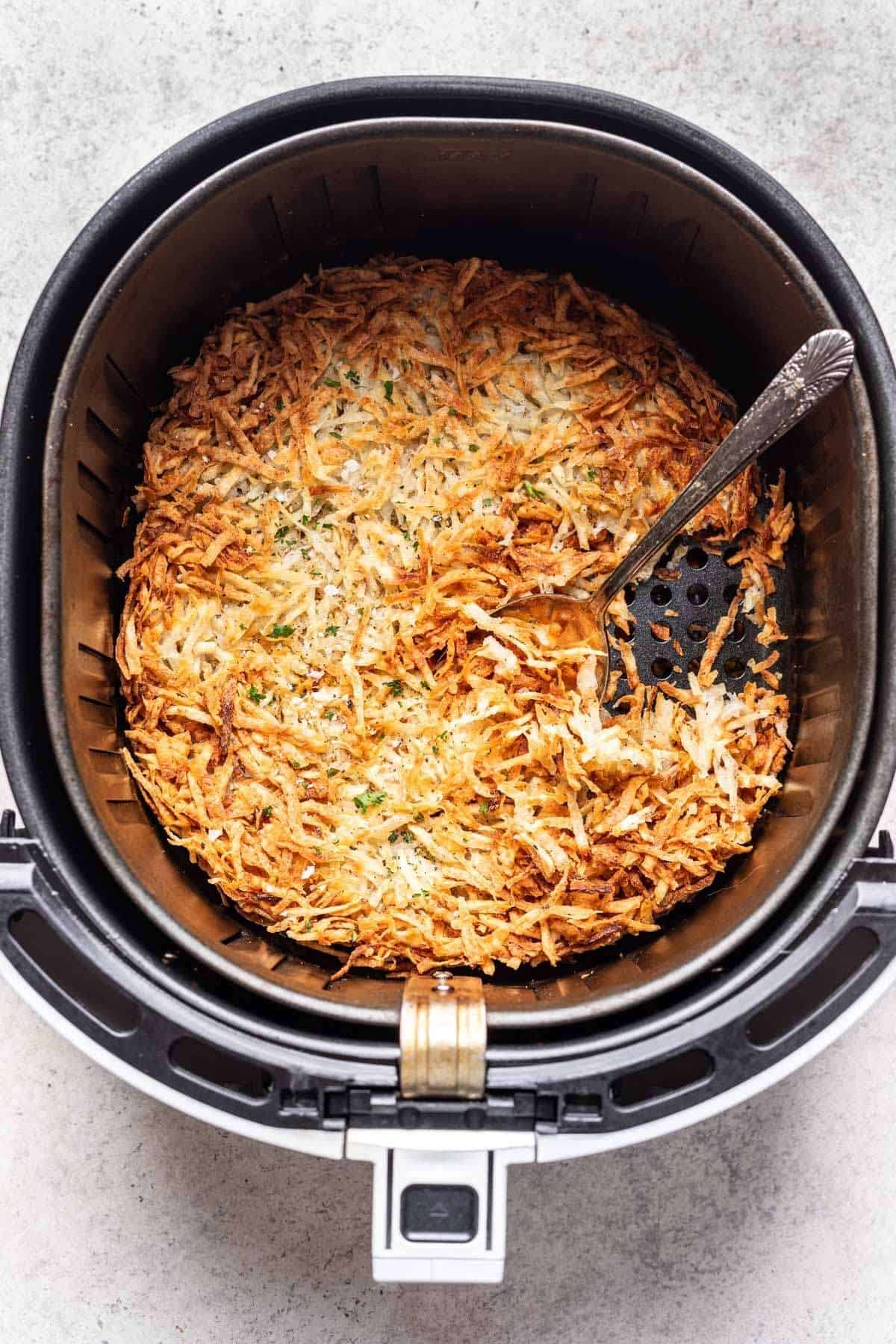
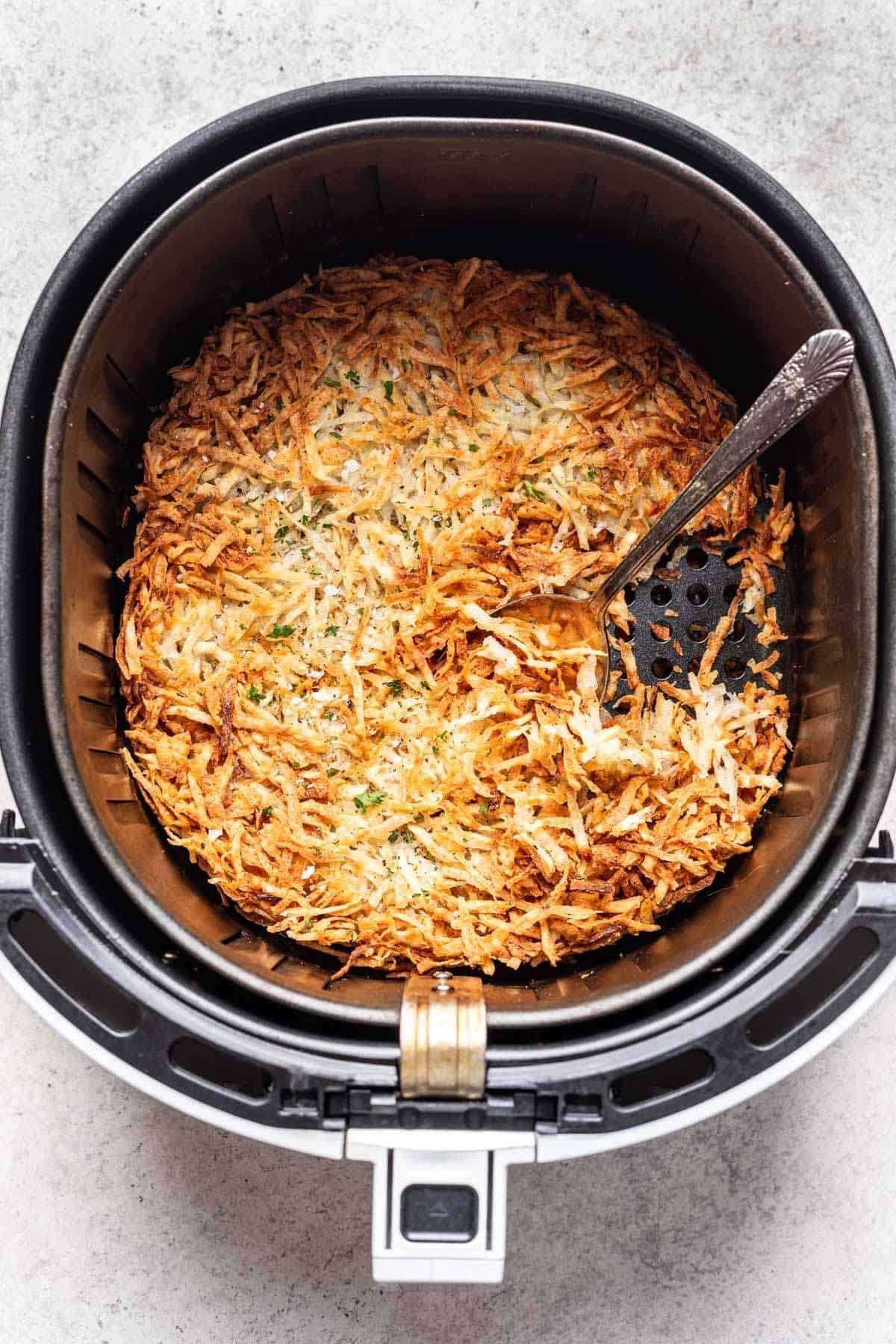
Achieving crispy hash browns can be challenging. Common problems include sogginess, sticking to the pan, and uneven cooking. The key is to avoid overcrowding the pan, use enough oil, and resist the urge to move the hash browns around too much. Patience is your friend.
If your hash browns aren’t getting crispy enough, try increasing the heat slightly. But be careful not to burn them. If they’re sticking to the pan, ensure you’re using enough oil and that your pan is properly heated before adding the hash browns. Refer back to the pan choice section – cast iron and non-stick are generally more forgiving. Remember, a little bit of browning is a good thing.
No comments yet. Be the first to share your thoughts!