
Crispy Hash Browns: The Goal
Imagine the perfect hash brown: golden brown, shatteringly crisp outside, and fluffy within. It’s a simple pleasure, but surprisingly hard to master. We’re aiming for that diner-style perfection in your kitchen.
Achieving hash brown nirvana isn't just about potatoes in a pan. The details start with the shred. Consistent shredding, moisture management, and even cooking are hurdles to an exceptional hash brown. This guide covers the tools and the process.
The initial shred significantly impacts texture. Too coarse results in chunks; too fine leads to gummy hash browns. The right tool and technique are foundational for great breakfast. I've experimented to find what works.
This guide covers the tools, techniques, and potato varieties for making consistently amazing hash browns. Forget soggy disappointments; aim for gold.
Shredding Methods: A Quick Overview
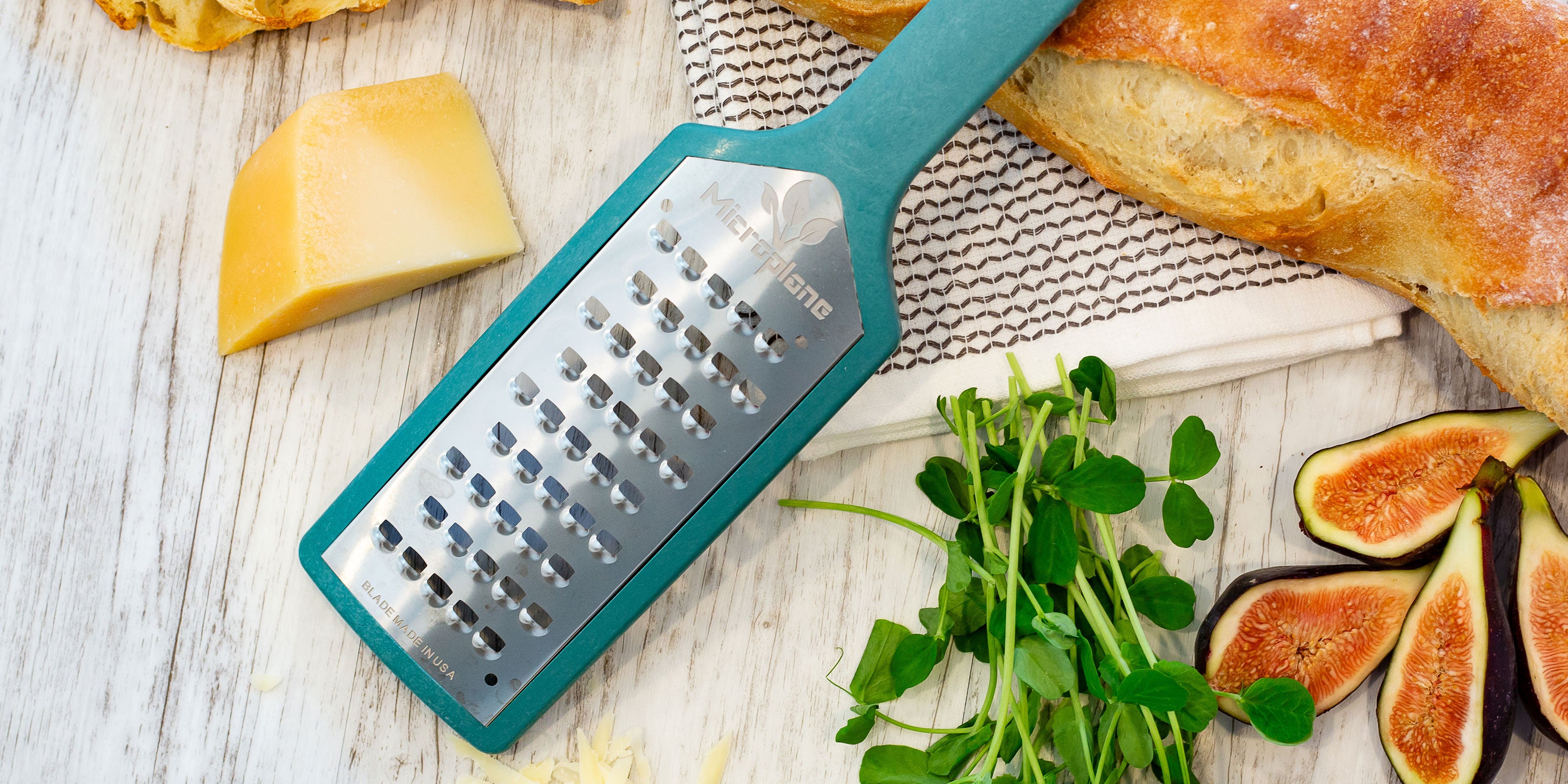
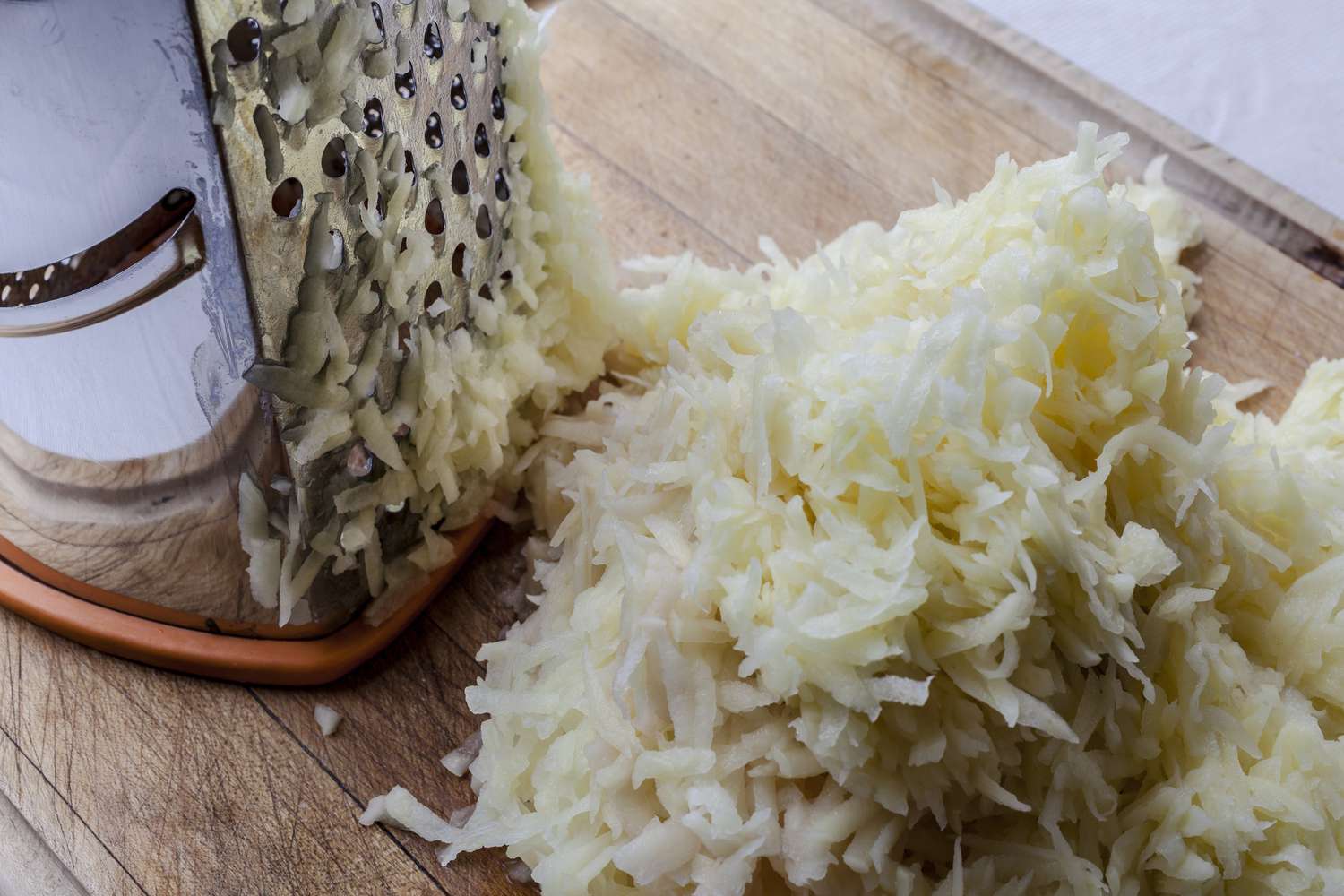
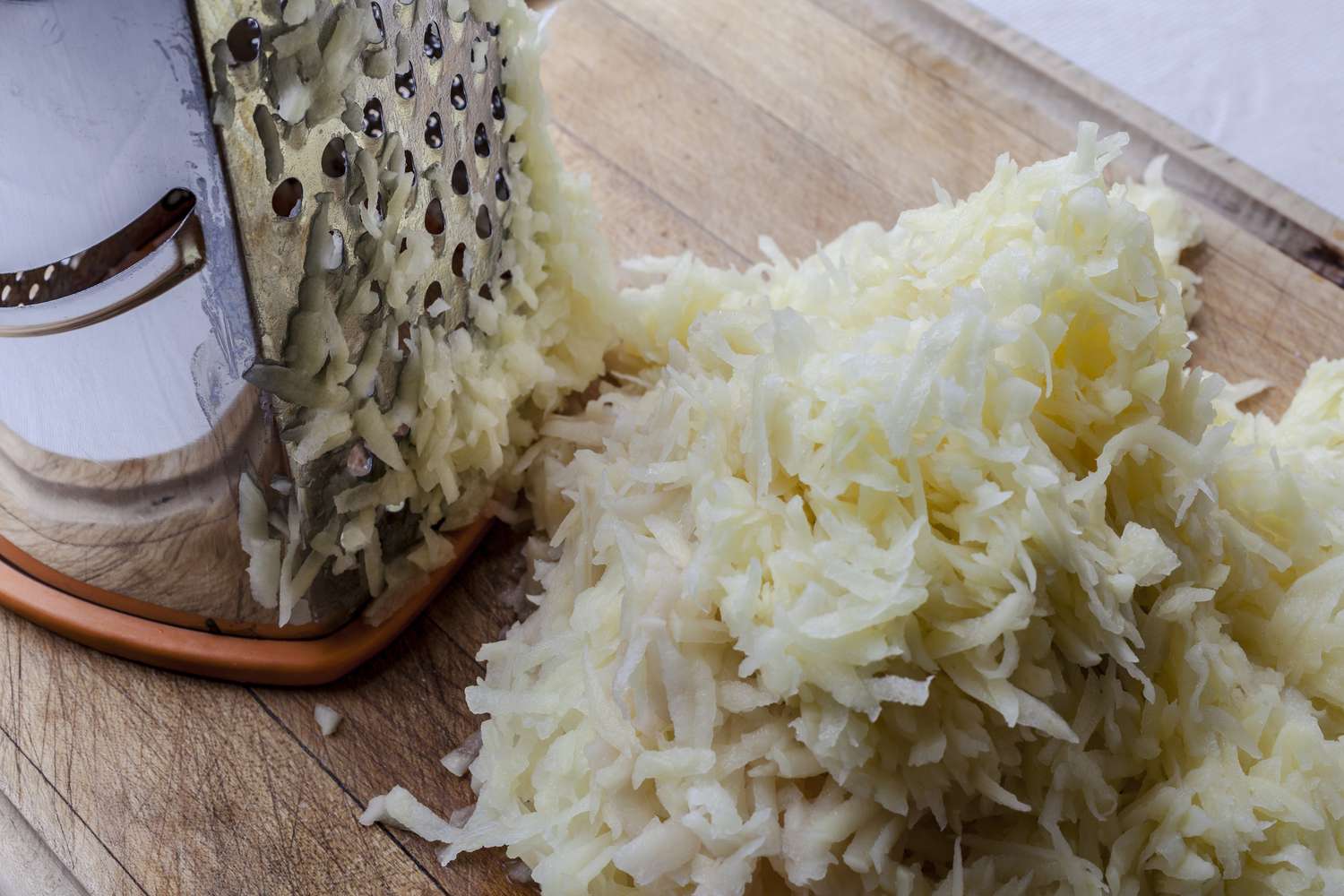
People shredded potatoes long before dedicated shredders. A standard box grater is a common starting point. While accessible, it's labor-intensive and achieving a consistent shred size is challenging.
Food processors with shredding discs are faster but can produce uneven shreds, especially with larger potatoes. Over-processing can create a paste, and cleaning multiple parts is inconvenient.
Dedicated potato shredders, from manual to electric, promise consistency and efficiency, but quality varies significantly. This review separates the good from the bad.
A cheese grater works in a pinch but isn't ideal for serious hash brown makers due to fatigue and inconsistent results. A food processor is better but has drawbacks. A dedicated shredder is best for regular, consistent hash browns.
Top 7 Potato Shredders of 2026
After extensive testing, here are the top 7 potato shredders for 2026, considering shred quality, ease of cleaning, and price. Availability and pricing may change.
- Vollrath 525001 Potato Cutter: This is a commercial-grade option, and it shows. It's built like a tank, shreds quickly and consistently, and is surprisingly easy to clean considering its size. It’s an investment, around $350, but if you're serious about hash browns, it’s worth considering. The main downside is the footprint – it’s large and takes up a lot of counter space.
- OXO Good Grips Potato Ricer & Shredder: A versatile tool, this ricer also includes a shredding disc that performs admirably. It’s not as fast as some dedicated shredders, but it’s incredibly easy to use and clean, and the price is reasonable, around $40. Great for smaller batches and those who want a multi-purpose tool.
- Presto 02970 16-Cup Salad Shooter: Don’t let the name fool you, this little gadget does a surprisingly good job shredding potatoes. It’s affordable (around $30), compact, and easy to store. The shred isn’t quite as consistent as some of the more expensive options, but it’s perfectly acceptable for everyday use.
- Mueller Austria Potato Shredder: This manual shredder is a solid mid-range option. It’s more affordable than the Vollrath (around $60) but still delivers a consistent shred. It's relatively easy to clean, although the suction cup base can sometimes be a bit finicky.
- Cuisinart FP-13D Elemental 13-Cup Food Processor: A good food processor can be a hash brown hero. The Cuisinart FP-13D offers a shredding disc that works well, although it requires a bit of practice to get the right consistency. At around $200, it's an investment, but a versatile one. Remember to pulse, don’t just run it continuously.
- Hamilton Beach Electric Spiralizer: While marketed as a spiralizer, the Hamilton Beach model also comes with a shredding attachment. It’s a budget-friendly option (around $50) and surprisingly effective, especially for smaller quantities. It's not the most durable option, but it's a good starting point.
- Norpro 3-Blade Rotary Potato Peeler/Shredder: This is a classic, manual tool. It’s inexpensive (around $25) and requires a bit of elbow grease, but it gets the job done. It’s best for smaller batches and those who don’t mind a bit of a workout. The suction cup base can be unreliable on smooth surfaces.
Best Potato Shredders 2026: A Comparison
| Model | Shred Quality | Ease of Cleaning | Ergonomics | Potato Capacity | Price Range |
|---|---|---|---|---|---|
| Box Grater (Standard) | Medium-Coarse 🥔 | 2/5 (Requires careful cleaning) | Generally Comfortable | Small-Medium | $ |
| Microplane Box Grater | Fine 🥕 | 3/5 (Fine holes can be tricky) | Good, but can be tiring for large batches | Small | $$ |
| Rotary Cheese Grater (Manual) | Medium | 3/5 (Disassembly needed) | Moderate - can require some force | Medium | $$ |
| OXO Good Grips V-Blade Mandoline | Medium-Coarse (with shredding blade) | 4/5 (Dishwasher Safe) | Excellent, soft grip | Medium-Large | $$$ |
| KitchenAid Food Processor (with shredding disc) | Medium | 4/5 (Parts are dishwasher safe) | N/A - relies on machine power | Large | $$$ |
| Cuisinart Handheld Electric Spiralizer | Coarse | 3/5 (Requires disassembly) | Comfortable grip, lightweight | Small-Medium | $$ |
| Deen Brothers Cast Iron Grater | Coarse | 2/5 (Requires seasoning & careful cleaning) | Rustic, can be uncomfortable for extended use | Small | $$ |
Illustrative comparison based on the article research brief. Verify current pricing, limits, and product details in the official docs before relying on it.
Beyond the Gadget: Potato Choice Matters
Using the wrong potato type hinders hash brown quality. Russet potatoes are the standard for hash browns due to their high starch content, creating a fluffy interior and crispy exterior.
Yukon Gold potatoes, with slightly lower starch, produce a creamier hash brown less prone to falling apart. Red potatoes, being waxy and dense, do not crisp up as well.
Starch content is key. Higher starch means more fluffiness and crispness, but also more breakdown. Lower starch offers stability but less crispness. Russets are a common choice.
Mixing potato types, like Russet and Yukon Gold, can offer both fluffiness and stability.
Moisture Control: The Secret Weapon
Excess moisture prevents crispy hash browns by steaming the potatoes. Removing moisture is critical. A diner-style approach is effective.
Using cheesecloth to squeeze out liquid is effective, though messy. Paper towels can be used but are less effective.
Rinsing shredded potatoes in cold water can prevent sticking but removes starch needed for crispness. Skipping rinsing and focusing on squeezing is preferred.
Squeeze potatoes thoroughly until they feel almost dry. This step takes time but is crucial for crispy hash browns.
- Shred Potatoes
- Place in Cheesecloth
- Squeeze Excess Moisture
- Cook Immediately
Cooking Techniques for Maximum Crisp
Pan-frying is the classic method for diner-style crispiness. High heat and the right amount of fat are key.
Use a heavy-bottomed skillet (cast iron is ideal) over medium-high heat. Add enough oil to coat the bottom and prevent sticking. Clarified butter or an oil/butter blend works best; avoid olive oil due to its lower smoke point.
Once the oil is hot, add the shredded potatoes in a thin, even layer. Don’t overcrowd the pan, or they’ll steam instead of crisping. Press the potatoes down firmly with a spatula to ensure good contact with the hot surface. Resist the urge to stir too often – let them develop a golden-brown crust before flipping.
Baking is a healthier option, but it's harder to achieve the same level of crispness. Air frying is a good compromise – it provides a crispy exterior with less oil. Regardless of the method, temperature control is crucial. You want a hot, consistent temperature to ensure even cooking and maximum crispiness.
Troubleshooting Common Hash Brown Problems
Let's address some common hash brown hurdles. Soggy hash browns? This is almost always due to insufficient moisture removal. Go back and really squeeze those potatoes! Uneven cooking? Make sure your pan is evenly heated and you’re not overcrowding it. Adjust the heat as needed.
Sticking to the pan? Use enough oil, and make sure the pan is properly heated before adding the potatoes. A non-stick skillet can also help. Not crispy enough? Increase the heat slightly, and resist the urge to stir too often. Pressing down on the potatoes with a spatula also helps.
Falling apart? You may have used a potato with too low starch content, or you may have over-processed the potatoes. Try using Russet potatoes and avoid pulsing the food processor for too long.
Don't be afraid to experiment! Hash brown making is a skill that improves with practice. Every stove and every potato is a little different. Keep these tips in mind, and you'll be well on your way to hash brown perfection.
- Problem: Soggy Hash Browns Solution: Squeeze More Moisture!
- Problem: Uneven Cooking Solution: Even Heat, Don’t Overcrowd
- Problem: Sticking Solution: More Oil, Hot Pan
- Problem: Not Crispy Solution: Higher Heat, Less Stirring
No comments yet. Be the first to share your thoughts!