
The Rise of the Protein Bowl
Breakfast is changing. For years, it was sugary cereals and pastries. Now, people want sustained energy and nutrition. The protein bowl is central to this shift, driven by a growing awareness of protein's benefits.
This isn't about dieting; it's about meals that support active lifestyles and fitness goals. People are ditching carb-heavy breakfasts that cause energy crashes for meals that keep them full longer. The fitness community has adopted this approach, sharing recipes on social media. The appeal is a customizable, nutrient-rich meal that fuels workouts and recovery.
The Protein-Packed Hash Brown Bowl is popular because it combines comfort food with healthy eating. Hash browns, usually an indulgent side, are now a base for a balanced meal. It's a way to eat something satisfying and nostalgic while meeting your macronutrient targets. Searches for "healthy hash brown recipes’ and ‘high protein breakfast skillets" have increased recently, showing demand for this dish.
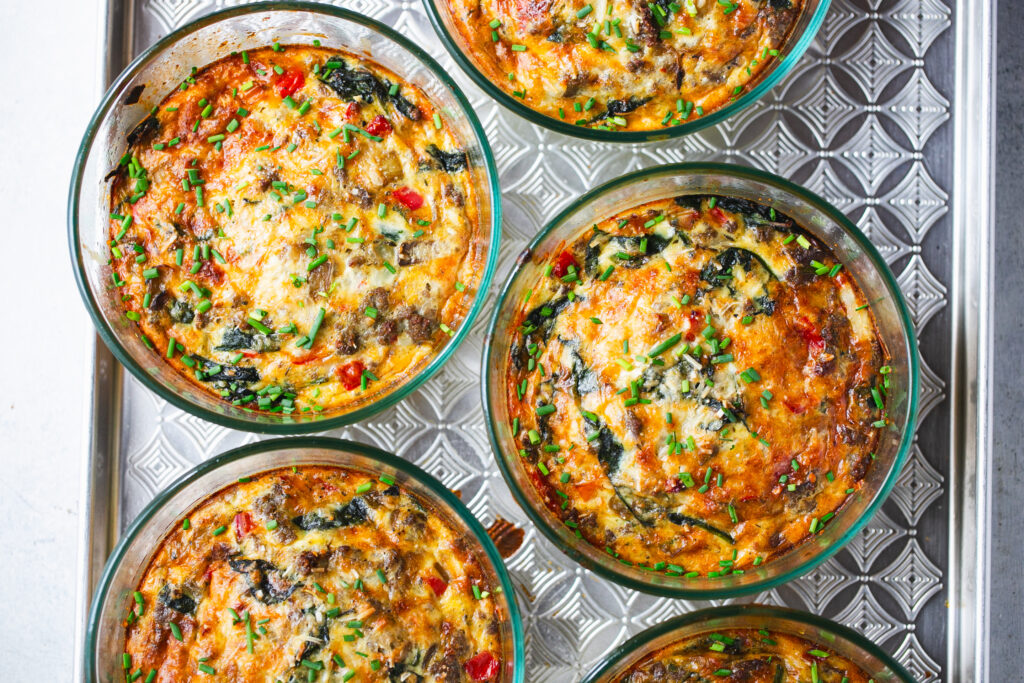
Hash Browns Reimagined: Beyond Breakfast
Hash browns have a history rooted in practicality. Originating in the United States, they likely evolved from potato pancakes brought by European immigrants. Initially, they were a resourceful way to use leftover potatoes, prepared by cowboys and miners needing a hearty meal. This practicality continues today, in a different form.
For a long time, hash browns were a side dish, not a foundation. Their crispy texture and neutral potato flavor make them a versatile base for a protein-focused meal. They provide carbohydrates and a textural contrast to softer protein components.
Hash browns hold up well to bolder flavors and toppings. A well-made hash brown offers texture and a savory flavor. They are ideal for building a bowl with ingredients like grilled chicken, avocado, spicy salsa, and a fried egg. Achieving perfect crispiness is key.
- Early Origins: Rooted in resourceful cooking methods of cowboys and miners.
- Traditional Role: Typically a side dish accompanying eggs and meat.
- Modern Appeal: Versatile base for protein-packed meals.
Recipe Breakdown: The 2026 Formula
This recipe delivers a satisfying and nutritious protein-packed hash brown bowl. It’s customizable, allowing you to adjust protein sources and toppings. The foundation is a crispy hash brown, which requires attention to detail.
Yields: 2 servings. Prep time: 20 minutes. Cook time: 30 minutes. Ingredients: 2 large Russet potatoes (about 1 pound), peeled and shredded; 1 tablespoon olive oil; 1/2 teaspoon garlic powder; 1/4 teaspoon paprika; Salt and pepper to taste; 1 cup cooked chicken breast, diced; 1/2 avocado, diced; 2 fried eggs; 2 tablespoons salsa; 1 tablespoon Greek yogurt.
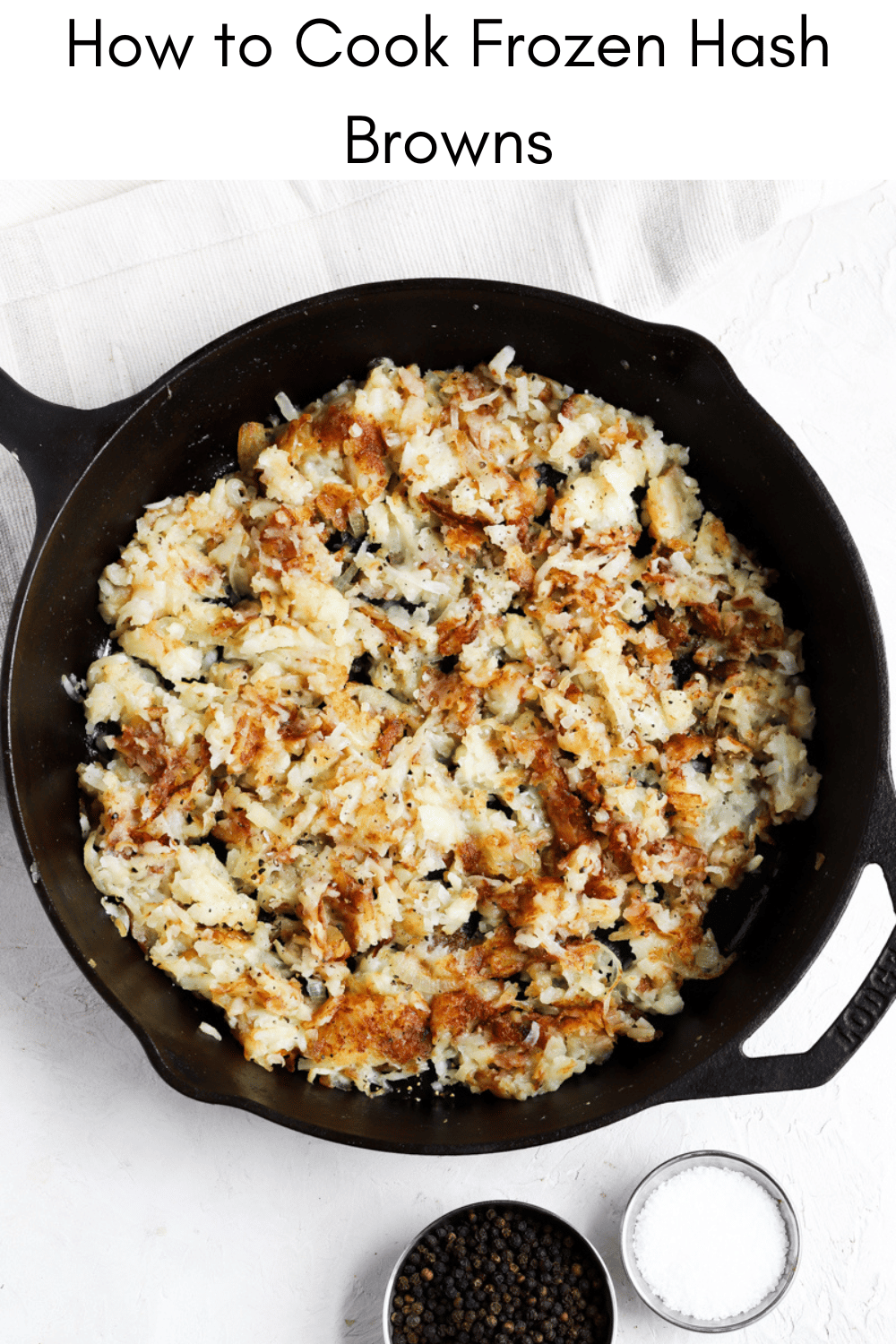
Instructions: 1. Prepare the hash browns: Place the shredded potatoes in a clean kitchen towel and squeeze out as much excess moisture as possible. This is crucial for achieving crispiness. 2. In a large skillet, heat the olive oil over medium-high heat. Add the shredded potatoes, garlic powder, paprika, salt, and pepper. 3. Spread the potatoes in an even layer and cook for 15-20 minutes, flipping occasionally, until golden brown and crispy. 4. Divide the hash browns between two bowls. 5. Top with diced chicken, avocado, fried eggs, salsa, and Greek yogurt. 6. Serve immediately.
- Step 1: Shred and thoroughly dry the potatoes.
- Step 2: Season and cook potatoes until golden brown.
- Step 3: Assemble the bowl with protein, toppings, and sauce.
Protein Sources: Fueling Your Day
Eggs are a classic protein source for this bowl, but other options exist. Grilled chicken provides a lean protein boost. Turkey bacon offers a smoky flavor with less fat than traditional bacon. Smoked salmon adds healthy fats and a distinctive taste.
Plant-based eaters have options too. Tofu scramble, seasoned with turmeric and nutritional yeast, is a satisfying alternative to eggs. Black beans or lentils can add protein and fiber. Tempeh bacon is another option that holds up well in the bowl.
The best protein source depends on your dietary preferences and nutritional goals. Chicken and turkey bacon are high in protein and low in fat. Salmon is rich in omega-3 fatty acids. Plant-based options offer fiber and other nutrients. Experiment to find what works best.
- Eggs: Classic, convenient, and versatile.
- Chicken: Lean protein source with a mild flavor.
- Salmon: Rich in omega-3 fatty acids.
- Tofu: Plant-based alternative with a neutral taste.
Protein Source Comparison for Hash Brown Bowls
| Protein Source | Protein Content (per serving) | Cooking Time | Flavor Profile | Dietary Considerations |
|---|---|---|---|---|
| Eggs | Moderate | Fastest | Neutral, versatile | Paleo, Ketogenic, generally well-tolerated |
| Ground Turkey | High | Moderate | Savory, slightly gamey | Paleo, Ketogenic, Gluten-Free |
| Black Beans | Moderate | Moderate (requires pre-cooking or canned) | Earthy, mild | Vegetarian, Vegan, Gluten-Free |
| Diced Chicken Breast | Very High | Moderate | Mild, takes on seasoning well | Paleo, Ketogenic, Gluten-Free |
| Crumbled Chorizo | High | Fast | Spicy, rich | Gluten-Free (check labels) |
| Smoked Salmon | High | Minimal (pre-cooked) | Smoky, distinct | Paleo, Ketogenic, Gluten-Free |
Qualitative comparison based on the article research brief. Confirm current product details in the official docs before making implementation choices.
Toppings & Sauces: Flavor Boosters
This bowl's beauty is its customizability. Toppings and sauces let your creativity shine. Avocado adds creaminess and healthy fats. Salsa provides a spicy kick and freshness. Hot sauce is a must-have for spice lovers.
Greek yogurt offers a tangy, protein-rich sauce alternative. Everything bagel seasoning adds a savory crunch. Chopped cilantro, green onions, or chives provide a fresh herbal note. Lime juice brightens the dish.
Balancing flavors and textures is key. Acidity cuts through richness. Crunchy toppings add textural interest. Experiment with combinations to find your perfect flavor profile.
Crispiness Secrets: Mastering the Hash Brown
Achieving crispy hash browns starts with the right potato. Russet potatoes are ideal due to their high starch content, which helps them crisp up. Yukon Gold potatoes can be used, but they are less crispy. Dry potatoes are important.
The grating technique matters. A box grater is acceptable, but a food processor can save time. Remove as much moisture as possible. Place shredded potatoes in a clean kitchen towel and squeeze firmly. Repeat until the towel is relatively dry.
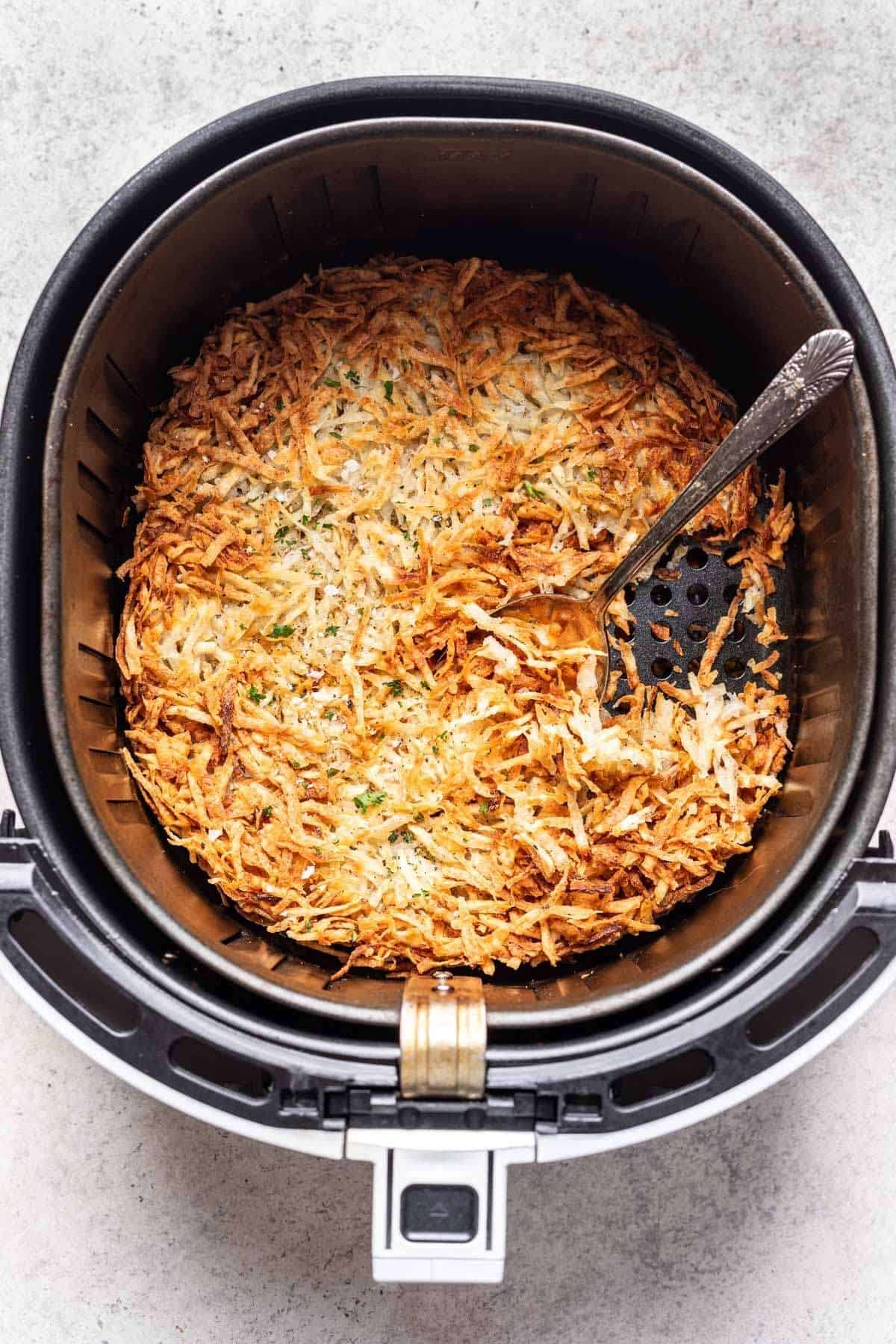
Cooking method plays a role. Pan-frying in oil yields crispy results. Baking is a healthier alternative, but requires higher temperature and longer cooking time. Air frying offers crispiness and convenience. Ensure potatoes are in a single layer in the pan or air fryer basket for even cooking.
Community Variations: What People Are Making
undefined coleslaw to chorizo and queso fresco. TikTok videos demonstrate creative assembly techniques and unique sauce combinations.
On Reddit, discussions revolve around the best potato-to-protein ratios and the optimal cooking methods for different potato varieties. Many users are experimenting with adding vegetables to the hash browns themselves, such as diced onions, peppers, and spinach. The hashtag #proteinhashbrownbowl is a great place to find inspiration.
This community-driven innovation is what makes this recipe so exciting. It’s not a static formula; it’s a starting point for endless customization and experimentation. It’s encouraging to see so many people embracing this healthier take on a classic comfort food.
Troubleshooting & FAQs
Q: My hash browns aren’t getting crispy! A: This is usually due to too much moisture in the potatoes. Make sure to squeeze them thoroughly dry before cooking. Also, ensure your skillet is hot enough and that you’re not overcrowding it. Q: My bowl is too dry. A: Add more sauce! Greek yogurt, salsa, or even a drizzle of olive oil can help to moisten the bowl. You can also add more avocado or chopped tomatoes.
Q: Can I substitute sweet potatoes? A: Yes, but be aware that sweet potatoes have a higher moisture content and may not get as crispy as Russet potatoes. You may need to adjust the cooking time and amount of oil. Q: Can I make this ahead of time? A: The hash browns are best served immediately, but you can prepare the ingredients (shred the potatoes, dice the chicken, etc.) ahead of time and assemble the bowl when you’re ready to eat.
Q: Can I scale the recipe up or down? A: Absolutely. Simply adjust the ingredient quantities proportionally. Keep in mind that cooking time may need to be adjusted depending on the amount of hash browns you’re making. The goal is to create a meal that fits your needs and preferences, and these adjustments are key to achieving that.

No comments yet. Be the first to share your thoughts!