
The Pursuit of the Perfect Hash Brown
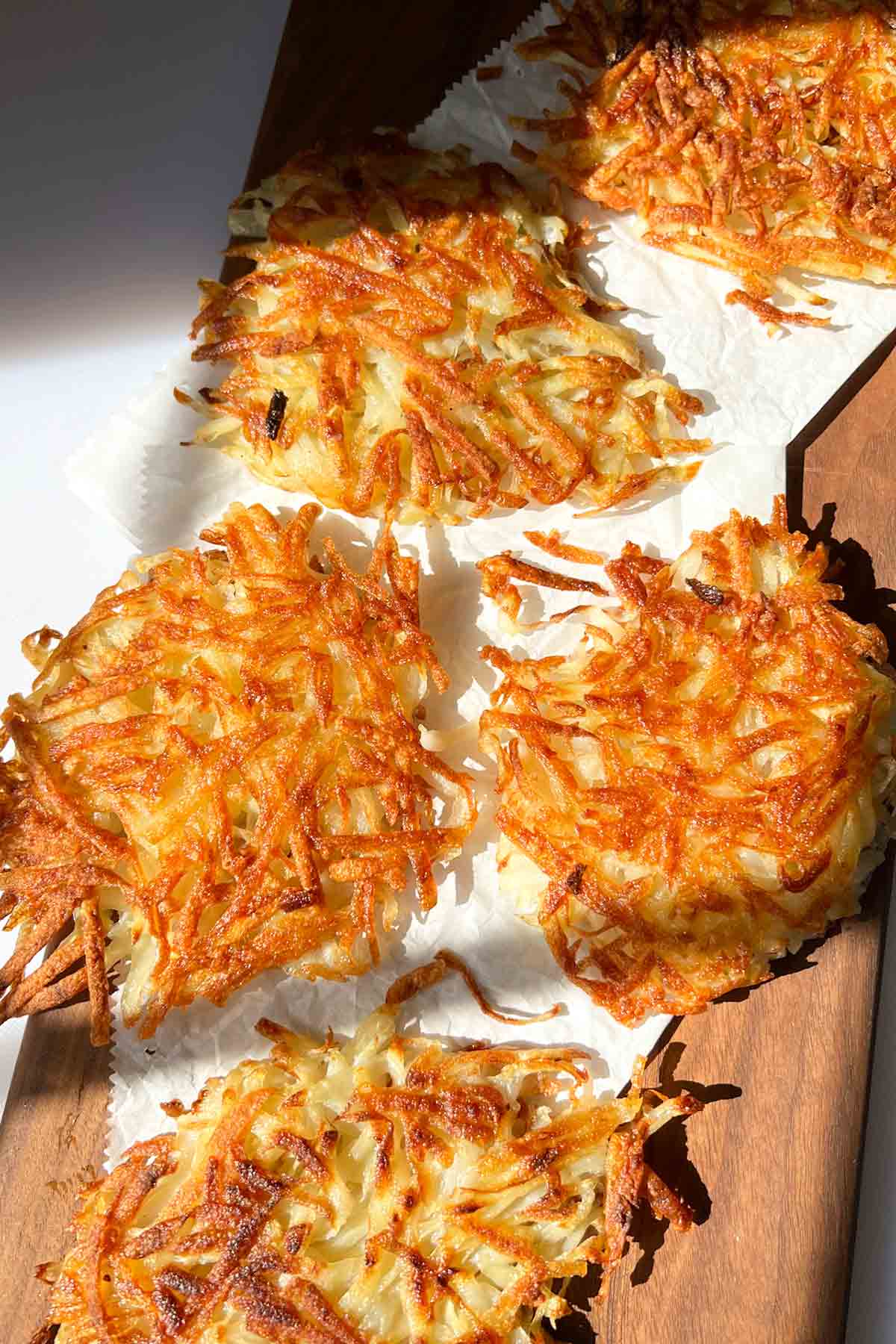
I first tasted a truly exceptional hash brown at a roadside diner. Its outside was shatteringly crisp, the inside fluffy and potato-y. Replicating that at home proved difficult, with many attempts yielding soggy, unevenly browned imitations.
A great hash brown is a textural masterpiece, demanding attention. Most home cooks struggle because they overlook subtle details, use the wrong potatoes, or misunderstand the role of starch.
Achieving restaurant-quality, ultra-crispy hash browns comes down to technique, not luck. This guide distills professional chef wisdom into a foolproof method to avoid soggy disappointments.
Potato Choice: It Matters More Than You Think
Russet potatoes are ideal for hash browns due to their high starch content, which is essential for a crispy exterior. They break down slightly when shredded, helping the hash browns bind together during cooking.
Yukon Golds have lower starch, yielding a creamier, more buttery hash brown that isn't as crispy as russets. A blend of 75% russet and 25% Yukon Gold balances texture and flavor.
Waxy potatoes, such as red or new potatoes, are not recommended. Their low starch content prevents crisping, resulting in a dense, gummy texture. Pre-shredded potatoes oxidize quickly, becoming mushy and grey, and lack the structure for proper crisping. Always shred your own potatoes.
The Cold Water Rinse: A Non-Negotiable Step
Rinsing shredded potatoes in cold water removes excess starch, which is crucial for crispness. Starch prevents proper browning and leads to a soggy, steamed result.
Place shredded potatoes in a large bowl, cover with cold water, and agitate to release starch. Drain and repeat three to five times, until the water runs clear.
Rinsing does not remove flavor; flavor comes from seasoning. Removing starch allows the potato flavor to be more prominent. Comparing rinsed and unrinsed potatoes shows a remarkable difference in texture and flavor.
7 Pro Chef Secrets for Ultimate Crisp
These seven techniques, honed by professional chefs, elevate hash browns beyond the ordinary. They build on proper potato selection and rinsing.
1. Dry, Dry, Dry: After rinsing, thoroughly dry the shredded potatoes. I recommend using a clean kitchen towel or cheesecloth. Excess moisture is the enemy of crispness. Squeeze out as much water as possible. This is critical. 2. The Right Fat: Butter adds flavor, but it burns easily. Clarified butter or ghee, with their higher smoke points, are excellent choices. High-smoke-point oils like avocado oil or refined coconut oil also work well. A blend of clarified butter and avocado oil offers the best of both worlds.
3. Don’t Overcrowd the Pan: This is a common mistake. Overcrowding lowers the pan temperature and leads to steaming, not frying. Work in batches. 4. Press It Down: Use a spatula to firmly press the shredded potatoes into a tight, even layer in the pan. This maximizes contact with the hot surface and promotes even browning. 5. Medium-High Heat: Too low, and the potatoes will steam. Too high, and they’ll burn before they’re cooked through. Medium-high heat is the sweet spot.
6. Season During Cooking: Don’t wait until the end to season. Season the potatoes while they’re cooking. This ensures the flavor is evenly distributed throughout. Kosher salt is preferred. 7. The Final Press: As the hash browns are nearing completion, give them one final, firm press with the spatula. This helps to create a beautifully browned, crispy crust. This step is often skipped but makes a huge difference.
Fat Choices: Beyond Butter
Butter has a low smoke point (around 302°F/150°C) and can burn easily. Clarified butter or ghee, with a smoke point around 482°F/250°C, is more stable for high-heat cooking. Vegetable and canola oils have high smoke points but lack butter's richness.
Avocado oil has a smoke point around 520°F/271°C and a mild flavor. A blend of 2 parts clarified butter to 1 part avocado oil provides both flavor and stability. Choosing the right fat is important for both flavor and health.
Troubleshooting Common Hash Brown Problems
Soggy hash browns usually result from insufficient starch removal or a pan that wasn't hot enough. Ensure thorough rinsing and proper pan preheating. Uneven cooking often occurs when potatoes aren't spread evenly; press them firmly with a spatula for uniform thickness.
Sticking to the pan suggests insufficient fat or an improperly seasoned pan. Use enough fat to coat the bottom generously. Burning indicates the heat is too high; reduce to medium-high and monitor closely. Some browning is desirable, but avoid blackening.
Experiment and adjust your technique based on your stovetop and pan. Practice and attention to detail will yield consistently crispy results.
Beyond the Basic: Flavor Variations
Beyond plain potatoes, adding ingredients like finely diced onions and bell peppers can elevate hash browns. Cheese, such as cheddar, Monterey Jack, or pepper jack, is also a popular addition.
For a Southwestern twist, add diced jalapenos and pepper jack cheese. An Irish-inspired version can include corned beef and shredded cabbage. Herbs like chives, parsley, or rosemary, and spices such as paprika, garlic powder, or onion powder add extra flavor.
Sweet potato hash browns are a delicious variation. Substitute sweet potatoes for russets and adjust seasoning; cinnamon or nutmeg complements their sweetness. Experiment to find your favorite combinations.
Diner-Style vs. Home-Style: What's the Difference?
Diner hash browns are consistently crispy and perfectly browned. Their flavor is often attributed to the equipment used, such as large flat-top grills that provide even heat distribution and are always hot due to high cooking volume.
Replicating the diner experience at home can be achieved with a cast iron skillet, which retains heat well and can be heated to high temperatures
Ultimately, while you may not be able to perfectly replicate the diner experience, you can get remarkably close by focusing on the techniques outlined in this article. With a little practice and attention to detail, you can enjoy restaurant-quality, ultra-crispy hash browns in the comfort of your own kitchen.

No comments yet. Be the first to share your thoughts!