
The secret to crispy hash browns
Perfect hash browns are hard to find. Most home versions end up as a soggy pile of grey starch rather than the crispy, golden cakes you get at a good diner. To get that crunch, you have to manage moisture and heat perfectly. I've spent years testing different graters and potatoes to figure out exactly how to stop them from steaming in the pan.
So many home cooks struggle to replicate that diner-quality crispness. Often, it comes down to moisture control and heat. Too much moisture, and you get steamed potatoes instead of fried ones. Insufficient heat, and the outside burns before the inside cooks through. This guide is designed to address those pitfalls and equip you with the knowledge to consistently produce hash browns that rival your favorite breakfast spot.
We'll move beyond simply grating potatoes and explore the nuances of shredder types, potato selection, washing techniques, and cooking methods. We’ll break down the science behind achieving that ideal crisp-to-fluff ratio, and I’ll share insights gleaned from years of testing and observation. This isn't a collection of recipes; it's a masterclass in hash brown construction.
Choosing your shredder
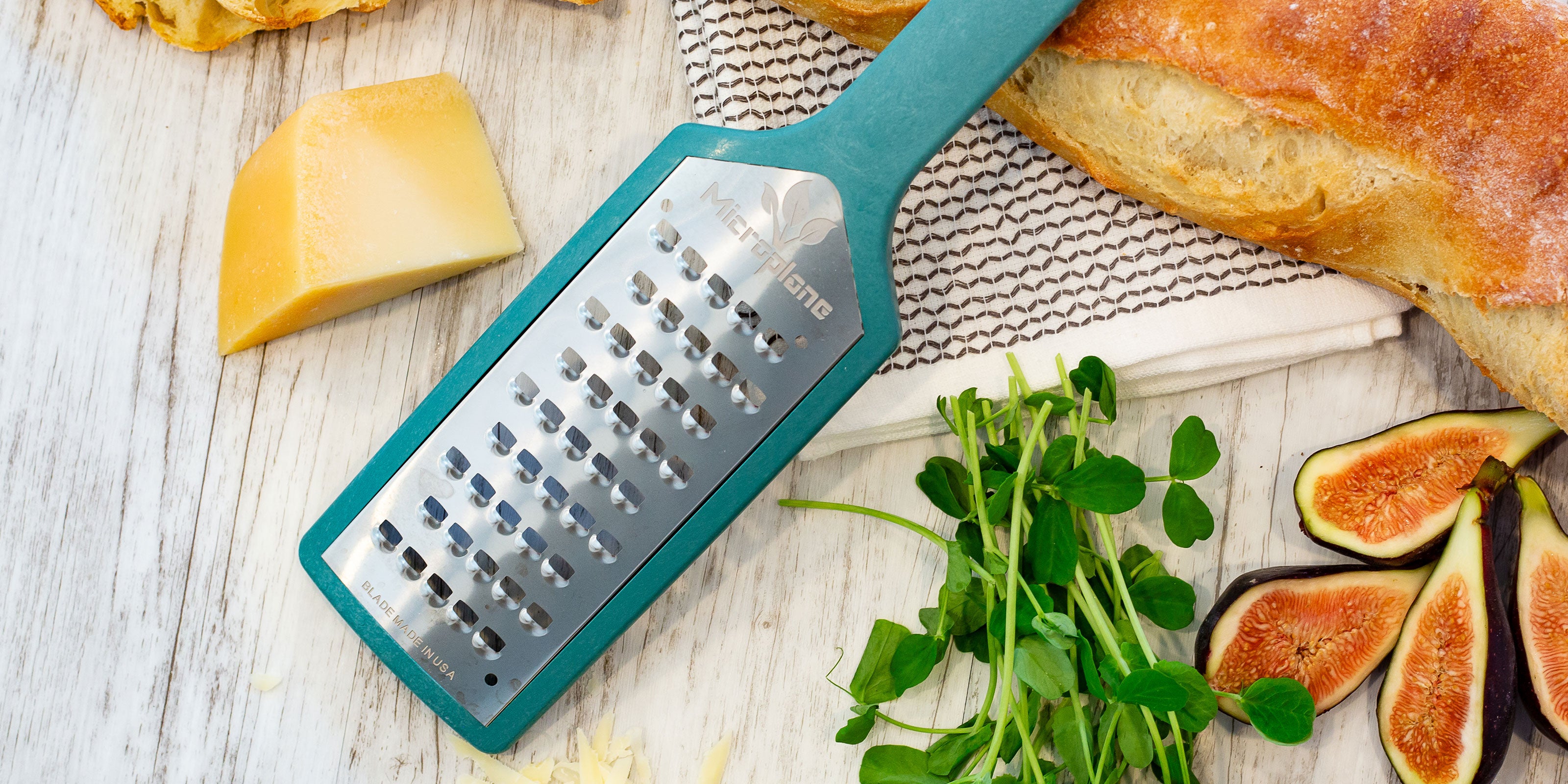
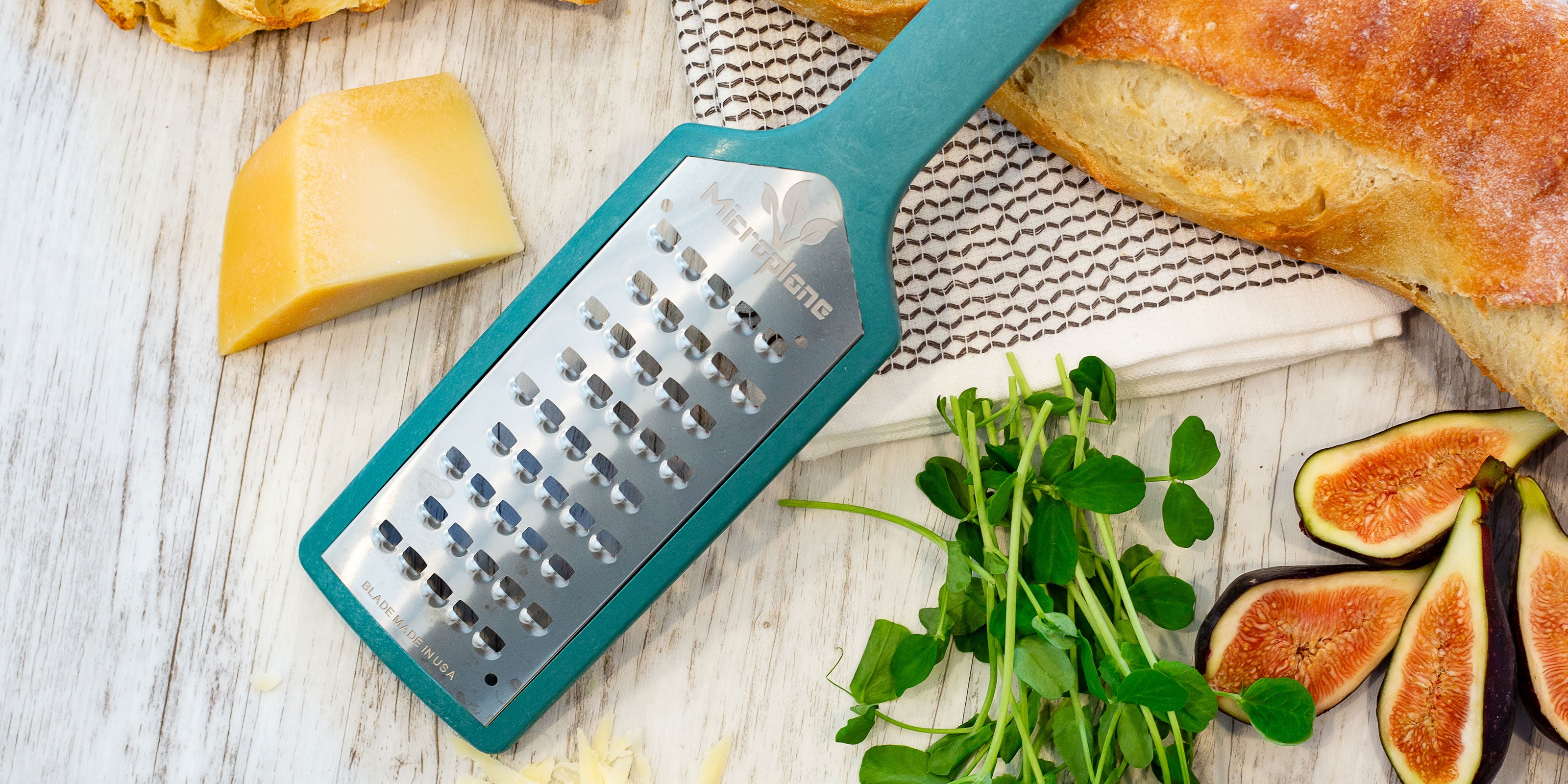
The first step towards superior hash browns is choosing the right tool for the job. There’s a surprising amount of variety when it comes to potato shredders, each with its own strengths and weaknesses. Let’s look at the most common options: box graters, mandolines, electric shredders, and food processors.
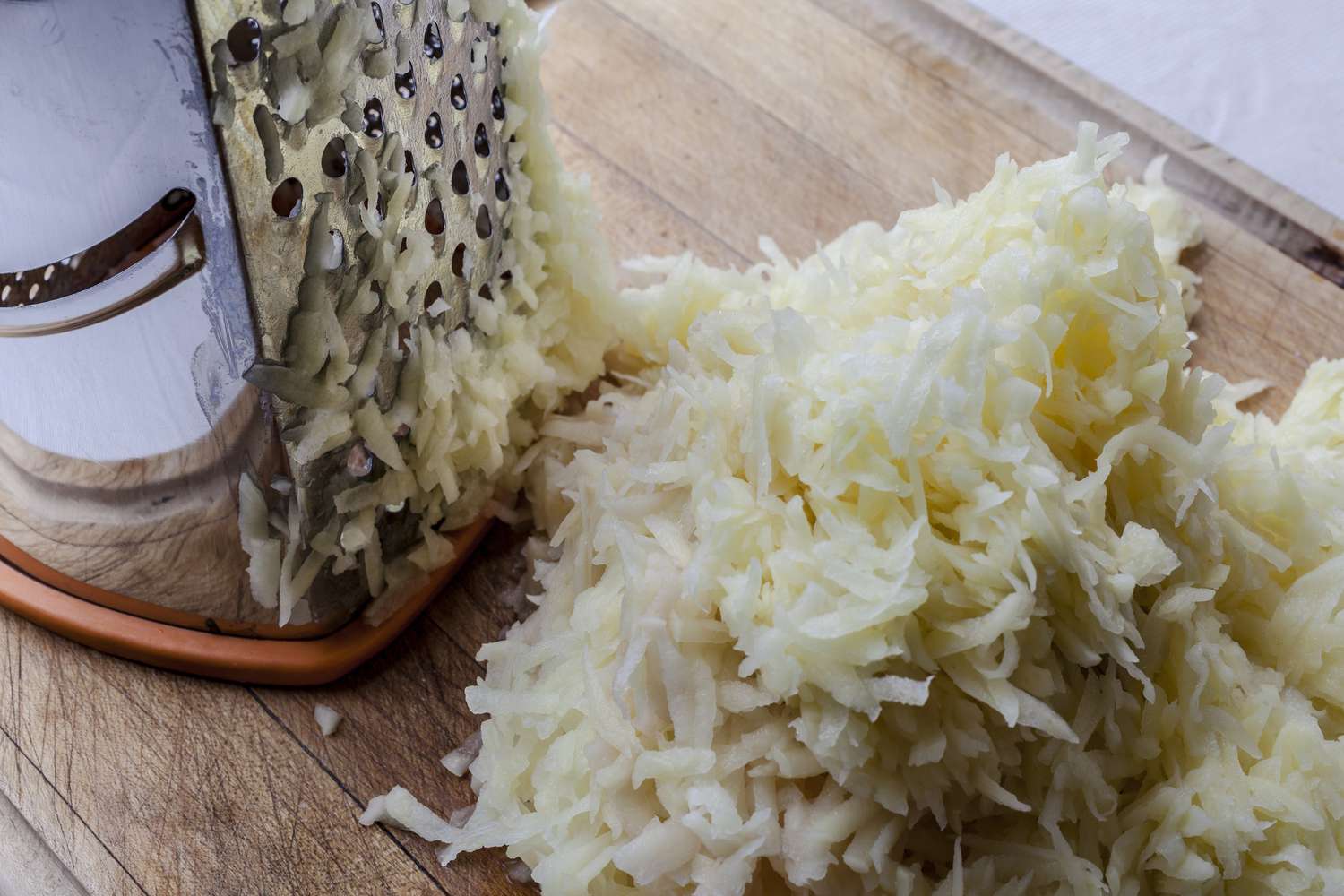
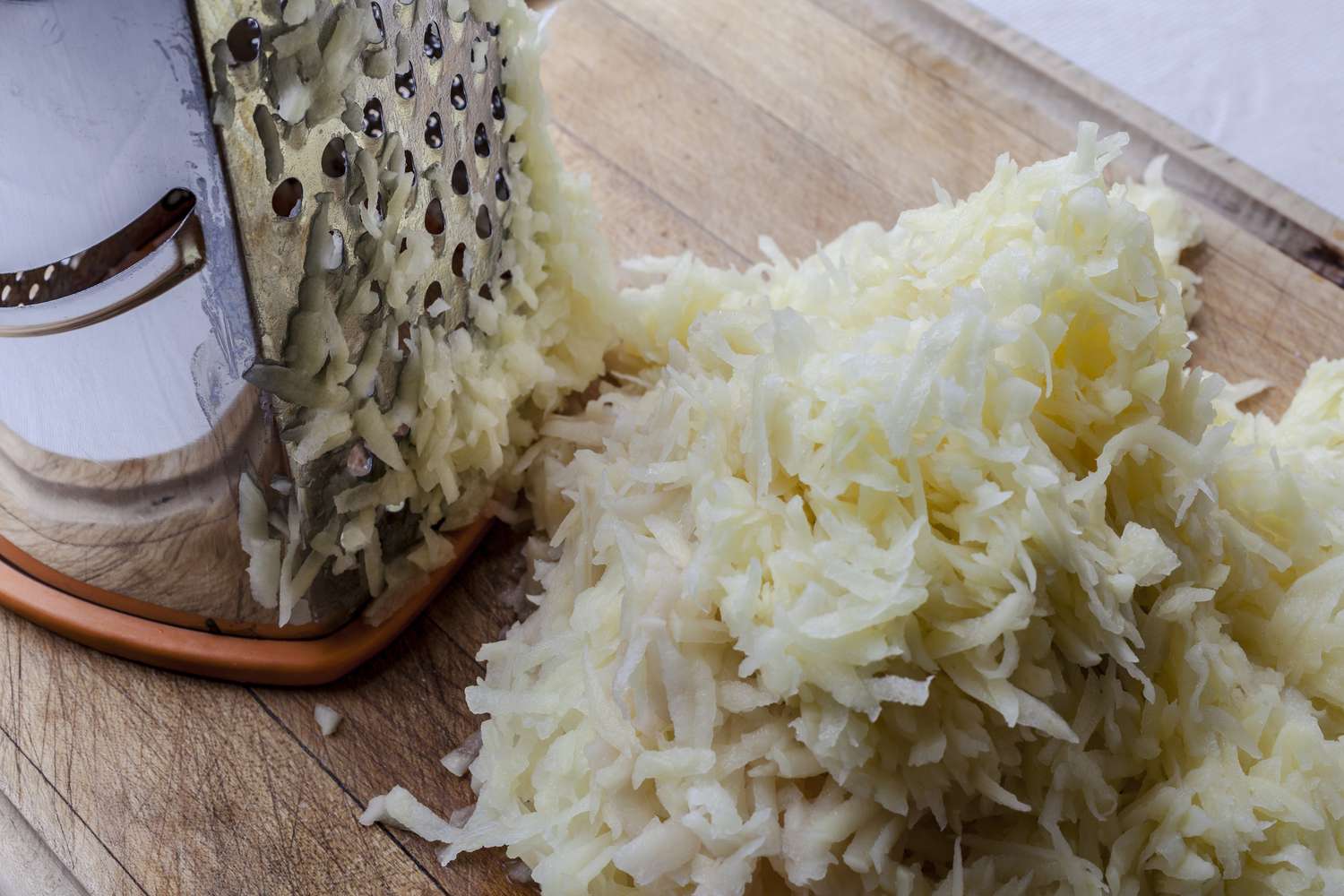
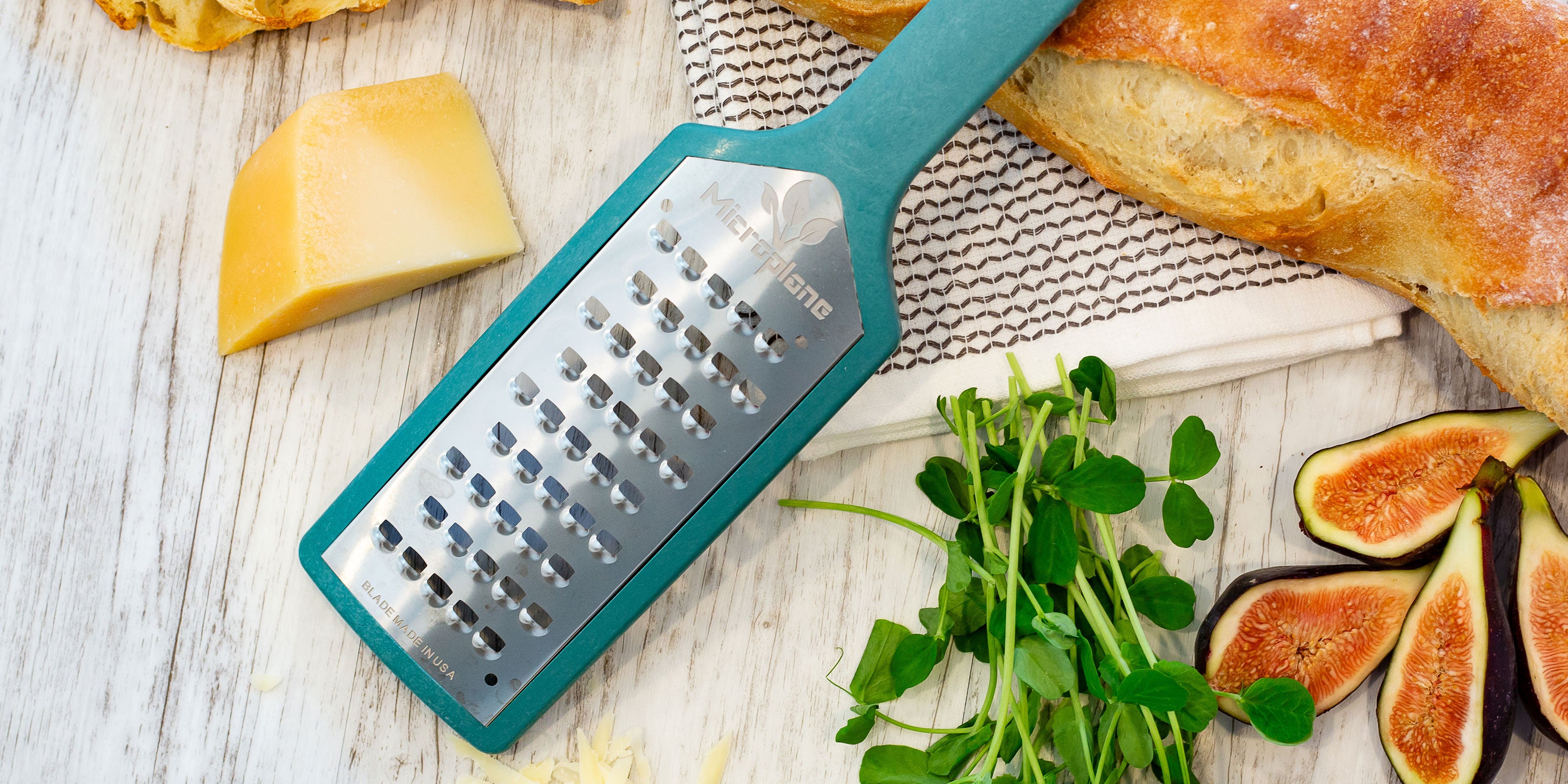
A standard box grater is the cheapest way to start. It doesn't need a power outlet, but it's a workout if you're feeding more than two people. The shreds can be a bit ragged, which actually helps with crisping, though you have to watch your knuckles.
Mandolines with shredding blades offer greater consistency and speed than box graters. They require more careful handling – safety guards are essential – but the results are worth the effort. The shred size is usually adjustable, allowing you to tailor it to your preference. Cleaning can be somewhat tedious, though.
Dedicated electric potato shredders are designed specifically for this task. They're fast and efficient, but can be bulky and expensive. Their performance varies widely depending on the model; some produce excellent shreds, while others are prone to mushiness. An example of this is the amzchef slicer/shredder attachment with an included instruction manual.
Food processors, while versatile, aren’t always the best choice for hash browns. The shredding disc can sometimes produce uneven results, and it’s easy to over-process the potatoes, leading to a gummy texture. They work best with waxy potatoes, where a slightly finer shred is acceptable.
- Box graters are cheap and reliable but slow for big groups.
- Mandolines give you perfectly even strips if you use the safety guard.
- Electric Shredder: Fastest, most efficient, can be bulky and expensive, performance varies.
- Food Processor: Versatile, potentially uneven results, risk of over-processing.
Potato Shredder Comparison: Choosing the Right Tool for Hash Browns
| Ease of Use | Speed | Consistency | Cleaning Difficulty | Best For |
|---|---|---|---|---|
| High effort, good control | Slow | Variable, depends on technique | Moderate | Small batches, precise shred size preference |
| Fast, requires practice | Fast | Generally consistent with blade quality | Moderate to High (many parts) | Larger batches, uniform julienne or shred |
| Very easy, less control | Moderate to Fast | Less consistent, can produce mushy results | Easy | Quick shredding, less emphasis on texture |
| Easy, versatile | Moderate | Good, with appropriate blade selection | Moderate | Multi-purpose kitchen tool, variable shred sizes |
| Moderate effort | Moderate | Consistent, but can be time-consuming for large batches | Easy | Achieving a traditional, slightly coarse shred |
Qualitative comparison based on the article research brief. Confirm current product details in the official docs before making implementation choices.
The best potatoes for the job
Not all potatoes are created equal in the hash brown arena. Starchy potatoes, like Russets, are generally considered the gold standard. Their high starch content results in a fluffier interior and a crispier exterior. They readily absorb fat during frying, contributing to that desirable texture.
However, waxy potatoes, such as Yukon Golds, can also be used, but they require a slightly different approach. Their lower starch content means they won’t get as fluffy, so you’ll need to focus on maximizing surface area and ensuring thorough drying. A finer shred and a longer cooking time are often necessary.
Other potato types, like red potatoes, are less ideal. They have a relatively low starch content and a high moisture content, which makes it difficult to achieve that coveted crispiness. While they can be used in a pinch, the results will likely be underwhelming. The key is understanding the potato’s inherent properties and adjusting your technique accordingly.
The Serious Eats Method: Shredding & Washing
Serious Eats’ approach to hash browns, detailed in their crispy shredded hash brown recipe, places significant emphasis on the shredding and washing process. It’s not enough to simply grate the potatoes; you need to pay attention to shred size and starch removal. The goal is to create shreds that are uniform in size – not too fine, not too coarse – allowing for even cooking and optimal crispness.
The washing step is absolutely critical. Shredded potatoes release a considerable amount of starch, and this starch inhibits crisping. Thoroughly rinsing the shredded potatoes under cold water removes the excess starch, resulting in a lighter, crispier hash brown. Continue washing until the water runs clear. This may take several rinses.
Preventing oxidation (discoloration) is also important. Potatoes oxidize when exposed to air, turning an unappetizing grey color. To minimize this, work quickly and keep the shredded potatoes submerged in cold water until you’re ready to cook them. A splash of lemon juice or vinegar can also help slow down oxidation, though it may subtly affect the flavor.
I use the medium-hole side of a grater. If the shreds are too thin, they turn into a gummy paste. If they're too thick, the middle stays raw while the outside burns. Rinse them in a bowl of cold water at least three times. You'll see the water go from cloudy to clear—that's how you know the surface starch is gone.
Adding more flavor
While the potato is the star, don't underestimate the impact of flavor additions. Finely minced onion and garlic are classic additions, adding depth and aroma. Incorporate them directly into the shredded potato mixture before cooking. Fresh herbs, like rosemary or thyme, can also elevate the flavor profile.
Spices, such as paprika or cayenne pepper, can add a subtle kick. Experiment with different combinations to find your preferred level of heat. Cheese, particularly cheddar or parmesan, can be added during the last few minutes of cooking, creating a gooey, savory element. Be mindful that cheese can affect the texture, making the hash browns slightly less crispy.
The choice of fat also plays a role. Clarified butter offers a high smoke point and a rich, nutty flavor. Vegetable oil is a more neutral option, allowing the potato flavor to shine through. I’ve experimented with both and found that clarified butter yields a more flavorful result, but it’s a matter of personal preference.
Cooking Techniques: Heat & Fat
The cooking method significantly impacts the final result. Skillet frying is the most traditional method, offering excellent control and the potential for maximum crispness. However, it requires constant attention to ensure even cooking and prevent burning. A cast iron skillet is often recommended for its heat retention properties, but a heavy-bottomed stainless steel skillet will also work.
Baking offers a more hands-off approach, but it's more difficult to achieve the same level of crispness as skillet frying. The potatoes tend to steam more than fry, resulting in a softer texture. Using a higher oven temperature and spreading the potatoes in a thin layer can help improve crispness.
Air frying is a relatively new method that offers a good balance of convenience and crispness. It requires less oil than skillet frying and is relatively quick. However, the results can vary depending on the air fryer model. Overcrowding the air fryer will lead to soggy hash browns.
Regardless of the method, high heat is essential for achieving crispiness. The goal is to create a Maillard reaction – the chemical reaction between amino acids and reducing sugars that gives browned food its distinctive flavor. Sufficient fat is also crucial, as it conducts heat and helps create a crispy exterior. Avoid overcrowding the pan or air fryer, as this will lower the temperature and result in steamed potatoes.
Shredder Standouts for 2026
Based on the principles discussed, a few shredders stand out as particularly well-suited for hash brown production. The OXO Good Grips V-Blade Mandoline Slicer consistently delivers uniform shreds and offers adjustable thickness settings. Its safety features are also commendable.
For those seeking a more affordable option, the Mueller Austria Box Grater provides a reliable and versatile shredding solution. While it requires more manual effort, it’s a solid choice for smaller batches. Finally, the Cuisinart FP-13D Elemental 13-Cup Food Processor offers convenience and versatility, particularly for those who also want to use it for other kitchen tasks.
These aren’t necessarily the "best" shredders overall, but they represent a good balance of performance, features, and price, and they align well with the techniques for achieving truly exceptional hash browns. The key is to choose a tool that helps you control shred size, remove starch, and ultimately, create the crispy, fluffy hash browns you deserve.
No comments yet. Be the first to share your thoughts!