
What makes a good frozen potato
We often toss the term 'hash brown' around, but what actually defines one? It's more specific than you might think. The USDA’s Agricultural Marketing Service provides detailed grading standards for frozen hash brown potatoes, outlined in their standards released March 27, 2026. These standards aren’t just about appearance; they dictate acceptable potato varieties, shred characteristics, and even defect levels.
According to the USDA, acceptable potatoes include Russet, Burbank, and other similar varieties with a high starch content. The ideal shred size is critical – not too fine, which leads to mushiness, and not too coarse, which results in uneven cooking. They specify a maximum of 10% by weight of “foreign material” and limitations on defects like bruising and greening. This impacts the final product significantly.
A truly good hash brown isn't just about achieving crispiness; it starts with a quality base. Many frozen options utilize potato 'byproducts' – skins, ends, and pieces unsuitable for other processing. These can produce a less-than-ideal texture. While convenience is key, being selective about the brand you choose can dramatically improve your breakfast. Don’t assume all frozen hash browns are created equal; some are simply better starting points than others.
I’ve found that brands advertising 100% potato content, even if slightly more expensive, consistently yield a superior result. They tend to hold their shape better during cooking and develop a more satisfying, golden-brown crust. It’s a small investment that pays off in flavor and texture. Ignoring these standards, and the quality of the starting product, is a mistake many home cooks make.
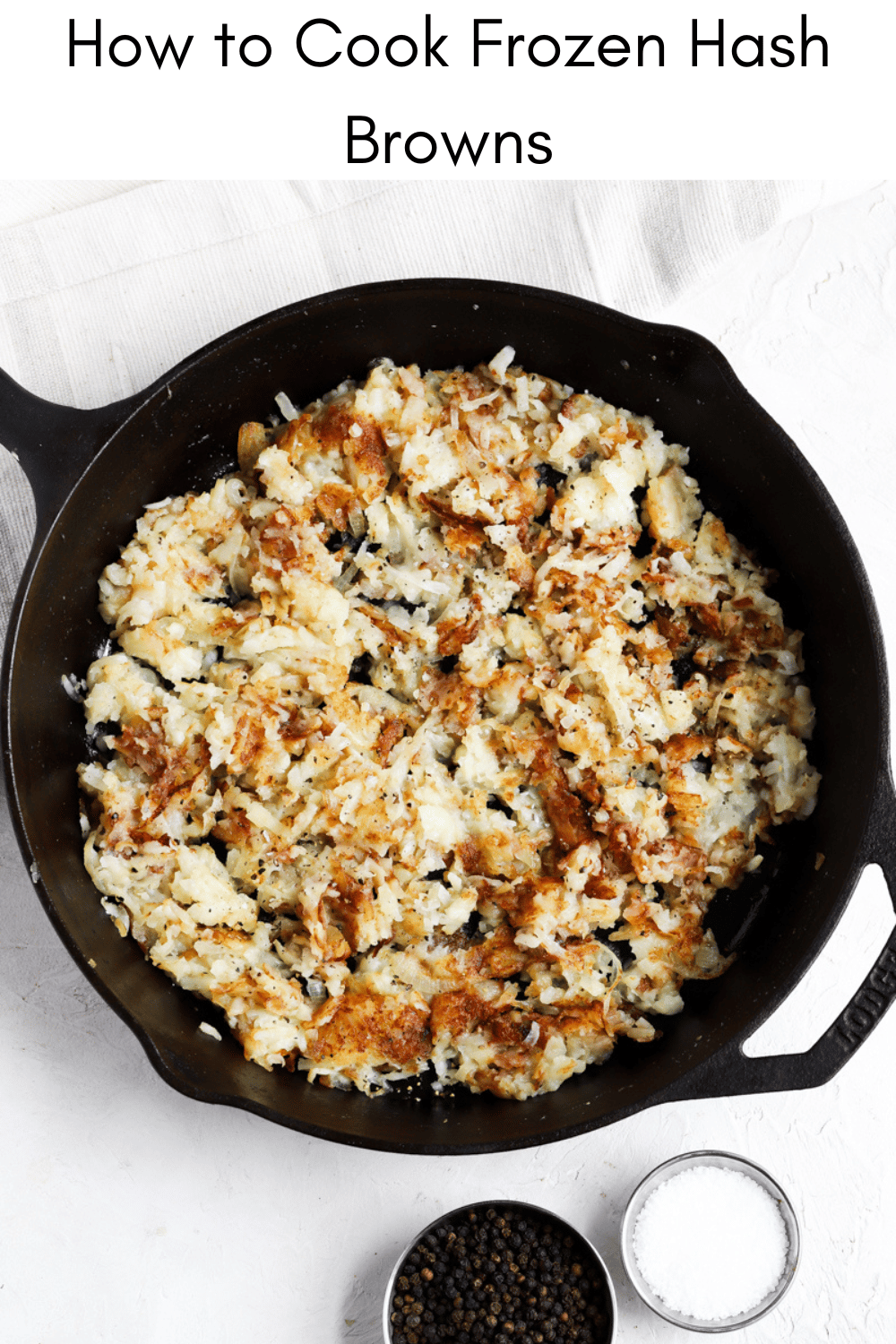
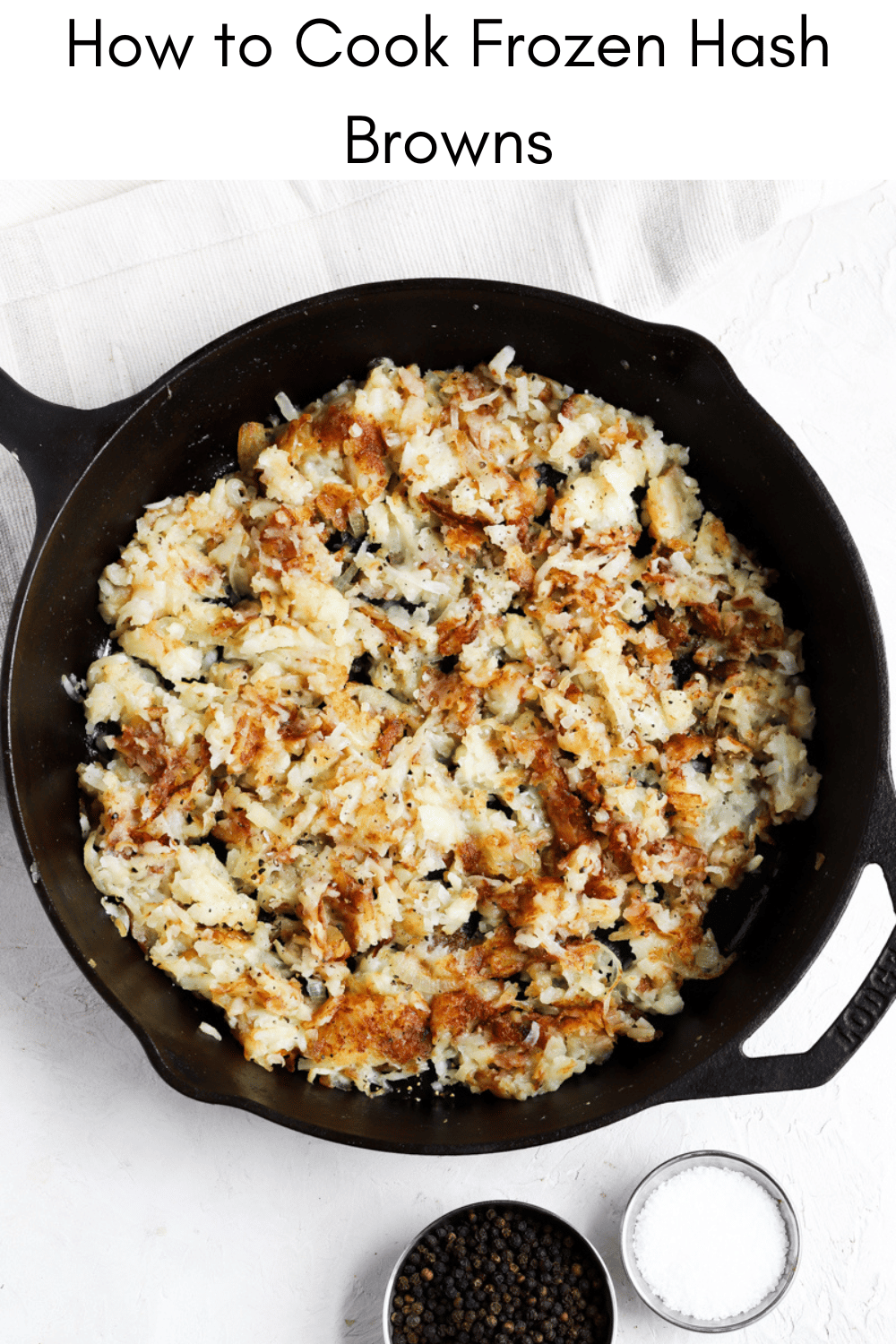
The 5-minute skillet method
Achieving crispy hash browns in under five minutes is entirely possible, but it requires understanding heat control. Medium-high heat is the sweet spot, but this varies significantly based on your stove. Electric coils run differently than gas or induction, so experimentation is necessary. The goal is to create a hot surface without immediately burning the potatoes.
Stick to avocado or canola oil. They handle the high heat without smoking out your kitchen. Clarified butter is even better if you want that diner flavor without the milk solids burning. I usually avoid olive oil here—it breaks down too fast and tastes bitter when it hits a hot pan.
A non-stick skillet or a well-seasoned cast iron pan is essential. A poorly seasoned pan will result in sticking and uneven cooking. I’ve spent countless mornings scraping burned potato bits off inferior cookware. Once the pan is hot, add about a tablespoon of oil and then spread the frozen hash browns in a single layer. Resist the urge to overcrowd the pan; this will steam the potatoes instead of crisping them.
Let the hash browns cook undisturbed for approximately 2-3 minutes, then flip. Continue cooking for another 2-3 minutes, pressing down gently with a spatula to ensure even contact with the hot surface. This constant pressure helps develop that desirable golden-brown crust. My biggest takeaway after years of testing? Patience is key, even in a 5-minute recipe.
- Heat skillet over medium-high heat.
- Add 1 tablespoon oil (avocado, canola, or clarified butter).
- Spread frozen hash browns in a single layer.
- Cook undisturbed for 2-3 minutes.
- Flip and cook for 2 more minutes, pressing down with a spatula to maximize crust contact.
Better seasonings than salt and pepper
Don't limit yourself to salt and pepper! A quick flavor boost can elevate your hash browns from good to exceptional. Smoked paprika and garlic powder are a classic combination, adding a smoky depth. Cajun spice blends provide a fiery kick, perfect for those who like a little heat.
Everything bagel seasoning is surprisingly effective, offering a savory, oniony, and seedy flavor. A dash of onion salt can also add a concentrated onion flavor. I'm a big proponent of experimenting with different spice combinations to find your personal preference. I find that a little goes a long way.
Consider the inherent flavor of the potato. Russet potatoes are relatively neutral, making them a great canvas for bolder seasonings. Yukon Gold potatoes have a slightly buttery flavor, which complements milder spices. Adjust your seasoning accordingly. A pinch of cayenne pepper adds a subtle heat that balances the richness of the potato.
Beyond the Skillet: Air Fryer Advantage
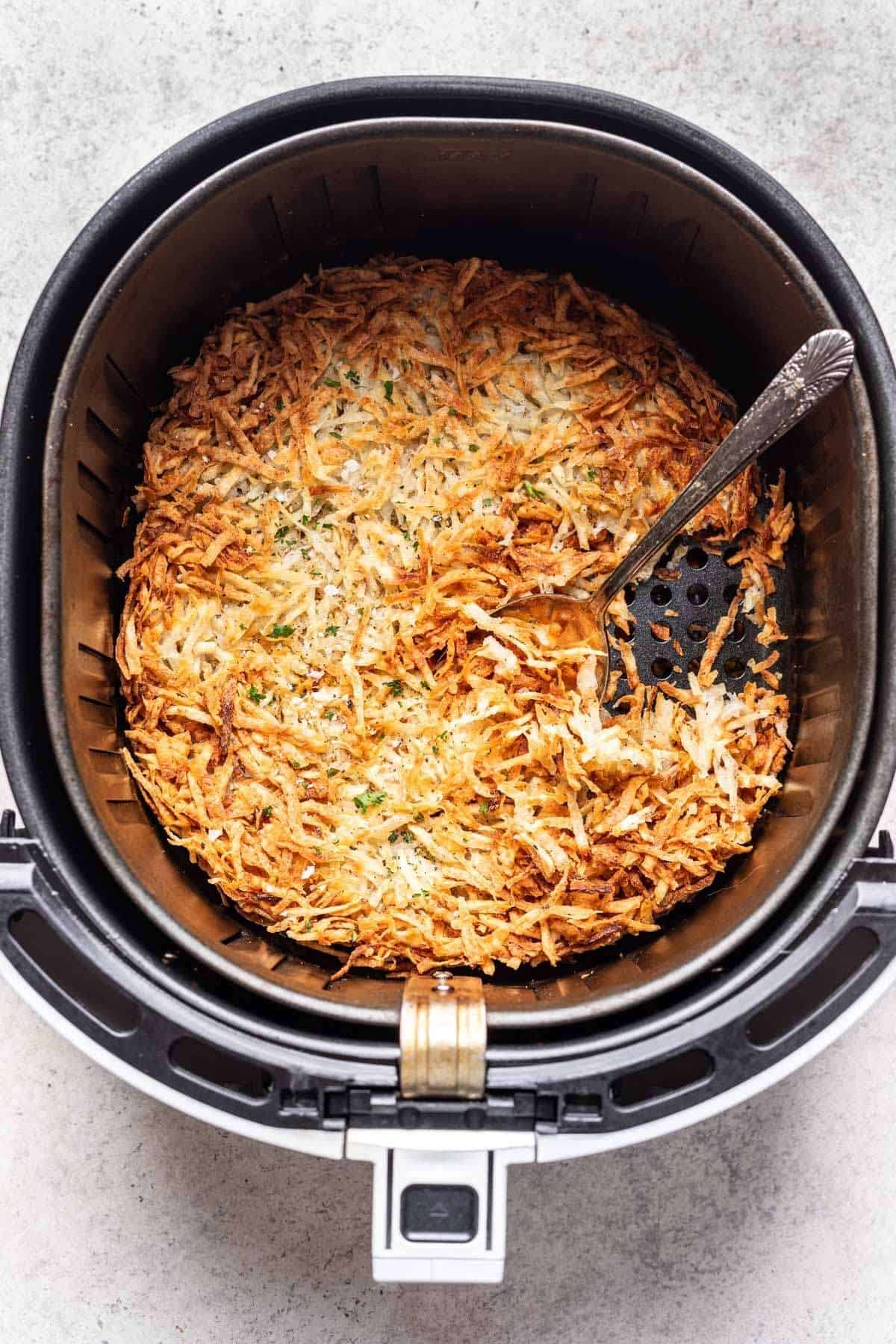
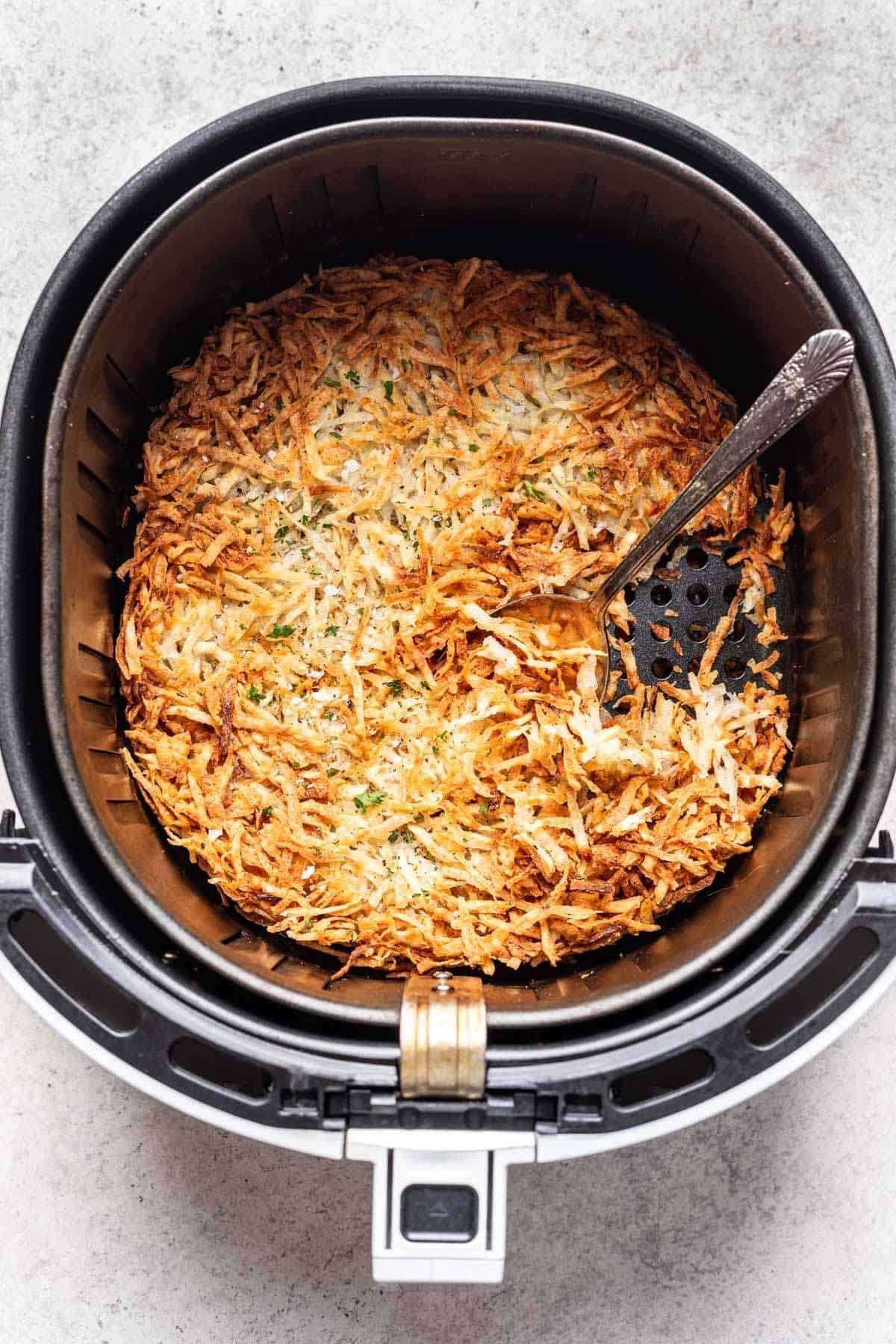
The air fryer is actually better than the skillet if you want zero effort. The hot air hits every angle of the shreds, so you get a crunch that's hard to mimic in a pan without using a ton of oil.
The optimal air fryer settings are typically 380-400°F (193-204°C) for 8-12 minutes, shaking the basket halfway through. However, air fryer models vary, so experimentation is crucial. Start with 8 minutes and add more time as needed. The key is to prevent sticking, which is a common issue.
To avoid sticking, lightly spray the air fryer basket with cooking oil before adding the hash browns. Don’t overcrowd the basket; work in batches if necessary. Air frying concentrates the potato flavor, so you might need less seasoning than you would with skillet frying. I've found that a light sprinkle of salt and pepper is often sufficient.
Sauce Boss: Perfect Pairings
Hash browns are a blank canvas, begging for a flavorful accompaniment. Classic ketchup is a reliable choice, but don’t stop there. Sriracha mayo adds a creamy heat, while chipotle aioli provides a smoky, spicy kick. Hollandaise sauce, even a quick cheat version made with a packet mix, elevates hash browns to breakfast luxury.
A simple sour cream and chive dip offers a cool, tangy contrast. I'll admit to a slightly controversial preference: hash browns and maple syrup are an unexpectedly delicious combination. The sweetness complements the savory potato flavor in a way that's surprisingly satisfying. Don't knock it 'til you try it!
Consider the overall flavor profile of your breakfast. If you're pairing hash browns with spicy sausage, a cooling sauce like sour cream might be ideal. If you're opting for a sweeter breakfast, maple syrup or a fruit-based jam could be a better fit. Don’t be afraid to think outside the box.
Sauce Pairing Matrix for Frozen Hash Browns
| Sauce | Sweet | Spicy | Smoky | Rich | Tangy |
|---|---|---|---|---|---|
| Ketchup | High | Low | Low | Medium | Medium |
| Sriracha Mayo | Medium | High | Low | Medium | Medium |
| Chipotle Aioli | Low | Medium | High | High | Medium |
| Hollandaise | Low | Low | Low | High | Low |
| Sour Cream & Chive | Low | Low | Low | Medium | High |
Illustrative comparison based on the article research brief. Verify current pricing, limits, and product details in the official docs before relying on it.
Level Up: Add-Ins for Serious Flavor
Transform hash browns from a simple side dish to a satisfying main event by incorporating add-ins during the cooking process. Diced onions and peppers add sweetness and texture. Cooked bacon or sausage crumbles provide a smoky, savory flavor. Shredded cheese, such as cheddar or Monterey Jack, adds richness and gooeyness.
Jalapeños introduce a spicy kick. Timing is crucial when adding ingredients. Onions and peppers should be added at the beginning of cooking to soften them. Bacon or sausage crumbles can be added halfway through. Cheese should be added during the last minute to prevent burning. I’ve learned the hard way that cheese burns very quickly.
Experiment with different combinations. Chorizo and pepper jack cheese create a spicy, flavorful hash brown. Spinach and feta cheese offer a Mediterranean twist. The possibilities are endless. Remember to adjust the cooking time slightly when adding ingredients, as they may require a little extra heat to cook through.
How to fix soggy or burnt potatoes
Soggy hash browns are often the result of too low heat or overcrowding the pan. Ensure the skillet is hot before adding the potatoes and work in batches if necessary. Burning indicates either too high heat or too much sugar in your seasoning. Reduce the heat or adjust the seasoning accordingly. Don’t walk away!
Sticking is usually caused by insufficient oil or a poor-quality pan. Use enough oil to coat the bottom of the pan and ensure your skillet is non-stick or well-seasoned. If the hash browns are still sticking, try adding a little more oil or lowering the heat slightly. It’s frustrating, but solvable.
Building confidence is about understanding these common pitfalls and knowing how to avoid them. Don’t be afraid to experiment and learn from your mistakes. Hash browns are surprisingly forgiving. The goal is to have fun and enjoy a delicious breakfast. I want you to feel empowered to experiment.

No comments yet. Be the first to share your thoughts!