
Beyond Potatoes: The Keto Hash Brown Problem
Potatoes are the biggest hurdle for a keto breakfast. One medium potato has about 30 grams of net carbs, which is more than most people eat in a whole day on this diet. If you want that crunch without the insulin spike, you have to swap the starch for something that behaves similarly under heat.
The rise of the keto diet, with its focus on high fats and very low carbohydrates, has created a real demand for satisfying alternatives. People don’t want to give up their favorite foods; they want to recreate them in a way that aligns with their dietary goals. This isn’t about deprivation, it’s about ingenuity.
You don't have to give up the texture. By using high-fiber root vegetables or cruciferous plants, you can get close to the original mouthfeel. The trick is managing water content and choosing the right binder.
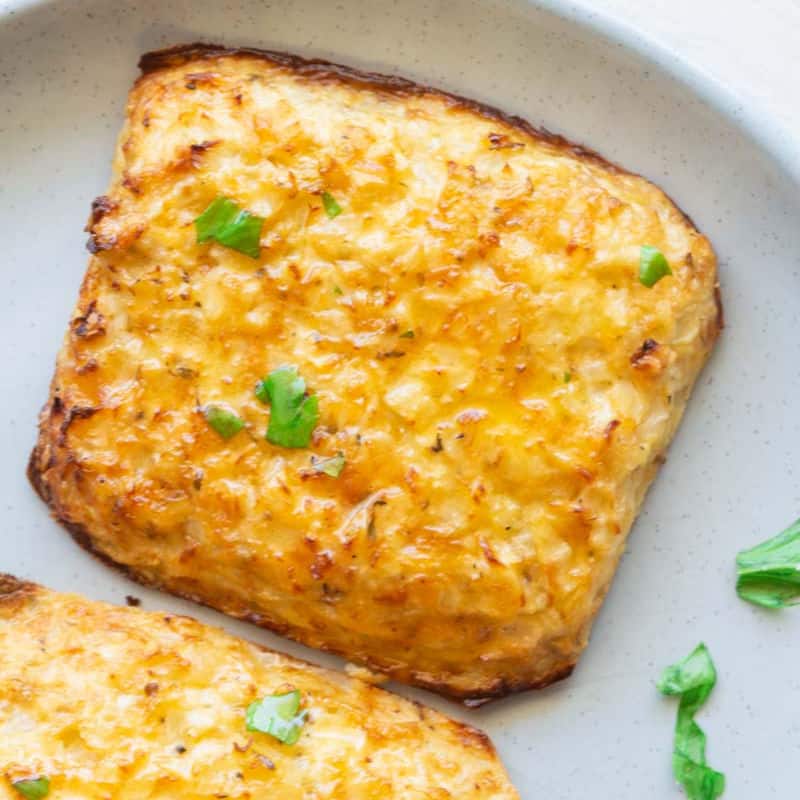
cauliflower is the standard for a reason
When it comes to keto hash brown substitutes, cauliflower consistently comes out on top. Its relatively neutral flavor makes it a blank canvas for seasonings, and its texture, when prepared correctly, can mimic the fluffiness of potatoes. However, that neutral flavor can also be a drawback if you’re not willing to put in the effort to build flavor.
The absolute key to successful cauliflower hash browns is removing as much moisture as possible. Cauliflower is naturally quite watery, and excess moisture will result in soggy, steamed hash browns instead of crispy, golden-brown ones. Grating the cauliflower and then squeezing it dry using a clean kitchen towel or cheesecloth is paramount. Don’t skimp on this step.
The Big Man's World uses a base of cauliflower, egg, and cheese. It works, but it's bland. I prefer adding garlic powder and smoked paprika to the mix. The most important part isn't the spice, though—it's the prep. If the cauliflower is even slightly damp, you're making mash, not hash browns.
Different techniques for moisture removal exist. Some people prefer to steam the grated cauliflower briefly, then press it dry. Others swear by spreading it thinly on a baking sheet and letting it air dry in the refrigerator for 30 minutes. Experiment to find what works best for you, but always prioritize dryness.
- Grate the cauliflower using a box grater or food processor.
- Place the grated cauliflower in a clean kitchen towel or cheesecloth.
- Squeeze out as much moisture as possible. Repeat until very dry.
- Proceed with your recipe.
using turnips for a potato-like bite
While cauliflower often steals the spotlight, turnip deserves serious consideration as a keto hash brown alternative. It’s a root vegetable, like a potato, but significantly lower in carbohydrates. Its flavor is distinct – slightly peppery and a little bit sweet – but it’s surprisingly versatile.
Preparing turnips for hash browns is similar to preparing cauliflower. Peel the turnip, then grate it using a box grater. The texture will be a bit denser than grated cauliflower. Like cauliflower, moisture removal is crucial, though turnips generally release less water.
Some people find turnips to have a slightly bitter aftertaste. This can be mitigated by pairing them with strong flavors. Don't be afraid to be generous with your seasonings, and consider adding ingredients like bacon or chorizo to balance the bitterness. A touch of sweetness, like a tiny pinch of maple extract (used sparingly to avoid carbs), can also help.
Don’t dismiss turnips out of hand. They offer a different flavor profile than cauliflower, and some people actually prefer it. It's worth experimenting to see if it suits your palate. It's a fantastic way to add variety to your keto breakfast rotation.
air fryer vs. pan-fry
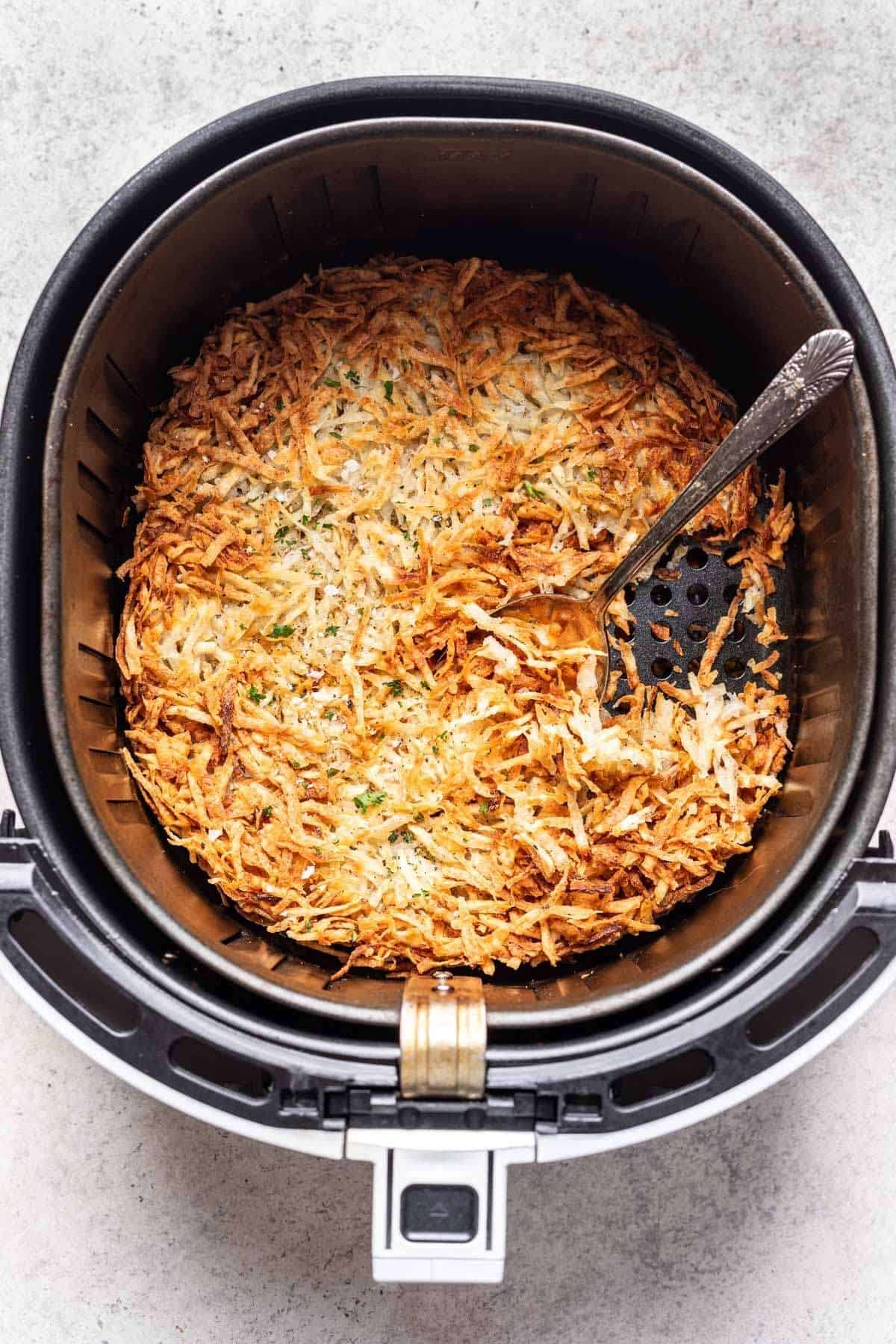
Both air frying and pan-frying are effective methods for cooking keto hash browns, but they produce slightly different results. Air frying generally yields crispier hash browns with less oil, while pan-frying offers more control over browning and allows for a deeper, more even crust. The choice depends on your preferences and equipment.
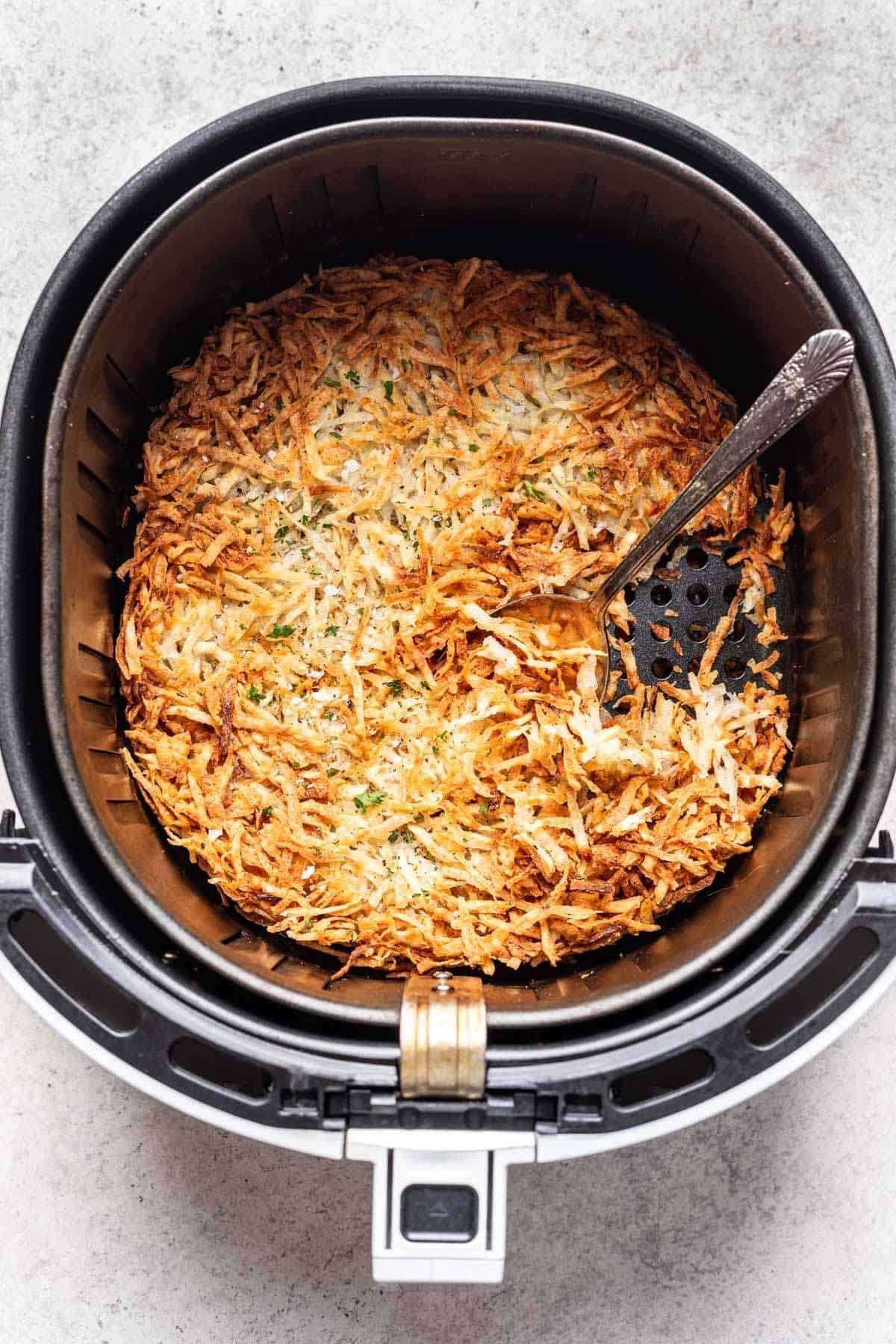
Air frying is incredibly convenient. Simply toss the prepared hash brown mixture with a little oil, spread it in a single layer in the air fryer basket, and cook at 375°F (190°C) for 15-20 minutes, flipping halfway through. The circulating air ensures even cooking and maximum crispiness.
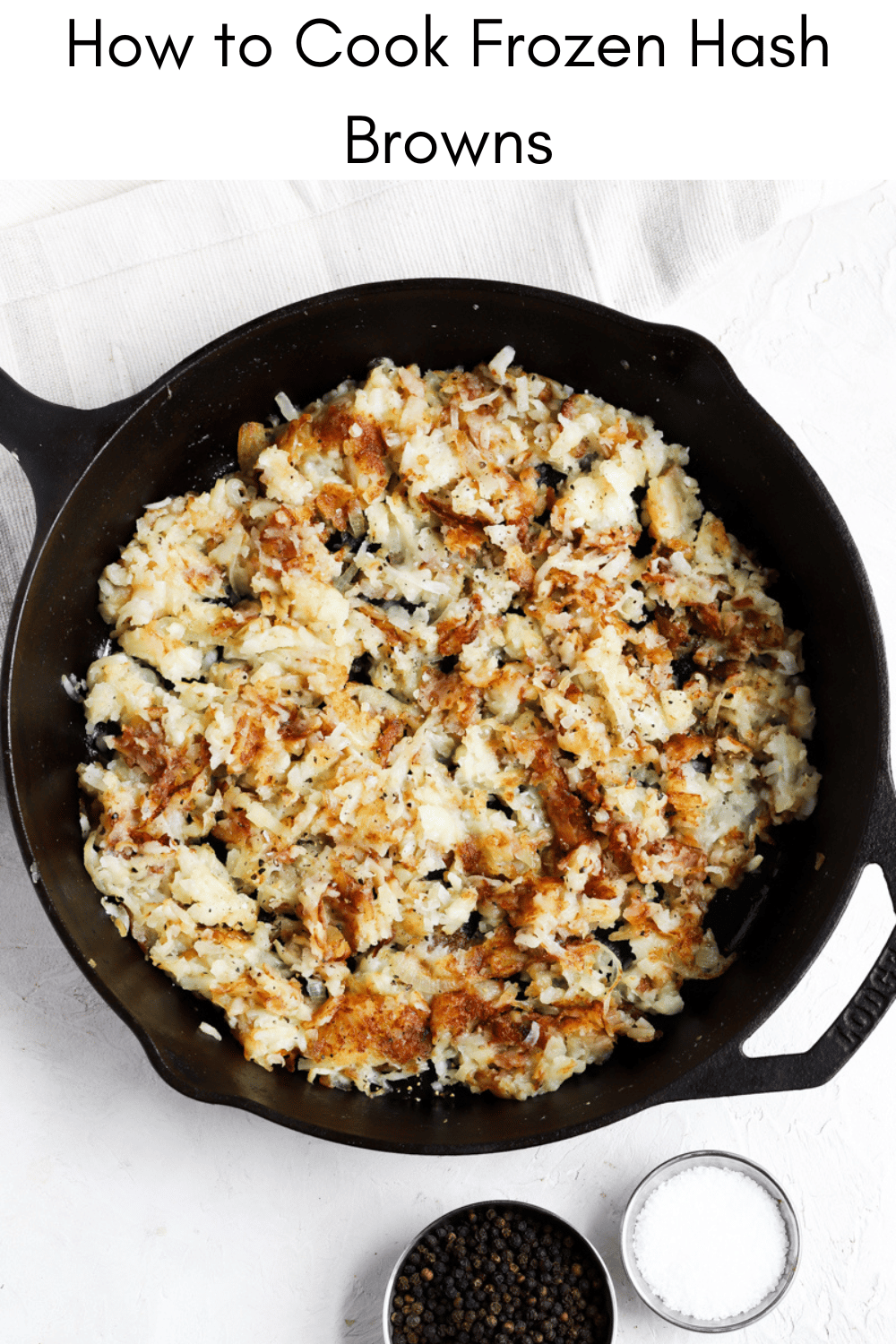
Pan-frying requires a bit more attention. Heat a tablespoon or two of oil (avocado oil or coconut oil work well) in a non-stick skillet over medium heat. Spread the hash brown mixture evenly in the skillet and cook for 5-7 minutes per side, or until golden brown and crispy. Lara Clevenger (laraclevenger.com) recommends pressing down on the hash browns while they cook to ensure even contact with the pan.
To maximize crispiness when pan-frying, avoid overcrowding the skillet. Cook in batches if necessary. Also, resist the urge to move the hash browns around too much – let them sit undisturbed to develop a good crust. For air frying, ensuring a single layer is key. Don't overlap the mixture.
Flavor Booster Combos
- Classic Breakfast - Everything Bagel Seasoning, finely chopped chives, garlic powder, a pinch of sea salt, and a dash of black pepper.
- Spicy Kick - Chipotle powder, smoked paprika, cayenne pepper, a squeeze of lime juice, and finely diced jalapeño.
- Cheesy Goodness - Shredded cheddar cheese, grated Parmesan cheese, garlic powder, onion powder, and a sprinkle of Italian seasoning.
- Savory & Smoky - Smoked sea salt, onion powder, garlic powder, a touch of liquid smoke (Hickory), and dried thyme.
- Classic Breakfast (variation) - Dried parsley, onion flakes, granulated garlic, a pinch of nutmeg, and a dash of turmeric for color.
- Spicy Kick (variation) - Gochujang paste, sesame oil, a sprinkle of red pepper flakes, and finely minced ginger.
- Cheesy Goodness (variation) - Pepper Jack cheese, a dash of cumin, chili powder, and a sprinkle of smoked paprika.
- Savory & Smoky (variation) - Dried rosemary, sage, a pinch of black pepper, and a dash of Worcestershire sauce.
how to fix soggy or bland results
Soggy hash browns are the most common complaint. The solution? More moisture removal! Squeeze the cauliflower or turnip even drier before cooking. You can also try spreading the grated vegetable on a paper towel-lined baking sheet and letting it sit for 15-20 minutes to draw out excess moisture.
If your hash browns are falling apart, you likely need a binder. Adding a tablespoon or two of almond flour or a beaten egg to the mixture can help hold everything together. Mix well to ensure the binder is evenly distributed.
Bland hash browns are easily remedied with more seasoning. Don’t be afraid to taste and adjust as you go. Consider adding a pinch of salt, pepper, garlic powder, or your favorite herbs and spices. Remember, cauliflower and turnip are blank canvases – they need flavor!
Finally, if your hash browns are burning before they get crispy, lower the heat. You may also be using too much oil. Experiment with different temperatures and oil amounts to find the sweet spot for your equipment.
- Soggy hash browns: Squeeze out more moisture.
- Falling apart: Add a binder (almond flour or egg).
- Bland flavor: Add more seasoning.
- Burning: Lower the heat.
Recipe Roundup: 3 Standout Keto Hash Brown Creations
Let's move beyond the basics and create some truly delicious keto hash browns. Here are three recipes to get you started, building on the techniques we’ve discussed.
1) Classic Cauliflower Hash Browns: Ingredients: 2 cups grated cauliflower (very well squeezed dry), 1 large egg, 2 tablespoons shredded cheddar cheese, 1/2 teaspoon garlic powder, 1/4 teaspoon onion powder, salt and pepper to taste, 1 tablespoon avocado oil. Instructions: Combine all ingredients in a bowl. Heat avocado oil in a skillet over medium heat. Form mixture into patties and cook for 5-7 minutes per side, or until golden brown and crispy. Nutritional Info (per serving): Net carbs 5g, Calories 180.
2) Spicy Turnip & Chorizo Hash Browns: Ingredients: 2 cups grated turnip (well squeezed), 1/2 cup cooked chorizo (crumbled), 1 egg, 1/4 cup chopped onion, 1/2 teaspoon smoked paprika, 1/4 teaspoon cayenne pepper, salt and pepper to taste, 1 tablespoon avocado oil. Instructions: Sauté onion in avocado oil until softened. Add turnip, chorizo, egg, and spices. Mix well. Form into patties and cook in the skillet for 5-7 minutes per side. Nutritional Info (per serving): Net carbs 6g, Calories 220.
3) Cheesy Cauliflower & Bacon Hash Browns: Ingredients: 2 cups grated cauliflower (very well squeezed dry), 1/2 cup cooked bacon (crumbled), 1/4 cup shredded mozzarella cheese, 1 egg, 1/4 teaspoon garlic powder, salt and pepper to taste, 1 tablespoon avocado oil. Instructions: Combine all ingredients in a bowl. Heat avocado oil in a skillet over medium heat. Form mixture into patties and cook for 5-7 minutes per side, or until golden brown and crispy. Nutritional Info (per serving): Net carbs 4g, Calories 200.

No comments yet. Be the first to share your thoughts!