
The Casserole Comeback: Why Now?
Comfort food is back, and casseroles are leading the charge. The hash brown casserole's comeback isn't just about nostalgia. Online searches for 'hash brown casserole' surged in 2025, pointing to it becoming a top make-ahead breakfast choice.
TikTok and Instagram are buzzing with user-generated hash brown casserole variations, boosting its appeal. It's not just the taste; it's the practicality. Busy lives and the need for affordable, filling meals make this casserole a smart choice.
Meal prepping is a big draw. One casserole means multiple servings, saving time during the week. It's an affordable way for anyone to make a filling, flavorful breakfast, brunch, or side. Convenience, affordability, and comfort make it a winner.
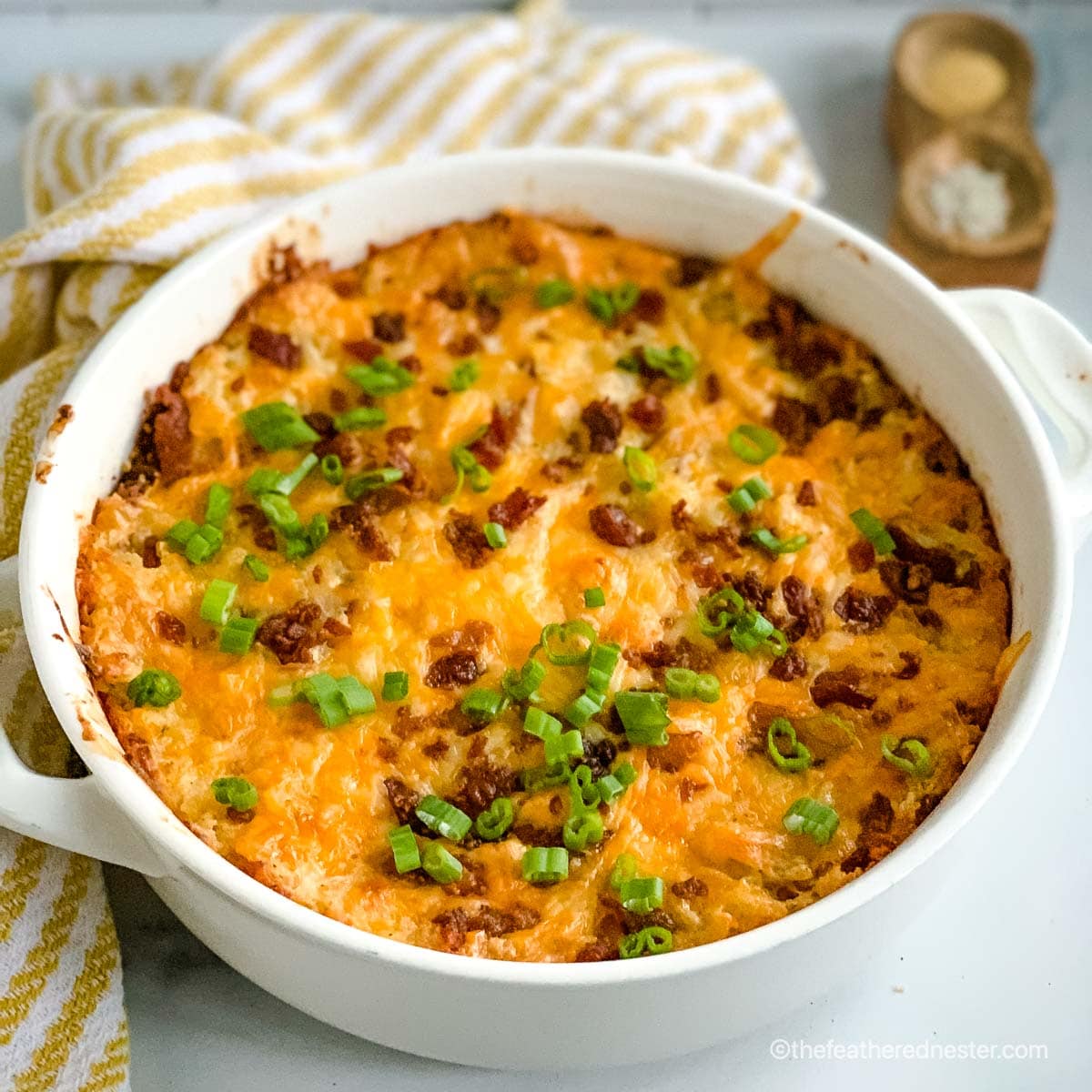
Grandma’s Classic vs. Cracker Barrel Style
Two hash brown casserole recipes stand out: the classic 'Grandma's' style from Allrecipes and the Cracker Barrel version from Spend With Pennies. Both aim for a cheesy potato bake, but their ingredients and methods vary.
The Allrecipes version typically relies on a base of sour cream, cheddar cheese, and a can of cream of chicken soup. This creates a tangier, slightly lighter casserole. Conversely, the Spend With Pennies recipe often substitutes cream cheese for some or all of the sour cream, and frequently incorporates Monterey Jack cheese alongside the cheddar. This results in a richer, creamier texture.
The choice between sour cream and cream cheese makes a big difference. Sour cream adds brightness, while cream cheese makes it richer. Monterey Jack melts well and adds sweetness, while cheddar offers a sharper taste. Cream of chicken soup adds savory depth and moisture, which the Cracker Barrel style often gets from extra dairy.
Beyond the core ingredients, there are subtle differences in technique. The Grandma's style often emphasizes a simpler layering process, while the Cracker Barrel version sometimes includes a more elaborate topping, like crushed cornflakes or Ritz crackers, for added texture and crunch. These seemingly small variations contribute to distinct flavor profiles and textural experiences.
Beyond the Basics: Load It Up!
Hash brown casserole is wonderfully versatile. Once you have the base recipe down, you can customize it endlessly. Popular additions, or 'loadings,' include proteins, vegetables, and more cheese.
Bacon, sausage, and ham are perennial favorites, adding a salty, smoky element. Jalapeños and diced bell peppers introduce a touch of heat and freshness. Onions, sautéed until caramelized, offer a sweet and savory counterpoint. Different cheeses, like pepper jack or Colby Jack, can further enhance the flavor profile.
Balancing additions is key. A spicy chorizo might need a cooling element like extra sour cream or a milder cheese. Too many ingredients can make the casserole mushy or unbalanced. Think about how each addition will work with the others.
Here's a quick rundown of popular loading options:
* Proteins: Bacon (crispy is best), sausage (breakfast or Italian), ham (diced or shredded), chorizo (spicy or mild)
* Vegetables: Jalapeños (fresh or pickled), bell peppers (red, green, yellow), onions (caramelized or diced), mushrooms (sautéed)
* Cheeses: Pepper Jack, Colby Jack, mozzarella, gruyere
Casserole Loading Options
- Bacon - Provides a smoky, salty flavor and crispy texture. Pre-cooked bacon is ideal for even distribution and ease of meal prep.
- Sausage - Adds a savory, often spiced element. Jimmy Dean Regular Sausage is a common choice, contributing a substantial, meaty flavor.
- Cheddar Cheese - A classic choice, offering a mild, creamy flavor and excellent melting properties. Kraft Cheddar is widely available and provides consistent results.
- Monterey Jack Cheese - Contributes a buttery, mild flavor and a very smooth, melty texture. It complements other cheeses well without overpowering.
- Jalapeños - Introduce a spicy kick and a slight vegetal flavor. Using pickled jalapeños adds a tangy element alongside the heat.
- Spinach - Adds a nutritional boost and a subtle earthy flavor. Frozen spinach, thoroughly squeezed to remove excess moisture, works best in casseroles.
- Green Onions - Offer a fresh, mild onion flavor and a vibrant color. Added at the end, they provide a crisp texture.
- Chorizo - Delivers a robust, smoky, and often spicy flavor. Mexican chorizo, browned and drained, adds significant depth to the casserole.
Potato Prep: Fresh vs. Frozen
Fresh versus frozen potatoes for hash brown casserole is a common question. Both have pros and cons. Frozen hash browns are convenient and consistent, while fresh shredded potatoes can offer better texture when prepared right.
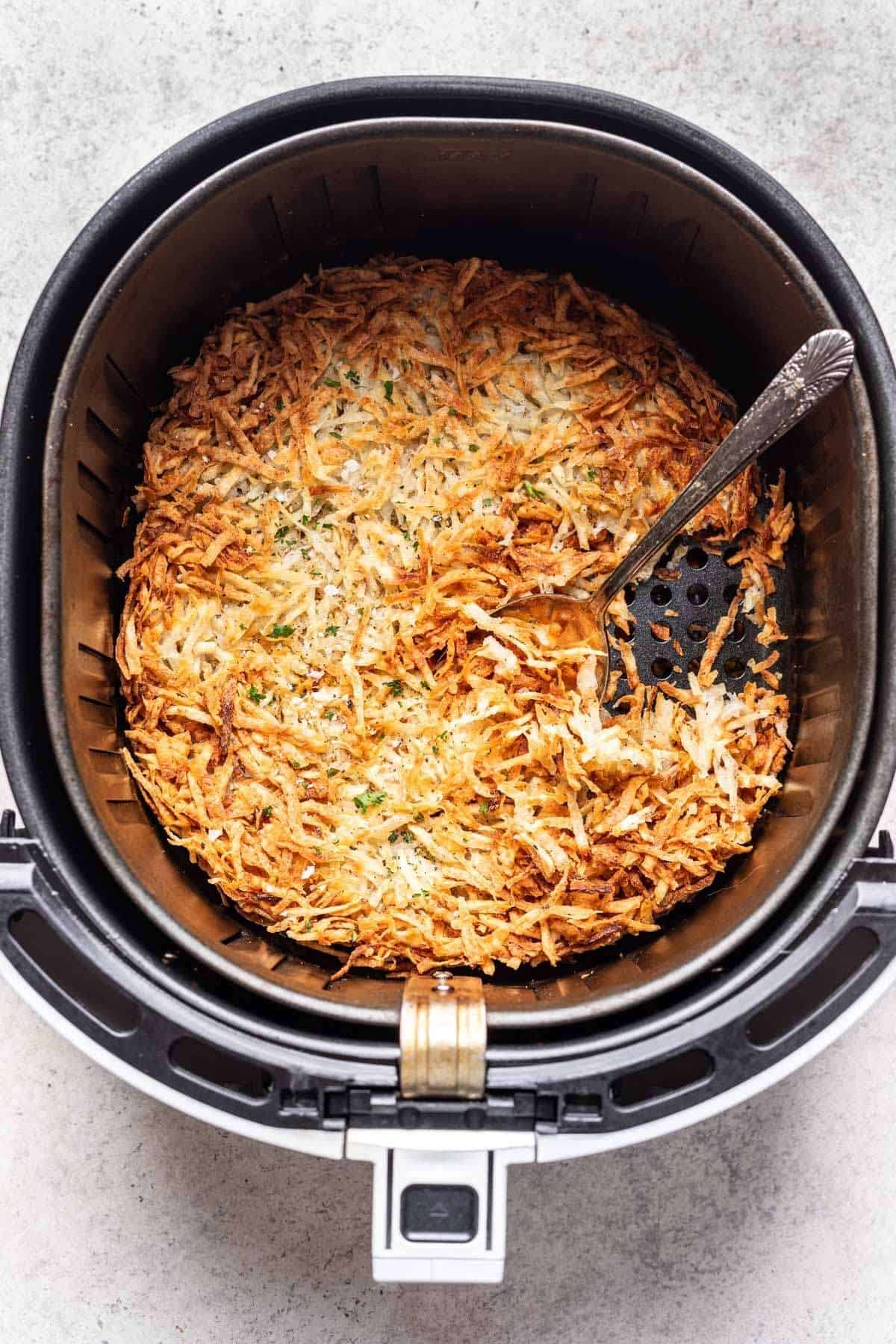
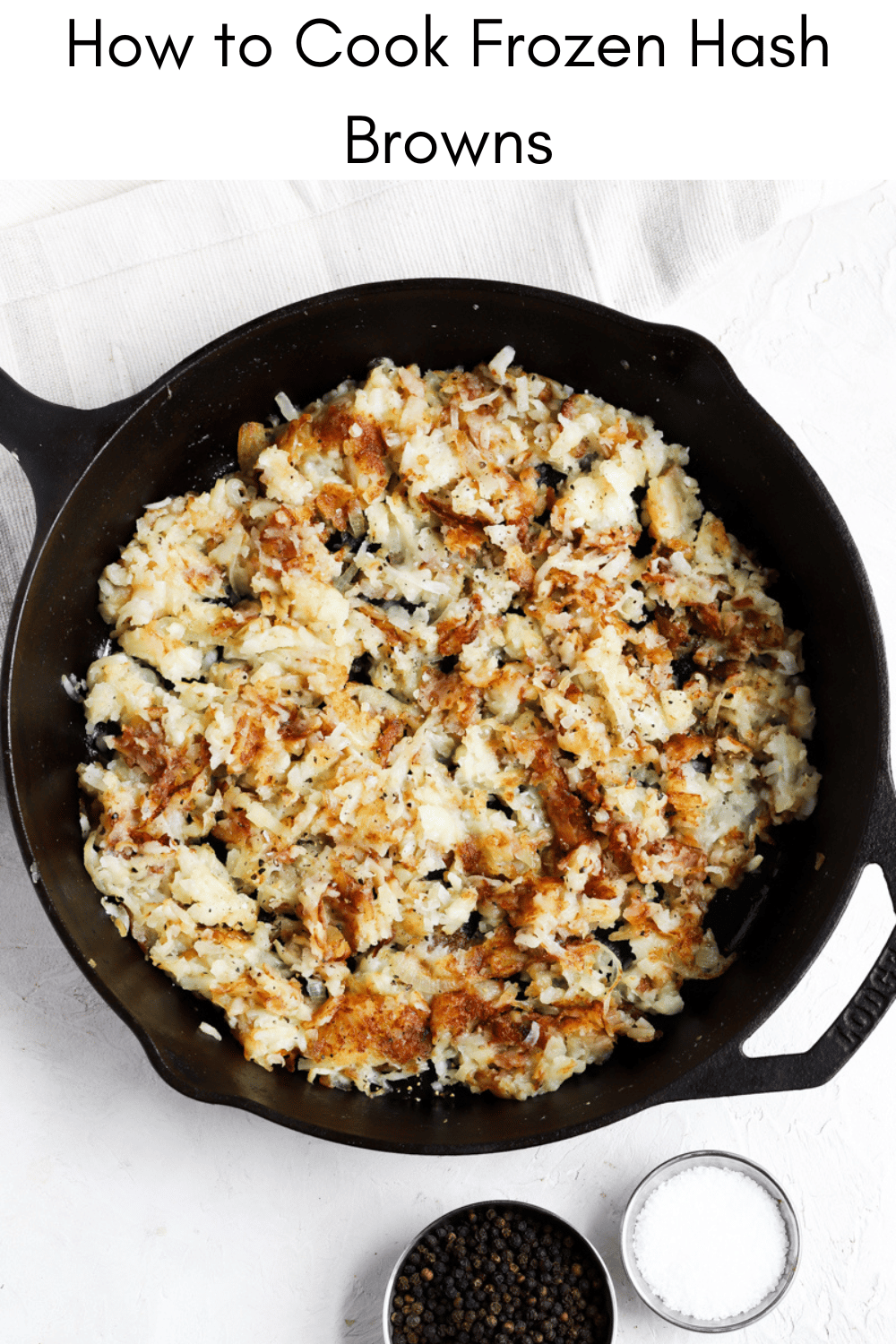
Frozen hash browns are pre-shredded and often pre-cooked, saving prep time. They might not have the fluffy texture of fresh potatoes and can hold more moisture, affecting crispiness. Squeeze out all excess moisture when using frozen.
Freshly shredded Russet potatoes give the most authentic texture. Russets have more starch, making for a fluffier, more tender casserole. Yukon Golds offer a creamier texture. Proper moisture removal is key with fresh potatoes. After shredding, rinse them in cold water until the water is clear, then squeeze out as much liquid as possible with a towel or cheesecloth.
A food processor with a shredding attachment speeds up preparing fresh potatoes, though manual shredding offers more texture control. No matter the method, removing moisture is essential for a crispy, golden-brown casserole.
Make-Ahead Mastery: Timing is Everything
Hash brown casserole is great for meal prepping, saving time on busy mornings. Timing is important for the best texture and flavor.
You can fully assemble and refrigerate the casserole for up to 48 hours. After that, the potatoes might discolor and the texture can suffer. Cover it tightly with plastic wrap to keep it from drying out or picking up fridge odors.
I don't recommend pre-baking before refrigerating. Baking it fresh gives you a crispier top. If you must bake ahead, reduce the baking time slightly and add the topping (like crushed cornflakes) just before serving, as it will lose its crunch if baked early.
Here’s a step-by-step guide to make-ahead mastery:
1. Prepare the hash brown mixture and all other ingredients as per your chosen recipe.
2. Assemble the casserole in a baking dish.
3. Cover tightly with plastic wrap.
4. Refrigerate for up to 48 hours.
5. When ready to bake, preheat the oven and bake as directed in the recipe.
Baking to Perfection: Temperature & Technique
To bake a perfect hash brown casserole, crispy on top and cooked through, pay attention to temperature and technique. Baking at too low a temperature often leads to a soggy result. 350°F (175°C) is a good starting point.
The baking dish matters too. Metal dishes conduct heat better than glass or ceramic, giving a crispier bottom. Use a glass or ceramic dish? Increase baking time slightly. Make sure heat distributes evenly; don't overcrowd the oven.
Bake uncovered for the first 30-40 minutes to let the top brown and crisp. If it browns too fast, tent loosely with foil. For the last 5-10 minutes, you can broil it briefly for a golden-brown, bubbly top, but watch it closely to avoid burning.
Troubleshooting: If the bottom is soggy, bake on a lower oven rack. If the top burns, lower the oven temp or cover with foil sooner. A properly baked casserole is golden brown, bubbly, and reaches 165°F (74°C) inside.
Troubleshooting: Common Casserole Concerns
Even with careful prep, issues can happen. Here's a quick FAQ for common concerns.
Q: My casserole is too dry. A: Add a splash of milk or cream to the mixture before baking. You can also increase the amount of cream of chicken soup slightly.
Q: My casserole is too soggy. A: Ensure you’ve thoroughly squeezed out excess moisture from the potatoes. Baking at a slightly higher temperature can also help.
Q: The top isn’t browning. A: Increase the baking time or broil it briefly for the last few minutes. Ensure the oven temperature is accurate.
Q: The cheese isn’t melted. A: Check that the casserole is heated through to 165°F (74°C). You can also add a little more cheese during the last few minutes of baking.
Q: It tastes bland. A: Season generously with salt and pepper. Consider adding a dash of garlic powder or onion powder for extra flavor. Taste as you go!
Beyond Breakfast: Serving Suggestions
While traditionally a breakfast or brunch staple, loaded hash brown casserole is surprisingly versatile. It pairs exceptionally well with grilled meats like steak, chicken, or pork, making it a satisfying side dish.
It's also a fantastic addition to a BBQ spread, offering a comforting contrast to smoky flavors. For a heartier meal, serve it with a side salad or steamed vegetables. The casserole's rich flavor profile lends itself well to Tex-Mex cuisine; consider pairing it with fajitas or tacos.
Don't limit yourself to savory pairings. A small portion can even be served as a sweet treat with a dollop of whipped cream and fresh berries. The possibilities are truly endless.
No comments yet. Be the first to share your thoughts!