
Why russets win every time
The secret to good hash browns starts in the soil, not the skillet. Before you even turn on the burner, choosing the right potato determines whether your breakfast will be a golden, shatteringly crisp masterpiece or a soggy, steamed disappointment. It’s the single most important decision you’ll make in this recipe.
Russet potatoes are the undisputed champions for hash browns. They are high in starch and low in moisture, which means they break down easily when grated. This starchy texture is what creates those distinct, crispy edges and that satisfying crunch. Waxy potatoes, like red or Yukon Golds, hold their structure too tightly. They resist browning and tend to turn gummy or gluey when cooked, leaving you with a texture closer to mashed potatoes than a diner-style side.
Think of a russet as a sponge ready to soak up butter and crisp up in the pan. That porous, starchy interior is your best friend. If you want that perfect golden crust that holds together but crumbles at the touch, stick with russets. It’s a non-negotiable rule for crispy hash browns.
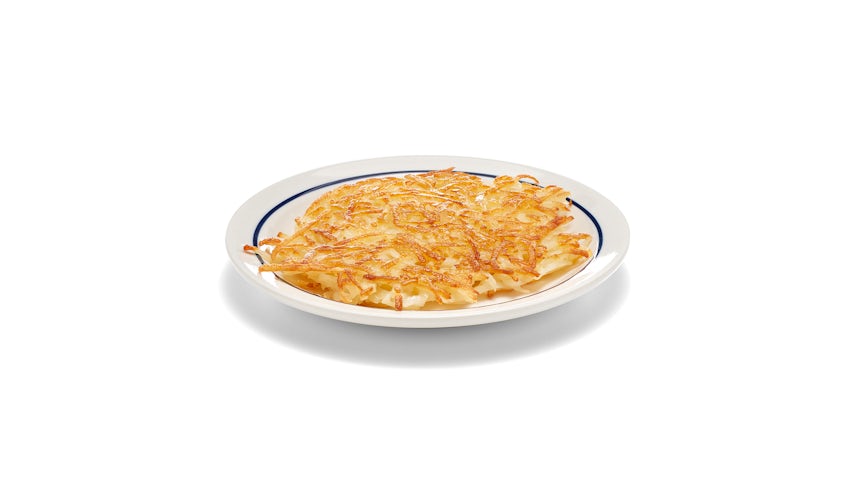
Shred, squeeze, and dry
The difference between a soggy mess and a golden, shatteringly crisp hash brown comes down to one thing: water. Potatoes are mostly starch and water. When you shred them, you release that water, and if it stays trapped in the bowl, it turns to steam when it hits the hot skillet. Steam is the enemy of crispiness.
To get those wispy, golden edges, you need to remove as much moisture as possible before the pan ever sees the light of day. This mechanical step is non-negotiable if you want that Waffle House-style crunch at home.
Use the large holes of a box grater or a food processor fitted with a shredding blade. Russet potatoes are ideal here because their high starch content helps them bind together while still crisping up. Shred them directly into a large bowl. Try to keep the shreds relatively uniform so they cook evenly.
For the absolute crispiest result, rinse the shredded potatoes in cold water to wash away excess surface starch. This prevents them from turning gummy or sticking together in a solid clump. Drain them well in a colander first, then pat them roughly dry with a towel before the final squeeze.
This is the most important part. Wrap the shredded potatoes in a clean, lint-free kitchen towel or several layers of cheesecloth. Twist the bundle tightly over the sink or bowl. You will be amazed at how much liquid comes out. Keep squeezing until the towel is dry and the potatoes look dry to the touch. If you skip this, your hash browns will steam instead of fry.
Once the potatoes are dry, they are ready to be seasoned and hit the pan. The dry surface allows the butter or oil to create immediate Maillard reactions, resulting in that deep golden brown color and satisfying crunch with every bite.
How to Cook Crispy Hash Browns in a Skillet
Getting that perfect golden crust isn't about luck; it's about managing heat and fat. The skillet is your best friend here because it holds steady heat, which is essential for drawing out moisture and creating a crunchy exterior. If your pan is too crowded or the heat is too low, you'll end up with steamed, soggy potatoes instead of the crispy hash browns you're dreaming of.
Start by choosing the right fat. A combination of butter and oil works wonders. The butter adds that rich, nutty flavor, while the oil (like vegetable or canola) raises the smoke point so the butter doesn't burn. Heat a heavy skillet, preferably cast iron, over medium-high heat. Add your fat and let it shimmer. If you're using bacon grease, this step is even easier since it's already rendered and ready to go.
Once the pan is hot, add your potatoes in an even layer. Resist the urge to stir. This is where patience pays off. Let the potatoes sit undisturbed for 4-5 minutes. You're waiting for the bottom layer to caramelize and release naturally from the pan. If you try to flip them too early, they'll break apart and lose their crunch.
Step 1: Heat the Pan and Fat
Get your skillet hot before adding anything. You want a medium-high heat that sizzles immediately upon contact. Add your butter and oil mix, swirling to coat the entire surface. The fat should bubble gently but not smoke heavily. This creates the initial barrier that prevents sticking and promotes even browning.
Step 2: Add Potatoes in an Even Layer
Spread your shredded potatoes evenly across the skillet. Press them down lightly with a spatula to create a compact, uniform layer. This ensures that every potato strand touches the hot surface. If the potatoes are piled up too high, the center will steam instead of fry.
Step 3: Let It Cook Undisturbed
This is the most critical step for achieving crispiness. Do not touch the hash browns for at least 4-5 minutes. You'll hear a steady sizzle, which is the sound of moisture evaporating. After a few minutes, check a corner. If the edges are golden brown and release easily from the pan, it's time to flip. If they stick, they need more time.
Step 4: Flip and Finish
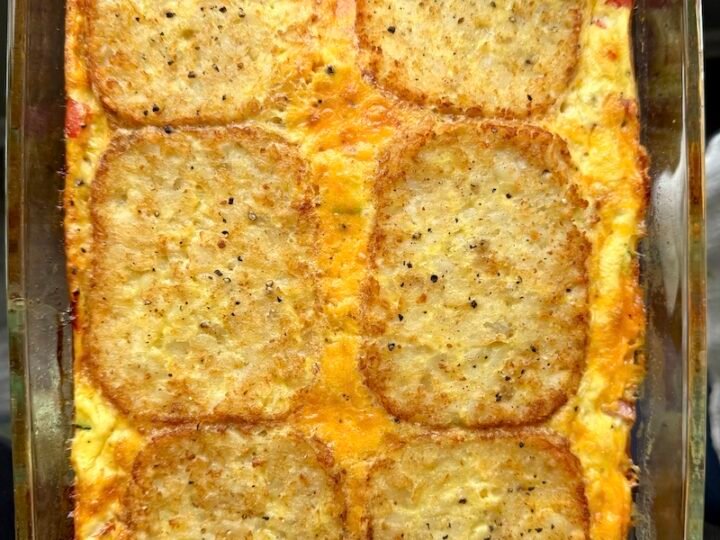
Once the bottom is a deep golden brown, carefully flip the hash browns. You can use a large plate to help flip a large batch or do it in sections. Add a little more fat to the exposed side if needed, then cook for another 3-4 minutes until the second side is equally crispy. Season with salt and pepper immediately after flipping so the seasoning sticks to the hot surface.
Seasoning and serving tips
The difference between a good hash brown and a truly crispy, golden masterpiece often comes down to when you add the salt. If you salt the raw potatoes before cooking, the salt draws out moisture through osmosis. That extra water steams the potatoes in the pan, resulting in a soft, soggy texture rather than the crunch you are after. Instead, wait until the hash browns are fully cooked and plated. A light sprinkle of fine sea salt or flaky finishing salt right before serving ensures every bite has that sharp, satisfying crunch and a burst of flavor without compromising the crispness.
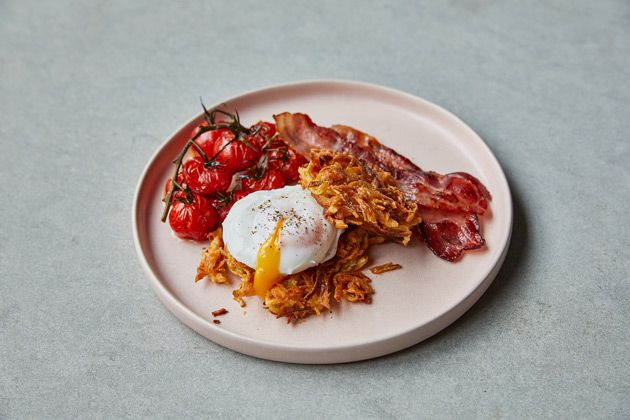
While salt is essential, it works best when paired with savory depth. A small amount of onion powder or black pepper added to the raw mixture can add subtle background notes, but keep it simple. You want the potato and the crisp exterior to shine. Once they are piled high on your plate, the real fun begins with toppings. The classic pairing is a dollop of sour cream and fresh chives, which cuts through the richness of the oil or butter. For those who like heat, a dash of hot sauce adds a nice kick. The goal is to enhance the crispy texture, not weigh it down.
Serving Checklist
Use this quick list to ensure your presentation is as good as the taste:
- Keep the skillet hot until serving to maintain crispness.
- Use flaky salt for better texture and visual appeal.
- Add sour cream for a cool, creamy contrast.
- Garnish with fresh chives for color and freshness.
- Serve immediately while the potatoes are still golden brown.
Fix common crispy hash brown mistakes
Sticking, burning, and steaming are the usual suspects when hash browns fail. You can fix these issues on the fly with a few simple adjustments.
Sticking to the pan usually means the skillet isn't hot enough or the oil hasn't spread evenly. Wait until the oil shimmers before adding the potatoes. If they resist lifting, they aren't ready to flip.
Burning happens when the heat is too high for the potato's moisture content. Start with medium-high heat to sear, then drop to medium to cook through without charring the edges too fast.
Steaming instead of crisping is the most common error. It happens when the pan is overcrowded or the potatoes are too wet. Squeeze the shredded potatoes dry and spread them in a single layer. Let them sit undisturbed to form a golden crust.
No comments yet. Be the first to share your thoughts!