
Make the recipe
The Viral TikTok Crispy Hash Brown Hack works best as a clear sequence: define the constraint, compare the realistic options, test the tradeoff, and choose the path with the fewest hidden costs. That order keeps the advice usable instead of decorative.
After each step, pause long enough to check whether the recommendation still fits the reader's actual situation. If it depends on perfect timing, unusual access, or a best-case budget, include a simpler fallback.
The simplest way to use this section is to write down the real constraint first, compare each option against it, and choose the path that still works outside ideal conditions.
Keep the texture right
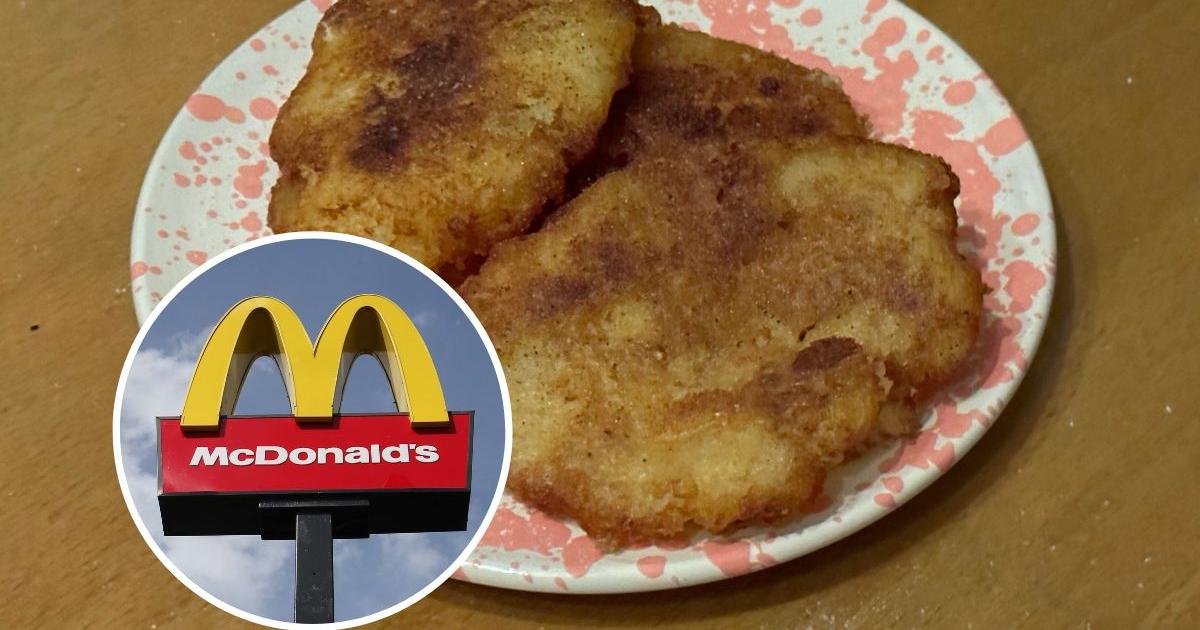
The difference between a soggy breakfast mess and the golden, lattice-like crispness seen on TikTok comes down to moisture control and heat management. Potatoes are mostly water, and that water is the enemy of crispness. To get the texture right, you have to treat the shredded potato like a sponge that needs to be wrung out before it ever touches the pan.
Start with the potato shredder. Grate russet potatoes directly into a bowl of ice water. This stops oxidation and leaches out surface starch, which is what makes hash browns gummy. Once shredded, drain the water and squeeze the potatoes in a clean kitchen towel or cheesecloth. You need to apply firm, even pressure until no more liquid drips out. If the potatoes feel damp to the touch, they will steam instead of fry.
Next, manage the fat and heat. Use a combination of oil and butter. Oil handles the high heat needed for browning, while butter adds the flavor. Heat your cast-iron skillet or non-stick pan over medium-high heat until a drop of water sizzles and evaporates instantly. Add the fat and let it shimmer before adding the potatoes. Spread them into an even layer and press down firmly with a spatula. Do not move them. Let them cook undisturbed for 4-5 minutes until the bottom is deeply browned.
Finally, flip with confidence. A full flip is risky and often breaks the lattice. Instead, use a large plate to invert the hash browns back into the pan, or divide the skillet in half and flip sections. Add a little more fat to the now-empty side of the pan and slide the hash browns back in. Cook for another 3-5 minutes until the second side matches the first. Season immediately with salt while the surface is still tacky so it sticks.
Swaps that still work
You can adjust the flavor profile or work around pantry gaps without losing that essential crisp. The structure of a hash brown relies on starch and fat; as long as you preserve those two elements, you can tweak the rest.
Potatoes
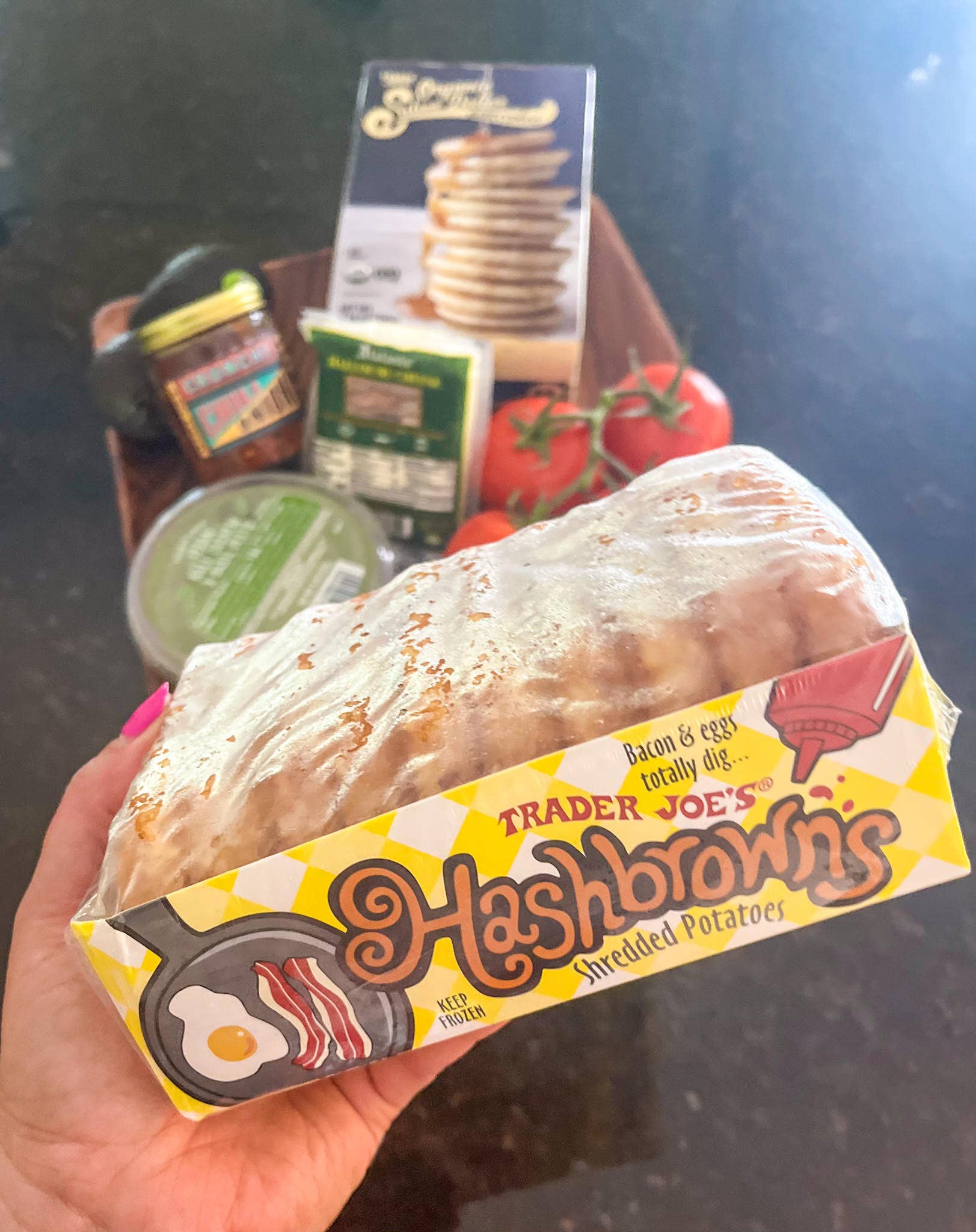
Russets are the gold standard because their high starch content releases moisture slowly, creating a lacy crust. If you only have Yukon Golds, they will work but yield a softer, creamier interior. Avoid waxy red or new potatoes; they lack the starch needed for crispness and tend to steam rather than fry.
Fats
Butter adds a rich, nutty flavor that pairs well with salt. Olive oil offers a lighter, fruity note and a higher smoke point, making it easier to manage if your skillet runs hot. For the classic diner taste, render bacon grease or use lard. The animal fats carry savory compounds that butter alone cannot replicate, but they do require careful temperature control to prevent burning.
Binders and Seasonings
A teaspoon of flour or cornstarch helps bind the shreds if your potatoes are particularly wet, though it is rarely necessary if you squeeze them dry. Onion powder and garlic powder are standard, but fresh minced onion can add texture if you prefer bite over dissolution. Salt should always be added at the end of cooking to draw out moisture before the crust forms.
| Ingredient | Swap | Effect |
|---|---|---|
| Russet potato | Yukon Gold | Softer texture, less crisp |
| Butter | Olive oil | Lighter flavor, higher smoke point |
| Butter | Bacon grease | Savory, classic diner taste |
| None | 1 tsp flour | Helps bind wet shreds |
Serve and store it
These hash browns are at their peak within minutes of hitting the pan, but they hold up surprisingly well if you treat them like a crisp, golden crust rather than a soft pancake. The goal is to preserve that shatteringly thin exterior while keeping the inside tender. If you let them sit too long on a plate, steam will trap against the bottom and turn your best crispy hash brown into a soggy mess.
Serving suggestions
Serve immediately after frying for the best texture. A light dusting of flaky sea salt and cracked black pepper enhances the potato’s natural sweetness without masking the garlic and onion flavors. Pair them with sunny-side-up eggs, smoked salmon, or a dollop of sour cream and chives. Avoid heavy sauces that soak into the crust before you can take the first bite.
Make-ahead and storage
You can prep the potatoes up to 24 hours in advance. Shred them, rinse thoroughly to remove starch, and squeeze them dry using a clean kitchen towel or cheesecloth. Store the dry shreds in an airtight container in the refrigerator. This step is critical because wet potatoes steam instead of crisp. Do not add salt or seasonings until just before cooking, as salt draws out moisture and prevents browning.
If you have leftovers, let them cool completely before storing. Place them in a single layer on a paper towel-lined plate to absorb excess grease, then cover loosely with plastic wrap. Refrigerate for up to two days. Freezing is not recommended, as the high water content in potatoes causes the texture to become grainy and mushy upon thawing.
Reheating for maximum crisp
Microwaving is the enemy of crisp hash browns. It reheats the interior but leaves the exterior limp and chewy. Instead, use an oven or skillet to restore the crunch.
- Oven method: Preheat your oven to 400°F (200°C). Place the hash browns on a wire rack set over a baking sheet. This allows hot air to circulate around the entire patty. Bake for 10–15 minutes until hot and crispy.
- Skillet method: Heat a non-stick or cast-iron skillet over medium heat with a teaspoon of oil. Add the hash browns and press down gently. Cook for 3–5 minutes per side until the exterior is golden and the center is heated through.
For the best results, reheat only what you plan to eat immediately. Leftovers will not regain their original freshness.
No comments yet. Be the first to share your thoughts!