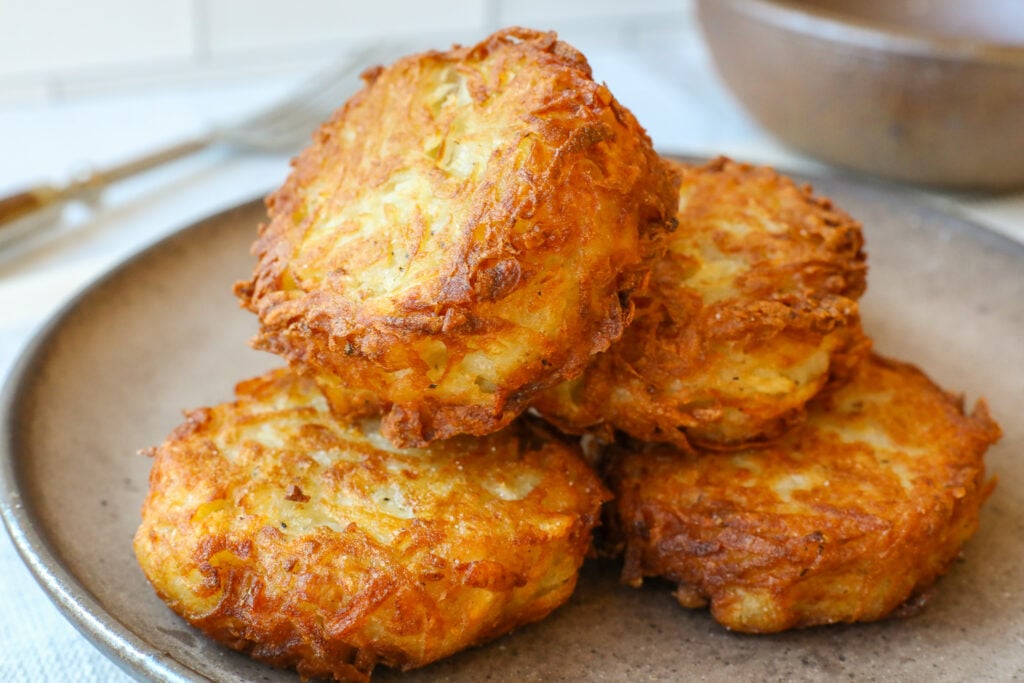

Why texture matters for crispy hash browns
The difference between a golden, diner-style crust and a soggy, steamed mess often comes down to one variable: moisture. When you choose a potato shredder, you are not just selecting a tool for grating; you are choosing a mechanism for water removal. Starch-heavy russets hold a surprising amount of water inside their cellular structure. If that water doesn't escape during cooking, it turns to steam, softening the exterior before it has a chance to crisp.
The goal is to separate the potato into individual fibers. When shreds are uniform, they lay flat in the pan, maximizing contact with the hot oil or butter. Chunky, irregular pieces create gaps where steam gets trapped, leading to uneven browning. While squeezing dry shreds by hand is a necessary step, starting with long, clean shreds reduces the effort required and prevents the potatoes from turning into a gluey paste that clumps together in the skillet.
Best Potato Shredders for Crispy Hash Browns in 2026
Choosing the right tool ensures you get those long, uniform shreds that cook evenly and release moisture faster. Here are the top-rated potato shredders for crispy hash browns in 2026, selected for their ability to handle high-volume prep while maintaining consistent texture.
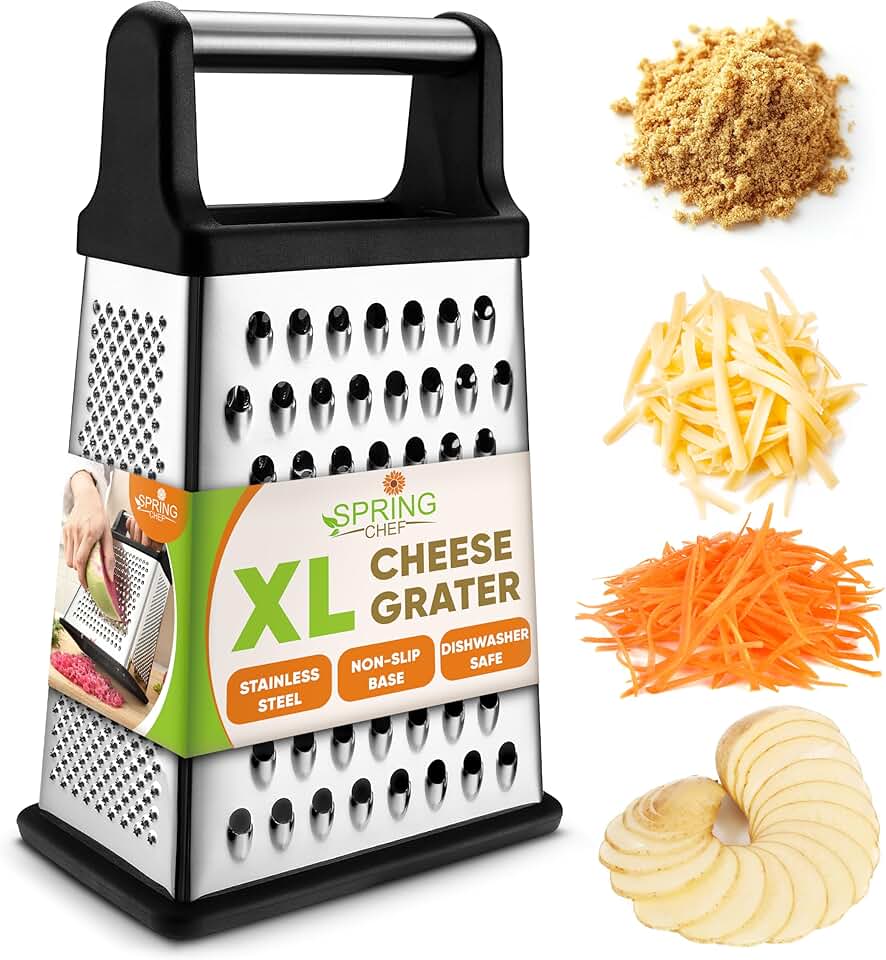


As an Amazon Associate, we may earn from qualifying purchases.
How we chose the best potato shredders
Crispy hash browns demand a specific shred texture. You need thin, uniform strips that cook evenly and crisp up without turning to mush. Our evaluation focused on tools that deliver this consistency reliably. We tested shredders against these core criteria.
Shred Consistency The best potato shredders produce uniform strips. Thick chunks cook unevenly, leaving some parts raw while others burn. We prioritized models that create consistent, thin shreds suitable for pan-frying. A box grater often leaves uneven pieces, whereas dedicated rotary or mandoline-style shredders offer precision.
Ease of Cleaning Starchy potatoes stick. A shredder that is difficult to clean becomes a chore. We favored designs with smooth surfaces, removable parts, and dishwasher-safe components. If you cannot rinse it clean in under a minute, it will sit in the sink.
Safety Features Shredding potatoes exposes your fingers to sharp blades. We looked for built-in guards, pushers, or enclosed designs that keep hands away from the cutting surface. Safety is not optional when working with sharp edges.
Durability Potatoes are dense. Cheap plastic blades dull quickly or crack under pressure. We selected shredders made from stainless steel or heavy-duty materials that withstand repeated use.


As an Amazon Associate, we may earn from qualifying purchases.
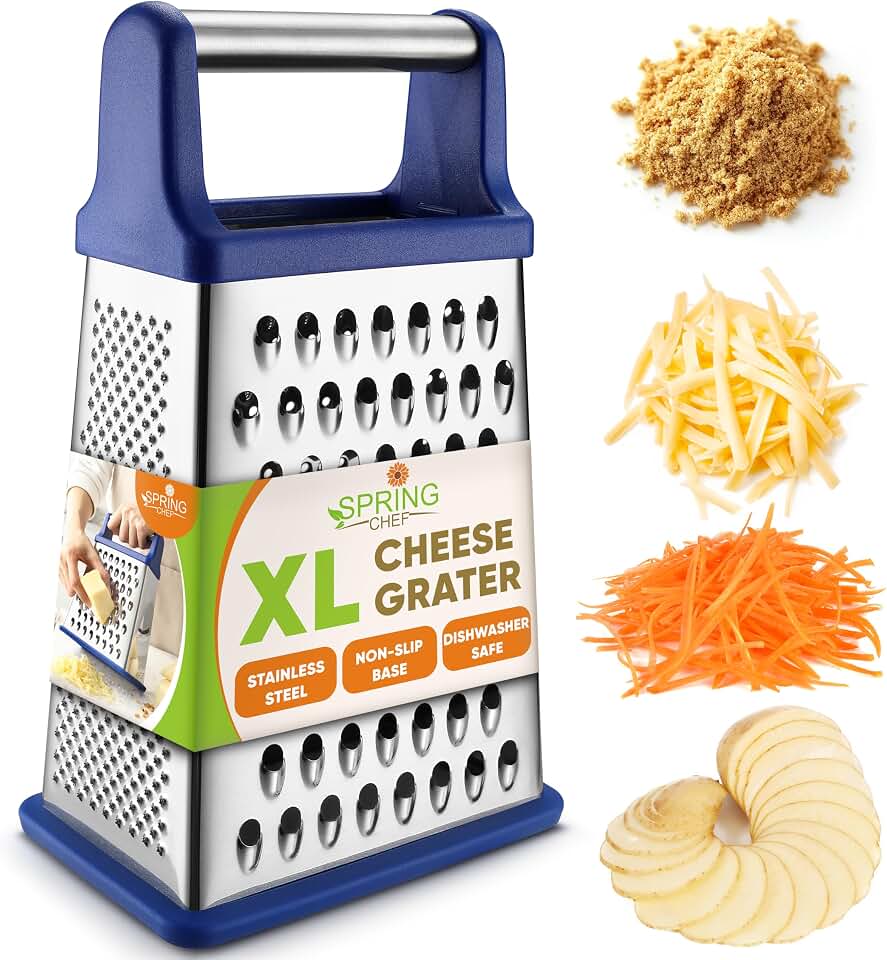
Best Overall: Manual Box Grater
For most home cooks, a standard stainless steel box grater offers the best balance of control, consistency, and value. While electric shredders promise speed, they often turn potatoes into a wet, mushy paste that steams rather than crisps. A manual grater lets you apply gentle, even pressure, preserving the potato’s structure so each shred can brown independently.
The key to crispy hash browns lies in surface area and moisture control. A box grater with medium-sized holes creates shreds that are uniform enough to cook evenly but distinct enough to release excess water. This manual approach also gives you the tactile feedback needed to stop before the potatoes become overworked.

This tool requires minimal cleanup and costs a fraction of electric alternatives. When paired with proper technique—squeezing out moisture before cooking—the humble box grater produces diner-quality results without the bulk or noise of powered appliances.
Best electric shredder for large batches
For meal prepping or feeding a crowd, manual shredding becomes a bottleneck. An electric food processor with a shredding disc handles 2-3 pounds of potatoes in seconds, turning a tedious chore into a background task. This consistency is vital for even cooking and uniform crispness.
The Cuisinart Elite Collection Food Processor is a reliable workhorse for this volume. Its wide feed tube accommodates whole potatoes, and the stainless steel shredding disc produces consistent julienne strips ideal for hash browns. The motor is powerful enough to handle dense root vegetables without jamming.

Electric shredders produce more moisture than hand-grating. You must squeeze the shreds dry in a cheesecloth or towel before cooking. Skipping this step results in steamed, soggy hash browns rather than crispy ones.
Best budget-friendly shredder for beginners
For casual breakfast skillets, you do not need a premium electric appliance to achieve diner-style results. A simple handheld grater or a basic box grater delivers crisp, golden hash browns at a fraction of the cost. The goal here is consistency and ease, not high-volume processing.

The technique matters more than the tool. Use the medium-sized holes on your grater for uniform shreds that bind together well. After shredding, squeeze the potatoes firmly in a towel to remove excess moisture. This step ensures the potatoes fry up crispy rather than steaming into a soggy mass.
Technique Over Tools for Maximum Crispiness
Even the sharpest shredder won't save soggy hash browns if the technique is off. The difference between a limp pile of potatoes and a shatteringly crisp cake comes down to moisture control, heat management, and patience. You can own the best mandoline or box grater in the world, but without these steps, you are just making potato confetti.
Squeeze Out Every Drop of Moisture
Water is the enemy of crispiness. When shredded potatoes hit hot oil, that moisture turns to steam, steaming the potatoes from the inside out rather than frying them. This is why squeezing is non-negotiable. Place your shredded potatoes in a clean kitchen towel or several layers of cheesecloth. Gather the corners and twist with significant force. You should see a steady stream of water. If the potatoes still feel damp to the touch, squeeze again. Dry potatoes brown faster and stay crisp longer.
Preheat the Pan Properly
A cold pan is a recipe for sticking and steaming. Preheat your skillet or griddle to medium-high heat before adding any oil. The pan should be hot enough that a few drops of water sizzle and evaporate immediately. Once hot, add your oil of choice. High smoke point oils like vegetable, canola, or clarified butter work best because they can handle the heat without burning. Avoid extra virgin olive oil for this application; it will smoke and impart a bitter flavor before the potatoes are done.
Let Them Cook Undisturbed
This is the hardest part for most home cooks: resisting the urge to stir. Once you add the potatoes to the pan, press them down gently into an even layer. Do not touch them for at least six minutes. Let the bottom layer develop a deep golden-brown crust. If you lift the edge and it releases easily, it is ready to flip. Stirring too early breaks up the forming crust and releases starch, leading to a mushy texture. Patience here pays off in the final crunch.
-
Squeeze shredded potatoes dry using a towel
-
Preheat skillet to medium-high heat
-
Use high smoke point oil like vegetable or canola
-
Cook undisturbed for 6 minutes before flipping
Frequently asked questions about shredding
What type of potato is best for hash browns?
Use high-starch russet potatoes. Their low moisture and high starch content create a fluffy interior and a crisp exterior. Waxy varieties like red or Yukon Gold hold too much water and tend to steam rather than fry, resulting in soggy hash browns.
Why do my hash browns turn out soggy?
Excess moisture is the enemy of crispiness. After shredding, rinse the potatoes in cold water to remove surface starch, then squeeze them dry using a towel or cheesecloth. Remove as much liquid as possible before mixing with oil and salt.
Should I shred potatoes by hand or use a machine?
A box grater or food processor shredder produces consistent, thin strands that cook evenly. Hand-shredding works but requires more effort. Avoid dicing, as thick chunks won't crisp up properly in a skillet.
Is it safe to use a food processor for potatoes?
Yes, but use caution. Cut potatoes into chunks that fit your feed tube, and always use the shredding disc, not the blade. Hold the pusher firmly and never touch the spinning disc. Wash the attachment immediately after use, as dried starch is difficult to remove.
No comments yet. Be the first to share your thoughts!