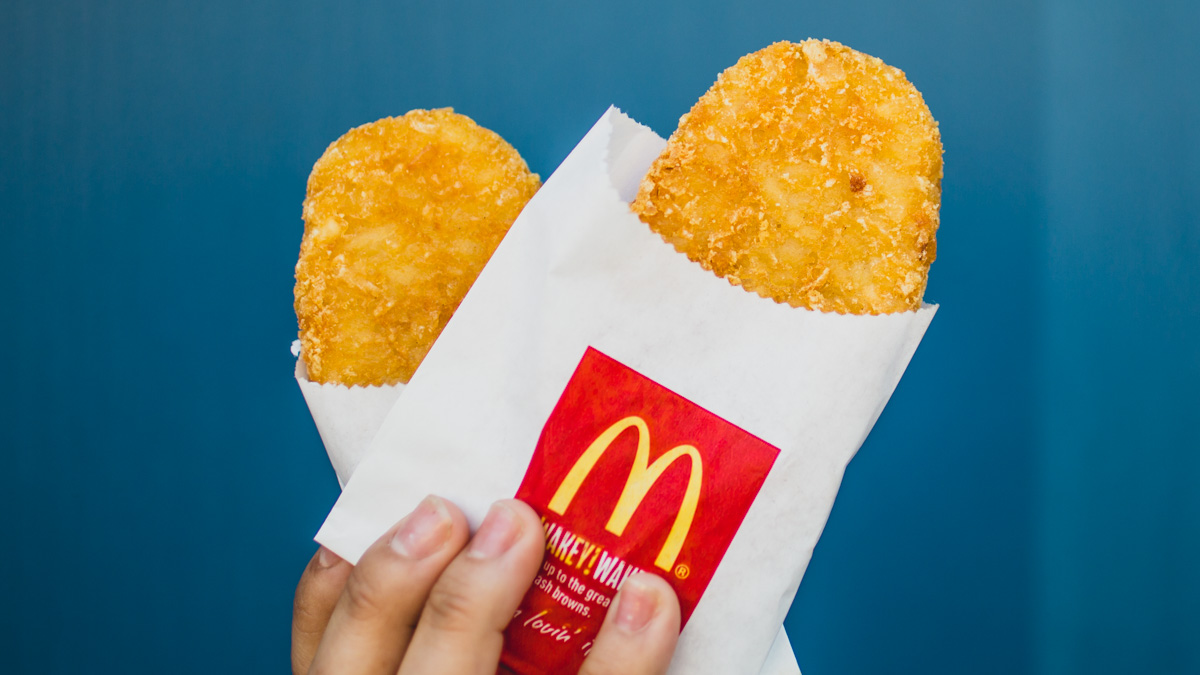

Make the recipe
This viral crispy hash brown challenge comes down to one technique: high heat, minimal stirring, and a potato shredder to get the texture right. The goal is a deep golden crust that shatters when you press it, with a tender interior. Using a box grater or food processor shredder gives you the loose, distinct strands needed for maximum crispiness, unlike the mashed texture of a patty.
Start with two large russet potatoes. Scrub them clean; peeling is optional, but leaving the skins on adds a nice rustic crunch and keeps the shreds intact. Shred the potatoes on the large holes of your grater. You don’t need to rinse them thoroughly—just give them a quick shake in a colander to remove excess surface starch that can make them gummy. Pat them dry with a paper towel if they look wet.
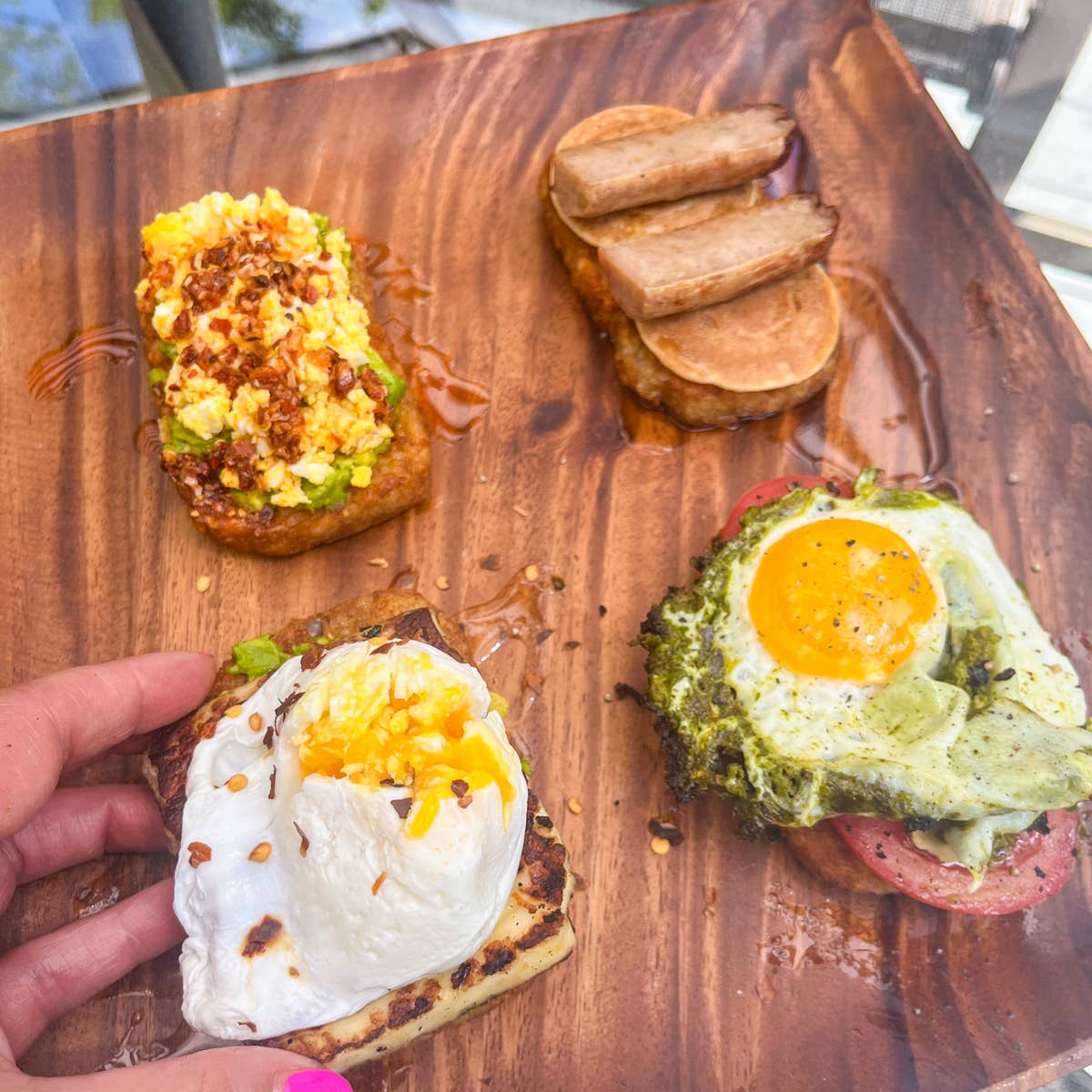
The secret to the viral crunch is patience. Heat a large skillet over medium-high heat with a mix of butter and oil. Butter adds flavor, but oil raises the smoke point so you can get the pan hot enough for a good sear. Add the shredded potatoes in an even layer. Do not stir. Let them cook undisturbed for 5-7 minutes until the bottom is deeply browned. Flip or fold carefully, then cook the other side for another 5 minutes.
Serve immediately while hot. The longer they sit, the softer they get. Top with chives, sour cream, or a fried egg if you want to turn this side dish into a full breakfast plate. The key is getting that uniform golden color without burning the garlic powder or paprika, so keep an eye on the heat if your stove runs hot.
Keep the texture right
The difference between a soggy mess and the viral crispy hash brown challenge winner comes down to moisture management and heat control. Potatoes are mostly water; if you don’t remove it, the shreds steam instead of fry. If you cook them too fast, they burn before the inside softens. Get this balance right, and you get golden, shatteringly crisp edges with a tender center.
Squeeze out the water
After shredding, rinse the potatoes in cold water to remove excess surface starch, then wring them out like a wet towel. Use a clean kitchen towel or cheesecloth to squeeze every drop of liquid from the shreds. Dry potatoes equal crisp potatoes. This step is non-negotiable for achieving that signature crunch.
Use enough fat and heat
Don’t skimp on oil. You need enough to coat the pan and create a barrier between the potato and the skillet. Heat the oil until it shimmers but doesn’t smoke. Add the shredded potatoes in a single layer. Press them down firmly with a spatula to create a solid disc. This ensures even contact with the hot surface, promoting uniform browning.
Resist the urge to stir
Patience is key. Let the hash browns cook undisturbed for 5–7 minutes until the bottom is deep golden brown. Lift a corner to check. If it releases easily, flip it. If it sticks, it’s not ready. Stirring too early breaks the crust and releases moisture back into the pan, leading to a soggy texture.
Finish in the oven
For extra crispiness and even cooking, transfer the skillet to a preheated 400°F (200°C) oven for 5–10 minutes after flipping. This helps cook the interior without burning the exterior. Serve immediately while hot and crisp.
Swaps That Still Work
You can tweak the hash brown base without losing that signature crunch. The goal is to maintain the moisture-to-starch balance that allows the potatoes to crisp up in the skillet. Below is a quick reference for the most reliable substitutions.
| Original | Substitute | Result |
|---|---|---|
| All-purpose flour | Rice flour or cornstarch | Lower gluten means a lighter, crispier crust that stays crunchy longer. |
| All-beef bacon fat | Duck fat or lard | Higher smoke point and richer flavor; keeps the edges shatteringly crisp. |
| White potatoes | Sweet potatoes or Yukon Golds | Sweeter profile with more natural sugar; requires slightly lower heat to avoid burning. |
| Salt and pepper | Smoked paprika and garlic powder | Adds a savory depth that mimics the flavor of traditional diner-style hash browns. |
When swapping fats, stick to those with a high smoke point like lard or duck fat. They handle the medium-high heat required for browning better than butter, which can burn easily. If you are using sweet potatoes, reduce the cooking time slightly and watch the pan closely, as their natural sugars caramelize faster than white potatoes.
Serve and Store Your Crispy Hash Browns
These shredded potatoes shine best when they hit the table hot and loud. The texture of a homemade crispy hash brown recipe relies on that initial crunch, which fades as steam gets trapped. If you are feeding a crowd, cook in batches using a 10-inch skillet. Keep finished portions warm on a wire rack set inside a baking sheet in a 200°F oven. Avoid stacking them on a plate, as the moisture from the bottom layer will turn the top layer soggy within minutes.
For make-ahead prep, you can save time by prepping the potatoes earlier. Peel and shred your russet potatoes, then immediately submerge the shreds in ice water. This stops oxidation and removes excess starch, which is critical for achieving that golden, crispy exterior. Drain and thoroughly dry the potatoes using a clean kitchen towel or salad spinner before cooking. Store the dried shreds in an airtight container in the refrigerator for up to 24 hours.
Leftovers can be stored in the fridge for three to four days. Reheating is where most people go wrong. The microwave will steam the potatoes, making them soft and rubbery. Instead, spread the leftovers in a single layer in a skillet over medium heat with a teaspoon of oil. Let them sit undisturbed for a few minutes to re-crisp the bottom before flipping. An air fryer works well too, heating at 375°F for three to five minutes to restore the crunch without drying them out completely.
Hash brown recipe: what to check next
Even with the right tools, homemade hash browns can turn out soggy or unevenly browned. These answers address the most common objections and technical hurdles before you start cooking.
Why are my hash browns soggy instead of crispy?
Moisture is the enemy of crispness. Russet potatoes contain high water content, and shredding them releases that starch and liquid. If you skip the squeeze step, you are essentially steaming the potatoes in your skillet. Use a clean kitchen towel or cheesecloth to wring out the shreds until they feel dry to the touch. This simple step concentrates the potato flavor and ensures the exterior hits the hot fat immediately.
Can I use a potato shredder or food processor?
Yes, but the cut matters. A box grater or food processor shredder creates uniform strips that cook evenly. Avoid dicing the potatoes; chunks will burn on the outside while remaining raw inside. If you are making a hash brown cake or patty, a fine grate works well. For the viral "crispy" challenge, stick to long, thin shreds that can lay flat in the pan.
What is the best oil for frying hash browns?
Use a neutral oil with a high smoke point, such as vegetable, canola, or avocado oil. Butter alone will burn before the potatoes are golden brown. Many recipes use a mix of butter for flavor and oil for heat tolerance. Heat the oil over medium-high until it shimmers. If the oil is too cool, the potatoes will absorb it and become greasy; if it is too hot, the exterior will char before the inside cooks.
How do I keep hash browns crispy after cooking?
Never stack cooked hash browns on a plate. Stacking traps steam and softens the crust immediately. Instead, place them on a wire rack set over a baking sheet. This allows air to circulate around the entire patty, keeping the exterior crunchy while you finish cooking the rest of the batch. If you must use a plate, leave space between each piece to let steam escape.
No comments yet. Be the first to share your thoughts!