
Why this skillet method wins
The skillet method produces a texture that baking or air frying simply cannot replicate. While convection ovens dry out the exterior, a cast iron skillet provides direct, conductive heat that sears the potato surface instantly. This contact is the primary driver of the Maillard reaction, creating that distinct, golden-brown crust and lacy edge that defines a proper diner-style hash brown.
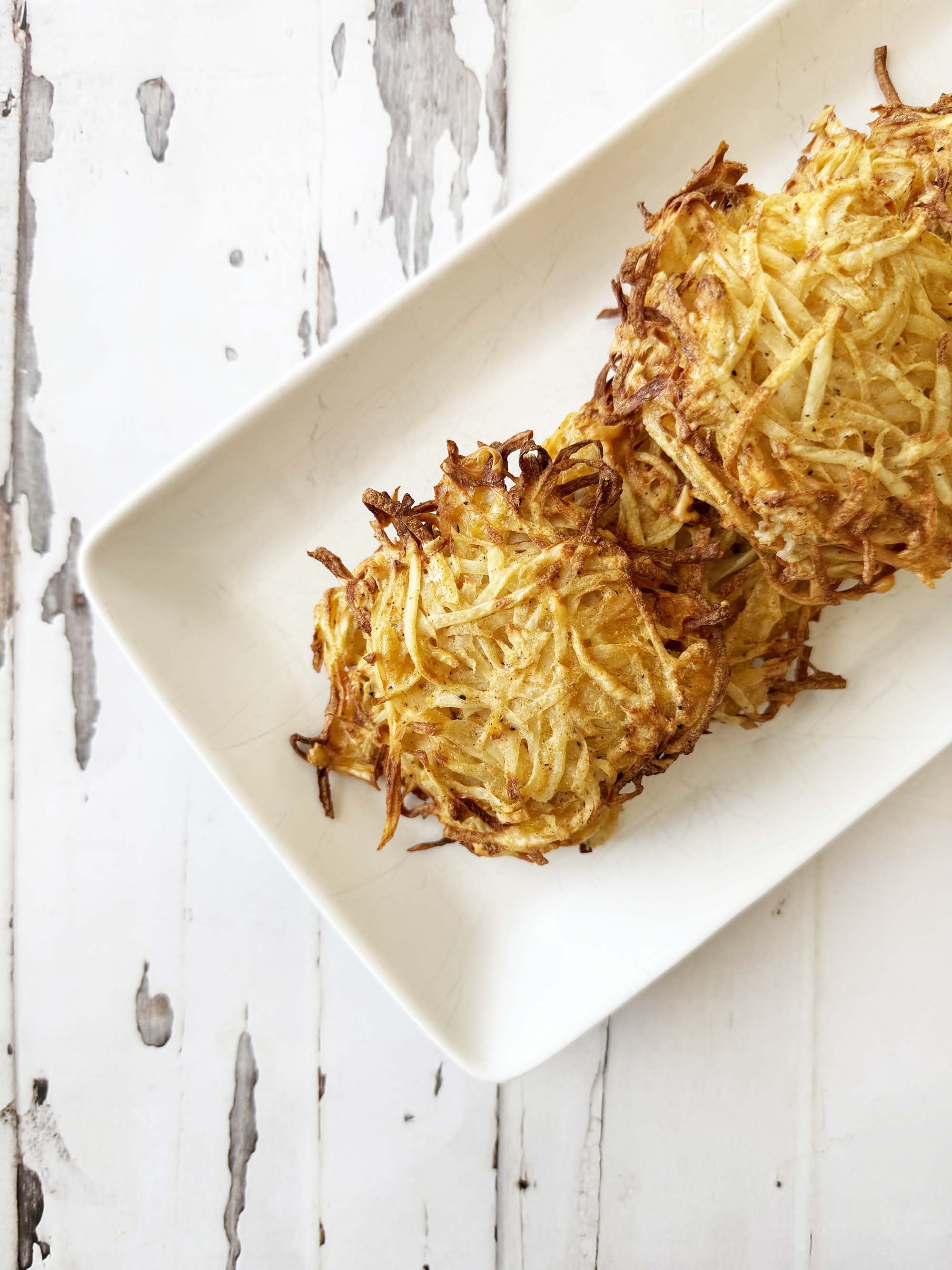
Baking relies on ambient air heat, which struggles to exceed the 212°F (100°C) boiling point of water until the surface is nearly dry. By the time an oven-dried hash brown achieves crispness, the interior often turns mealy or dry. The skillet bypasses this limitation. The metal pan transfers energy directly into the potato shreds, allowing the surface water to flash-evaporate while the starches gelatinize and then crisp simultaneously.
Heat control is the second pillar of success. Medium-high heat is the target. If the pan is too cool, the potatoes steam in their own released moisture, resulting in a soggy, grey disc rather than a crispy golden one. If the heat is too high, the exterior burns before the interior cooks through. A properly preheated pan ensures the hash browns sizzle immediately upon contact, locking in the structure needed for that signature crunch.
Choosing the right potato and tool
The physics of a crispy hash brown relies on one variable: starch. Russet potatoes are the only viable choice because their high starch content and low moisture create the structural integrity needed for crunch. Waxy potatoes hold too much water and contain less starch, resulting in a gummy, pale patty that steams itself rather than frying. You need a potato that shreds into dry, distinct strands, not a cohesive mash.
To get those strands, your tool matters as much as the tuber. A box grater works in a pinch, but a dedicated potato shredder or food processor attachment produces uniform, wispy ribbons. Uniformity ensures even heat distribution; if some shreds are thick and others thin, the thin ones burn while the thick ones remain soggy.
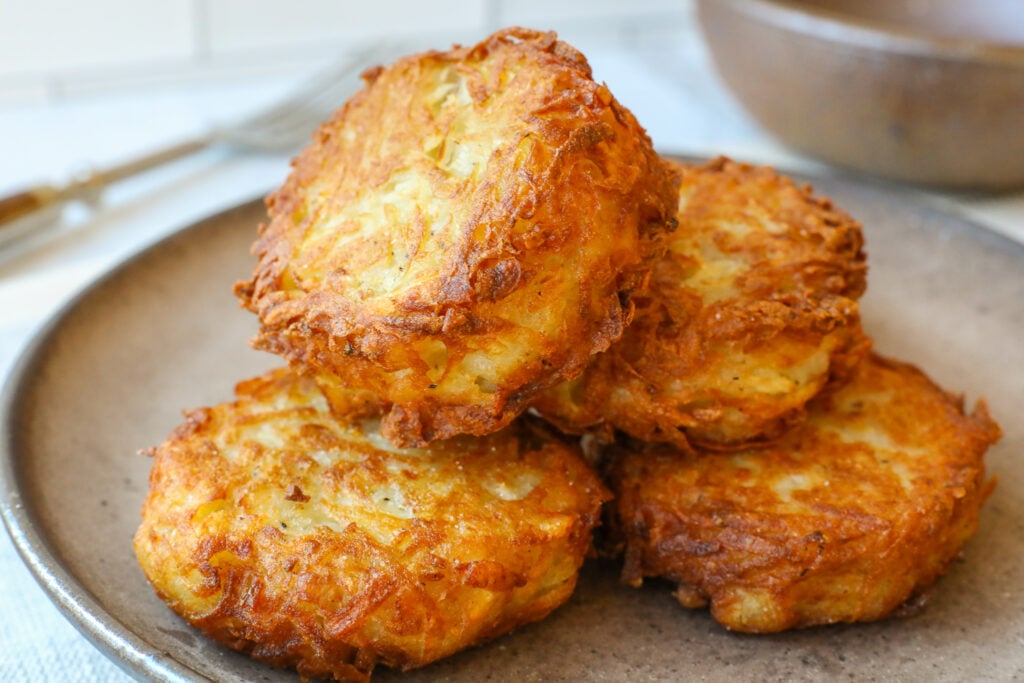
Pick a large, firm Russet with rough, dark skin. These potatoes have the highest starch-to-water ratio, which is critical for crisping. Avoid any potatoes with green spots or softness, as these indicate spoilage or improper storage that affects flavor and texture.
Use a box grater’s large holes or a food processor shredding disk. The goal is thin, wispy strands that look like coarse cheese. Avoid grating too finely, which turns the potato into a paste, or too coarsely, which prevents the strands from bonding into a solid patty.
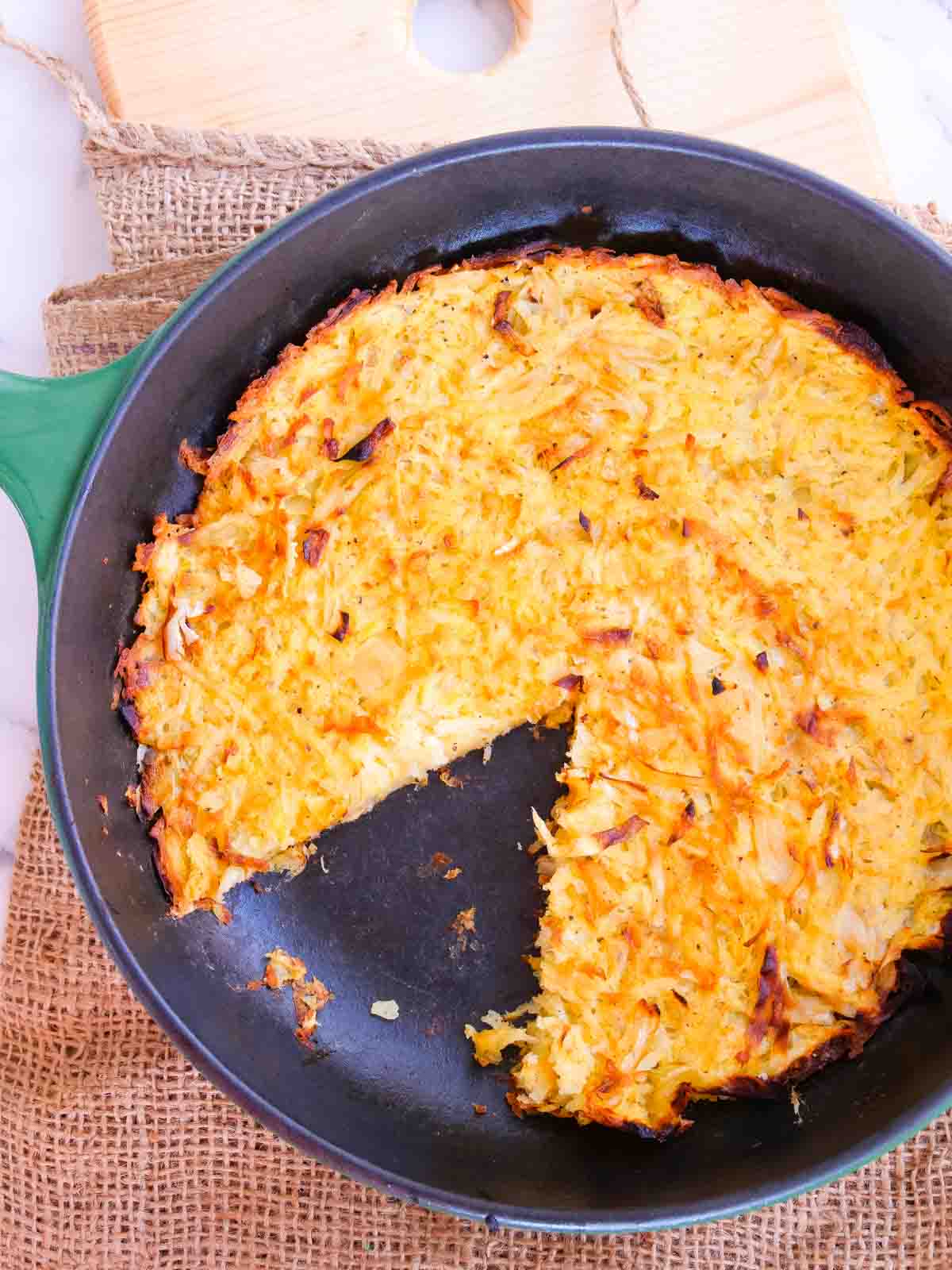
Place the shredded potatoes in a bowl of cold water and swish them around. This washes away excess surface starch that would otherwise cause the hash browns to stick to the pan and burn before the interior cooks. Drain thoroughly in a colander.
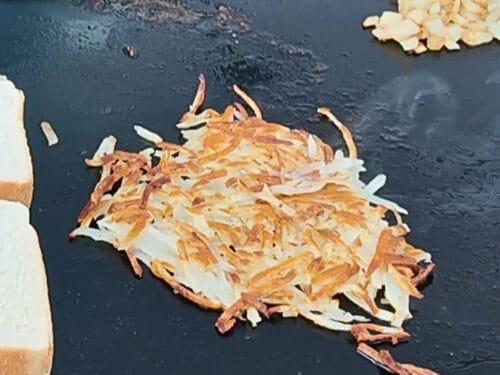
This is the most critical step for texture. Wrap the drained potatoes in a clean kitchen towel or cheesecloth and squeeze with maximum force. You must remove as much water as possible; if the towel is wet, you haven’t squeezed enough. Dry shreds equal crispy hash browns.
Remove moisture to guarantee crisp hash browns
Water is the primary obstacle to achieving a golden, shatteringly crisp crust. When shredded potatoes hit hot oil, the surface moisture turns to steam. This steam creates a barrier that prevents the Maillard reaction—the chemical browning process responsible for flavor and texture. Instead of frying, the potatoes essentially steam themselves, resulting in a soft, gray, and soggy patty.
The goal is to extract as much free water as possible before the potato ever touches the pan. Think of the potato shreds like a sponge; until you wring it out, the heat energy will be wasted evaporating that internal water rather than crisping the starches.
The towel squeeze technique
Place your shredded potatoes in a clean, thin kitchen towel or a few layers of cheesecloth. Gather the edges and twist tightly, applying firm, sustained pressure over the sink. You are looking for a significant amount of liquid to drip out. If the towel feels damp to the touch after the initial squeeze, switch to a dry section of the towel and squeeze again. Repeat until the cloth comes away dry.
For maximum efficiency, you can also use a salad spinner. Toss the shreds in the spinner and run it for 30-60 seconds. This centrifugal force removes surface water quickly, though you may still need a final towel squeeze to remove residual moisture trapped in the starch.
The Bon Appétit test kitchen emphasizes that you should "squeeze again, with all of your might." This repetition is not optional. The drier the shreds, the faster they will crisp and the longer they will stay that way. A wet potato will turn limp within minutes of coming out of the pan; a dry potato will maintain its crunch for the duration of the meal.
Cooking for golden crunch
Achieving a uniform, shattering crust requires treating the skillet as a heat management system rather than just a cooking vessel. The goal is rapid surface dehydration. When potato starch hits hot oil, the moisture on the surface evaporates instantly, creating a porous, rigid shell. If the heat is too low, the potatoes steam in their own released water, resulting in a soggy, pale disc. If it is too high, the exterior burns before the interior cooks through.
Heat and oil selection
Preheat your skillet to medium-high before adding the oil. A cast-iron or carbon steel skillet is ideal because it retains heat well, preventing temperature drops when the cold, wet potatoes hit the pan. Add enough neutral oil with a high smoke point, such as vegetable or canola oil, to coat the bottom generously. The oil should shimmer but not smoke. This initial heat shock is critical; it seals the surface immediately, locking in structure and preventing the shreds from sticking together into a dense, gummy mass.
The undisturbed rule
Once the potatoes are spread in an even layer, resist the urge to stir. This is the most difficult but essential step. Let the hash browns cook undisturbed for 6 to 8 minutes. During this time, the Maillard reaction is occurring at the interface between the potato and the pan. Stirring now breaks the forming crust and redistributes the moisture, resetting the crisping process. You are waiting for a solid, golden-brown foundation to develop.
Flipping and finishing
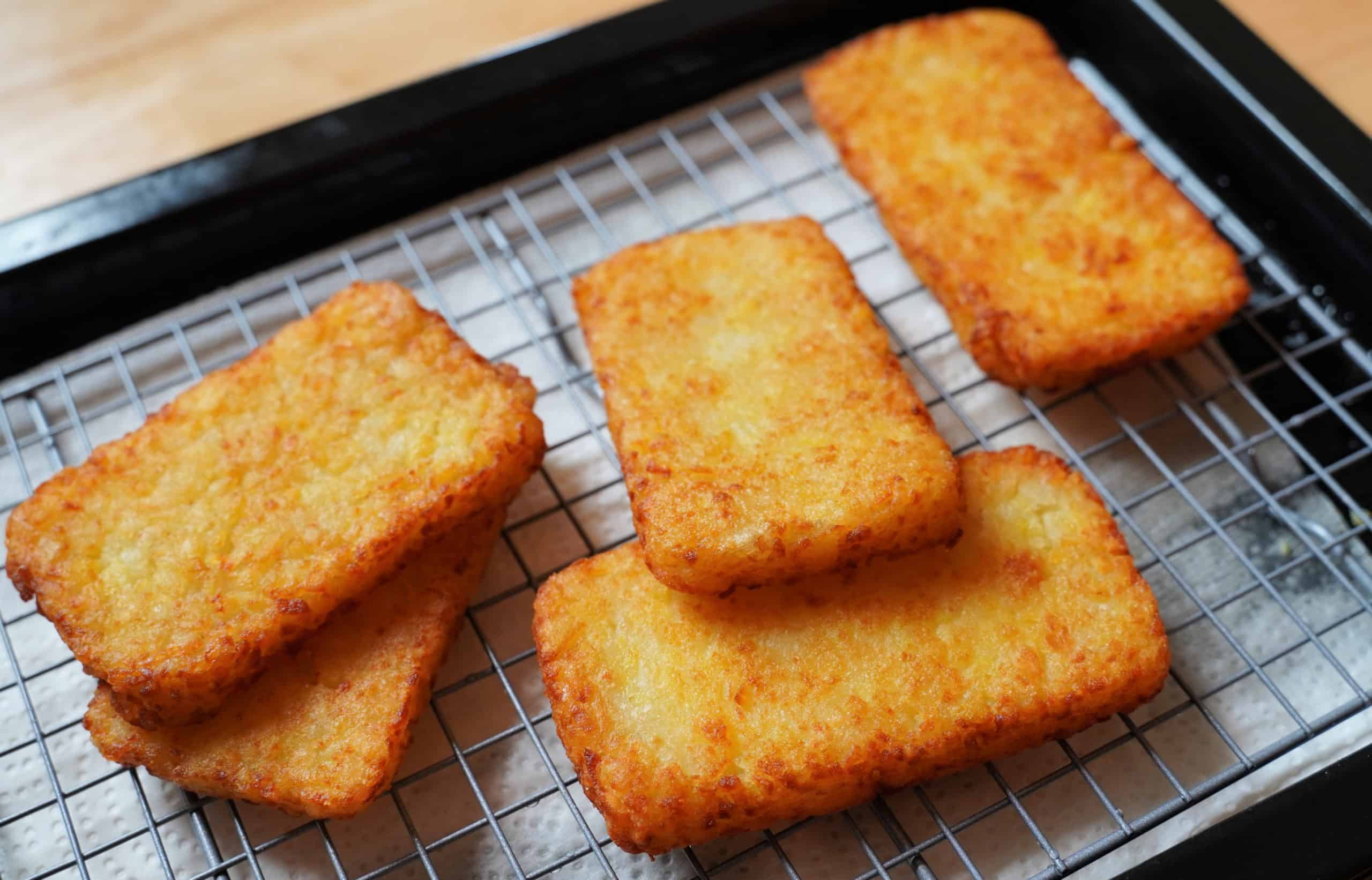
After the first side is deeply golden, use a spatula to flip the hash browns in sections or as one large patty. The second side requires less time—typically 3 to 5 minutes—since the interior is already cooking. Press down gently with the spatula to ensure full contact with the hot surface. Remove from the heat when both sides are crisp and the internal temperature is safe. Transfer to a wire rack or paper towel-lined plate to drain excess oil, preserving the crunch.
Troubleshooting soggy hash browns
Even with the right ingredients, hash browns can fail if the physics of heat transfer isn't managed correctly. The three most common failures—sogginess, sticking, and burning—are usually symptoms of moisture imbalance or incorrect temperature control. Understanding how water evaporates and how starches caramelize helps you fix these issues before they happen.
The moisture problem
Sogginess is almost always caused by excess water trapped in the potato shreds. If the potatoes are not squeezed dry, the skillet becomes a steamer rather than a fryer. Water must evaporate before the surface temperature can rise high enough to crisp the exterior.
Always squeeze your shredded potatoes in a clean kitchen towel or cheesecloth until no more liquid drips out. This step is non-negotiable for achieving that deep golden crunch. If the potatoes feel wet to the touch, squeeze them again.
Preventing sticking
Pancake-like sticking happens when the potatoes bond to the metal before a crust forms. This is often a result of insufficient fat or a pan that hasn't reached the right temperature.
Controlling the heat
Burning occurs when the heat is too high for the moisture content inside the potato. If the outside chars before the inside cooks through, you have a temperature mismatch.
Aim for medium-high heat. This ensures the hash browns get crispy without burning. If you see smoke or the edges darken too quickly, lower the heat immediately and cover the pan for a minute to steam the interior. This technique allows the inside to cook through while preserving the crisp exterior.
Serving and storage tips
The physics of a crispy hash brown is fragile. Once the Maillard reaction creates that golden crust, moisture is the enemy. Serve immediately while the exterior is still shattering against the fork. Pair with high-acid or high-fat accompaniments to cut through the starch. Eggs provide the necessary protein structure, while a dollop of Greek yogurt or sour cream adds the tang that balances the savory oiliness. Think of the hash brown as a vehicle for these toppings, not just a side dish.
If you must save leftovers, cooling them incorrectly will ruin the texture. Let the hash browns cool on a wire rack, not a plate. Trapped steam underneath will soften the bottom crust within minutes. Once cool, store them in an airtight container in the refrigerator for up to three days. Do not freeze them if you want to preserve the skillet-fried crunch; freezing introduces ice crystals that disrupt the starch matrix.
Reheating requires restoring the surface tension without drying out the interior. Avoid the microwave, which turns the potatoes rubbery by steaming them from the inside out. Instead, use a skillet or toaster oven. A skillet over medium heat with a teaspoon of oil will re-crisp the exterior in three to four minutes. A toaster oven at 400°F (200°C) works for larger batches, spreading the potatoes in a single layer to ensure even air circulation.
-
Dry potatoes thoroughly before frying
-
Cook undisturbed on medium-high heat
-
Serve immediately for maximum crispness
-
Cool on a wire rack before storing
No comments yet. Be the first to share your thoughts!