
Why russet potatoes win
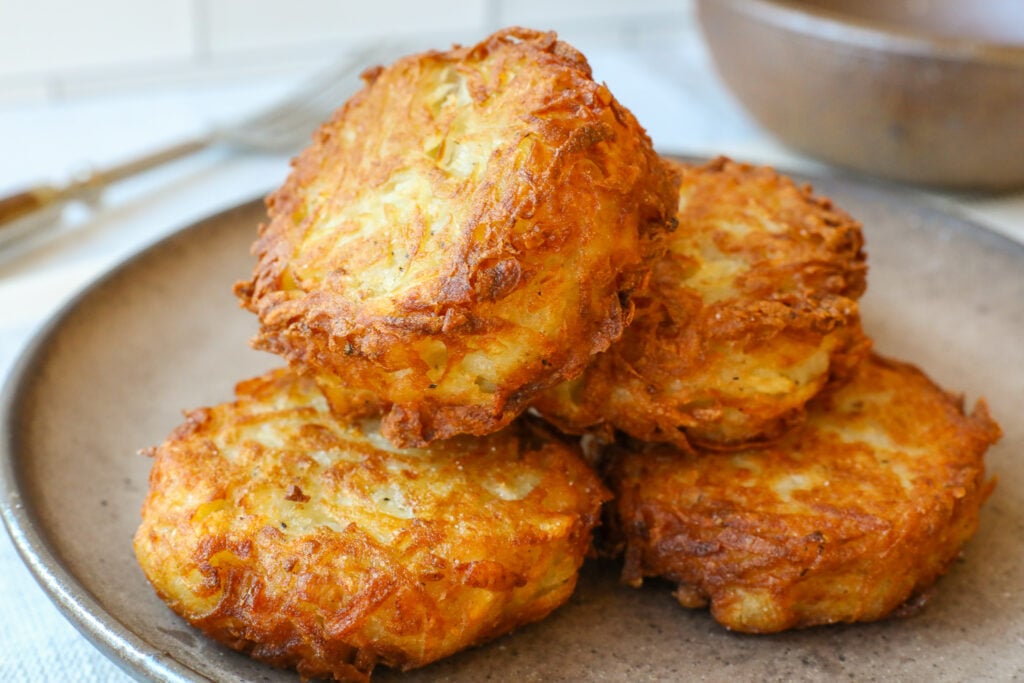
If you want crispy, golden hash browns, the potato you choose is the most important decision you’ll make before even turning on the stove. Russet potatoes are the undisputed champions for this dish, and it all comes down to starch. These potatoes have a high starch content and low moisture, which is exactly what you need to get that shattering crunch without turning your skillet into a soggy mess.
Waxy potatoes, like red new potatoes or Yukon Golds, hold together tightly because of their waxy texture and higher moisture. If you try to shred them for hash browns, they tend to clump and steam rather than fry. You’ll end up with something closer to a potato cake or a dense patty. Russets, on the other hand, break apart into clean, separate shreds that crisp up evenly in the pan.
Using a potato shredder is a game-changer here, too. It gives you consistent, thin shreds that cook uniformly and saves you a ton of time compared to grating by hand. Just remember to peel your russets first; the skins can burn easily and leave you with bitter, crunchy bits that ruin the texture.
Shred and squeeze dry
Before the skillet ever touches the stove, you need to tackle the potato’s biggest weakness: water. Moisture is the enemy of crispiness. If your shreds are wet, they will steam instead of fry, leaving you with a soggy, pale mess instead of the golden, crunchy crust you’re after. Getting this step right is the difference between a good hash brown and a great one.
Use a potato shredder for speed and consistency
Hand-grating potatoes is tedious and uneven. A potato shredder—whether the box grater or the food processor attachment—does the heavy lifting instantly. The goal is uniform strands. Even shreds cook at the same rate, ensuring that every bite has that satisfying crunch. Take your time to shred the russet potatoes evenly, avoiding large chunks or mushy bits.
Squeeze out every drop of liquid
Once shredded, the potatoes will look wet and cling together. This is normal, but you must remove the liquid. Place the shreds in a clean kitchen towel or several layers of cheesecloth. Gather the edges and twist tightly over the sink. Apply firm pressure and squeeze until no more water drips out. You might be surprised by how much liquid comes out. This dry, fluffy pile of shreds is ready for the pan.
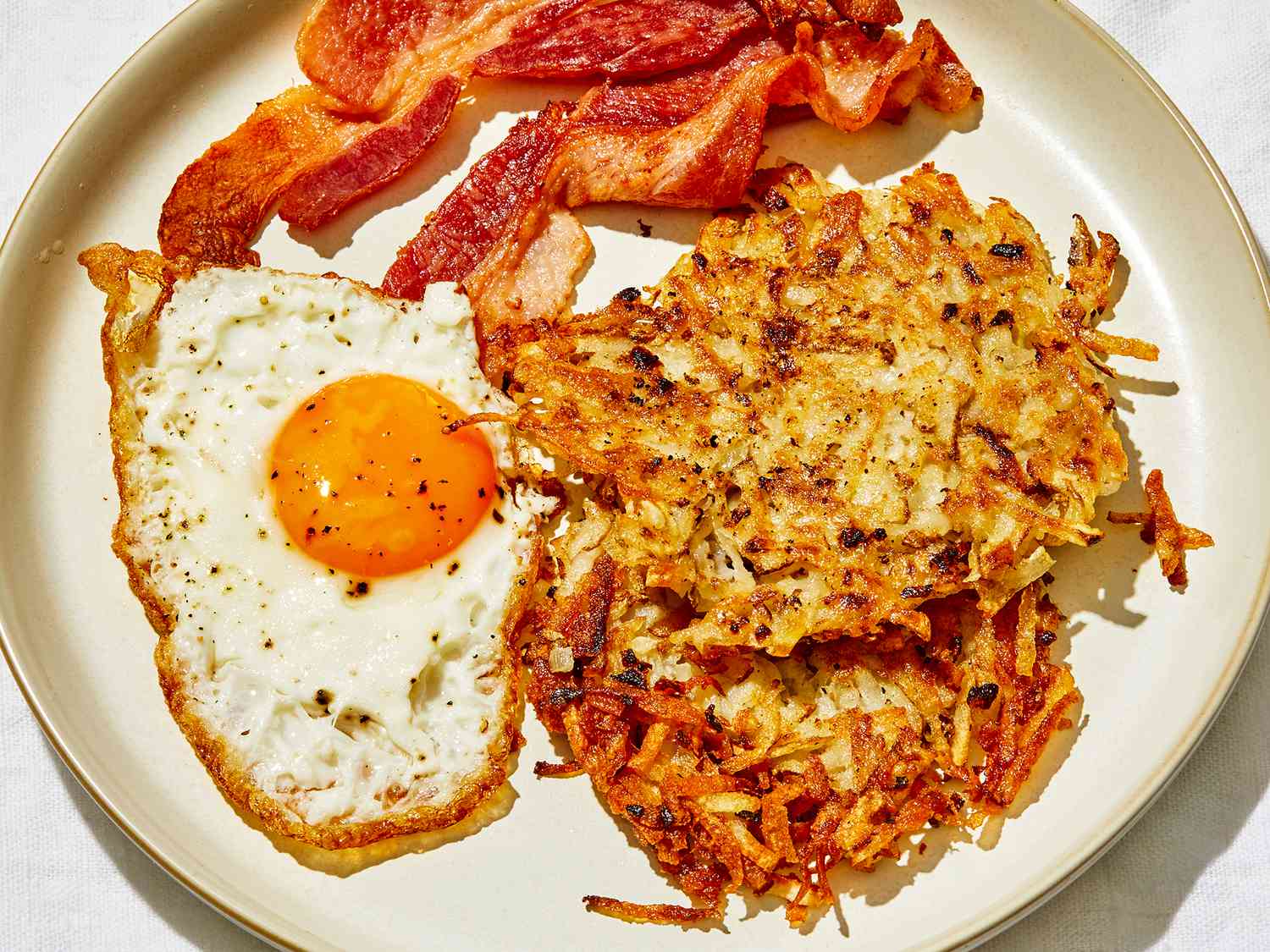
Use a box grater or food processor to shred peeled russet potatoes into uniform strands. Avoid large chunks or mushy bits to ensure even cooking.
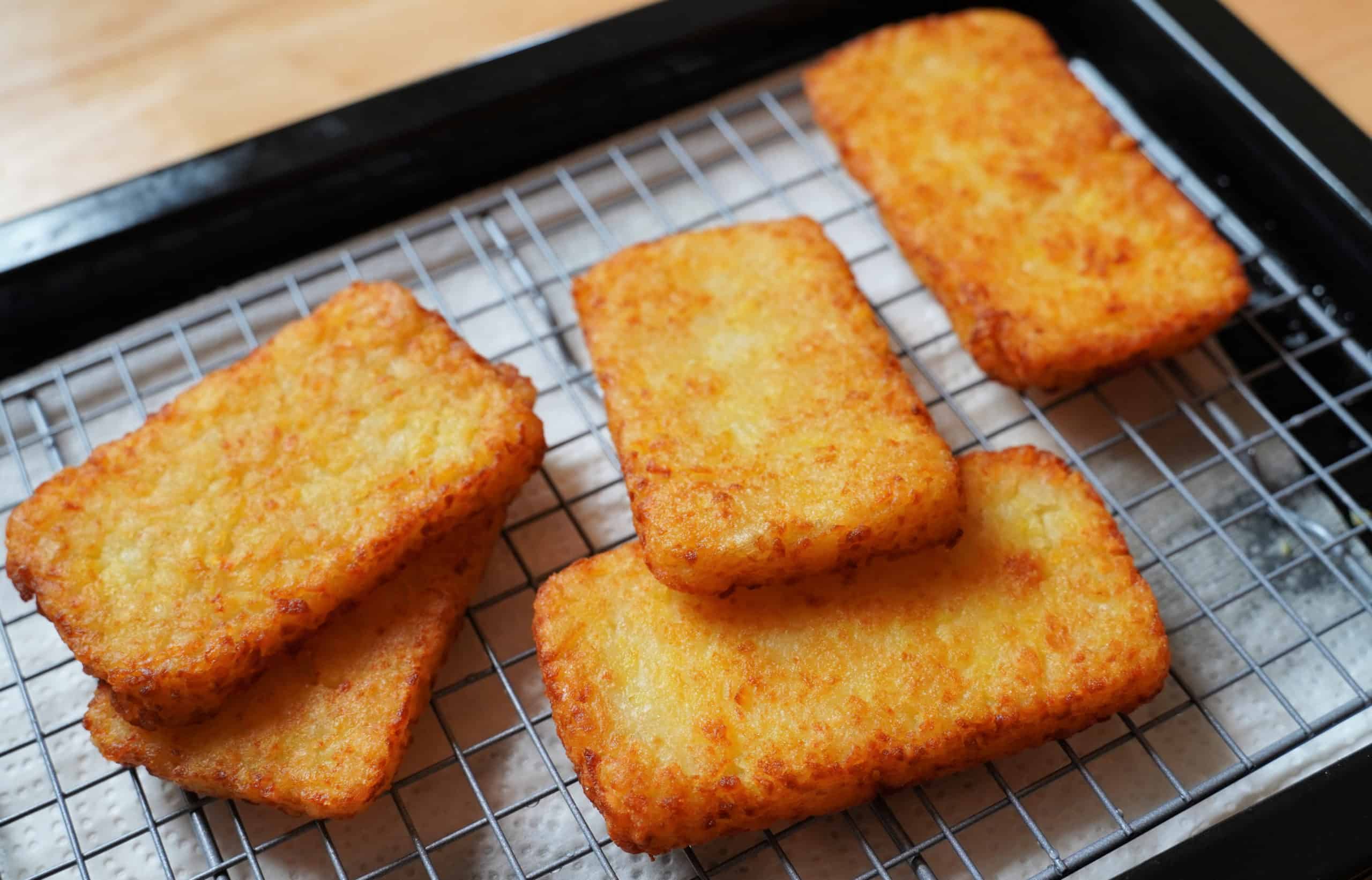
Place the shredded potatoes in a clean kitchen towel. Gather the edges and twist tightly over the sink, applying firm pressure until no more liquid drips out. This step is critical for achieving a crispy texture.
Pan-fry until golden
Now comes the part that turns shredded potatoes into something crispy and golden. The secret isn’t just heat—it’s patience and pressure. You want that bottom layer to crisp up before you flip, so let the skillet do the work without rushing.
Start by heating your skillet over medium-high heat. Add a mix of oil and butter. The oil raises the smoke point so the butter doesn’t burn, giving you that rich, nutty flavor without the bitter taste of scorched dairy. Wait until the butter foams and then settles—that’s your sign it’s ready.
Press the potato mixture firmly into the pan. Use a spatula to flatten it into an even layer. This ensures maximum contact with the hot surface, which is what creates that uniform crunch. If you’re using a potato shredder, you’ll notice the consistency is perfect for packing tight without being mushy.
Let it cook undisturbed for about 5-7 minutes. Watch for the edges to turn a deep golden brown. When you lift a corner with your spatula, it should release easily and look crisp. If it sticks, it just needs a minute or two more. Rushing the flip is the most common mistake that leads to soggy centers.
Once the bottom is set, slide your spatula under and flip the patty in sections or as one whole piece if you’re confident. Cook the other side until it matches the first—golden, crisp, and salty. Serve immediately while the heat is still working its magic.
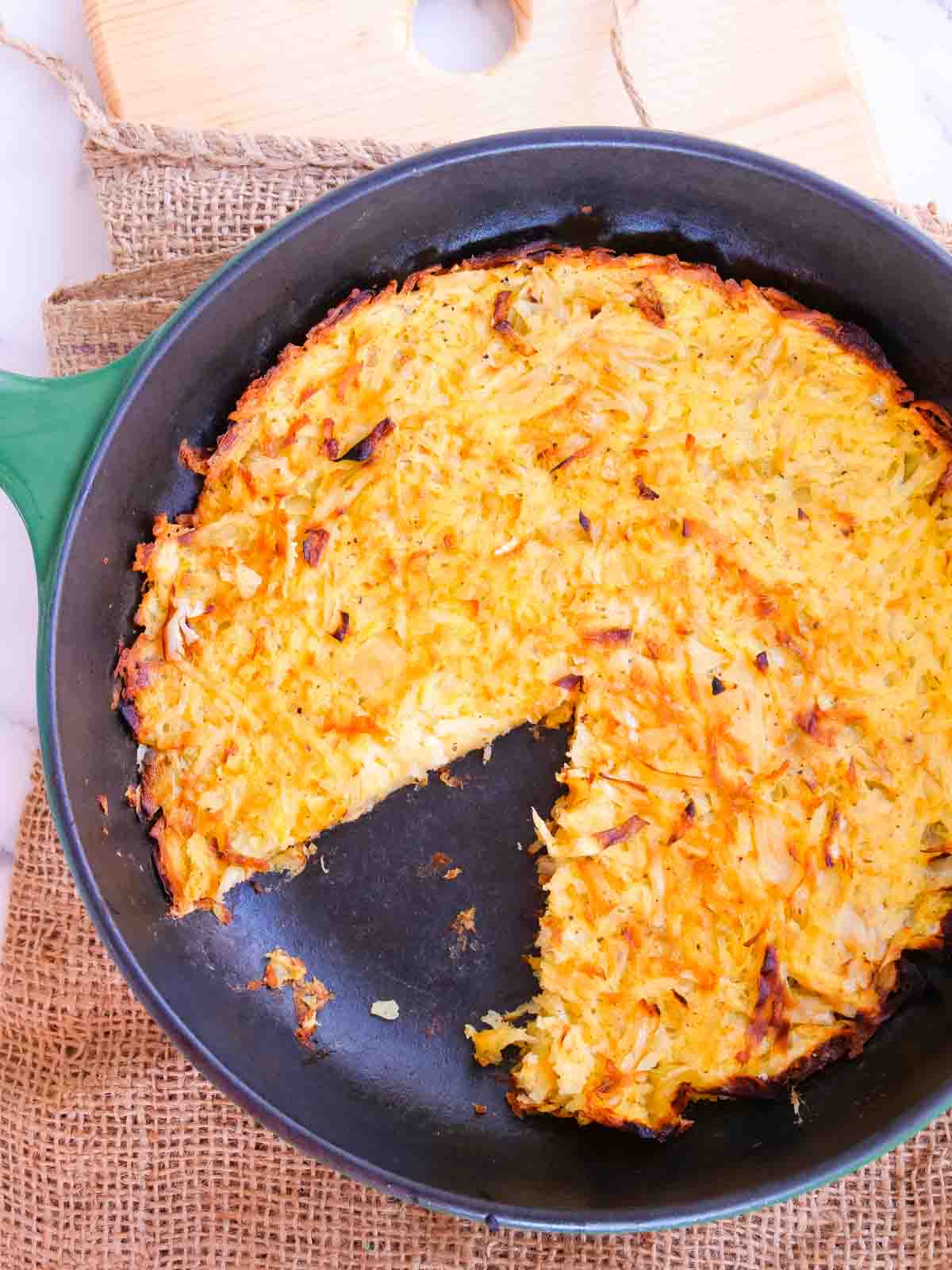
Add oil and butter to a large skillet over medium-high heat. Wait for the butter to foam and settle before adding potatoes.
Spread the shredded potatoes evenly and press down firmly with a spatula. This contact creates the crispy crust.
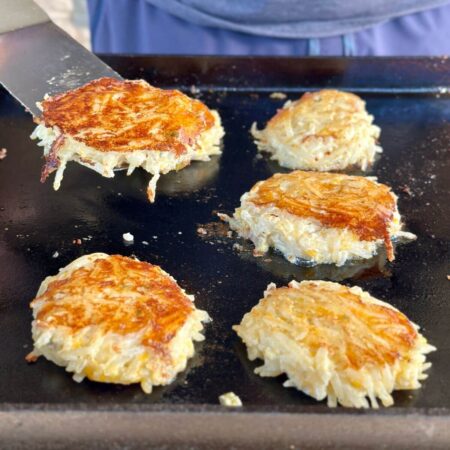
Let the hash browns cook for 5-7 minutes without moving them. Look for deep golden edges before attempting to flip.
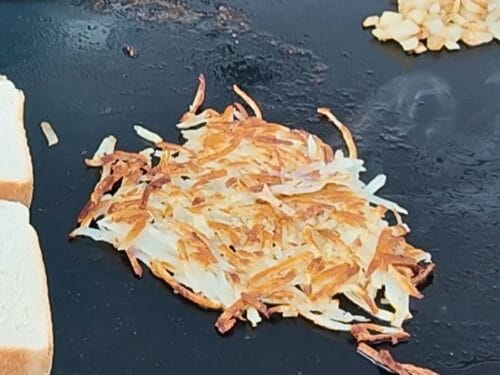
Flip the patties once the bottom is crisp. Cook the second side for another 5-7 minutes until equally golden and crunchy.
Gather your ingredients and tools
You only need a handful of simple pantry staples to get that signature golden crust. The secret isn't fancy spices; it's about letting the potatoes do the work. You'll want russet potatoes for their high starch content, which helps them crisp up beautifully. A bit of finely chopped onion adds savory depth, while flour and an egg act as the binding agents that keep your hash browns from falling apart in the pan.
The most important tool in your arsenal is a potato shredder. Whether you use a box grater or a food processor attachment, shredding the potatoes yourself gives you total control over the texture. It saves time compared to dicing and ensures every bite has that consistent, crispy edge. Pair this with a large skillet—preferably cast iron for even heat distribution—and you're ready to cook.
Serving and storing your crispy hash browns
These golden, crispy one-pan skillet hash browns are versatile enough to stand on their own or play the perfect sidekick. Serve them hot straight from the skillet for the best texture. They pair beautifully with scrambled eggs, bacon, or a dollop of sour cream. For a classic breakfast plate, pile them high and let the steam do its work.
If you have leftovers (though they rarely do), storing them properly is key to keeping them edible. Let the hash browns cool completely before moving them. Place them in an airtight container in the refrigerator for up to three days. Avoid stacking them while warm, as trapped steam will turn your crispy crust soggy.
When you’re ready to eat again, skip the microwave. It will soften those hard-earned crunches. Instead, reheat them in a hot skillet with a little butter or oil. This restores the golden exterior and keeps the interior fluffy. You can also crisp them in an air fryer for a few minutes.
To get that perfect texture every time, remember these three rules. Dry your shredded potatoes well before cooking. Keep the skillet hot and don’t crowd the pan. Use a potato shredder to ensure consistent thickness for even browning.
Common hash brown: what to check next
Even with a solid recipe, the journey to the perfect golden crust can feel tricky. A few simple adjustments to your potato choice and prep technique make all the difference between soggy and spectacular.
What is the best potato for crispy hash browns?
Starchy Russet potatoes are the undisputed champions for this dish. Their high starch content and low moisture create that airy, shattering crunch you crave. Waxy potatoes, like red or Yukon Gold, hold too much water and tend to steam instead of fry, leaving you with a softer, less crisp texture.
How do I stop my hash browns from sticking?
Patience is your best tool here. Let the shredded potatoes hit the hot oil and cook undisturbed for at least five minutes. You want a deep, golden-brown crust to form before you even think about flipping. If they stick, they likely just need a few more minutes to release naturally from the pan.
Why are my hash browns soggy instead of crispy?
Moisture is the enemy of crispiness. After shredding, you must squeeze the potatoes dry in a clean kitchen towel or cheesecloth. Remove as much liquid as possible; the drier the pile, the crispier the result. Also, ensure your skillet is properly heated before adding the potatoes to avoid steaming them.
Can I use a food processor instead of a shredder?
A box grater gives you the best control, but a food processor with a shredding disk is a massive time-saver. It produces consistent shreds quickly, which helps with even cooking. Just be careful not to over-process, as turning the potatoes into a mushy paste will prevent them from crisping up properly.
No comments yet. Be the first to share your thoughts!