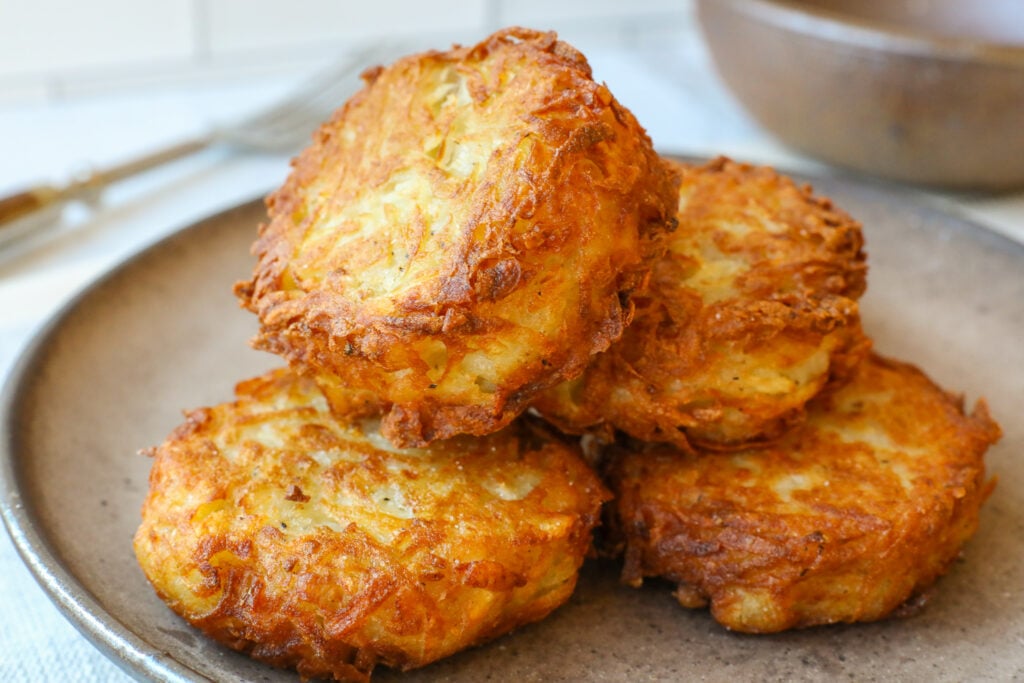

The 2026 Viral Crispy Hash Brown Skillet
This guide delivers a diner-style crispy hash brown skillet with a shatteringly crisp exterior and tender interior. The secret is aggressive moisture removal and high-heat searing.

Troubleshooting common issues
If your hash browns are soggy, the issue is almost always moisture. Frozen hash browns are essentially compressed ice blocks. If you skip the squeeze, they steam rather than fry. Squeeze them thoroughly in a clean kitchen towel or cheesecloth before cooking. Removing that excess water is the single most important step for achieving a golden crust.
For texture, use a combination of oil and butter. Oil has a higher smoke point, which helps prevent burning at medium-high heat, while butter provides the rich flavor diners expect. A mix of olive oil and butter works well. Just keep the heat steady; if the butter burns, it will leave a bitter taste on your potatoes.
Patience is key when flipping. Let the potatoes cook undisturbed for about 5 to 10 minutes on the first side. This allows a solid, crispy layer to form. If you try to flip them too early, they will break apart. Once the bottom is deeply golden and releases easily from the pan, flip it over to finish cooking the other side.
Swaps and variations
You can adjust the core ingredients without losing that signature diner-style crunch. The goal is maintaining the ratio of starch to potato and ensuring the fat is hot enough to crisp the exterior before the inside turns soggy.
| Ingredient | Swap | Effect | Note |
|---|---|---|---|
| Cornstarch | Rice flour | Similar crunch | Rice flour absorbs moisture slightly differently; pat potatoes drier. |
| Cornstarch | Potato starch | Extra crispiness | Best for removing moisture; creates a lighter, glassier crust. |
| Vegetable oil | Butter + Oil | Richer flavor | Butter burns easily; use half oil to prevent scorching at medium-high heat. |
| Vegetable oil | Avocado oil | Neutral high-heat | Higher smoke point than butter; keeps the taste clean and neutral. |
| Shredded frozen | Hand-shredded fresh | Better texture | Fresh potatoes release more water; you must rinse and squeeze them thoroughly. |
| Shredded frozen | Pre-shredded frozen | Convenient | Often contain anti-caking agents; may result in slightly less uniform browning. |
Serving and storage
The best time to eat these hash browns is immediately after they come off the heat. If you are cooking for a crowd, keep the finished batch warm in a 200°F oven on a wire rack. This prevents the bottom from steaming in its own moisture, which is the fastest way to turn a crispy crust into a soggy one.
For leftovers, let the skillet cool completely before storing. Transfer the hash browns to an airtight container in the refrigerator, where they will keep for up to three days. Avoid stacking them while warm; condensation will ruin the texture before you even reheat them. If you have a large batch, freezing is a practical option. Place cooled hash browns in a single layer on a baking sheet, freeze until solid, then transfer to a freezer bag. They will last for two months.
Reheating is where most people make mistakes. The microwave is the enemy of crispiness—it will turn your hash browns soft and chewy. Instead, use an oven or an air fryer. Spread the hash browns in a single layer on a baking sheet and bake at 400°F for 10-15 minutes, or until the edges are hot and crisp again. An air fryer works even faster at 375°F for about 5-7 minutes. These methods restore the original texture by driving out moisture that accumulated during storage.
For serving, simple is best. The hash browns have enough salt and flavor on their own. A dollop of sour cream or a sprinkle of chives adds freshness without masking the potato flavor. They pair well with eggs, bacon, or a simple breakfast sandwich. Avoid heavy sauces that might drip and soften the crust as you eat.
No comments yet. Be the first to share your thoughts!