
Pick the right potatoes
The foundation of any great skillet dish starts with the starch. For crispy hash browns, you want a potato that is low in moisture and high in starch. This combination ensures that the shreds separate easily, allowing heat to reach every surface and create a uniform, golden crust rather than a soggy, steamed mass.
Russet Burbanks: The Gold Standard
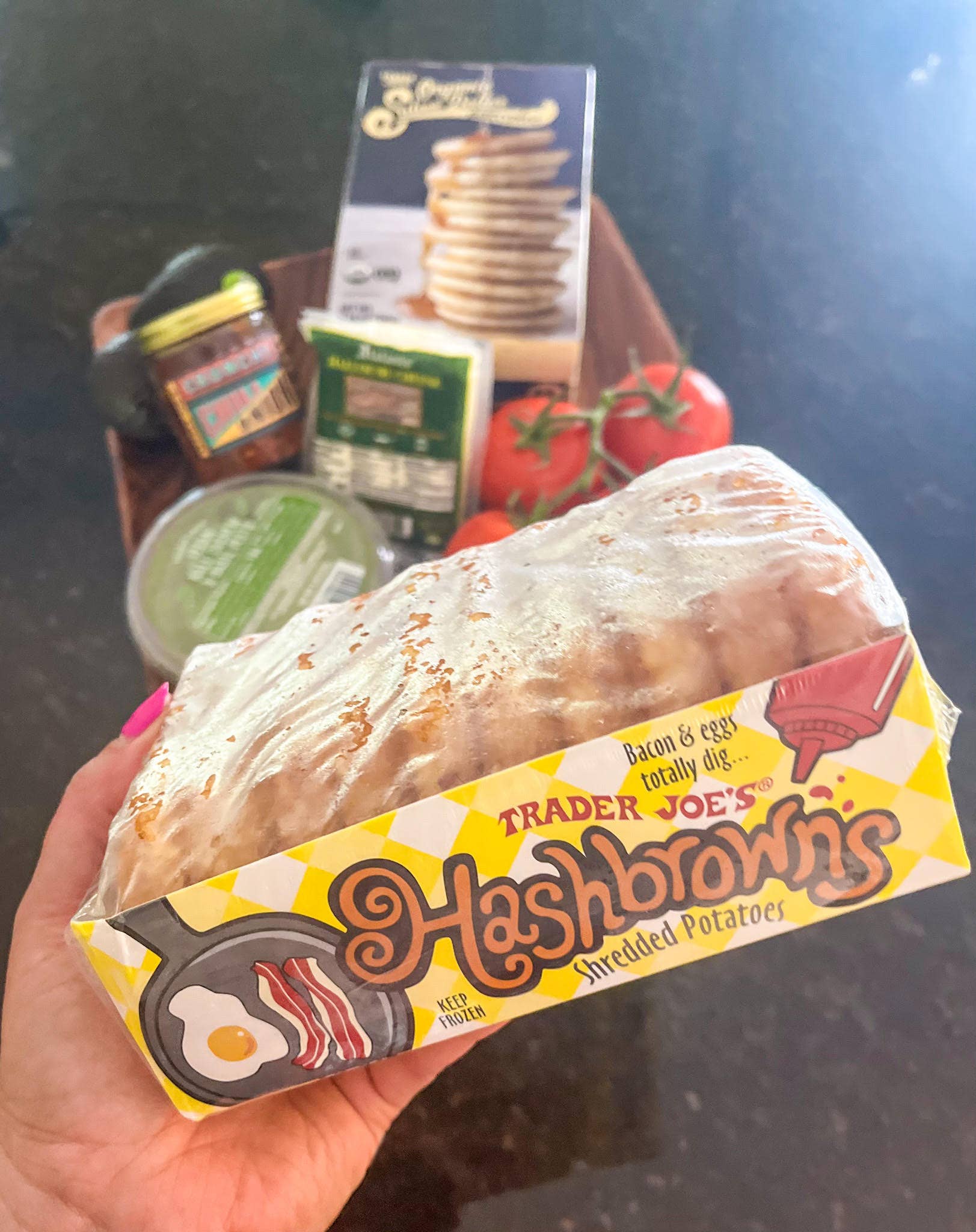
Russet potatoes are the undisputed choice for diner-style hash browns. Their thick, brown skin and mealy texture mean they break down into shreds with plenty of exposed starch. When these shreds hit hot oil, the starch gelatinizes and then crisps, creating a lattice-like structure that holds together while turning crunchy. Look for firm, heavy russets with no green spots or soft bruises. Avoid waxy varieties like Red Bliss or Yukon Gold if your primary goal is maximum crunch; they hold their shape too well and often result in a softer, chewier exterior.
The Starch-Moisture Balance
Choosing the right potato is only half the battle. Even with a russet, excess moisture will prevent browning. After shredding, rinse the potatoes in cold water to remove surface starch, then squeeze them dry in a clean kitchen towel or cheesecloth. This step is critical. If the shreds are wet, they will steam in the pan. If they are dry, they fry. The goal is a shaggy, dry pile of shreds that sizzle immediately upon contact with the skillet.
Shred and dry the potatoes
The difference between crispy hash browns and a soggy mess comes down to one thing: moisture. Potatoes are mostly water. When you grate them, you release that water along with starch. If you don't remove the water, the potato steams itself in the pan. You get soft, pale shreds instead of golden, crunchy edges. Removing the water is the single most important step in this entire process.
Start with cold potatoes. Heat encourages enzymatic browning, turning your shreds gray before they even hit the oil. Peel them if you prefer a smoother texture, though leaving the skin on adds rustic crunch. Use the large holes of a box grater or a food processor fitted with a shredding disk. Work quickly so the potatoes stay cold.
Immediately submerge the shredded potatoes in a bowl of cold water. Swirl them around with your hands. The water will turn cloudy white as starch washes off. This starch is what makes hash browns stick together and turn gummy. Drain the cloudy water and repeat with fresh cold water until it runs clear. This step alone prevents the "gluey" texture many home cooks complain about.
Transfer the rinsed shreds to a clean kitchen towel or several layers of cheesecloth. Gather the edges and twist tight. Squeeze with all your might. You should see water streaming out. If the shreds feel damp to the touch, they are still too wet. Dry potatoes fry; wet potatoes steam. Do not skip this step or your hash browns will never crisp up properly.
Once dry, toss the shreds with salt and any other seasonings. The salt draws out a little more moisture as they cook. Spread the potatoes in a thin, even layer in your hot skillet. Press them down firmly with a spatula. This compact layer ensures maximum contact with the hot pan, creating a unified, crispy crust rather than individual loose shreds.
Think of this process like wringing out a sponge. If you try to clean a surface with a wet sponge, you just spread the dirt around. You need a dry sponge to absorb effectively. Similarly, you need dry potatoes to absorb the oil and develop a crust. Bon Appétit's test kitchen emphasizes this two-stage squeeze: squeeze, toss to redistribute, then squeeze again with all your might. It feels tedious, but it is the only way to guarantee that restaurant-style crunch at home.
Fry in a hot cast iron pan
A well-seasoned cast iron skillet is the engine that drives crispy hash browns. The heavy iron retains heat like a battery, preventing the temperature from dropping when you add cold, wet potatoes. This thermal mass is non-negotiable for achieving that deep, golden crust rather than a steamed, soggy mess.
Start by heating the pan over medium-high heat. Add enough neutral oil to coat the bottom generously; the potatoes need to fry, not just sauté. Wait until the oil shimmers and ripples slightly. If you drop a single shred of potato in and it doesn’t sizzle immediately, the pan isn’t ready yet. Patience here prevents sticking and ensures the exterior sears before the interior overcooks.
Spread the shredded potatoes in an even layer. Press them down firmly with a spatula to create a compact patty. This density is critical. Loose shreds cook unevenly, while a tight pack allows steam to escape from the center, leaving the exterior to crisp up. Do not touch the hash browns for the first five to seven minutes. Let the Maillard reaction do its work undisturbed.
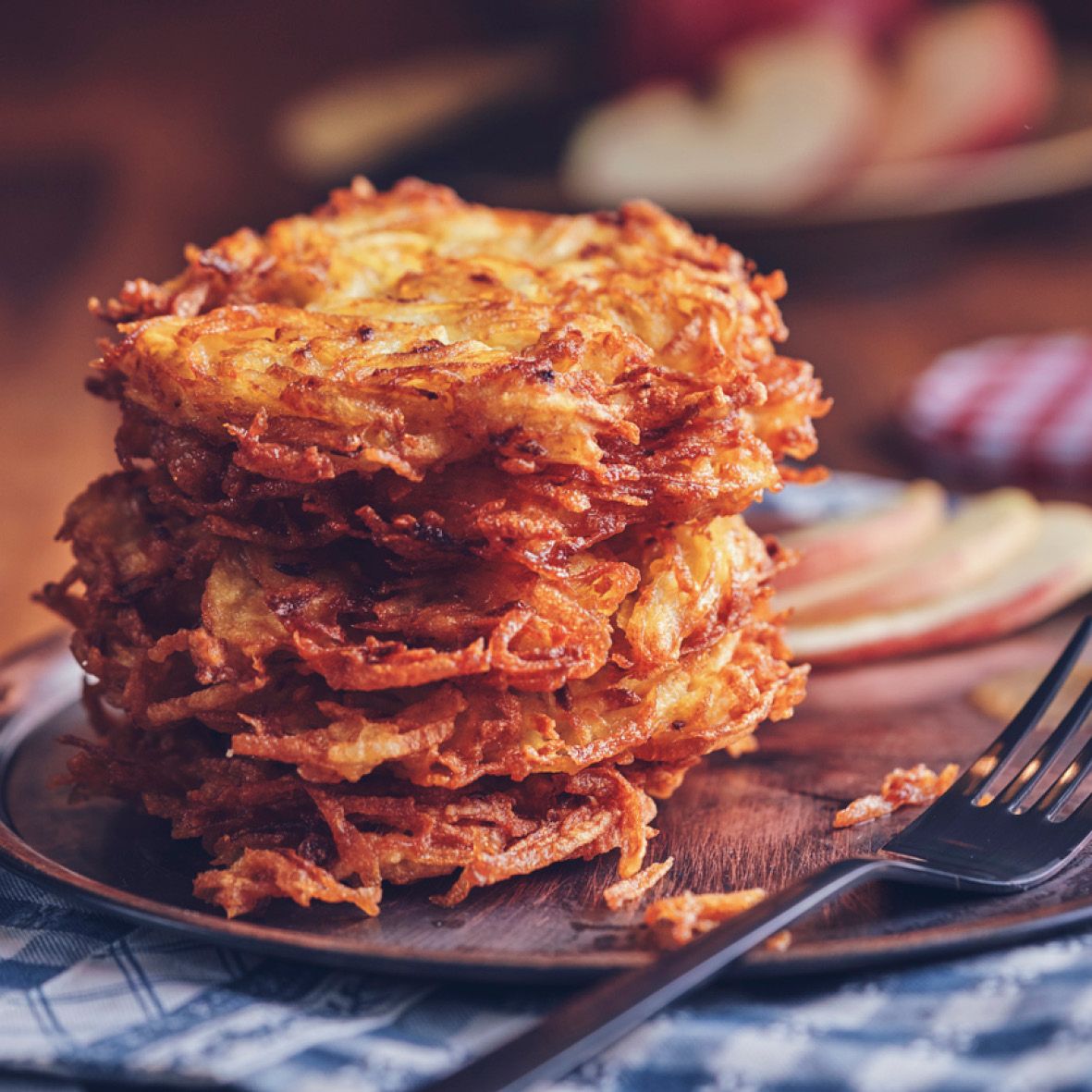
The visual cue for flipping is color, not time. Lift a corner gently. If the underside is a deep, uniform golden brown, it is ready to flip. If it looks pale or the potatoes are sticking, give it another minute. Rushing this step is the most common reason for failure. Once flipped, cook the second side for another five to seven minutes until the internal temperature reaches safe levels and both sides are equally crunchy.
Remove the hash browns from the pan and drain them on a wire rack or paper towels immediately. Salting them right after they come off the heat helps the seasoning adhere to the oily surface. Serve hot to maintain the structural integrity of the crust.
Season and serve immediately
Remove the skillet from the heat the moment the bottom layer achieves a deep, golden-brown crust. While the hash browns are still piping hot, sprinkle them generously with flaky sea salt and freshly cracked black pepper. The heat will help the salt adhere to the crispy edges without dissolving into the potato, preserving that essential crunch. Add any fresh herbs, such as chives or parsley, at this stage to prevent them from wilting into the hot oil.
Transfer the hash browns directly to a warm plate. Serving them immediately is non-negotiable for achieving the best texture. As they sit, steam trapped beneath the patty will soften the crispy exterior, turning a desirable crunch into a soggy layer. If you are cooking multiple batches, keep the finished ones warm in a low oven (200°F/95°C) on a wire rack rather than stacking them, which traps moisture.
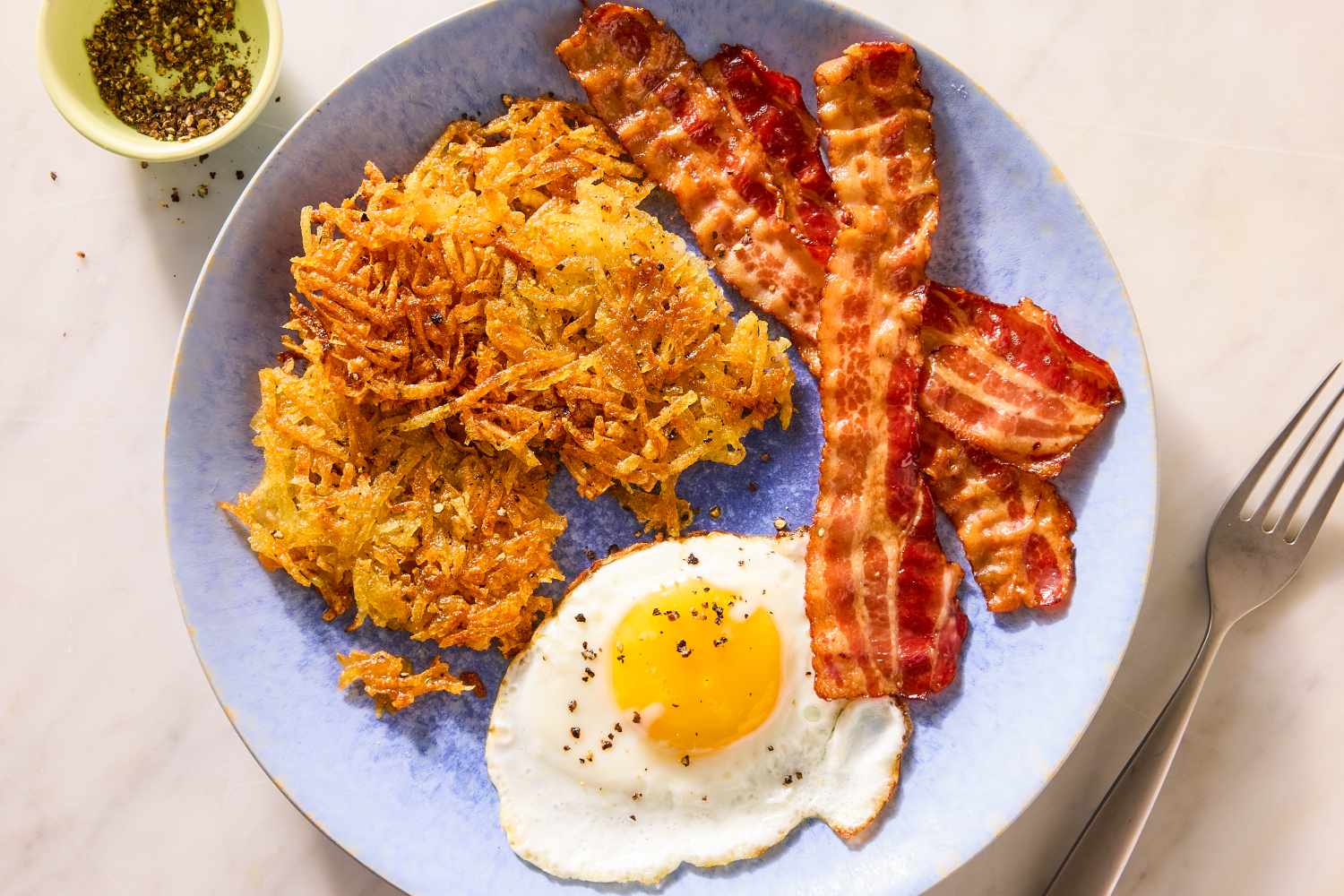
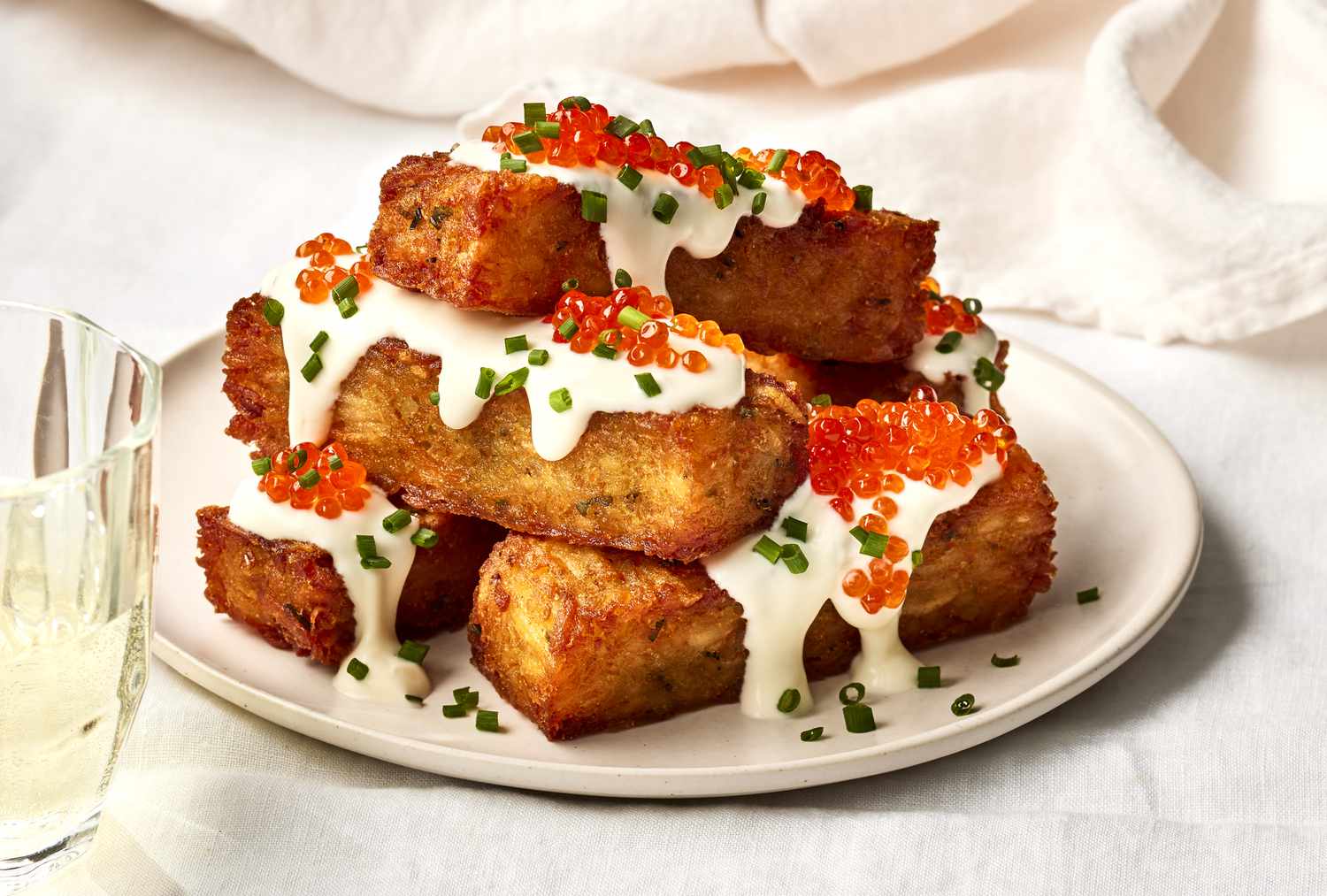
Pair your crispy hash browns with classic breakfast staples. They stand up well to rich, savory toppings like crumbled bacon, sautéed mushrooms, or a dollop of sour cream. For a lighter touch, serve alongside fresh fruit or a simple green salad. The contrast between the hot, salty potatoes and cool, acidic sides balances the richness of the cooking oil.
Whether you are serving them as part of a weekend brunch spread or a quick weeknight side, the goal is simple: maximum crunch, maximum flavor, zero waiting. Treat the final minute of cooking as part of the technique, not just an afterthought.
Common hash brown mistakes
Even with the right potatoes, small technique errors can turn a potential diner-style breakfast into a soggy mess. The difference between a golden, crunchy crust and a pale, soft pile usually comes down to moisture control and pan management.
Soggy, not crispy
Potatoes are mostly water. If you skip the drying step, that moisture steams the shreds instead of frying them. Squeeze the shredded potatoes in a clean kitchen towel or cheesecloth until your hands are wet and the potatoes feel dry to the touch. This is the single most important step for achieving crispy hash browns.
Sticking to the pan
A cold pan or insufficient fat causes the starches to bond with the metal. Make sure your skillet is hot and well-oiled before adding the potatoes. If you are using a nonstick skillet, a light coating of oil is still necessary. If you are using cast iron or stainless steel, wait until the oil shimmers before adding the potatoes.
Uneven browning
Piling the potatoes too high traps steam in the center. Spread the shredded potatoes in a thin, even layer. This allows heat to reach every shred directly. Press down gently with a spatula to create a compact patty, but do not pack it so tightly that steam cannot escape.
Flipping too soon
Patience is key. If you try to flip the hash browns before the bottom has set, they will break apart. Let them cook undisturbed for 5 to 7 minutes. Lift a corner to check for a deep golden-brown color. Only flip when the underside is firmly crisped and releases easily from the pan.
Frequently asked: what to check next
Crispy Hash Browns Recipe
Follow these steps to make diner-style crispy hash browns in a skillet. The secret lies in a thin, even layer and patience while the potatoes brown.
No comments yet. Be the first to share your thoughts!