
Choose the right potatoes
The foundation of any crispy hash brown is the potato itself. You cannot force a starchy potato to behave like a waxy one, nor can you expect a waxy potato to deliver the shattering crunch of a classic diner patty. For skillet hash browns, you need a potato that releases its starches when heated, acting as a natural glue to bind the shreds together while creating a golden, rigid crust.
Russet potatoes are the gold standard for this task. Their high starch and low moisture content means they dry out effectively in the pan, allowing the exterior to crisp up without turning soggy or steaming. Yukon Golds, while delicious, have a waxy texture and higher moisture levels. They tend to hold their shape too well, resulting in a softer, less distinct crunch that rarely achieves that signature fried potato snap.
When shopping, look for Russets that feel heavy for their size and have firm, dry skins. Avoid any tubers with green spots or soft patches, as these indicate age or improper storage, which can alter the texture and flavor. Selecting the correct variety is the single most important step in ensuring your hash browns turn out crispy rather than limp.
Shred and squeeze dry
The difference between a golden, crunchy hash brown and a steamed, soggy mess comes down to one thing: water. Potatoes are roughly 80% water. If that moisture doesn't leave the pan, it turns to steam. Steam prevents browning. To get crispy hash browns, you have to force that water out before the potato ever touches the skillet.
Start by shredding the potatoes. A box grater works fine, but a food processor with a shredding disk is faster and more consistent. Avoid pre-shredded bagged potatoes. Those are coated in anti-caking agents that inhibit browning and often sit in the fridge long enough to oxidize, turning gray and watery. Freshly shredded white or russet potatoes are your best bet.
Once shredded, rinse the potatoes in cold water to remove excess surface starch. This prevents the shreds from clumping into a single dense brick. Drain them in a colander, then move to the most critical step: drying.
Wrap the shredded potatoes in a clean kitchen towel or several layers of cheesecloth. Gather the edges and twist tightly over the sink. Squeeze with both hands. You are looking to extract every drop of liquid. If the towel feels heavy or wet, keep squeezing. Bon Appétit’s test kitchen emphasizes that you must squeeze "with all of your might." If you can wring more water out, you haven’t squeezed enough.
The result should be a dry, fluffy pile of shreds that don’t clump together when you pick them up. This dry base allows the fat in the skillet to conduct heat directly to the potato, creating the Maillard reaction that yields that signature crisp crust.
Cook in hot fat
The difference between a soggy breakfast side and a golden, shattering crust comes down to two things: fat selection and pan temperature. You need enough fat to conduct heat efficiently, but not so much that the potatoes steam instead of fry. A combination of butter and oil provides the best of both worlds. The butter adds the rich, nutty flavor that defines a good hash brown, while the oil raises the smoke point so the butter doesn't burn before the potatoes are done.
Preheat your skillet over medium-high heat. This is not a place for low and slow. You want the pan hot enough that the moment the potatoes hit the surface, they sizzle aggressively. If the pan is too cool, the potatoes will absorb the fat like a sponge, resulting in a greasy, heavy texture. If it is too hot, the outside will char while the inside remains raw. Medium-high is the sweet spot for developing that deep golden color.
Once the pan is hot, add your fat. Wait until the butter stops foaming and the oil shimmers. This visual cue tells you the fat has reached the right temperature to sear the potatoes immediately. Do not add the potatoes until you hear that immediate, loud crackle. That sound is the sound of moisture escaping and the Maillard reaction beginning.
Spread the potatoes in a single, even layer. Press them down gently with a spatula to maximize surface contact with the hot metal. Resist the urge to stir. Let them cook undisturbed for several minutes. You are building a solid crust. Moving them around too early will break that crust and release starch, making the dish gummy. Wait until the edges look crisp and brown before you flip or serve.
Flip and finish
The moment of truth arrives when the bottom layer has turned a deep, uniform golden brown. Resist the urge to rush; if the crust isn’t fully set, the patty will shatter. Slide a wide spatula beneath the entire mass to ensure you’re lifting the whole cake, not just chunks of the exterior. A confident, single motion is essential—hesitation leads to broken edges and uneven cooking.
If you’re nervous about flipping the entire patty in one go, use two spatulas or a plate. Slide the hash browns onto the plate, slide the skillet back under, and flip the patty back in. This method offers better control for beginners, though it adds a step. Once flipped, press down gently with the spatula to ensure even contact with the hot pan. The second side usually cooks faster, requiring about three to four minutes. Watch closely; the goal is a crisp exterior without burning the sugars in the potatoes.
While the second side finishes, resist adding more oil. The previous layer has already infused the fat with potato flavor. Once both sides are evenly browned and crisp, remove the hash browns from the heat immediately. They continue to cook slightly from residual heat, so pulling them early prevents over-browning. Season generously with salt and black pepper while the surface is still hot and oily; this helps the seasoning adhere properly rather than sliding off a cooled, dry crust.
The Crispy Hash Brown Recipe
This recipe delivers diner-style hash browns with a shatteringly crisp exterior and a tender interior. The technique relies on removing moisture from the potatoes and maintaining consistent heat. Use the component below for precise measurements and timing.
Nutritional Information
These hash browns are naturally gluten-free, though the addition of flour in this specific recipe introduces a small amount of gluten. For a strictly gluten-free version, omit the flour and ensure your potato variety is certified safe. One serving provides approximately 220 calories, with the majority coming from carbohydrates and fats.
Checklist for perfect hash browns
Before you start, review these four factors. They are the difference between a soggy mess and the golden, crunchy crust you want.
- Dry the potatoes thoroughly. Moisture is the enemy of crispness. Squeeze the shredded potatoes in a clean kitchen towel until they feel dry to the touch. This removes the starch water that steams the potatoes instead of frying them.
- Preheat the pan to medium-high. A cold pan leads to soggy hash browns. Get your skillet hot before adding oil. The oil should shimmer but not smoke when you add the potatoes.
- Spread in a thin, even layer. Do not pile the potatoes high. A thin layer ensures every potato touches the hot surface. Use a spatula to press them down firmly for even contact.
- Be patient. Do not flip early. Let the bottom form a solid crust before moving the hash browns. If they stick to the pan, they are not ready. Flip only once for maximum crunch.
Can celiacs have hash browns?
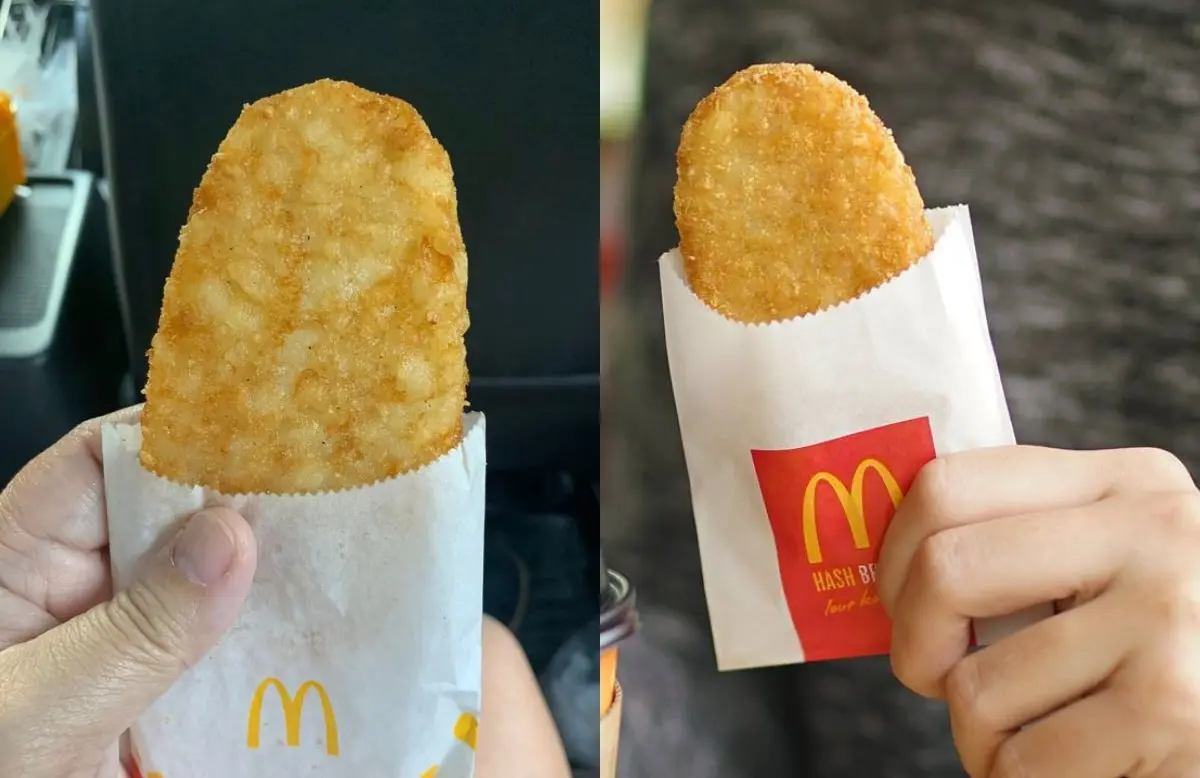
Potatoes are naturally gluten-free, so homemade hash browns are safe for a celiac diet. The risk of gluten exposure comes from added ingredients or cross-contamination during preparation. McDonald's hash browns, for example, contain wheat flour and are fried in shared oil, making them unsafe for those with celiac disease.
To keep hash browns strictly gluten-free, verify every ingredient. Check labels on seasonings, oils, and any pre-shredded potato products for hidden wheat or barley derivatives. Avoid adding flour as a binder; instead, rely on squeezing out excess moisture for that essential crispiness.
No comments yet. Be the first to share your thoughts!