
Beyond the Bag: Hash Brown Potential
Frozen hash browns are a freezer staple, convenient and affordable, but often overlooked. Most people use them as a simple breakfast base, but these shredded potatoes have surprising potential. They're a blank canvas, ready to become something special with the right technique.
Their appeal is clear: minimal prep, long shelf life, and low cost make them practical for busy mornings or when fresh potatoes aren't an option. But convenience often sacrifices flavor and texture, leading to a pale, soggy result. This doesn't have to be the case.
We'll go beyond the bag's instructions to unlock the full potential of frozen hash browns. This is about understanding the science behind crispy, flavorful potatoes to create gourmet breakfast skillet recipes. Prepare to rethink this humble ingredient.
USDA Grades: What You’re Actually Buying
The USDA grades frozen hash browns based on quality, potato content, and defects. These standards, found in the U.S. Standards for Grades of Frozen Hash Brown Potatoes (corrected and reprinted March 27, 2026), help inform purchasing decisions.
The three grades are A, B, and C. Grade A hash browns use sound potatoes, uniform in size and shape, with minimal defects like bruising or greening. Grade B may have slightly more defects but is still acceptable. Grade C is typically for further processing, not direct sale.
A "defect" isn't always visual. The USDA defines them by factors impacting texture and flavor, such as excessive sugar content (causing darkening) or "second growth" sprouts. These affect the final result, even if not immediately visible. Potato variety matters too; Russets are common for their starch and crispness, but other varieties can be blended in.
These grades apply to the raw product. Processing and handling after grading—like storage temperature or packaging—also significantly impacts quality. Improperly stored Grade A hash browns can degrade.
- Grade A: Minimal defects, uniform size, high quality.
- Grade B: Slightly more defects than Grade A, still acceptable for consumption.
- Grade C: Primarily used for further processing.
USDA Grades for Frozen Hash Brown Potatoes
| Grade | Potato Content (minimum %) | Defects Allowed (examples) | Texture | Overall Quality |
|---|---|---|---|---|
| A | 95% | Slight discoloration, minor shape defects | Firm, relatively uniform shreds | Excellent |
| B | 90% | Moderate discoloration, some shape defects, occasional foreign material | Slightly less firm than Grade A, some variation in shred size | Good |
| C | 85% | Noticeable discoloration, significant shape defects, occasional foreign material | Soft or mushy in areas, inconsistent shred size | Fair |
| Substandard | Below 85% | Severe discoloration, numerous shape defects, excessive foreign material | Generally poor texture, often mushy or dry | Poor |
| Consideration | N/A | Presence of greening, sprouts, or rot | Impacts texture negatively | Rejectable |
Illustrative comparison based on the article research brief. Verify current pricing, limits, and product details in the official docs before relying on it.
The Crisping Science: Moisture is the Enemy
Achieving crispiness with frozen hash browns is challenging, mainly due to moisture. They contain significant water from the potato and processing. This moisture must be addressed before adding oil; otherwise, you're steaming instead of browning.
Crispiness comes from the Maillard reaction, a high-temperature chemical reaction between amino acids and reducing sugars. This reaction creates the golden-brown color and complex flavors of perfectly cooked potatoes. It requires a dry surface; excess moisture inhibits it.
Several techniques remove excess moisture. Gently squeezing with paper towels works well. For larger amounts, a brief microwave (1-2 minutes, uncovered) can steam off water; don't cook them fully. The goal is reducing surface moisture. Letting them sit uncovered in the fridge for 30-60 minutes after thawing also draws out water.
Fat Choices: Oil, Butter, and Beyond
The fat used significantly impacts hash brown flavor and crispness. Neutral oils (vegetable, canola) have high smoke points for high-heat cooking but add little flavor. Butter adds a rich, nutty flavor but has a lower smoke point.
Smoke point is crucial. When oil reaches it, it breaks down, releasing acrid flavors and potentially harmful compounds. Using oil with a high smoke point is important for crispiness. Ghee, clarified butter, offers butter's flavor with a higher smoke point.
Combining fats can yield optimal results. A blend of neutral oil and butter provides flavor and high-heat stability. Bacon fat adds a smoky, savory dimension that complements many skillet recipes. Find a balance that suits your taste and the dish.
- Vegetable/Canola Oil: Neutral flavor, high smoke point.
- Butter: Rich flavor, lower smoke point.
- Ghee: Butter flavor, higher smoke point.
- Bacon Fat: Smoky, savory flavor, moderate smoke point.
Skillet Styles: Recipes to Elevate
Now, let's put theory into practice with skillet recipes to elevate your frozen hash brown game beyond standard breakfast fare. Start with thoroughly dried hash browns and use plenty of fat.
Chorizo & Pepper Skillet: Sauté 4oz chorizo, diced bell peppers (red, yellow, orange), and onions until softened. Add 2 cups of thawed, dried hash browns and cook until crispy. Top with a fried egg and a sprinkle of cilantro. A dash of hot sauce is highly recommended.
Mediterranean Hash with Feta & Olives: Sauté diced tomatoes, spinach, and Kalamata olives in olive oil. Add 2 cups of thawed, dried hash browns and cook until crispy. Crumble feta cheese over the top and serve with a dollop of Greek yogurt.
Philly Cheesesteak Hash Brown Skillet: Sauté thinly sliced steak, onions, and bell peppers. Add 2 cups of thawed, dried hash browns and cook until crispy. Top with provolone cheese and serve with a side of Cheez Whiz (if you're feeling authentic).
Spicy Southwestern Skillet: Sauté diced jalapeños, black beans, and corn. Add 2 cups of thawed, dried hash browns and cook until crispy. Top with shredded cheddar cheese, avocado, and a dollop of sour cream.
Smoked Salmon & Dill Skillet: Sauté diced shallots and capers in butter. Add 2 cups of thawed, dried hash browns and cook until crispy. Flake smoked salmon over the top and garnish with fresh dill. A squeeze of lemon juice brightens the flavors.
Breakfast Carbonara Hash: Cook diced bacon until crispy. Remove bacon and reserve rendered fat. Sauté shallots in the bacon fat, then add 2 cups of thawed, dried hash browns. Cook until crispy. Stir in a mixture of beaten eggs, Parmesan cheese, and black pepper. Cook until eggs are set.
Spice Blends & Seasoning Hacks
Don’t limit yourself to salt and pepper. Spice blends are a fantastic way to quickly infuse your hash browns with complex flavors. Cajun seasoning is a classic pairing, adding a fiery kick. Italian seasoning works well with Mediterranean-inspired skillets, while a Mexican spice blend complements the Southwestern recipe.
Creating your own spice blends allows for even more customization. A simple blend of smoked paprika, garlic powder, onion powder, and cayenne pepper adds a smoky heat. Experiment with different ratios to find your perfect balance. Seasoning during cooking is crucial. Adding spices early allows them to bloom in the hot oil, releasing their full flavor potential.
Consider using herbs as well. Fresh herbs like chives, parsley, or cilantro add brightness and freshness. Dried herbs can be added earlier in the cooking process, while fresh herbs are best added towards the end to preserve their flavor.
Troubleshooting: Common Mistakes & Fixes
Even with the best techniques, things can go wrong. Here’s a breakdown of common problems and how to fix them:
Soggy Hash Browns: This is almost always due to insufficient moisture removal. Ensure you thoroughly dry the hash browns with paper towels or microwave them briefly before cooking. Don't overcrowd the pan—cook in batches if necessary.
Uneven Browning: This can happen if the heat is unevenly distributed. Use a heavy-bottomed skillet and ensure the oil is evenly coating the surface. Stir frequently to promote even cooking.
Sticking to the Pan: Use enough fat! A well-oiled skillet is essential. Also, make sure the pan is properly heated before adding the hash browns. Non-stick skillets can help, but aren't always necessary.
Bland Flavor: Don't be afraid to season generously! Salt and pepper are just the starting point. Experiment with different spice blends and herbs to find your preferred flavor profile.
- Problem: Soggy Hash Browns. Fix: Thoroughly dry hash browns, cook in batches.
- Problem: Uneven Browning. Fix: Use a heavy-bottomed skillet, ensure even heat distribution, stir frequently.
- Problem: Sticking to the Pan. Fix: Use enough fat, preheat the pan properly.
- Problem: Bland Flavor. Fix: Season generously with spices and herbs.
Beyond the Skillet: Creative Applications
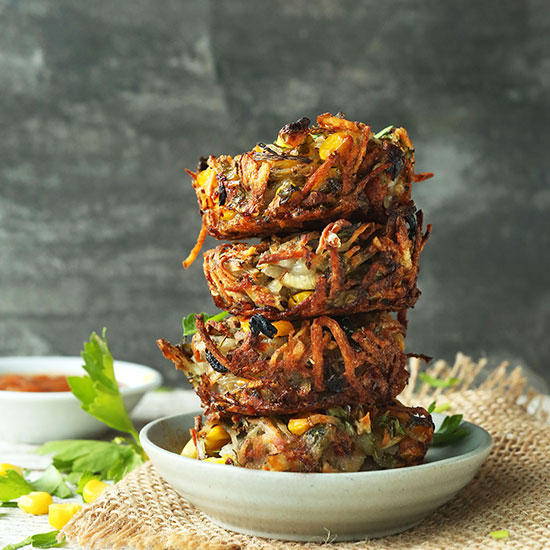
Don’t limit yourself to skillet recipes. Cooked hash browns are surprisingly versatile. They can be formed into patties and pan-fried or baked for a crispy alternative to traditional potato pancakes. They also make an excellent crust for quiche or casseroles, adding a textural element.
For a unique twist, try using hash browns as a topping for shepherd’s pie instead of mashed potatoes. They provide a satisfying crunch and a different flavor profile. I'm not sure how well hash brown waffles will work – the texture might be too crumbly – but it’s an interesting concept to explore.
Ultimately, the possibilities are limited only by your imagination. With a little creativity, you can transform this humble ingredient into a star of many different dishes.

No comments yet. Be the first to share your thoughts!