
Make the recipe
This casserole turns frozen hash browns into a crispy, cheesy breakfast skillet that rivals diner standards. The secret lies in managing moisture and using enough fat to fry the potatoes as they bake. You will need a 9x13 inch baking dish, a large bowl, and basic pantry staples. The result is a golden, crunchy top layer with a tender, savory interior.
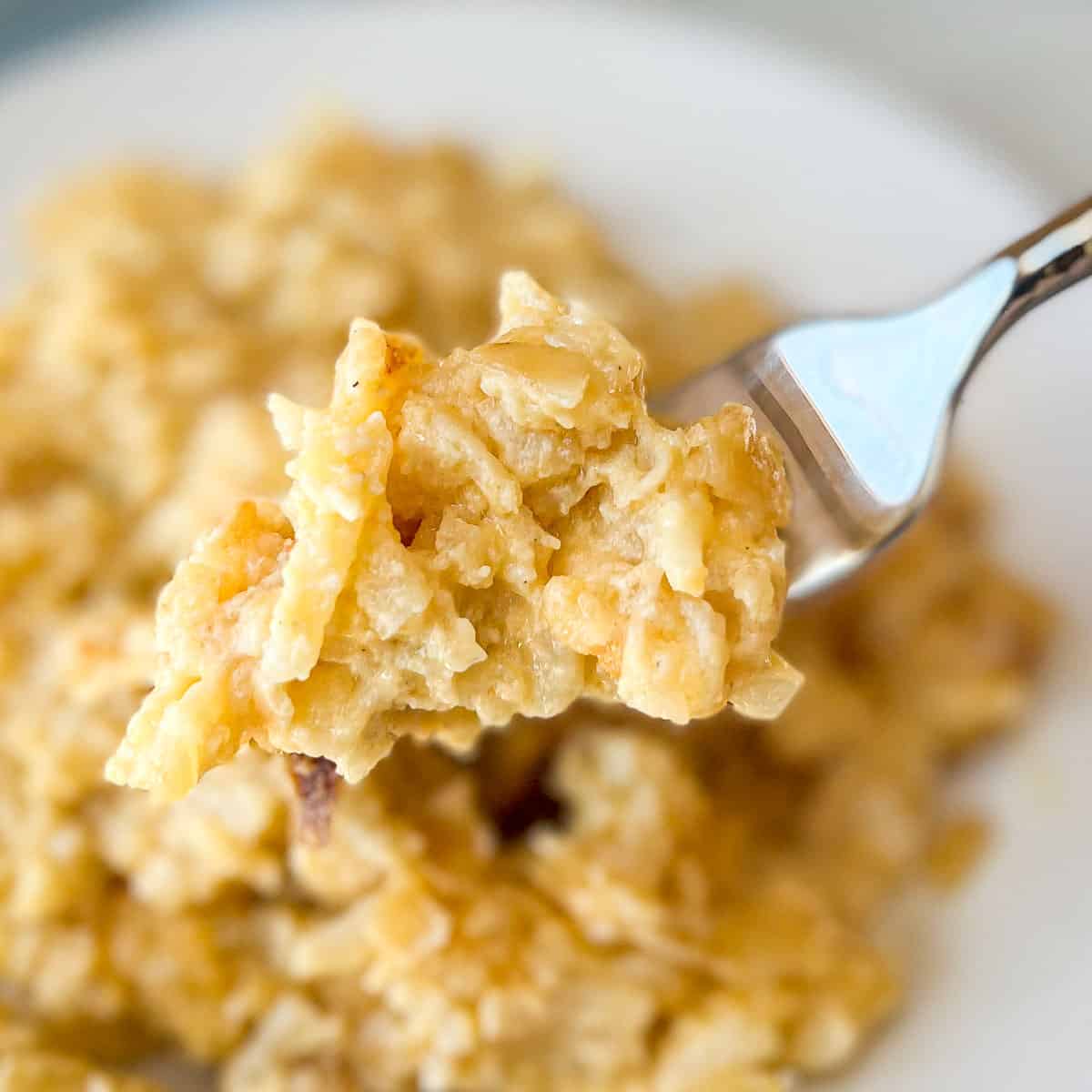
The key to that viral crunch is the topping. Buttered crumbs or crushed crackers create a barrier that stays crisp while the potatoes underneath steam slightly. If you prefer a softer texture, you can skip the topping or cover the dish with foil for the first half of baking. For extra flavor, add diced ham, cooked bacon bits, or sautéed onions to the hash brown mixture before baking.
Serving this dish warm allows the cheese to set slightly, making it easier to cut into squares. It pairs well with fresh fruit, crispy bacon, or a simple green salad. Leftovers store well in the refrigerator for up to three days. Reheat individual portions in the microwave or toaster oven to restore some of that crisp texture.
Keep the texture right
The difference between a soggy breakfast skillet and a crisp, golden crust comes down to moisture control and heat management. Frozen hash browns are already partially cooked, but they retain ice crystals and excess water that turn your casserole into a steam bath if you don’t handle them properly. The goal is to remove that hidden liquid before it reaches the oven.
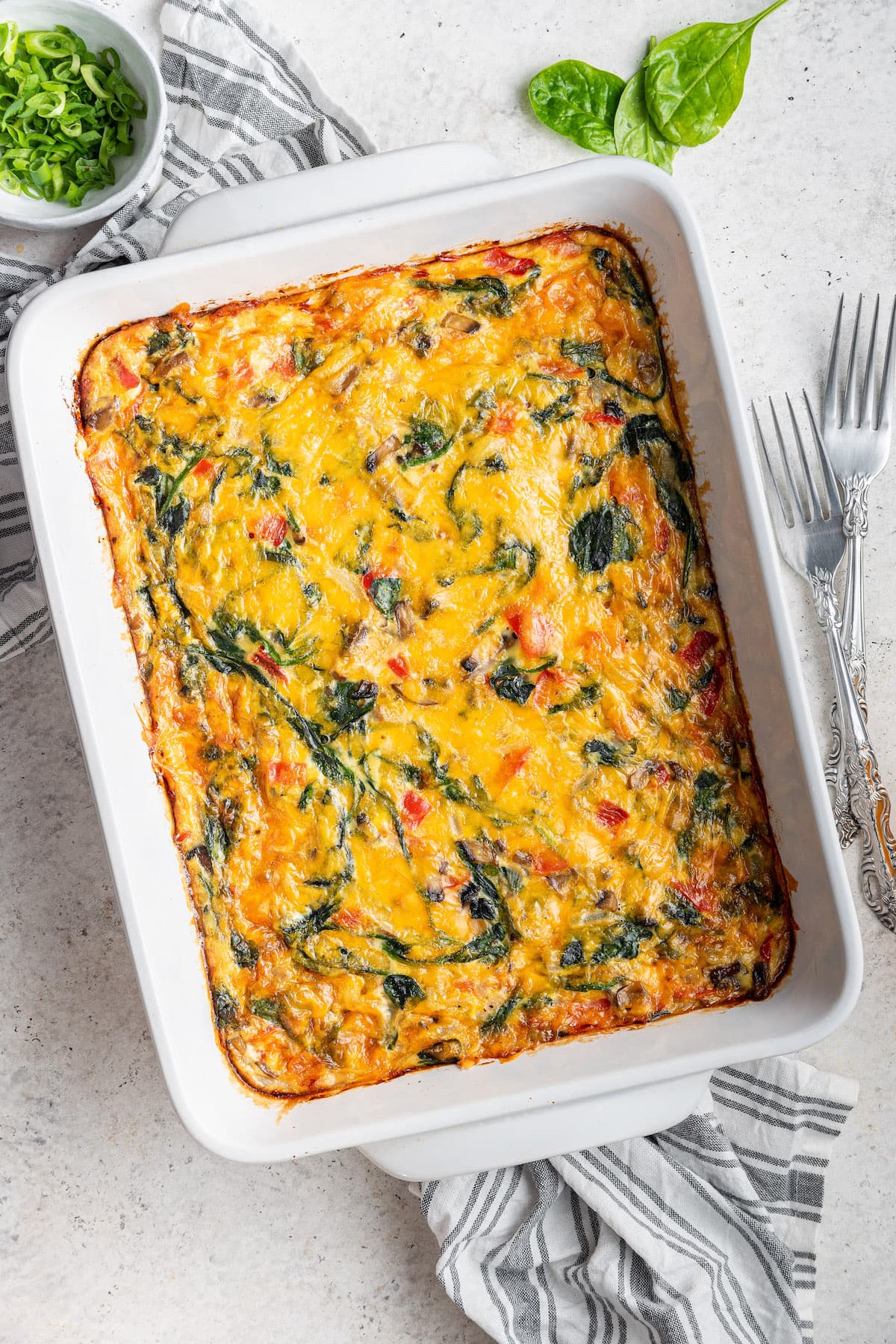
Thaw the frozen hash browns completely. Place them in a clean kitchen towel or several layers of paper towels and squeeze firmly. You want to remove as much liquid as possible. If you skip this step, the water will seep into the cheese and eggs, creating a rubbery texture instead of a crispy one.
Before mixing your ingredients, sauté the squeezed hash browns in a little butter or oil over medium-high heat for about 3-4 minutes. This evaporates remaining surface moisture and starts the Maillard reaction, which builds flavor and texture. Let them cool slightly before combining with eggs and cheese so the eggs don’t scramble prematurely.
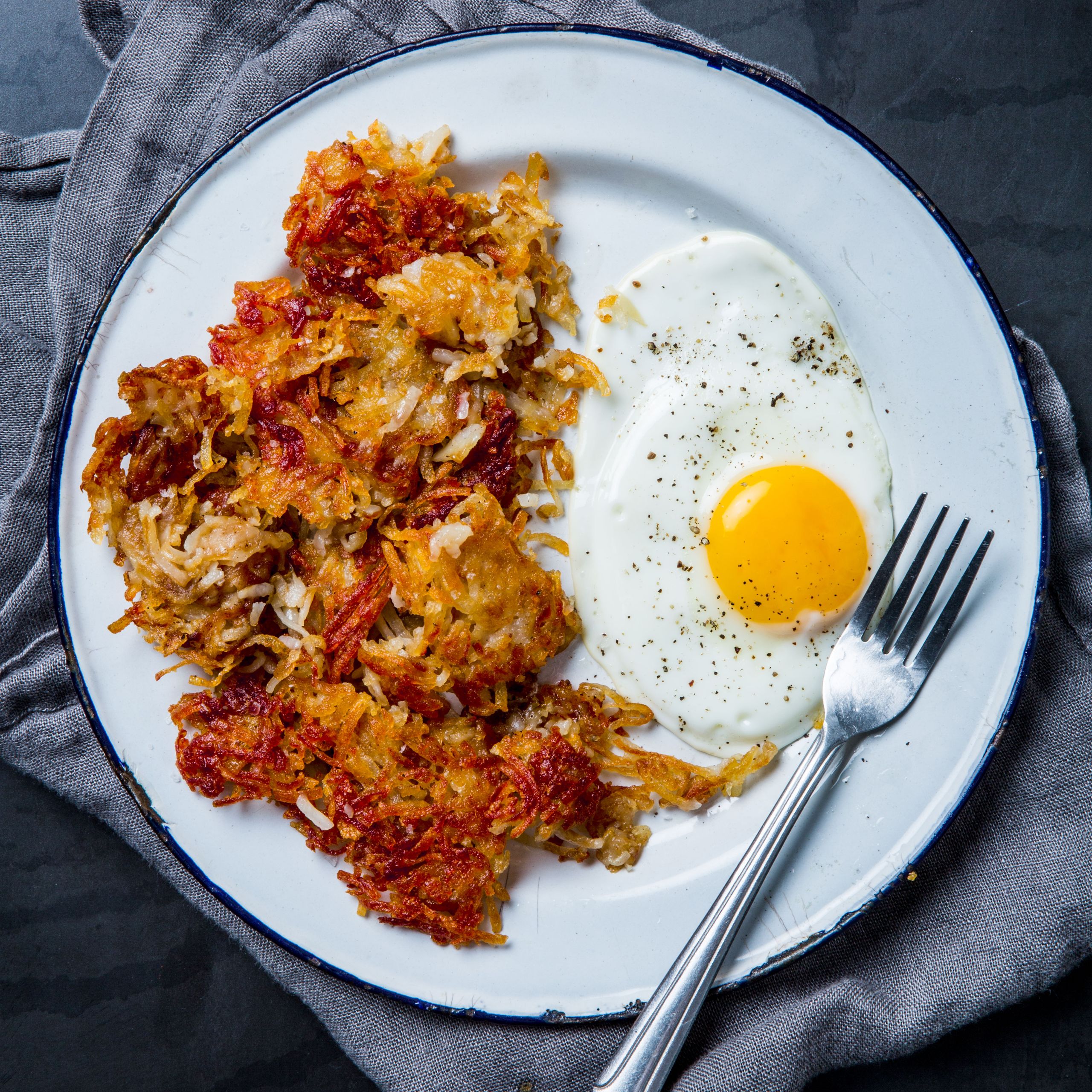
If you are making your own shredded potatoes, choose Russets. Their high starch content helps bind the shreds together and creates a crispier exterior when cooked. Lower-starch varieties like Yukon Golds stay moist and soft, which can lead to a dense, heavy casserole rather than a light, crispy one.
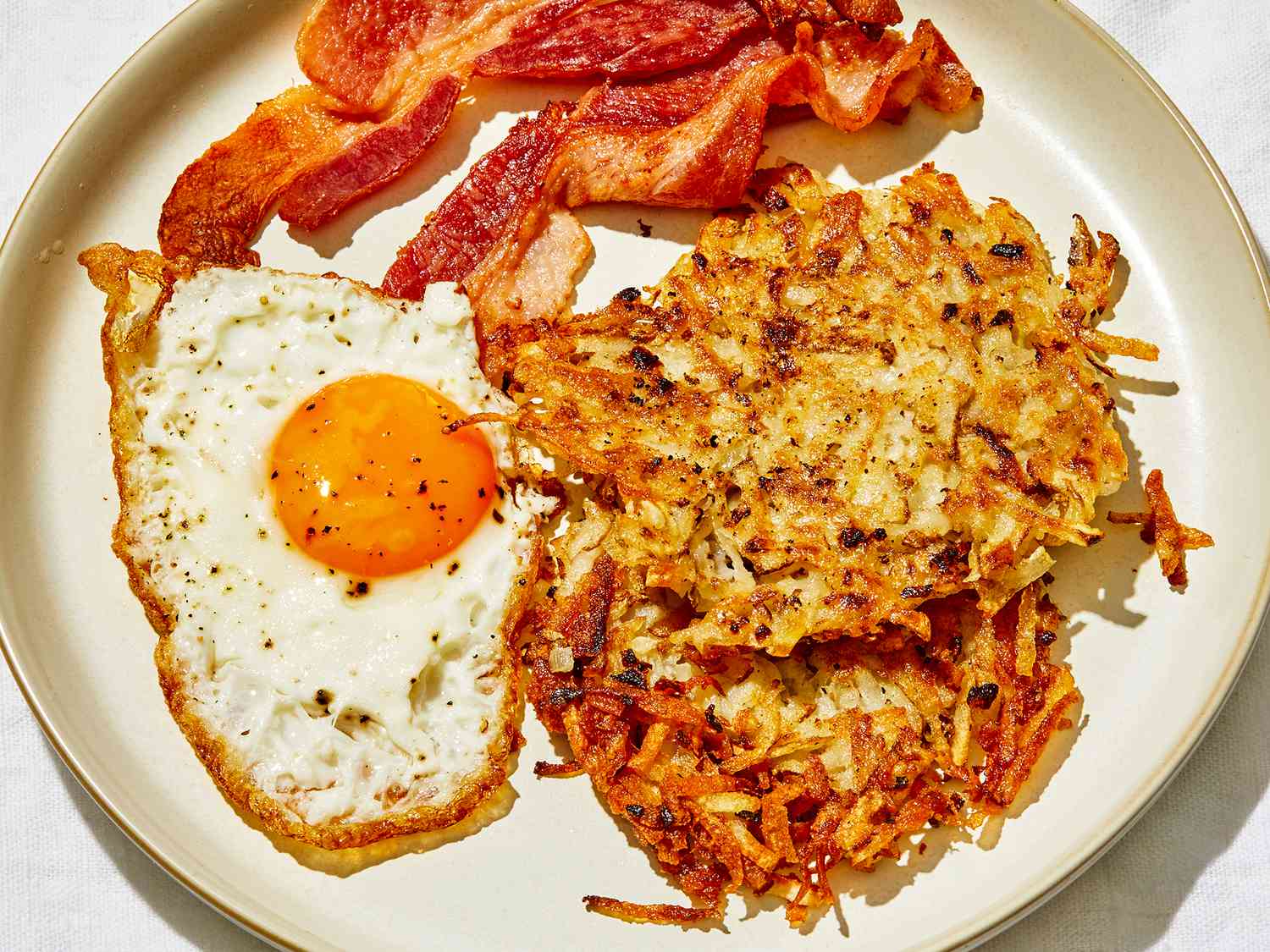
When layering your casserole, press the hash browns down firmly but don’t pack them so tightly that steam cannot escape. Use a wide, shallow baking dish if possible. A deep, narrow dish traps steam in the center, leading to uneven cooking where the edges burn but the middle stays soggy.
A quick checklist to ensure your hash brown casserole turns out perfect:
-
Thaw and squeeze frozen hash browns thoroughly
-
Par-cook shreds in butter or oil to remove moisture
-
Use Russet potatoes for maximum crispiness
-
Press layers firmly but allow steam to escape
-
Bake until the top is golden brown and bubbling
Swaps That Still Work
Frozen hash browns are convenient, but they aren't one-size-fits-all. The texture and flavor of your casserole depend heavily on the cut and the binding agents you choose. Understanding these variables helps you fix common issues like sogginess or blandness without starting over.
Potato Cuts and Types
The shape of the frozen potato determines how much surface area is exposed to heat. Shredded hash browns cook faster and crisp up more easily than diced or whole patties. If you only have diced potatoes, they will take longer to brown and may release more moisture, so you might need to extend the baking time by five to ten minutes.
While russet potatoes are the gold standard for crispiness due to their high starch content, most frozen brands use a blend. If you can buy fresh russets and shred them yourself, you will get a better texture. However, for a quick weeknight meal, standard frozen shredded hash browns work perfectly fine as long as you don't overcrowd the pan.
Binding Agents
Eggs are the traditional binder that holds the hash browns together in a casserole. If you need to make this dish dairy-free or egg-free, you can substitute the eggs with a flax egg (one tablespoon ground flaxseed mixed with three tablespoons water per egg) or a commercial egg replacer. The texture will be slightly less cohesive, so handle the casserole gently when serving.
For extra richness and flavor, swap half of the heavy cream for cream cheese or sour cream. These ingredients add tang and help create a creamy interior contrast to the crispy top. If you want to reduce the fat, milk or unsweetened almond milk works, but the casserole will be less luxurious and may dry out faster.
Flavor Add-ins
Bacon is a classic addition, but you can swap it for sausage, ham, or smoked paprika for a vegetarian option. If you use frozen bacon bits, thaw them first to avoid adding excess cold moisture to the mix. For a spicy kick, replace some of the shredded cheddar with pepper jack cheese or add diced jalapeños.
Fresh herbs like chives or green onions add brightness that cuts through the richness of the cheese and cream. If you don't have fresh herbs, dried chives or a pinch of garlic powder works well. Avoid adding too many wet vegetables like fresh mushrooms or spinach, as they release water during baking and can make the hash browns soggy.
| Ingredient | Original | Swap | Effect |
|---|---|---|---|
| potatoes | Shredded frozen | Diced frozen | Longer cook time |
| eggs | 2 large eggs | Flax egg | Less cohesive |
| cream | Heavy cream | Milk | Less rich |
| bacon | Crispy bacon | Smoked paprika | Vegetarian option |
Serve and store it
This crispy hash brown casserole is built to hold its heat, making it a reliable centerpiece for busy mornings or weekend brunches. The golden, crunchy edges provide a textural contrast to the soft, cheesy interior, but timing is everything for the best experience.
Serving suggestions
Serve the skillet directly from the oven for maximum warmth. A sprinkle of fresh chives or a dollop of sour cream adds brightness that cuts through the rich, melted cheese. Pair it with scrambled eggs, bacon, or fresh fruit for a balanced meal. The casserole scales well for crowds; simply double the ingredients in a 9x13 inch baking dish.
Storing leftovers
Leftovers keep well in the refrigerator for up to three days. Store the casserole in an airtight container or wrap the skillet tightly with plastic wrap and aluminum foil. The texture will soften in the fridge, but reheating restores much of the original crispness.
Reheating for crispiness
Avoid the microwave if you want to preserve the crunchy texture. Instead, reheat individual portions in a toaster oven or conventional oven at 350°F (175°C) for 10-15 minutes. This dry heat revives the Maillard reaction on the surface, bringing back the golden crust that defines this dish. If the top begins to brown too quickly, tent it loosely with foil.
Hash brown recipe: what to check next
Even with frozen hash browns, the path to a golden, crispy casserole involves a few common pitfalls. Here are the practical answers to the questions that usually pop up before you start cooking.
Why do restaurant hash browns taste so good?
Restaurants rely on two main factors: high starch content and heavy fat. Russet potatoes have a high starch content that creates a natural crunch when fried or baked in butter and oil. Home cooks often use lower-starch varieties or skip the fat, resulting in a softer, less flavorful texture. Using frozen Russet-style hash browns and a generous amount of butter or oil in your skillet mimics that diner-style richness.
Should you boil potatoes before hash browns?
No, you should never boil potatoes before making hash browns. Boiling adds moisture and breaks down the potato structure, which leads to a mushy, soggy result rather than a crisp exterior. If you are using fresh potatoes, shred them raw and squeeze out the excess liquid. With frozen hash browns, simply thaw and drain them to remove surface ice without cooking them first.
How do restaurants get hash browns so crispy?
The secret is moisture control and heat. Restaurants press shredded potatoes firmly into a hot pan to maximize surface contact with the oil. They also avoid stirring too often, allowing a crust to form before flipping. For your casserole, press the hash browns tightly into the skillet during the initial sear. This creates the golden-brown crust that holds up well when baked with the cheese and sauce.
Can I use fresh potatoes instead of frozen?
Yes, but you must choose the right type. Russet potatoes are the only variety that yields truly crispy hash browns due to their high starch and low moisture content. Waxy potatoes like red or yellow varieties hold their shape too well and become gummy. If using fresh, shred them immediately, soak in cold water to remove starch, then squeeze them completely dry before cooking.
No comments yet. Be the first to share your thoughts!