
Why russets make the crispiest hash browns
The difference between a soggy breakfast hash and a diner-quality golden crust comes down to one variable: the potato. For the best hash brown recipe, you need starchy russets. Their high starch content and low moisture create a structure that shatters when it hits the pan, whereas waxy varieties hold water and steam, resulting in a soft, chewy texture that never truly crisps.
Russets are essentially starch sponges. When you shred them, the exposed starch granules gelatinize and bond together, forming a rigid matrix that fries into a hard shell. This structural integrity is what allows the hash brown to maintain its shape while developing that deep, crunchy exterior. Without this specific starch profile, the potatoes will break down into mush or remain stubbornly tender no matter how long you cook them.
Choosing the right potato is only half the battle; managing the moisture is the other. Even russets contain significant water content. If you shred them and drop them straight into the skillet, that water turns to steam, preventing browning. The starch needs to be dry before it meets the fat. This is why squeezing the shredded potatoes is non-negotiable in any serious technique. You must wring out as much liquid as possible to ensure the pan stays hot and the potatoes fry rather than boil.
The secret to dry, crispy shreds
The difference between a soggy, steamed mess and a golden, shatteringly crisp hash brown comes down to one thing: moisture. Potatoes are roughly 80% water. That water turns to steam the moment it hits the hot oil, preventing the Maillard reaction (browning) from occurring and leaving you with soft, gray sludge instead of a crunchy crust. To get the best hash brown recipe results, you must remove as much of that water as possible before the pan ever gets hot.
Start by rinsing your shredded potatoes in cold water. This step is often overlooked, but it serves two purposes. First, it washes away excess surface starch, which can make the shreds stick together into a gummy block. Second, the cold shock helps keep the potato cells firm. Drain the shreds thoroughly in a colander, shaking off as much liquid as you can.
Once rinsed, transfer the shreds to a clean kitchen towel. Gather the corners and twist tightly over the sink, squeezing with all your strength. You will be surprised by how much water comes out. If you have a nut milk bag or cheesecloth, that works even better because it distributes pressure more evenly. The goal is to end up with a tight, dry ball of potatoes that feels cool and crumbly to the touch, not wet and clumped. This dry base is the foundation of your crispy hash brown recipe.
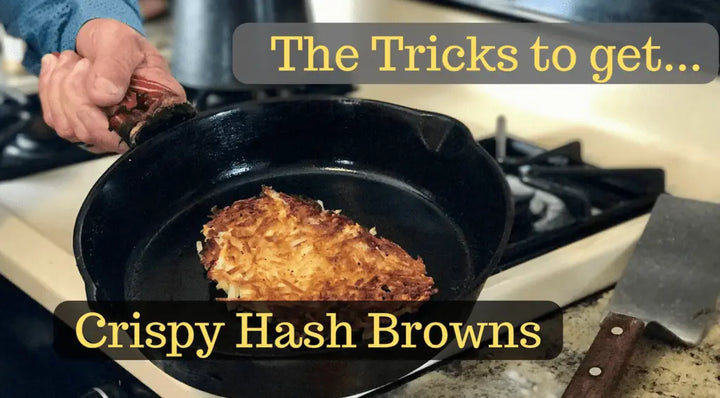
Grate the potatoes on the large holes of a box grater. Immediately plunge the shreds into a bowl of ice water or run them under cold tap water to wash off the starch. Drain well in a colander.
Lay the shreds flat on a clean kitchen towel. Gather the edges and twist tightly, squeezing hard over the sink. Repeat with a second towel if the first becomes saturated. The potatoes should feel dry to the touch.
Spread the dried shreds on a clean paper towel or another dry cloth. Pat them gently to absorb any residual dampness. Now they are ready to be tossed with a little flour (optional, for extra crisp) and salt before hitting the pan.
Ingredients for diner-style hash browns
The secret to the best hash brown recipe isn't a complex spice blend; it is technique and quality. You only need four ingredients to achieve that classic, golden-diner crispness. Stick to simple, high-quality items to let the potato flavor shine.
The Essentials
- 2 large russet potatoes: Russets are non-negotiable. Their high starch content and low moisture create the perfect structure for shattering crispness. Peel them before shredding to remove any skin that might burn or soften the texture.
- 3 tablespoons neutral oil: Vegetable or canola oil works best because it has a high smoke point. You need enough oil to fry the potatoes, not just coat them. This ensures even browning without sticking.
- Salt and black pepper: Season generously. Salt draws out moisture during the prep phase, which helps the exterior crisp up faster. Add pepper for a subtle bite that complements the potato.

-
2 large russet potatoes, peeled and shredded
-
3 tablespoons neutral oil (vegetable or canola)
-
Salt to taste
-
Freshly ground black pepper
How to shred and cook in a skillet
Making the best hash brown recipe starts with how you handle the raw potato. Shredding creates the surface area needed for crispiness, while the skillet provides the controlled heat to turn that starch into a golden crust. The goal is to manage moisture and temperature so the potatoes fry in their own oils rather than steam in a soggy mess.
Prep the potatoes
Peel and rinse russet potatoes to remove excess surface starch. Use the coarse side of a box grater or a food processor to shred them into thin strips. Place the shredded potatoes in a bowl of cold water for five minutes. This step prevents browning and loosens more starch.
Squeeze the potatoes dry. This is the most critical step for texture. Wrap the shreds in a clean kitchen towel or several layers of paper towels. Press hard with your palms until no water drips out. Dry potatoes hit the hot oil and sizzle immediately; wet potatoes just boil.
Heat the skillet
Use a 10-inch cast iron or nonstick skillet. Add two tablespoons of neutral oil, such as vegetable or canola, and one tablespoon of butter for flavor. Heat the pan over medium-high heat until the butter foams but does not brown. The oil should shimmer but not smoke. If the pan is too cool, the hash browns will absorb grease. If it is too hot, the outside burns before the inside cooks.
Form and press the patties
Spread the shredded potatoes evenly across the skillet. Use a spatula to press them down firmly into a single, compact layer. The goal is to eliminate air pockets so the shreds bond together. If making individual patties, shape them with the spatula and press each one flat. Keep the heat at medium-high to encourage rapid browning.
Cook and flip
Let the hash browns cook undisturbed for four to five minutes. Watch the edges; they should turn deep golden brown and release slightly from the pan. Tilt the skillet to check the bottom. If they are not ready, give them another minute.
Flip the hash browns. For a single large patty, use a large plate to invert the skillet, then slide it back in, or use two spatulas to carefully turn the whole mass. For individual patties, flip each one individually. Add a little more oil to the empty spots if needed.
Finish cooking
Cook the second side for another four to five minutes until equally crisp and brown. Season with salt and pepper immediately after flipping so the seasoning sticks to the hot surface. Transfer to a wire rack or paper towel-lined plate to drain slightly if the oil was generous. Serve hot for the best texture.
Serving suggestions and storage tips
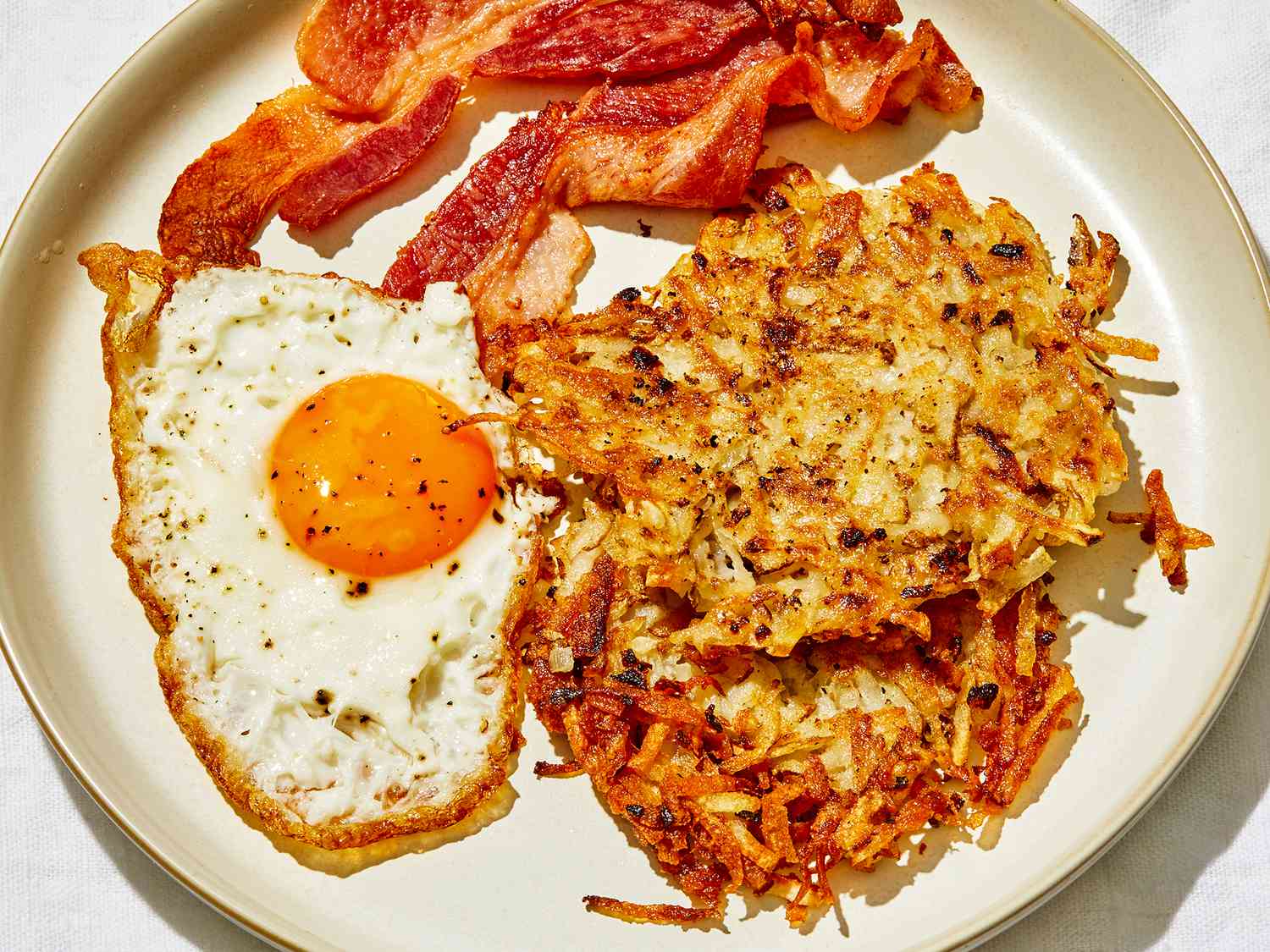
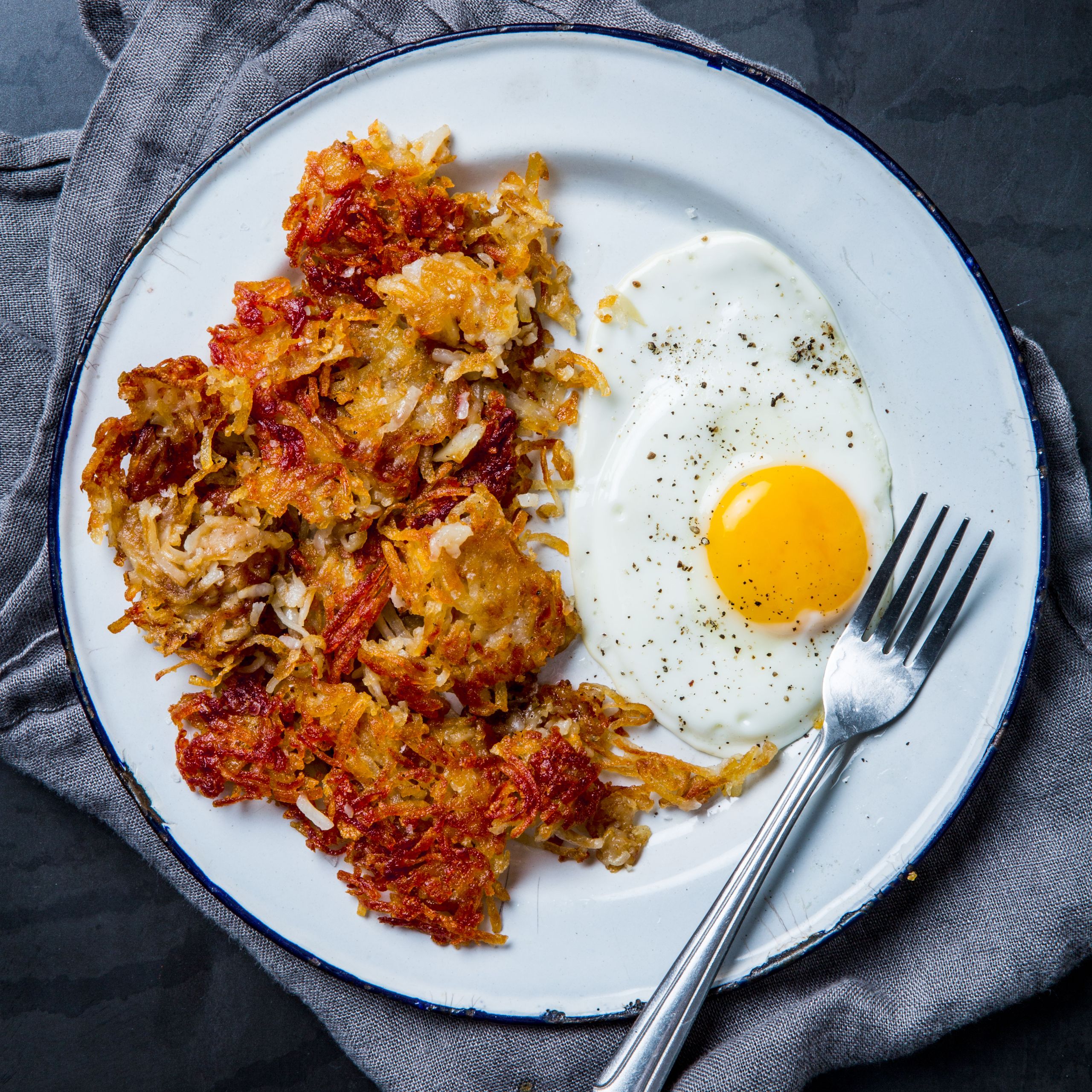
The best hash brown recipe shines when served immediately while the exterior is shatteringly crisp and the interior remains tender. For a classic diner-style presentation, pile the golden shreds onto warm plates and top with a fried or poached egg. The runny yolk acts as a rich sauce, binding the salty potatoes together. A sprinkle of fresh chives or a dollop of sour cream adds brightness without weighing down the dish. These breakfast potatoes pair equally well with bacon, sausage, or smoked salmon, making them a versatile foundation for a hearty morning meal.
Storing leftovers requires care to preserve texture. Allow the hash browns to cool completely before transferring them to an airtight container. Refrigerate for up to three days; longer storage risks moisture buildup that turns the potatoes soggy. Avoid leaving them at room temperature for more than two hours to prevent bacterial growth.
Reheating is the critical step for restoring crispness. Do not use a microwave, as it steams the potatoes and leaves them limp. Instead, spread the cold hash browns in a single layer in a cold skillet. Turn the heat to medium and cook for 3–5 minutes per side, pressing gently with a spatula. This method revives the Maillard reaction, bringing back the golden crunch. For oven reheating, spread on a baking sheet and bake at 400°F (200°C) for 10 minutes, flipping halfway through.
No comments yet. Be the first to share your thoughts!