
Why russet potatoes win
The foundation of a perfect hash brown recipe starts long before the pan heats up. It begins with the potato. Choosing the right variety determines whether your breakfast skillet delivers shattering crispness or turns into a gummy, steamed mess. For the best hash brown recipe, russet potatoes are the undisputed champion, and the reason lies in their internal structure.
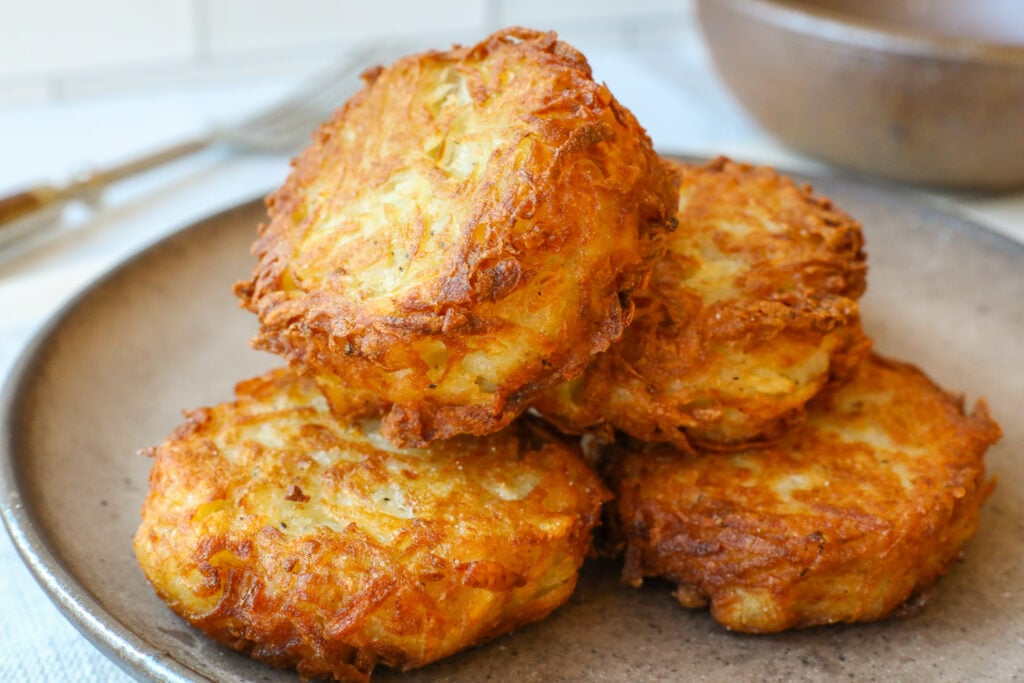
Russets are classified as high-starch potatoes. They have a low moisture content and a dense, mealy texture that breaks apart easily when shredded. This structure is ideal because it creates more surface area. When those exposed starch granules hit hot oil, they undergo rapid gelatinization and then dehydration, forming a rigid, golden crust. Think of the russet as a sponge ready to absorb heat and turn into a crunchy lattice.
In contrast, waxy potatoes like red bliss or fingerlings hold their shape with high moisture and low starch. Shred a waxy potato, and you get long, sticky strands that cling together. They release water into the pan, creating steam instead of a sear. The result is a pale, soft patty that resists browning no matter how long you cook it. It might hold together nicely for a salad, but it will fail the crispiness test.
The frozen shortcut hack
You can build the best hash brown recipe using frozen ingredients. Store-bought shreds are convenient, but they often lack the texture of fresh potatoes. The difference comes down to moisture control and heat management. When you understand how to handle frozen shreds, you get golden, crispy results without the morning prep work.
Most frozen hash browns are par-cooked and flash-frozen. This process locks in flavor but also traps water inside the potato cells. If you add ice-cold shreds to a hot skillet, the sudden temperature drop steams the potatoes instead of frying them. The result is a soggy, gray mess that never crisps up. To fix this, you must start with frozen shreds straight from the bag. Do not thaw them. Thawing releases even more water, making crispiness nearly impossible.
The cooking vessel matters just as much as the potato state. A heavy cast-iron skillet holds heat better than thin stainless steel. When you add the frozen shreds, they hit the pan and immediately begin to sizzle. The ice crystals on the surface turn to steam and escape, leaving the potato surface dry and ready to brown. Use enough oil to coat the bottom generously. Fat conducts heat efficiently and prevents sticking, allowing you to build a solid crust.
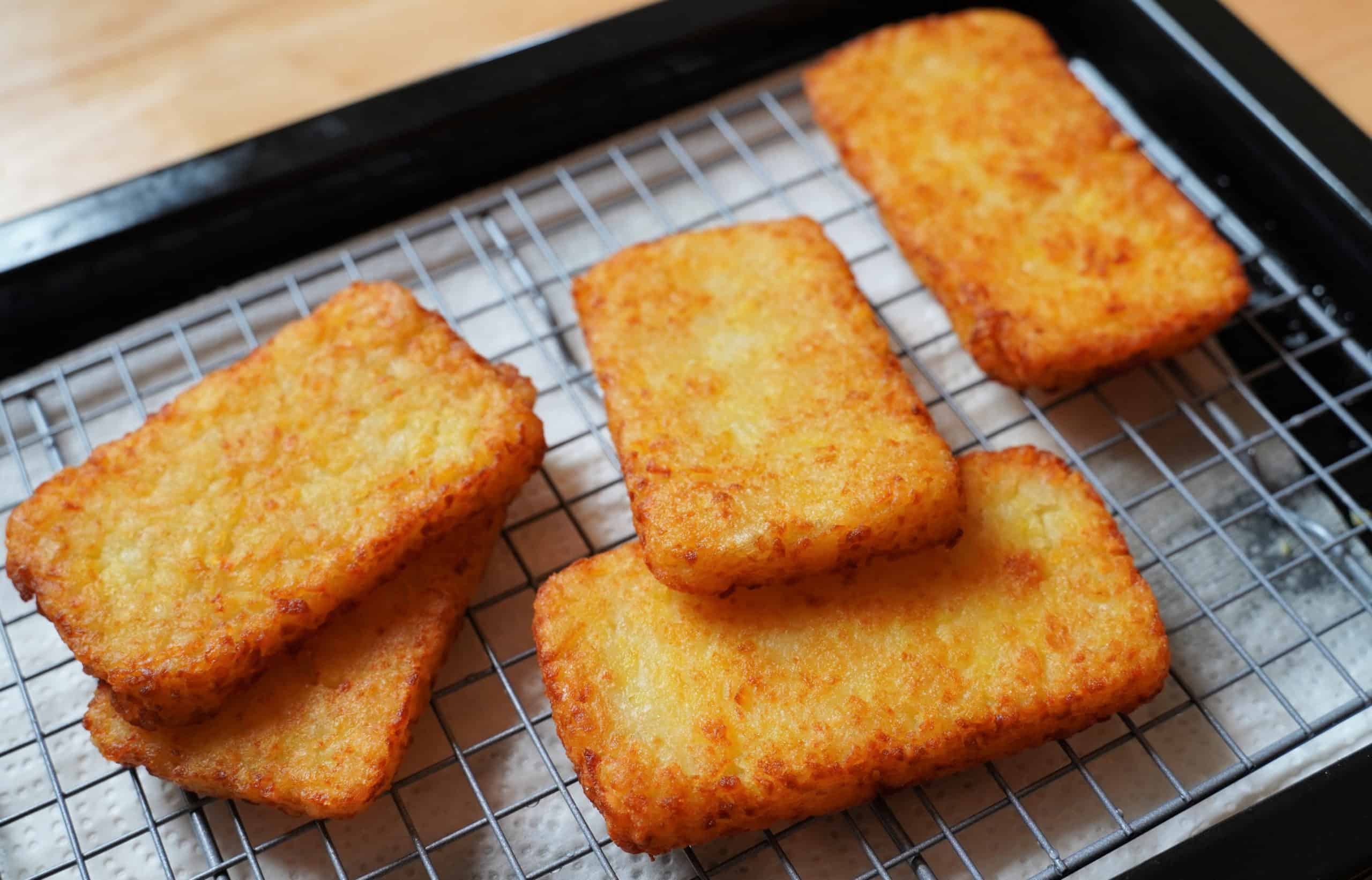
Spread the shreds into an even layer. Press them down firmly with a spatula to create a compact patty. This density ensures that more potato surface touches the hot metal, creating more contact points for browning. Cook over medium-high heat. Resist the urge to stir. Let the bottom develop a deep golden crust before you flip. This patience is what separates a quick breakfast side from a gourmet breakfast skillet.
Remove starch, dry thoroughly
The difference between a soggy, pale patty and the golden, shattering crust you want in the best hash brown recipe comes down to chemistry. Potatoes are roughly 80% water and packed with starch granules. When you shred a raw potato, you rupture those cells, releasing free starch onto the surface of every strand. If you skip rinsing, that starch acts like a glue during cooking. It gelatinizes quickly, trapping moisture inside and creating a steamed, gummy texture rather than a crispy one.
Rinse until the water runs clear
Place your shredded potatoes in a large bowl of cold water. Swirl them around with your hands to agitate the strands and wash away the surface starch. The water will turn cloudy and white almost immediately. Drain that milky water and repeat the process two or three times. You are looking for the water to remain relatively clear when you agitate the potatoes. This simple step removes the excess surface starch that prevents proper browning and crispiness.
Squeeze out every drop of moisture
Once rinsed, you must remove the water trapped inside the shreds. Water is the enemy of the Maillard reaction, the chemical process that creates complex flavors and that desirable golden-brown color. If the potatoes are wet, the pan temperature will drop as soon as the shreds hit the oil, causing them to steam instead of fry. Use a clean kitchen towel or a cheesecloth to wrap the potatoes. Gather the edges and twist tightly, squeezing with significant force. You should be able to wring out a noticeable amount of liquid. If the shreds still feel damp to the touch, keep squeezing.
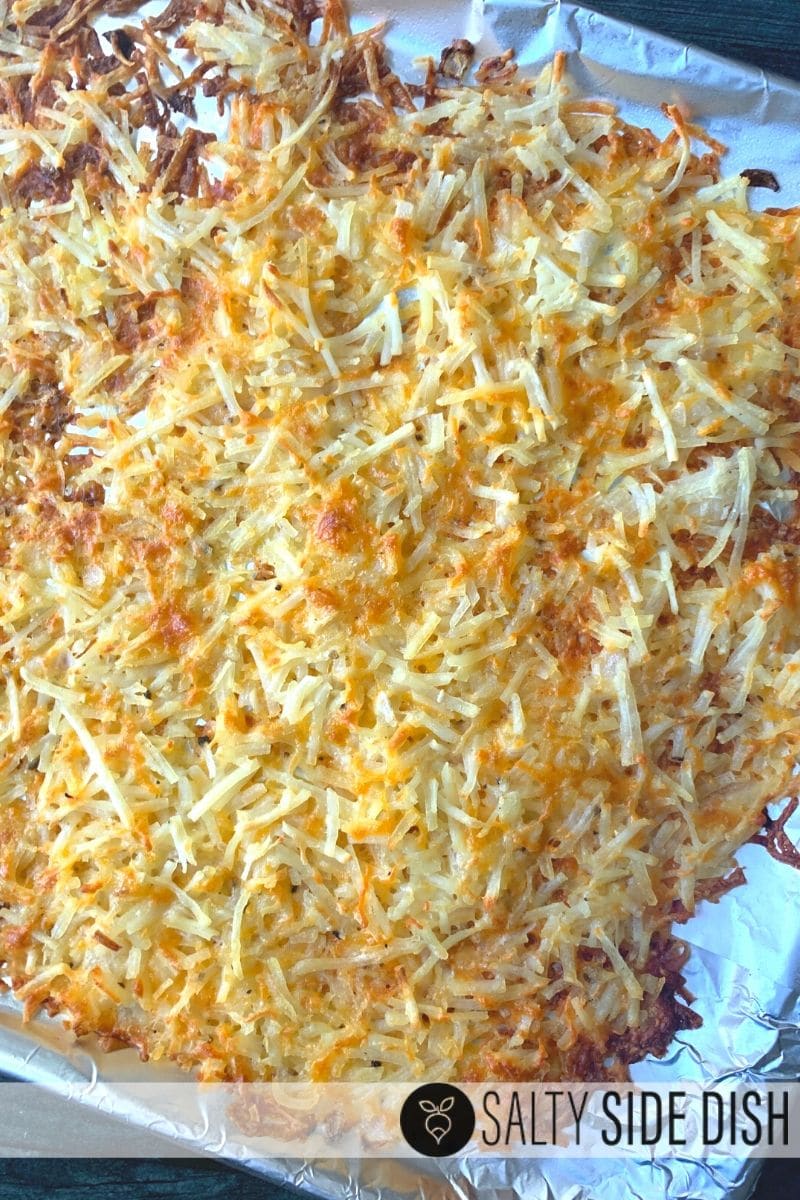
Submerge the shredded potatoes in cold water and swirl vigorously. Drain the cloudy water and repeat until the rinse water stays clear. This removes the surface starch that causes gumminess.
Wrap the rinsed potatoes in a clean kitchen towel or cheesecloth. Twist tightly and squeeze with maximum force to extract as much moisture as possible. Dry shreds equal crispy results.
Spread the dried shreds on a clean towel for a final minute to catch any lingering droplets. Toss with salt and pepper immediately before cooking to ensure even seasoning without drawing out more moisture.
Drying is not just about texture; it is about temperature control. A dry potato shred hits hot oil and sizzles instantly, creating a barrier that locks in flavor. A wet shred lowers the pan’s temperature, leading to uneven cooking and a pale, bland result. Treat this prep phase with the same care as the cooking itself, and the skillet will reward you with maximum crunch.
Skillet technique and heat
The difference between a soggy potato mess and a golden, shatteringly crisp crust comes down to three variables: pan temperature, oil choice, and patience. To get the best hash brown recipe right, you need to treat the skillet like a press. The goal is to drive moisture out of the potatoes quickly while creating a thermal barrier that prevents steaming.
Start by heating a 10-inch cast-iron skillet or heavy-bottomed nonstick pan over medium-high heat. You want the oil to shimmer but not smoke. If the oil is too cool, the potatoes will absorb it like a sponge. If it is too hot, the exterior will burn before the interior dries out. A neutral oil with a high smoke point, such as vegetable or canola oil, is essential here. Butter burns too quickly for this method, and extra virgin olive oil has a distinct flavor that clashes with the potato.
Once the oil is hot, add the shredded potatoes. Press them down firmly with a spatula to create a single, compact layer. This ensures maximum surface contact with the hot metal. The no-stir rule is non-negotiable during the first phase. If you lift the edge to check or stir frequently, you break the developing crust and release steam, which leads to sogginess. Let the bottom set for about 5–7 minutes until you see golden-brown edges peeking through.
When the bottom is deeply browned, flip the entire mass. This is the moment of truth. A properly crisped hash brown should release from the pan easily. If it sticks, it isn't ready. Flip it in halves or quarters if needed, but aim for one big flip to preserve the structure. Cook the other side for another 5–7 minutes until evenly browned. Serve immediately while the crust is still audible.
Avoid these common hash brown mistakes
Even with the best hash brown recipe, technical errors can turn a crispy skillet into a soggy mess. The difference between golden, shatteringly crisp potatoes and a steamed, pale disc comes down to moisture control and heat management. Skip these pitfalls to ensure your breakfast hits the mark.
Steaming instead of frying
Crowding the pan is the fastest way to ruin your hash browns. When you pile too many shreds into the skillet, the temperature drops rapidly. Instead of frying, the potatoes begin to steam in their own released moisture. This creates a soft, mushy texture rather than the desired crunch. Cook in batches if necessary to maintain high heat and allow steam to escape.
Using the wrong fat
The fat you choose affects both flavor and crispiness. Butter burns easily at the high temperatures needed for browning, often leaving your potatoes with a bitter taste. Olive oil can also smoke or impart unwanted flavors. Neutral oils with high smoke points, such as vegetable, canola, or avocado oil, are the best choice. They allow the potatoes to fry evenly without burning before they turn golden.
Skipping the drying step
Potatoes contain a high percentage of water. If you skip the step of squeezing out excess moisture after shredding, that water turns to steam during cooking. This prevents the surface from reaching the temperature needed for the Maillard reaction, which creates that essential crispy crust. Always use a clean kitchen towel or cheesecloth to wring out the shreds thoroughly before adding them to the pan.
-
Dry shredded potatoes thoroughly with a towel or cheesecloth
-
Use neutral oil with a high smoke point (vegetable, canola, or avocado)
-
Preheat the skillet until the oil shimmers before adding potatoes
-
Spread shreds in a single layer without overcrowding the pan
Serve hot for maximum crunch
The best hash brown recipe relies on a delicate balance of moisture and heat that begins to unravel the moment the skillet comes off the burner. Steam trapped beneath the crust softens the exterior rapidly, turning that desirable golden crisp into a soggy layer. To preserve the texture, transfer the skillet directly to the table or serve immediately onto warm plates. This ensures the structural integrity of the potato strands remains intact while you eat.
Reheat leftovers without sogginess
Reheating hash browns often leads to a rubbery texture because microwaves excite water molecules, steaming the potatoes from the inside out. To restore crispiness, avoid the microwave entirely. Instead, spread the leftovers in a single layer on a baking sheet and toast them in a 400°F (200°C) oven for 10–15 minutes. The dry heat evaporates surface moisture and re-crisps the exterior without overcooking the interior, mimicking the original skillet-fried result.
Common questions about the best hash brown recipe
Choosing the right potato and oil is the difference between a soggy mess and a golden, diner-quality crust. Starchy varieties like Russets are the standard for a reason: their low moisture and high starch content allow for maximum crispiness when fried. Waxy potatoes hold too much water and lack the structural integrity needed to develop that signature crunch.
Oil selection matters just as much. Neutral oils with high smoke points, such as vegetable or canola oil, are essential for maintaining a consistent frying temperature without burning. Butter alone will burn before the potatoes are cooked through, though a small amount added at the end can improve flavor.
No comments yet. Be the first to share your thoughts!