
Make the recipe
The secret to a truly crispy hash brown skillet lies in moisture control and heat management. Potatoes are mostly water, and that water is the enemy of crispiness. By rinsing away surface starch and squeezing the shreds dry, you create the right conditions for a golden crust. This method uses a standard potato shredder to get the texture right, followed by a high-heat sear in a skillet.
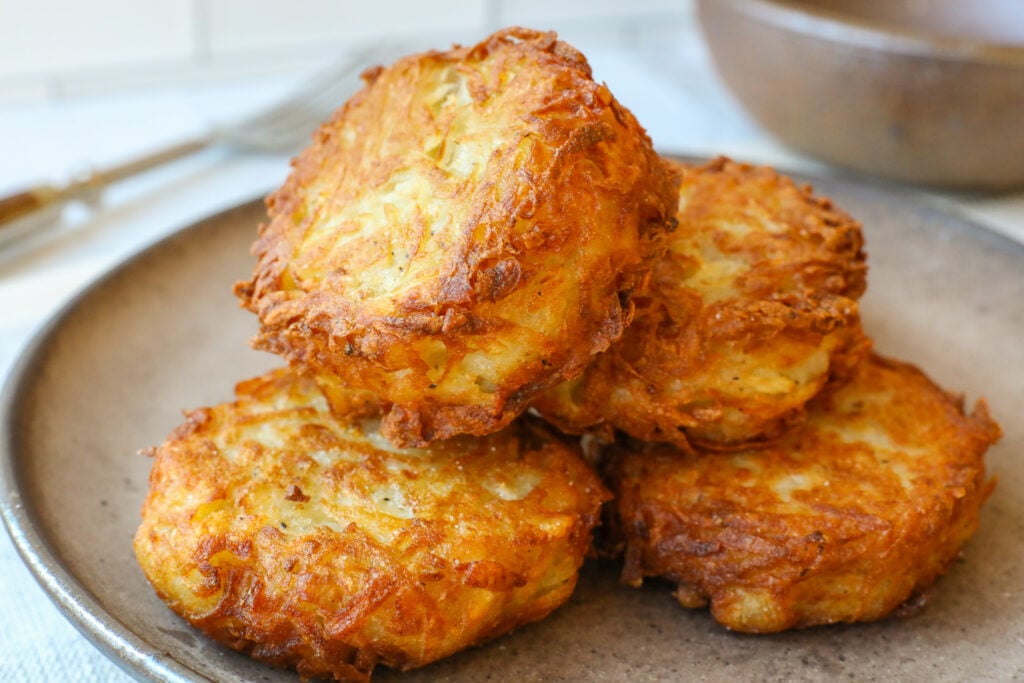
Spread the potatoes in a thin, even layer. A thick pile steams the potatoes; a thin layer allows the heat to crisp the edges. Medium-high heat is essential to brown the exterior without burning the interior.
Troubleshooting common issues
If your hash browns are soggy, you likely didn't squeeze the potatoes dry enough. Russet potatoes contain a lot of moisture, and leaving even a little water in the shreds will cause steam to build up in the pan, preventing browning. If the bottom burns before the top is cooked, lower the heat to medium. The goal is a steady, even brown, not a flash fry.
For extra crunch, try adding a tablespoon of cornstarch to the dried shreds before seasoning. This absorbs residual moisture and creates a craggy, fried texture. If you prefer softer hash browns, cover the pan loosely with foil for the last few minutes of cooking to trap steam.
Keep the texture right
Good texture comes from matching the cooking cue to the food, not from trusting the timer alone. Check thickness, moisture, and doneness before changing the recipe.
-
Prep evenlyCut, roll, portion, or spread the mixture evenly so every piece cooks at the same pace.
-
Control moisturePat, drain, rest, or reduce wet ingredients when excess liquid would soften the final texture.
-
Use the doneness cueLook for the recipe-specific sign of doneness instead of stopping at the first browned edge.
-
Let it settleCool or rest the finished food long enough for steam and structure to stabilize.
Swaps that still work
You don’t need to stick to the exact ingredient list to get a golden, crunchy crust. The key is maintaining the right balance of starch, moisture, and fat. Below is a breakdown of common substitutions and how they affect the final texture.
| Ingredient | Swap | Result | Adjustment |
|---|---|---|---|
| Potatoes | Sweet potatoes | Softer, sweeter, less crispy | Squeeze harder to remove moisture |
| Potatoes | Frozen shredded hash browns | Convenient but often wetter | Thaw and drain in a cheesecloth first |
| Oil | Butter | Richer flavor, lower smoke point | Use ghee or mix with oil to prevent burning |
| Oil | Avocado oil | High smoke point, neutral taste | None; direct 1:1 swap |
| Salt | Seasoned salt or garlic powder | More flavor complexity | Reduce added salt to avoid over-salting |
Moisture is the enemy
Whether you swap russet potatoes for sweet potatoes or use frozen shreds, removing excess water is the most critical step. Wet potatoes steam instead of fry. If you use frozen hash browns, thaw them completely and squeeze them in a clean kitchen towel until no more liquid comes out. Sweet potatoes hold more water than russets, so you may need to squeeze them even longer.
Fat choices
Butter adds a nutty, rich flavor that pairs well with eggs, but it burns easily at the medium-high heat required for crispiness. If you prefer butter, mix it with a neutral oil like canola or avocado oil. Avocado oil is an excellent standalone swap because it withstands high heat without smoking, ensuring your hash browns brown evenly without tasting charred.
Serve and store it
Spread the hash browns in a thin layer while they cook to help them crisp up better and cook more evenly, as noted in diner-style recipes. Let the skillet rest for five minutes before slicing. This allows the potatoes to set so they hold their shape when you cut into wedges.
For leftovers, let the hash browns cool completely before storing. Place them in an airtight container or wrap the skillet tightly in foil. They keep in the refrigerator for up to three days. Avoid stacking them with paper towels, which can trap steam and make the edges soggy.
To reheat, avoid the microwave if you want to keep the crunch. Preheat your oven to 400°F (200°C) and place the hash browns on a baking sheet. Heat for 10 to 15 minutes until the edges are hot and crispy again. For a quicker fix, a hot skillet with a little oil works well too.
Serve the hash browns straight from the pan for the best texture. They pair nicely with eggs, bacon, or a dollop of sour cream. If you made a large batch, you can freeze the cooked hash browns for up to three months. Reheat them directly from frozen in a hot oven to restore their crispiness.
Crispy hash browns: what to check next
Making diner-style hash browns at home is all about managing moisture and heat. If your skillet potatoes turn out soggy or pale, it usually comes down to one of these common pitfalls.
Why are my hash browns soggy instead of crispy?
The enemy of crispiness is water. Potatoes are mostly starch and moisture, and that steam keeps the exterior soft. Squeeze your shredded potatoes firmly in a clean kitchen towel to remove as much liquid as possible before hitting the pan. Additionally, spread the potatoes in a thin, even layer. A thick pile steams itself; a thin layer lets the heat hit every shred directly.
Can I use a potato shredder for this recipe?
Yes, and it is one of the best tools for the job. A box grater or food processor shredder creates consistent strands that cook evenly. Avoid pre-shredded bagged potatoes, which are often treated with anti-caking agents that prevent browning and leave a waxy texture. Shred your own russets or Yukon Golds right before cooking for the best results.
What is the best heat level for skillet hash browns?
Medium-high heat is the sweet spot. You want the oil to be hot enough to sizzle immediately upon contact, creating a crust quickly. If the heat is too low, the potatoes absorb the oil and become greasy. If it is too high, the outside burns before the inside softens. Aim for a golden-brown color after 5–7 minutes of undisturbed cooking.
Should I flip hash browns while cooking?
Patience is key. Do not touch or stir the hash browns for the first 5 to 7 minutes. This allows a solid, crispy crust to form on the bottom. Once the edges pull away from the pan and the underside is deeply golden, flip the entire mass or individual patties. Cook the second side for another 4–6 minutes until equally crisp.
No comments yet. Be the first to share your thoughts!