

Why russets win the crunch battle
The best hash brown recipe relies on a simple chemical reality: starch creates crispiness, while moisture creates steam. Russet potatoes are the superior choice because they possess a high starch content and low moisture levels compared to other varieties. This structural difference is the primary reason russets deliver the golden, crunchy exterior that defines a diner-style hash brown.
When you slice a russet, you are working with large, separate starch granules. During cooking, these granules gelatinize and then dehydrate, forming a rigid, crispy lattice. Waxy potatoes, such as red or Yukon Gold varieties, contain more water and less starch. Their dense cell structure holds moisture tightly, resulting in a softer, sometimes gummy texture when fried. They lack the dry surface area necessary for proper Maillard browning.

Choosing the right potato is the first step in mastering the best hash brown recipe. By selecting russets, you ensure that the shreds have the potential to crisp up properly. This foundational choice allows you to focus on technique—like squeezing out excess water—rather than fighting against the potato's natural composition.
Prep steps for maximum crispiness
The difference between a soggy pancake and a shattering crust comes down to surface chemistry. Potatoes are mostly starch and water; both must leave the bowl before the pan to guarantee the best hash brown recipe delivers on its promise. Rinsing removes loose starch that turns gummy, while thorough drying ensures the water doesn’t steam the potatoes instead of frying them.
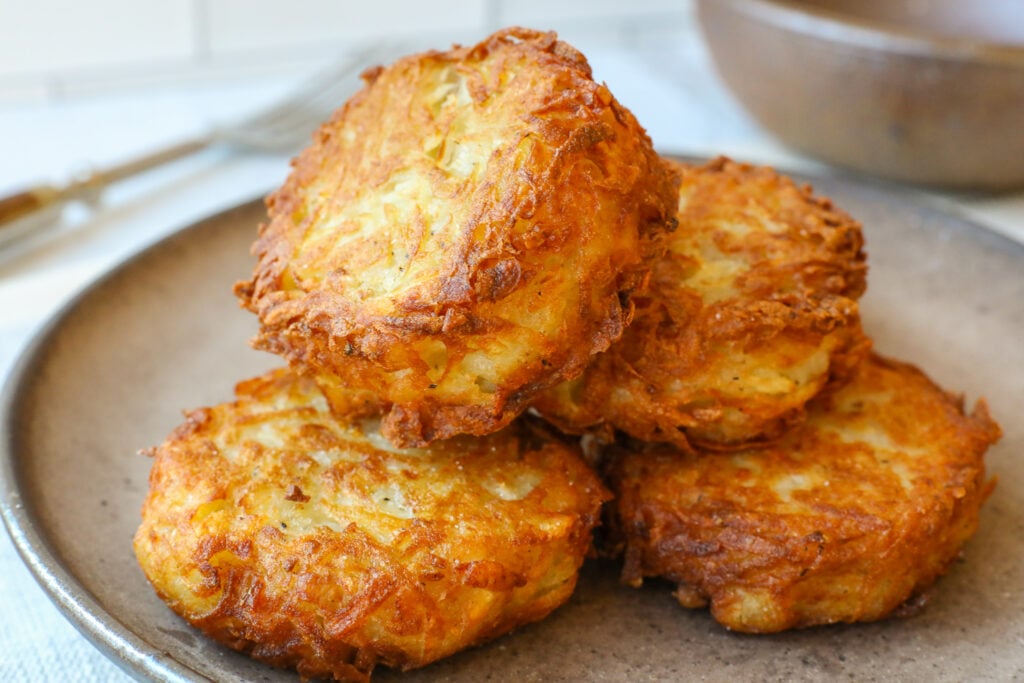
Use the large holes of a box grater or the shredding disk of a food processor. This creates uniform strips that cook evenly. Avoid fine grating, which releases too much internal starch and results in a mushy texture rather than distinct, crispy strands.
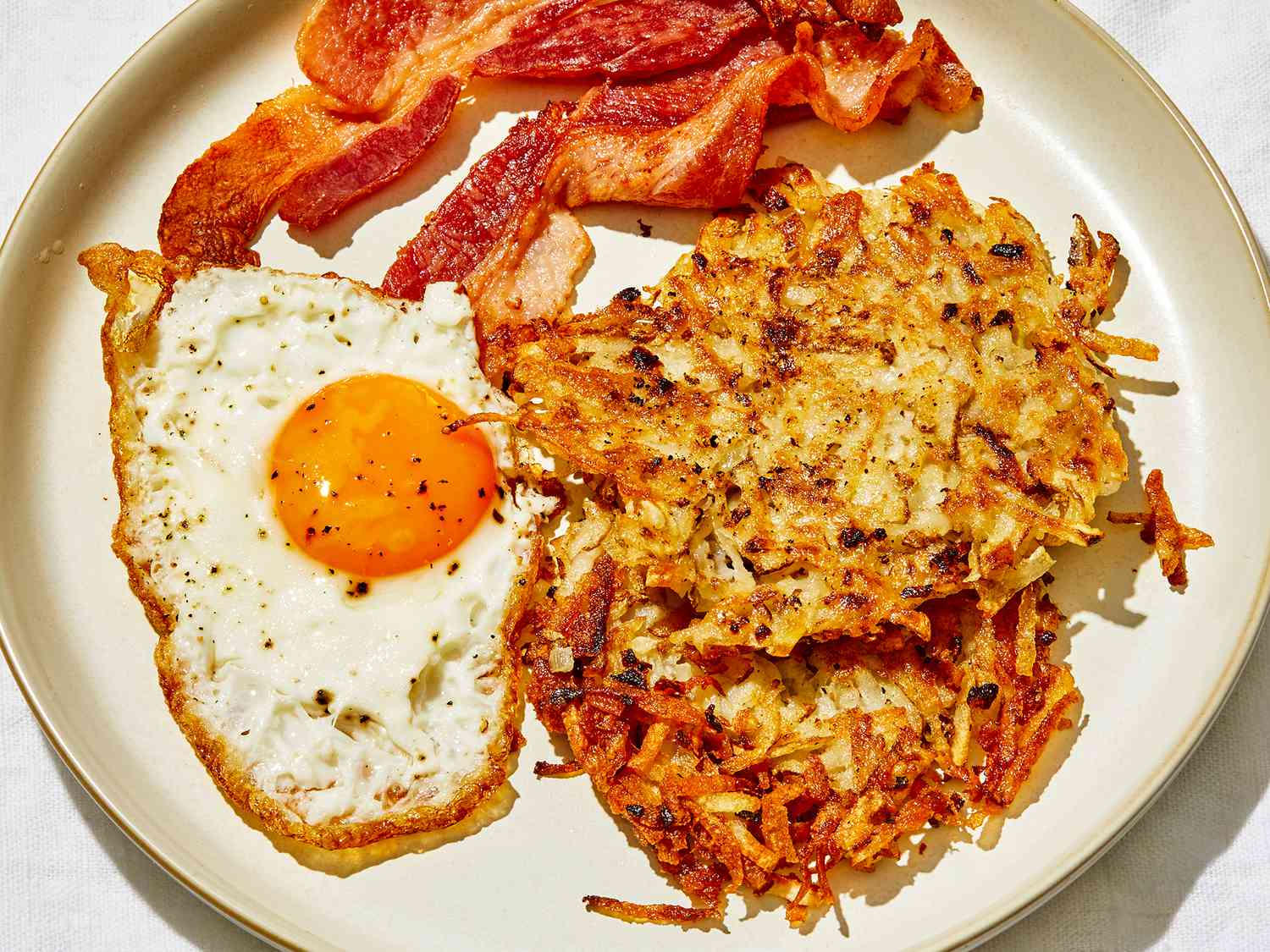
Place the shredded potatoes in a bowl of cold water and swish them around. The water will turn cloudy white as starch releases. Drain and repeat until the water remains clear. This simple step strips away the surface sugars and starches that cause sticking and sogginess.
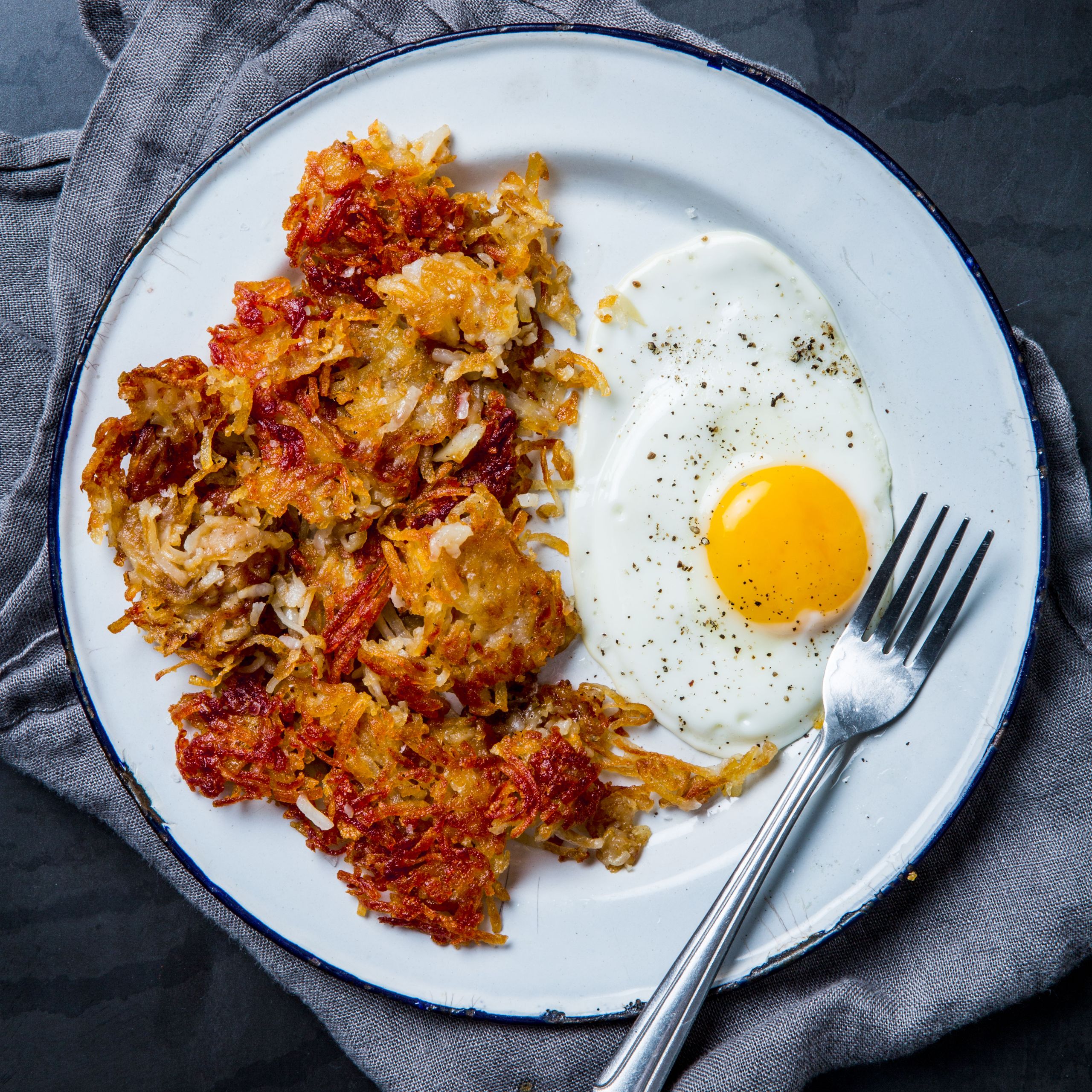
Spread the rinsed potatoes on a clean kitchen towel or several layers of paper towels. Roll the towel up tightly and twist it to wring out every drop of moisture. You can also press down firmly with your hands. The drier the potatoes, the faster they will brown and crisp in the skillet.
Once the potatoes are dry, they are ready for the pan. The goal is to minimize the time between drying and frying to prevent oxidation or re-absorption of moisture. With the starch and water removed, the Maillard reaction can proceed unimpeded, creating that deep golden color and satisfying crunch.
The skillet method for golden crusts
Building the best hash brown recipe requires managing two opposing forces: starch gelatinization and moisture evaporation. A skillet provides the thermal mass needed to drive surface water off the potatoes quickly, creating the Maillard reaction that yields a golden, shatteringly crisp crust. The goal is to transform raw potato shreds into a cohesive, browned lattice without turning them into a steamed, mushy mass.
Heat management is the primary variable. Start with a medium-high heat to establish the initial sear, then reduce to medium once the patties are in the pan. This balance ensures the interior cooks through without burning the exterior. The fat serves as the heat transfer medium; a combination of butter and oil works best. The butter contributes flavor and browning compounds, while the oil’s higher smoke point prevents the butter from burning during the extended cooking time.
Patience dictates the texture. Once the patties hit the pan, do not touch them. Moving the hash browns before a crust has formed will break the bond between the potato shreds and the pan, resulting in fragmented, uneven pieces. Let the starches dry out and caramelize on the bottom surface for 5–7 minutes. You will hear the sizzle change pitch as the moisture evaporates, signaling that the crust is ready.
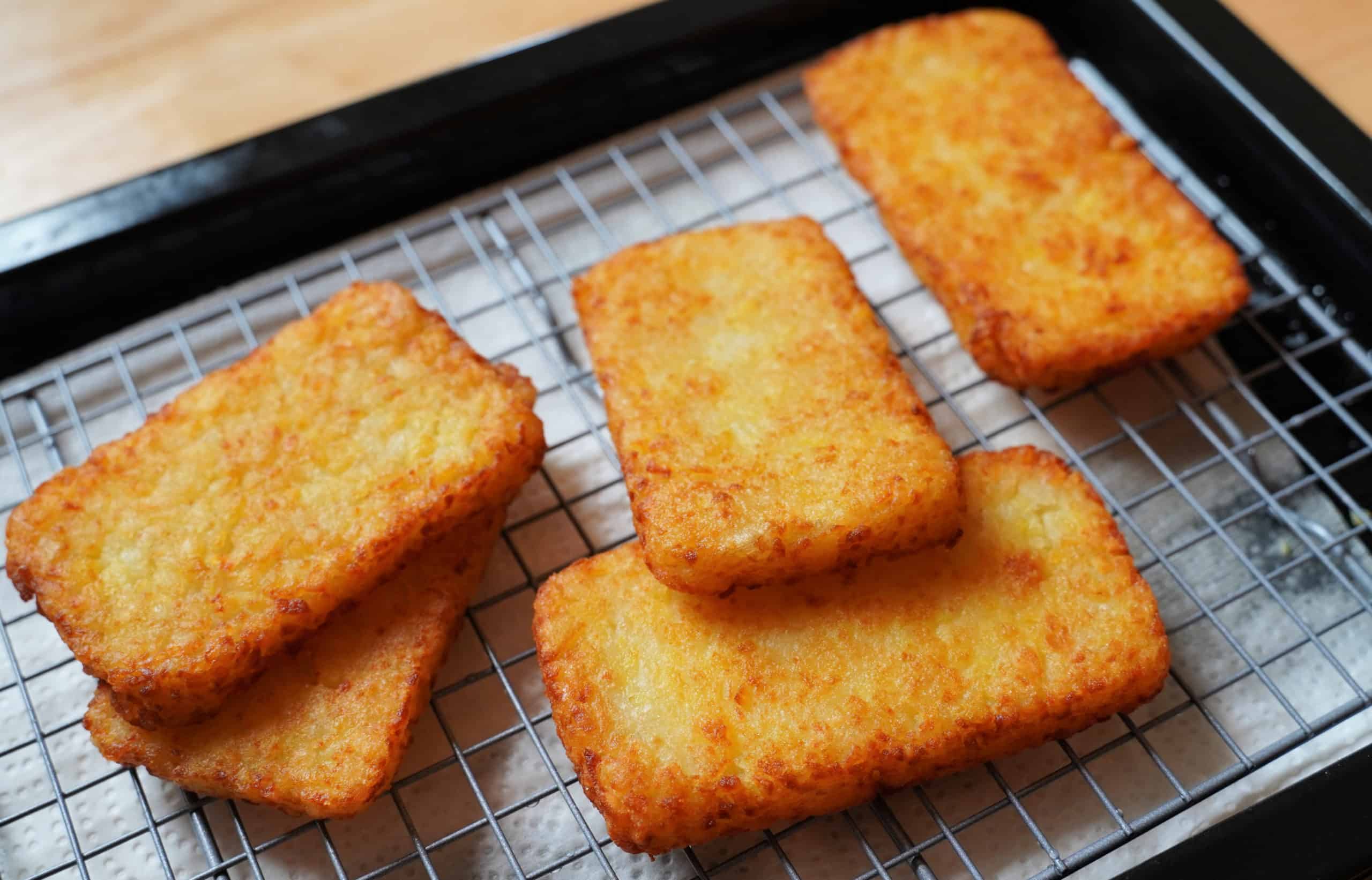
Place a heavy cast-iron or non-stick skillet over medium-high heat. Add your butter and oil mixture, swirling to coat the bottom evenly. The fat should shimmer but not smoke. This ensures immediate contact heat when the potatoes arrive.
Gently press the drained potato shreds into tight, even patties. Place them in the hot pan without crowding. Press down lightly to ensure maximum surface contact with the pan, which is essential for uniform browning.
Reduce heat to medium. Cook for 5–7 minutes without moving the patties. Resist the urge to peek or shift them. Let the starches caramelize and the moisture evaporate to form a rigid, golden crust.
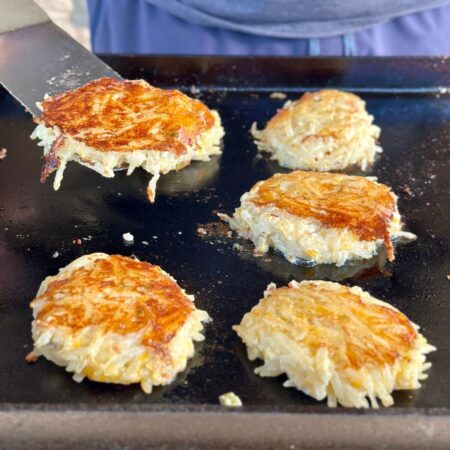
Slide a spatula under the patty and flip it confidently in one motion. Cook the second side for another 5–7 minutes until it matches the first. The hash browns are done when both sides are deep golden brown and crisp to the touch.
Ingredients and equipment checklist
The best hash brown recipe relies on precise starch and moisture control. Russet potatoes provide the necessary structure, while removing excess water ensures a golden, crispy crust rather than a steamed interior. This section outlines the exact components and tools required to achieve that texture.
Core Ingredients
- Russet potatoes: Two large, high-starch potatoes are essential. Avoid waxy varieties like red or Yukon Gold, which lack the structural integrity needed for crispiness.
- Onion: Half a medium yellow onion, finely chopped or grated, adds savory depth without overwhelming the potato flavor.
- Binding agent: One large egg and a quarter cup of all-purpose flour help hold the shreds together, preventing the hash browns from falling apart during the flip.
- Fat: Half a cup of neutral oil (such as vegetable or canola) or clarified butter is required for frying. The fat must be hot enough to sizzle immediately upon contact to seal the surface.
- Seasoning: One teaspoon of salt and half a teaspoon of black pepper form the base seasoning. A pinch of cayenne pepper can be added for heat.
Essential Equipment
- Cast iron skillet: A heavy 10-to-12-inch cast iron skillet retains heat better than stainless steel or non-stick pans, promoting even browning and consistent crispness.
- Box grater or food processor: A fine-grate box grater or the shredding disk of a food processor creates uniform shreds. Uniformity ensures that all pieces cook at the same rate.
- Cheesecloth or clean kitchen towels: These are critical for squeezing the shredded potatoes. Removing as much liquid as possible is the single most important step for achieving a crispy exterior.
- Spatula: A wide, thin metal spatula allows you to slide under the hash browns cleanly for flipping without breaking the crust.
-
2 large russet potatoes, peeled and shredded
-
½ medium onion, finely chopped
-
1 large egg, beaten
-
¼ cup all-purpose flour
-
1 tsp salt
-
½ tsp black pepper
-
½ cup neutral oil or clarified butter
-
10-12 inch cast iron skillet
-
Box grater or food processor with shredding disk
-
Cheesecloth or clean kitchen towels
-
Wide metal spatula
Complete recipe card for crispy hash browns
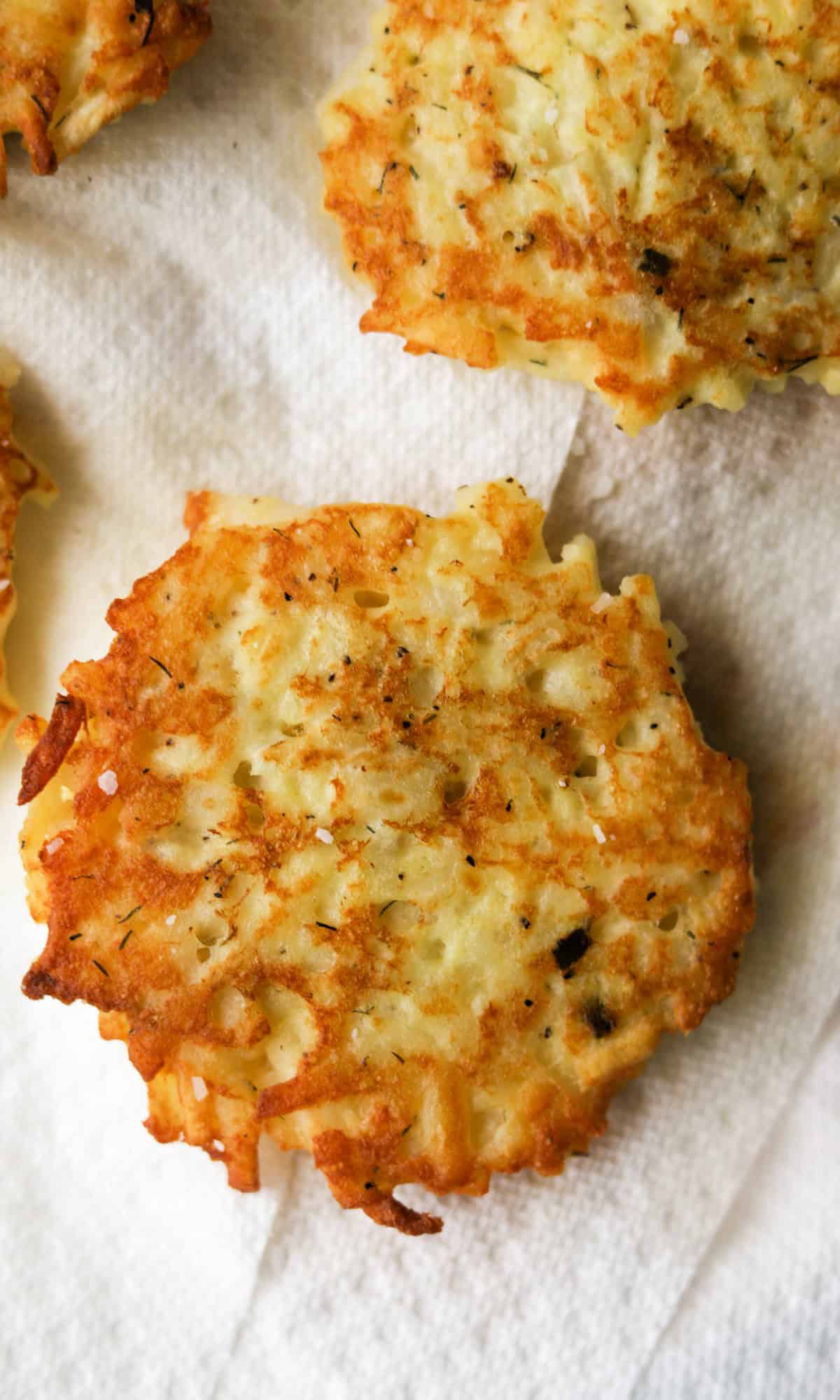
Achieving the best hash brown recipe requires strict control over starch and moisture. Russet potatoes provide the necessary dry starch content to create a rigid, golden crust, while waxy varieties retain too much water, resulting in a steamed texture. The critical technical step is squeezing the shredded potatoes in a clean kitchen towel to remove excess liquid. This dehydration process ensures that the potatoes fry rather than steam in the skillet.
The following recipe card provides precise measurements, timing, and instructions for producing consistent results. Use this as your primary utility for preparation.
Why Hash Browns Turn Soggy
The difference between a diner-style crisp and a steamed mess comes down to two variables: starch and moisture. Russet potatoes are ideal because their high starch content creates a dry, crumbly texture that crisps easily. Waxy varieties hold too much water and bind together, preventing the Maillard reaction that gives hash browns their golden crust.
If your potatoes feel slimy after grating, you haven't rinsed enough. Cold water washes away surface starch, which acts like glue when heated. Squeeze the grated potatoes in a clean kitchen towel until no liquid remains. This step is non-negotiable for the best hash brown recipe.
Avoiding Burnt or Undercooked Centers
Burning often happens when heat is too high for too long, or when the patty is too thick. Aim for a uniform thickness of about 1/4 inch. If the bottom browns before the center cooks, reduce the heat to medium and cover the pan for the last two minutes to trap steam. This ensures the interior is hot without charring the exterior.
Use a heavy skillet, preferably cast iron, for consistent heat distribution. Wait until the oil shimmers before adding the potatoes. Pressing down with a spatula helps create a solid crust, but avoid stirring constantly. Let the hash brown sit undisturbed for 4-5 minutes to develop that signature golden, crunchy layer.
Frequently asked questions about hash browns
Why do my hash browns turn out soggy instead of crispy?
Sogginess is almost always a moisture management failure. Potatoes are roughly 80% water, and that excess liquid steams the shreds rather than frying them. The most effective method is to rinse the shredded potatoes in cold water to remove surface starch, then squeeze them dry in a clean kitchen towel. You need to wring out as much liquid as possible before they hit the skillet. If you are using frozen hash browns, thaw them completely and press out the water with paper towels before cooking. Dry shreds mean maximum Maillard reaction and a golden crust.
Can I use frozen hash browns for the best hash brown recipe?
Frozen hash browns work, but they require different handling than fresh ones. Pre-formed frozen patties often contain added starches or preservatives that can hinder browning. For the best results, buy loose frozen shreds. Thaw them fully and squeeze out the released water just as you would with fresh potatoes. Fresh russet potatoes generally yield a superior texture because you control the starch content and moisture level directly. If you must use frozen, ensure the skillet is hot and the oil is shimmering to combat the extra water content.
How should I store leftover hash browns?
Store cooled hash browns in an airtight container in the refrigerator for up to three days. To restore crispness, avoid the microwave, which will make them rubbery. Instead, reheat them in a dry skillet over medium heat or in an air fryer at 375°F (190°C). This dry heat helps evaporate residual moisture and re-crisps the exterior. For longer storage, you can freeze cooked hash browns, though the texture may become slightly softer upon reheating.
What is the best potato for hash browns?
Russet potatoes are the industry standard for hash browns. Their high starch and low moisture content allows them to crisp up significantly better than waxy varieties like red or Yukon Gold potatoes. Waxy potatoes hold their shape too well, resulting in a softer, less crunchy texture. If you only have waxy potatoes, rinse them thoroughly and squeeze them aggressively to remove as much starch and water as possible.
No comments yet. Be the first to share your thoughts!