
Why moisture kills crispiness
Water is the enemy of the perfect hash brown. When shredded potatoes hit hot oil, the surface temperature must rise quickly to trigger the Maillard reaction—the chemical process that creates that golden-brown crust and complex flavor. If the potato shreds are saturated with water, the oil temperature drops instantly. Instead of frying, the potatoes steam. Steaming softens the starch structure, resulting in a mushy, pale patty that lacks the structural integrity to become crispy.
Think of the potato like a sponge. A wet sponge repels heat; a dry sponge absorbs it. To get crispy hash browns, you need to squeeze that sponge dry. Removing excess moisture allows the oil to make direct contact with the potato surface, creating immediate, sustained heat transfer. This rapid dehydration forms a rigid, crunchy exterior while leaving the interior tender.
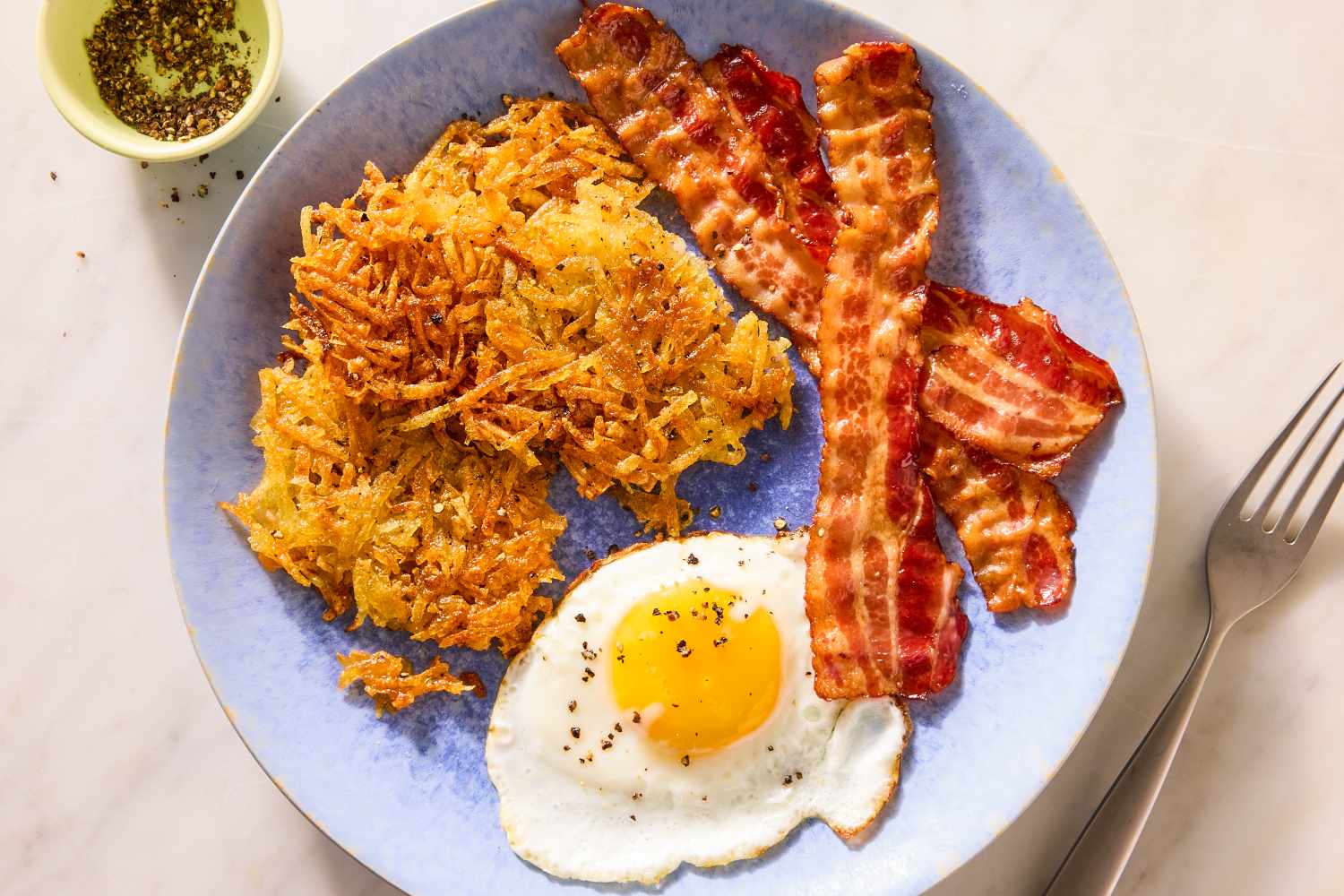
This principle applies whether you are making diner-style patties or shredded hash browns. The texture you see in successful recipes comes from aggressive moisture removal. Without it, even the best seasoning and highest-quality potatoes will fail to deliver the signature crunch. Every minute spent wringing out water pays off in texture.
Choose the right potato
The foundation of crispy hash browns is starch. Russet potatoes, also known as Idaho or baking potatoes, are the standard for a reason. Their high starch content and low moisture create a structure that crisps up effectively when hit with heat. Other varieties, like Yukon Gold or red potatoes, contain more water and wax, which leads to steaming rather than frying. You want a potato that feels heavy for its size and has a rough, netted skin.
When you slice a Russet, you will notice a mealy, dry interior. This texture is ideal because the starch granules expand and crisp during cooking, forming a golden crust. Waxy potatoes hold their shape too well, resulting in soft, soggy hash browns. Look for firm potatoes without green spots or sprouts, as these indicate age and potential solanine buildup.
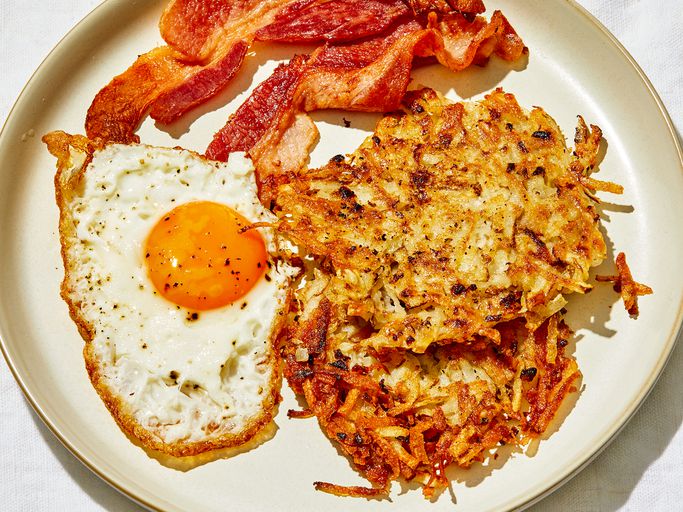
Shred, rinse, and dry
The texture of crispy hash browns depends entirely on how you handle the potato’s internal structure. Whole potatoes hold water and starch in suspension; shredded potatoes expose that surface area to the air and the oil. The mechanical process of shredding, rinsing, and drying is not just preparation—it is the engineering phase that determines whether you get a soggy patty or a golden crust.
Shred for surface area
Use the medium holes of a box grater or a food processor with a shredding disk. You want fine, wispy strands, not thick chunks. Thin shreds have more surface area per gram, which allows moisture to evaporate faster and creates more contact points for the Maillard reaction. Thick shreds retain a soft, starchy interior that fights against crispiness.
Rinse to remove free starch
Potatoes are packed with amylose and amylopectin. When you shred them, this starch leaks out onto the surface of the strands. If you cook this wet, starchy mixture, the starch gelatinizes and acts like glue, binding the potatoes into a dense, doughy mass.
Submerge the shredded potatoes in a bowl of cold water. Swirl them around with your hand. The water will turn cloudy white as the loose starch washes away. Drain the water and repeat this process two or three times until the water runs mostly clear. This step is non-negotiable for achieving a light, airy crunch rather than a heavy, fried dough texture.
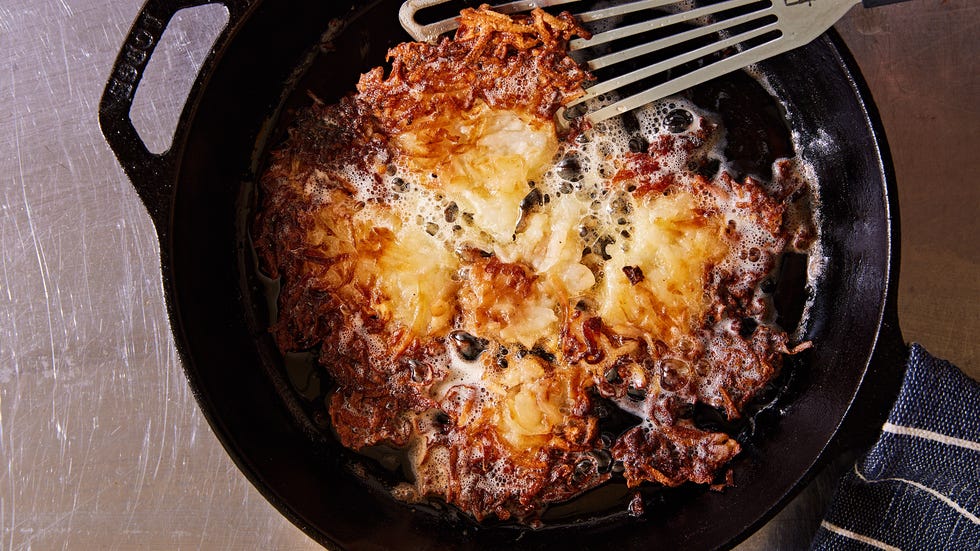
Dry to ensure the fry
Water is the enemy of crispiness. Oil cannot brown food until the surface temperature of the food exceeds 212°F (100°C) to boil off the moisture. If the potato strands are wet, you are essentially steaming them in their own vapor while the oil cools down, preventing the crust from forming.
Transfer the rinsed potatoes to a clean, lint-free kitchen towel or several layers of paper towels. Fold the towel over the potatoes and twist tightly. You need to squeeze out every drop of water. The bundle should feel dry to the touch when you open it. If it feels damp, squeeze harder. This mechanical removal of water is the single most important step in making crispy hash browns from scratch. Without it, no amount of heat or oil will save the dish.
Skillet technique and heat
The foundation of crispy hash browns is not just the potato, but the heat management of the pan. Cast iron is the preferred vessel for this task because its thick walls retain heat effectively. When the potato mixture hits the surface, the pan must be hot enough to sear the exterior immediately, creating a barrier that locks in moisture while driving off surface water. This rapid dehydration is what turns soft shreds into a rigid, golden crust.
Heat control requires a specific range. Medium-high heat is the target. If the pan is too cool, the potatoes will steam in their own released juices, resulting in a soggy, pale texture rather than a crisp one. If the heat is too high, the exterior will burn before the interior is cooked through. The goal is a steady, aggressive sizzle that browns the starches evenly without charring them.
Once the potatoes are in the pan, the most critical rule is to not stir. Stirring breaks up the forming crust and redistributes the moisture, preventing the Maillard reaction from completing. Let the hash browns cook undisturbed for about six minutes. During this time, the bottom layer will brown and crisp, adhering to the cast iron. This patience is what creates the structural integrity needed for flipping.
Place your cast iron skillet over medium-high heat. Allow it to warm up for several minutes before adding oil or potatoes. A properly heated pan ensures immediate searing upon contact.
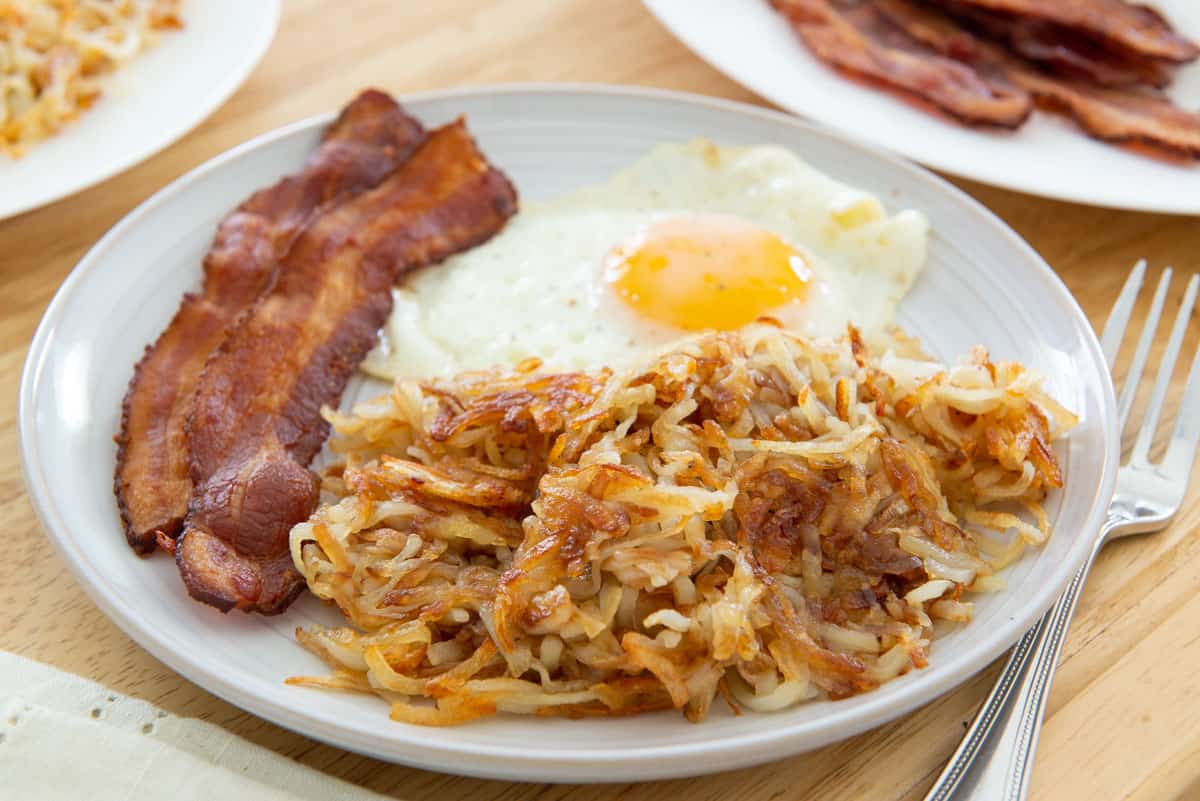
Add a high-smoke-point oil, such as vegetable or canola oil, to the hot pan. Spread the drained potato mixture evenly across the surface. Press down gently with a spatula to create a compact, uniform layer.
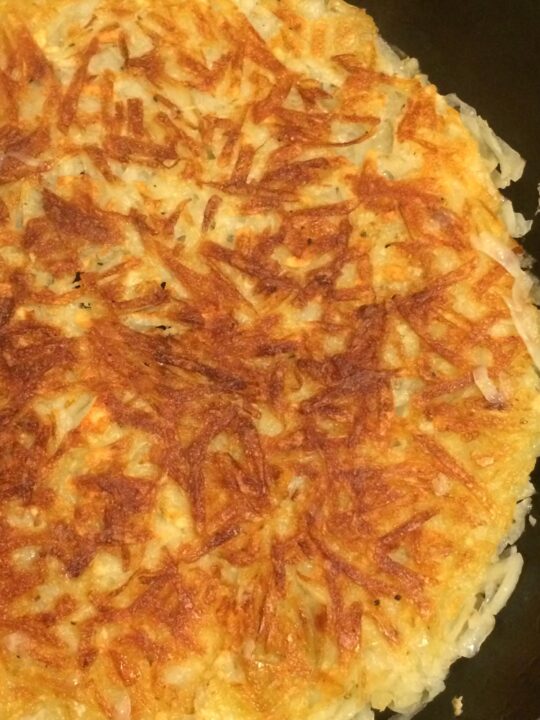
Leave the potatoes alone for approximately six minutes. Resist the urge to stir or check the bottom. This allows the starches to caramelize and form a solid, crispy crust on the first side.
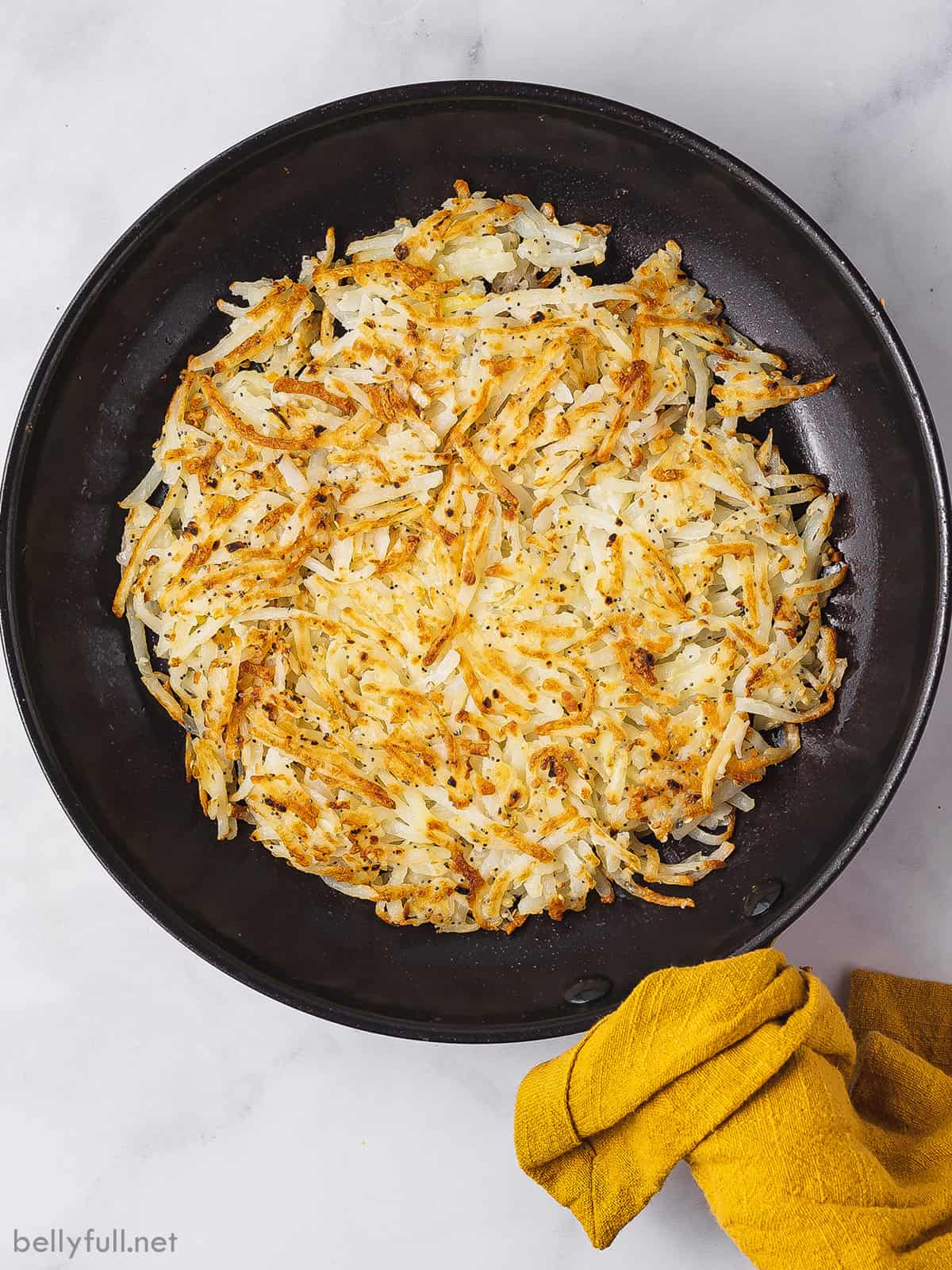
Once the bottom is golden brown and releases easily from the pan, flip the hash browns. You can do this in sections or use a large plate to flip the entire mound. Cook the second side for another two to three minutes until equally crisp.
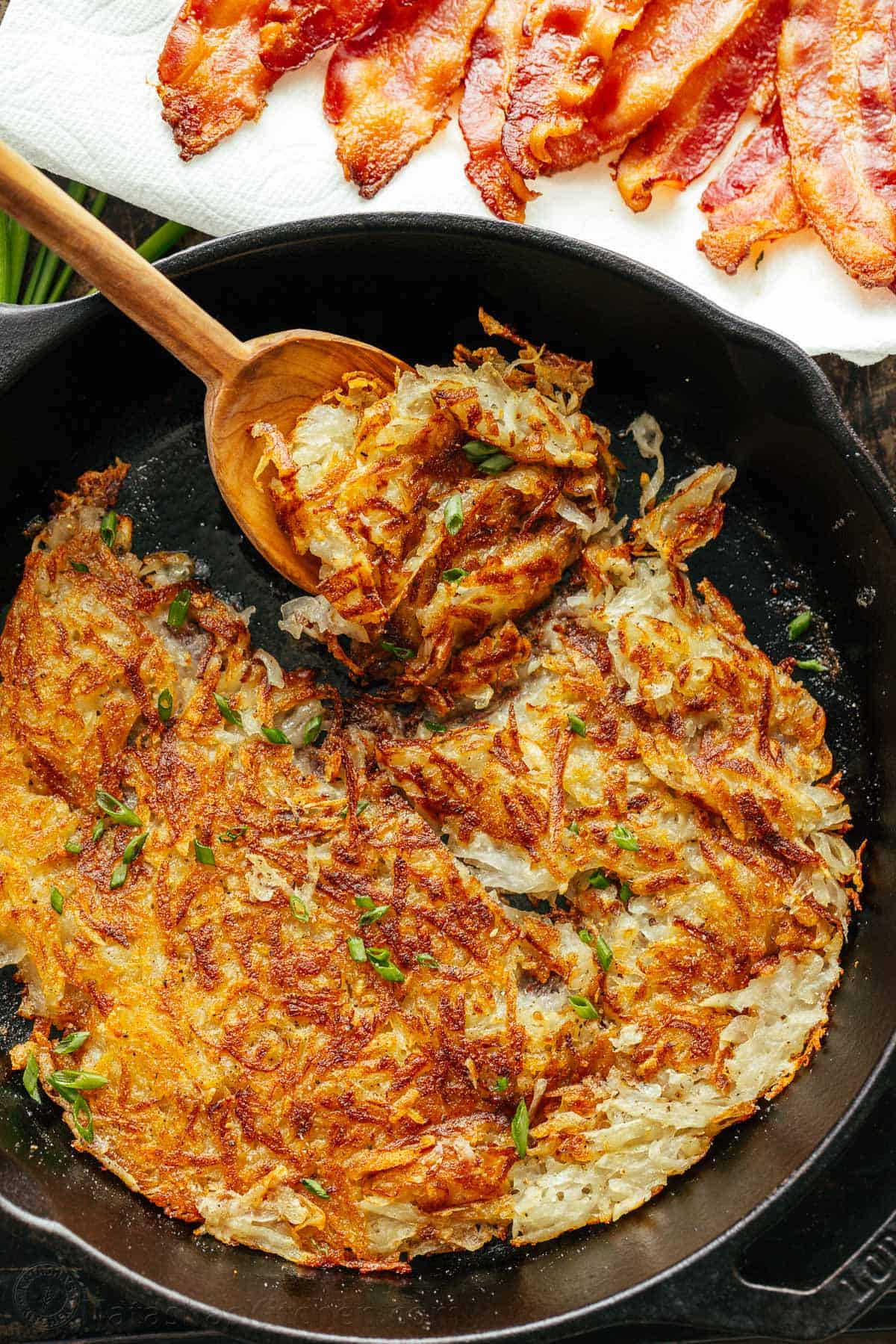
Remove from the pan and drain briefly on a paper towel if needed. Serve while hot and crisp, as the texture will soften as the potatoes cool and reabsorb moisture.
The visual cues are your best guide. The edges should look rigid and golden, and the bottom should have a deep, even brown color. If the potatoes stick to the pan, it usually means they haven't formed a crust yet; give them another minute. Proper heat and patience transform simple shredded potatoes into a complex, crunchy side dish.
Complete Crispy Hash Brown Recipe
Achieving the perfect texture for crispy hash browns relies on two chemical principles: moisture removal and undisturbed heat exposure. Potatoes are approximately 80% water; if that moisture remains trapped, the potatoes steam rather than fry, resulting in a soggy exterior. By squeezing the shreds dry and letting them sit in a hot pan without moving them, you allow the Maillard reaction to create a rigid, golden crust.
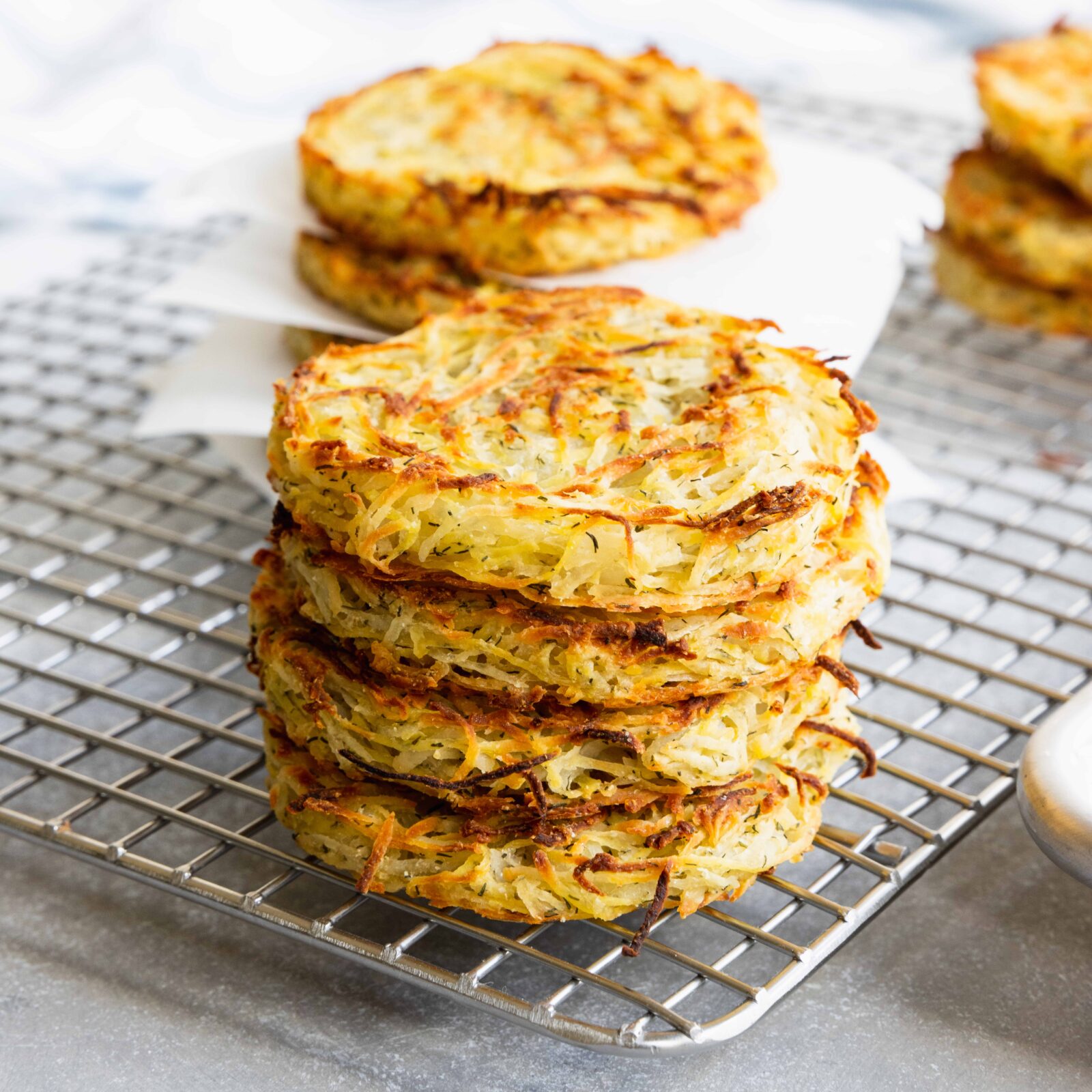
The key to this method is patience during the cooking phase. Do not stir the hash browns while they are browning. Letting the starches set against the hot metal creates the necessary structural integrity for that signature crunch.
Checklist for crispy results
Before the potato hits the pan, these four steps determine whether your hash browns stay soft or turn golden. Heat management and moisture control are the primary drivers of texture.
- Choose the right potato: Starchy Russets contain less water and more amylose, which promotes a crispier crust compared to waxy varieties.
- Rinse thoroughly: Wash the shreds until the water runs clear. This removes surface starch that would otherwise glue the shreds together and trap steam.
- Dry completely: Use a clean kitchen towel to press out every drop of moisture. Water is the enemy of crispiness; it lowers the oil temperature and steams the exterior.
- Preheat the pan: Wait until the skillet is hot before adding oil. A properly heated pan creates an immediate sear, locking in structure.
Common hash brown: what to check next
Even with the right technique, hash browns can be finicky. Here are answers to the most frequent questions about achieving that perfect crispy exterior.
No comments yet. Be the first to share your thoughts!