
Why russets make the best hash brown recipe
The foundation of any crispy hash brown recipe lies in the starch content of the potato. Russet potatoes, often called Idaho potatoes, are the gold standard for this dish because they have a high starch content and low moisture. This combination allows the shredded potato to dehydrate quickly in the pan, creating a rigid, golden crust rather than a soggy, steamed interior.
Other varieties, such as Yukon Golds or red potatoes, contain more wax and water. While they hold their shape well for boiling, that extra moisture fights against crisping. Using a waxy potato often results in a tender, soft texture that lacks the signature crunch of diner-style hash browns. Starchy russets act like a sponge for fat and heat, ensuring every bite shatters cleanly.
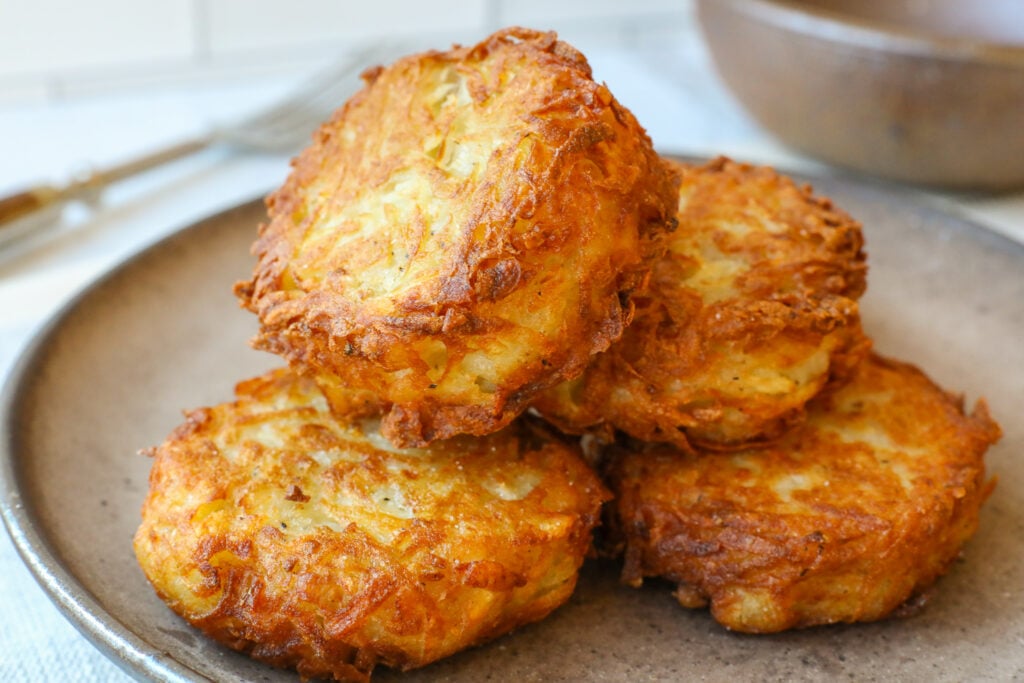
Choosing the right potato is only half the equation; the method of preparation matters just as much. A potato shredder is the key tool for consistent results. Unlike a knife, which can bruise the potato and release excess starch into a gluey mess, a shredder creates uniform strands. These strands cook evenly and crisp up rapidly, giving you that perfect, uniform golden-brown finish every time.
Prep the potatoes for maximum crispiness
The secret to a hash brown recipe that actually crunches lies in what happens before the skillet heats up. Starch is the enemy of crispiness; it acts like glue, holding moisture against the potato and preventing the Maillard reaction from creating a golden crust. By removing excess starch and water, you create the conditions for a shatteringly crisp exterior.
Shred with a potato shredder
Use a box grater or a dedicated potato shredder to break the potatoes down. The potato shredder is the key tool here because it creates uniform, thin strips that cook at the same rate. Avoid using a food processor with a slicing blade, which can turn the potatoes into a wet, mushy paste rather than distinct shreds. Uniformity ensures that every bite has the same texture.
Rinse away the starch
Place the shredded potatoes in a large bowl of cold water. Swirl them around vigorously for a minute or two. The water will turn cloudy white—this is the loose starch escaping. Drain the water, then repeat the process until the water runs mostly clear. This step is non-negotiable for achieving that distinct, crispy hash brown recipe texture rather than a gummy, steamed potato.
Use a box grater or potato shredder to create uniform strips. Uniformity ensures even cooking and consistent crispiness across the entire patty.
Soak the shreds in cold water, swirling them to release starch. Drain and repeat until the water runs clear. Removing this starch prevents the potatoes from sticking together and steaming instead of frying.
Squeeze the shreds in a clean kitchen towel or cheesecloth to remove as much moisture as possible. Dry potatoes fry better than wet ones; any remaining water will turn to steam and soften the crust.
Squeeze out the moisture
Once rinsed, you must remove the water. Lay the shreds on a clean kitchen towel or several layers of cheesecloth. Gather the edges and twist tightly, squeezing out every drop of liquid you can. This step is often overlooked, but it is just as important as rinsing. If the potatoes are wet, the water will boil off in the pan, lowering the oil temperature and resulting in soggy hash browns.
Season lightly
Salt the potatoes only after they are dry and ready to cook. Salting too early draws out more moisture through osmosis, making the drying step harder. Toss the dry shreds with a pinch of salt and, if desired, a small amount of pepper. The goal is to let the potato’s natural flavor shine through a crispy, golden crust.
Cooking the best hash brown recipe in a skillet
Good texture comes from matching the cooking cue to the food, not from trusting the timer alone. Check thickness, moisture, and doneness before changing the recipe.
-
Prep evenlyCut, roll, portion, or spread the mixture evenly so every piece cooks at the same pace.
-
Control moisturePat, drain, rest, or reduce wet ingredients when excess liquid would soften the final texture.
-
Use the doneness cueLook for the recipe-specific sign of doneness instead of stopping at the first browned edge.
-
Let it settleCool or rest the finished food long enough for steam and structure to stabilize.
Recipe Card and Serving Suggestions
The foundation of the best hash brown recipe is precision. The Idaho Potato Commission confirms that rinsing away surface starch and maintaining high heat are the only reliable ways to achieve a golden, shatter-crisp exterior without burning the edges. This recipe is designed for a standard 10-inch skillet, ensuring the potatoes form a single, even layer that maximizes contact with the pan.
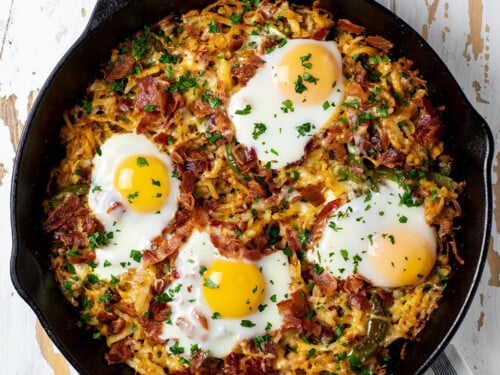
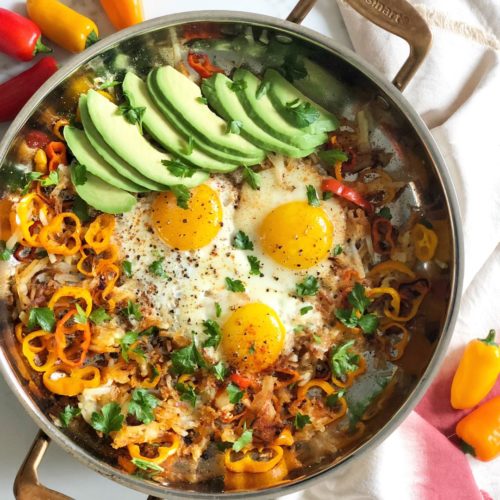
These hash browns serve as a sturdy base for classic breakfast pairings. They complement the richness of fried bacon or sausage links and provide a textural contrast to soft scrambled eggs. For a complete meal, serve them alongside a savory omelet or simply top with a fried egg and fresh chives.
Common questions about crispy hash browns
Even with a potato shredder and high heat, a few variables can stand between you and a golden crust. Here are the most frequent technical hurdles and how to resolve them.
Why are my hash browns soggy?
Starch and water are the enemies of crispness. When you shred potatoes, the potato shredder releases surface starch and moisture. If you skip rinsing, that starch gelatinizes in the pan, creating a gummy layer instead of a crunchy exterior. Rinse the shreds in cold water until the water runs clear, then squeeze them dry with a clean kitchen towel. Removing as much liquid as possible ensures the fat hits the potato surface directly, triggering the Maillard reaction rather than steaming the shreds.
How do I stop hash browns from sticking to the pan?
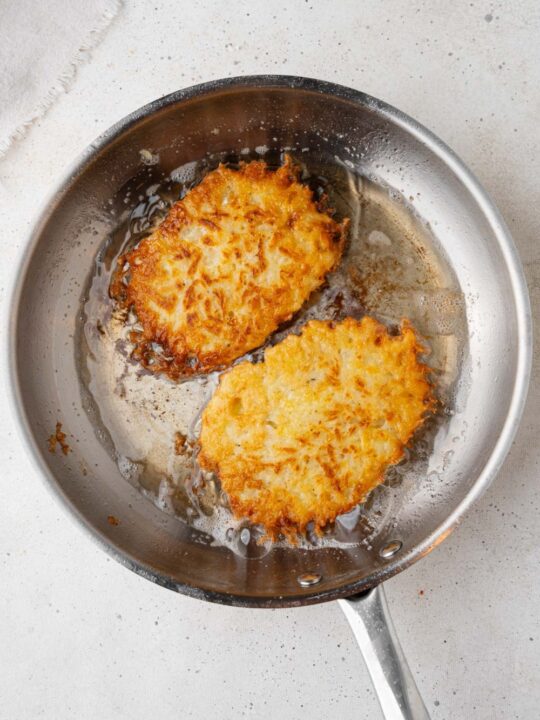
Sticking usually happens when the pan isn’t hot enough or the fat hasn’t fully coated the surface. Use a well-seasoned cast-iron skillet or a heavy non-stick pan. Heat the pan over medium-high heat before adding the oil or butter. Once the fat shimmers, add the potatoes and press them down firmly. Let them cook undisturbed for 5-7 minutes. A crust will form naturally; if you try to flip too early, the potatoes will tear. The hash brown should release from the pan easily when the bottom is deeply golden.
Can I make hash browns ahead of time?
Yes, but timing matters. You can shred and rinse the potatoes up to a few hours in advance, but keep them submerged in cold water to prevent browning. Before cooking, drain and squeeze them thoroughly again, as they will have reabsorbed some moisture. For the best texture, cook them immediately after drying. If you cook them fully and store them, they will soften in the refrigerator. Reheat leftovers in a hot skillet with a little fresh oil to restore some crispness, though they won’t match the fresh-out-of-the-pan texture.
No comments yet. Be the first to share your thoughts!