
Why frozen shreds win for speed
Frozen hash browns are a viable shortcut for crispy results if handled correctly. The main advantage is time: pre-shredded potatoes save you the grating and squeezing steps that usually dominate breakfast prep. You skip the chopping, the rinsing, and the initial moisture extraction, getting straight to the pan.
The trade-off is moisture. Frozen shreds hold more water than fresh ones, which can lead to steaming instead of frying if you don't manage the heat properly. The goal isn't to fight the frozen state but to work with it. By starting with hot oil and spreading the shreds in a thin layer, you force that moisture to evaporate quickly, leaving behind the golden, crunchy exterior you want.
This approach prioritizes the task sequence over perfection. You aren't trying to replicate a farm-to-table experience; you're aiming for diner-style speed and texture. The technique that follows focuses on heat management and timing, ensuring the frozen shreds crisp up properly without turning soggy.
Prep the shreds for maximum crunch
Removing moisture is the single most important factor for achieving crispy hash browns. Frozen shredded potatoes contain a high water content that turns to steam during cooking. This steam prevents the Maillard reaction, leaving you with soggy, pale patties instead of golden, crunchy edges.
Squeeze out the water
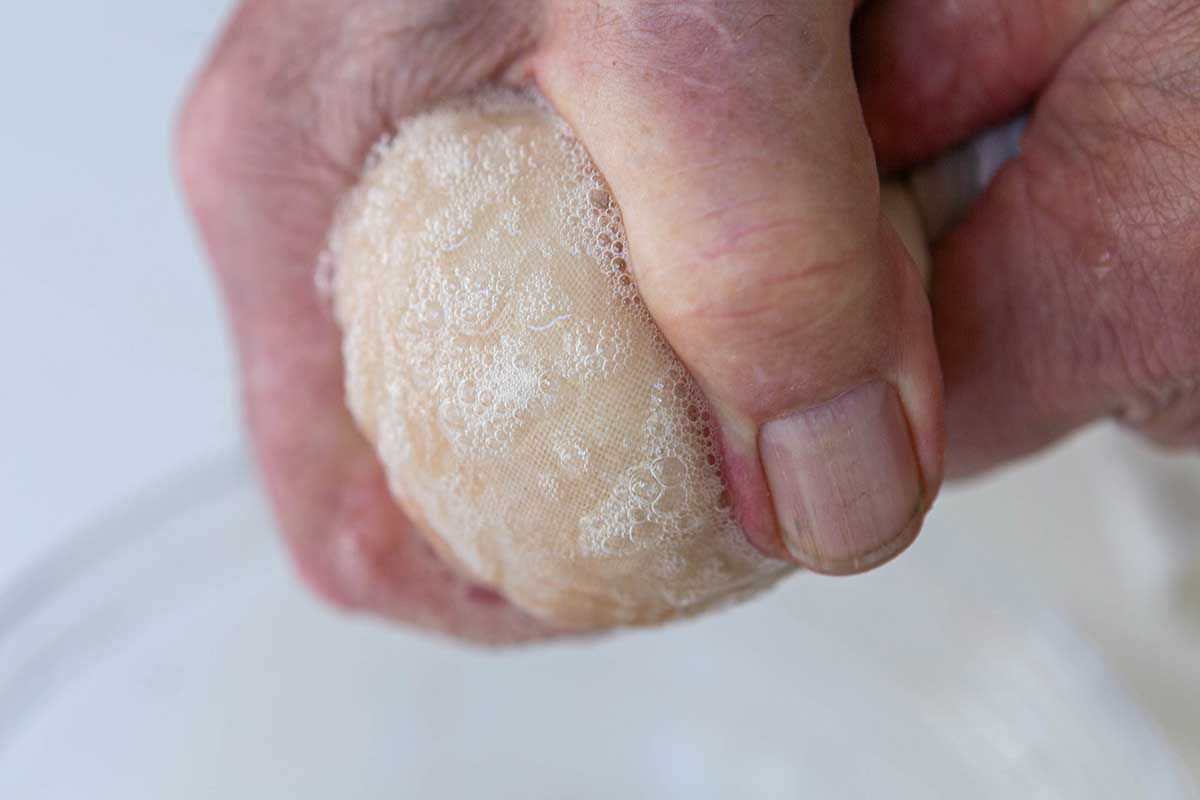
Thaw the hash browns completely in the microwave or by leaving them in a colander for an hour. Once thawed, transfer the shreds to a clean kitchen towel or several layers of paper towels. Gather the corners and twist tightly over the sink, squeezing out every drop of liquid. You should be surprised by how much water comes out. This dry base allows the oil to crisp the exterior rather than steaming the interior.
Salt strategically
Add salt to the shreds after squeezing, not before. Salt draws out moisture through osmosis. If you salt the potatoes before removing the water, you will undo your hard work by pulling more liquid to the surface. Toss the dry shreds with a small amount of oil and pepper before forming patties. The oil helps conduct heat directly to the potato surface for faster crisping.
Heat the skillet and add fat
Preheat a large cast iron or nonstick skillet over medium-high heat for two to three minutes. A properly heated pan is the foundation of crispy hash browns; it ensures immediate browning rather than steaming the frozen shreds. Test the heat by sprinkling a few drops of water onto the surface—they should dance and evaporate instantly.
Add one tablespoon of butter and one tablespoon of neutral oil, such as vegetable or canola. The butter provides the rich, nutty flavor associated with classic diner-style hash browns, while the oil raises the smoke point to prevent the butter from burning. Swirl the mixture until the butter foams and subsides slightly, creating a shimmering coating across the pan. This fat layer acts as a barrier, helping the frozen potato shreds release easily once a crust forms.
Press and cook without moving
Once your pan is hot and the oil is shimmering, spread the frozen hash browns in an even layer. Do not pile them; a single, compact layer allows moisture to escape and heat to penetrate uniformly. Press down firmly with a spatula to create a solid patty. This initial compression locks the shreds together and maximizes surface contact with the pan, which is the foundation for a uniform crust.
After shaping the patty, resist the urge to stir. Let the hash browns cook undisturbed for six to eight minutes over medium heat. This patience is the most difficult part of the process. As the bottom cooks, starches caramelize and bonds form, creating a rigid, golden-brown shell. If you try to flip too early, the patty will break apart and steam instead of fry.
To check if they are ready, gently lift the edge with a spatula. If the underside is deeply golden and releases easily from the pan, it is time to flip. If it sticks, it needs another minute or two. Rushing this step results in soggy, pale centers rather than the crunchy texture you want. Trust the visual cue of the browning edge to guide your timing.
Flip and finish the second side
Once the bottom of your hash browns is a deep, even golden brown, it is time to flip them. Use a wide spatula to gently but firmly turn the patty over. If you are using a nonstick skillet, you can often flip the entire patty in one confident motion. For larger batches or if the shreds are loose, flip in quarters to keep the structure intact.
After the flip, press down lightly with the spatula. This ensures the new side makes full contact with the hot surface, which is essential for that uniform crunch. The second side usually cooks a bit faster than the first, so keep a close eye on it.
Cooking the second side
Let the second side cook for about 5 to 7 minutes, or until it matches the color and crispness of the first side. The goal is to cook through the frozen shreds without burning the exterior. If the edges look like they are darkening too quickly, reduce the heat slightly to allow the center to warm through.
Checking for doneness
A properly cooked hash brown should release easily from the pan and have a rigid structure. If you lift an edge, it should be crisp, not soft or soggy. Once both sides are evenly golden, transfer the hash browns to a wire rack or paper towel-lined plate to drain excess oil. This step prevents them from getting soggy as they cool.
Best tools for the job
You can make crispy hash browns from frozen shreds with almost any pan, but the right skillet changes the texture from soggy to shatteringly crisp. The goal is even heat distribution and a surface that releases food easily once the crust forms. A heavy bottom prevents hot spots that burn the potatoes while leaving the center pale.
Compare skillet materials
Cast iron holds heat better than thin stainless steel, which helps maintain the high temperature needed when you add frozen shreds. Stainless steel offers faster cleanup and lighter weight but requires more attention to prevent sticking. Use the comparison below to decide which fits your cooking style.
| Feature | Cast Iron | Stainless Steel |
|---|---|---|
| Heat Retention | Excellent (holds heat well) | Good (heats up fast, cools fast) |
| Non-Stick Performance | Needs seasoning; improves with use | Poor; requires adequate oil/fat |
| Durability | Indestructible; lasts generations | Dent-resistant; won't rust |
| Cleanup | Hand wash only; no soap preferred | Dishwasher safe; easy wipe down |
| Weight | Heavy; requires strong wrist | Lighter; easier to maneuver |
Recommended gear
The tools below are selected for their ability to handle high-heat frying and easy release. Cast iron skillets are the gold standard for diner-style hash browns because they create a consistent crust. A box grater or food processor bowl with a shredding disk is essential if you are starting from whole potatoes, though frozen shreds skip this step.


As an Amazon Associate, we may earn from qualifying purchases.
Why the pan matters
The surface area of your skillet determines how much space the hash browns have to spread out. Crowding the pan steams the potatoes instead of frying them, leading to soggy results. A 10-inch skillet is the ideal size for most home cooks, allowing enough room for a single, even layer that crisps uniformly.
Avoid These Common Mistakes with Crispy Hash Browns
Even with frozen shreds, small errors can turn your breakfast into a soggy mess or a burnt lump. Treating frozen hash browns like fresh ones is the most frequent pitfall. Fresh potatoes contain high water content that must be pressed out; frozen shreds already have much of that moisture removed during processing. If you treat them the same way, you risk overcooking them just to dry them out further.
Overcrowding the Pan
Crowding is the enemy of crispiness. When you pile too many shreds into the skillet, the temperature drops and steam gets trapped. Instead of frying, the potatoes begin to steam in their own moisture, resulting in a soft, pale texture. Spread the shreds in a single, even layer with a little space between them. If you are making a large batch, cook in two smaller rounds rather than one massive pile.
Moving the Potatoes Too Soon
Patience is the most important ingredient here. It is tempting to stir or flip the hash browns to check their progress, but doing so early breaks the crust before it has a chance to form. According to culinary experts, crunchy, golden-brown hash browns need 10 to 15 minutes of undisturbed cooking time per side. Let the bottom set firmly against the pan before you attempt to flip.
Using the Wrong Fat
Water and oil don't mix, but oil conducts heat better than butter alone. Butter burns at high temperatures, which can lead to bitter, charred edges before the inside is hot. Use a neutral oil with a high smoke point, such as vegetable or canola oil, to get that diner-style crunch. If you want butter flavor, add it only after the potatoes are crispy and removed from the heat.
Skipping the Salt
Seasoning isn't just for flavor; it affects texture. Salt draws out moisture from the surface of the potatoes. If you wait until the end, the salt sits on top of the crust rather than interacting with the starch. Sprinkle a pinch of salt over the shreds before they hit the pan, and again immediately after flipping to ensure even seasoning and maximum crispness.
Watch the skillet process
See exactly how frozen shreds transform into golden, crispy hash browns. This video walks through the skillet technique, showing how to manage heat and press the patties for maximum crunch.
It’s a quick visual guide to help you nail the timing and texture without overcomplicating the steps.
No comments yet. Be the first to share your thoughts!