
Why frozen potatoes work best
The biggest hurdle to crispy hash browns is moisture. Fresh potatoes are nearly 80% water, and that water has nowhere to go but into the oil, steaming the potatoes from the inside out. Frozen shredded potatoes solve this problem before you even turn on the stove. The freezing process ruptures the potato cell walls, allowing excess water to drain away during the thawing stage, leaving behind drier, starchier shreds that fry up crispier and faster.
This isn't just about convenience; it's about consistency. When you buy fresh potatoes, you are guessing at their water content and trying to manually squeeze them dry—a process that often leaves behind soggy centers or turns the shreds into mush. Frozen bags provide a uniform texture that behaves predictably in the skillet. You skip the grater, the bowl of ice water, and the tedious squeezing, moving straight to the pan.
The difference is stark when you compare the two methods. Fresh shreds require significant effort to remove moisture, and even then, they often brown unevenly. Frozen shreds, once thawed and squeezed, are ready to hit the hot oil and form a golden crust immediately.
Ingredients and Prep Basics
Making crispy hash browns in a skillet requires very few ingredients, but the preparation is where the difference between soggy and golden-brown lies. You need potatoes, oil, and salt. That is it. Cornstarch is optional; it acts as a binder to hold the mixture together and can add an extra layer of crunch, but it is not strictly necessary if you master the drying step.
The most critical factor in achieving that diner-style crunch is removing moisture. Potatoes are mostly water. If you shred them and put them straight into the pan, that water turns to steam, steaming the potatoes instead of frying them. The result is a pale, soft patty that falls apart. You must squeeze the shredded potatoes dry. Use a clean kitchen towel or cheesecloth to wring out as much liquid as possible. The drier the shreds, the crispier the exterior will be.
Once dried, spread the potatoes in a thin, even layer in your hot skillet. A thin layer ensures that heat penetrates quickly and evenly, promoting uniform browning across the entire surface. Thick piles will steam in the center. Season with salt just before cooking to draw out any remaining moisture, or add it after cooking to keep the texture crisp.
-
Shred potatoes on the large holes of a box grater
-
Rinse shreds in cold water to remove excess starch
-
Squeeze shreds dry using a kitchen towel or cheesecloth
-
Toss with optional cornstarch for extra crunch
-
Season with salt and pepper
Cooking the hash browns
Make Crispy Hash Browns in a Skillet works best as a clear sequence: define the constraint, compare the realistic options, test the tradeoff, and choose the path with the fewest hidden costs. That order keeps the advice usable instead of decorative. After each step, pause long enough to check whether the recommendation still fits the reader's actual situation. If it depends on perfect timing, unusual access, or a best-case budget, include a simpler fallback.
Serving and Storage
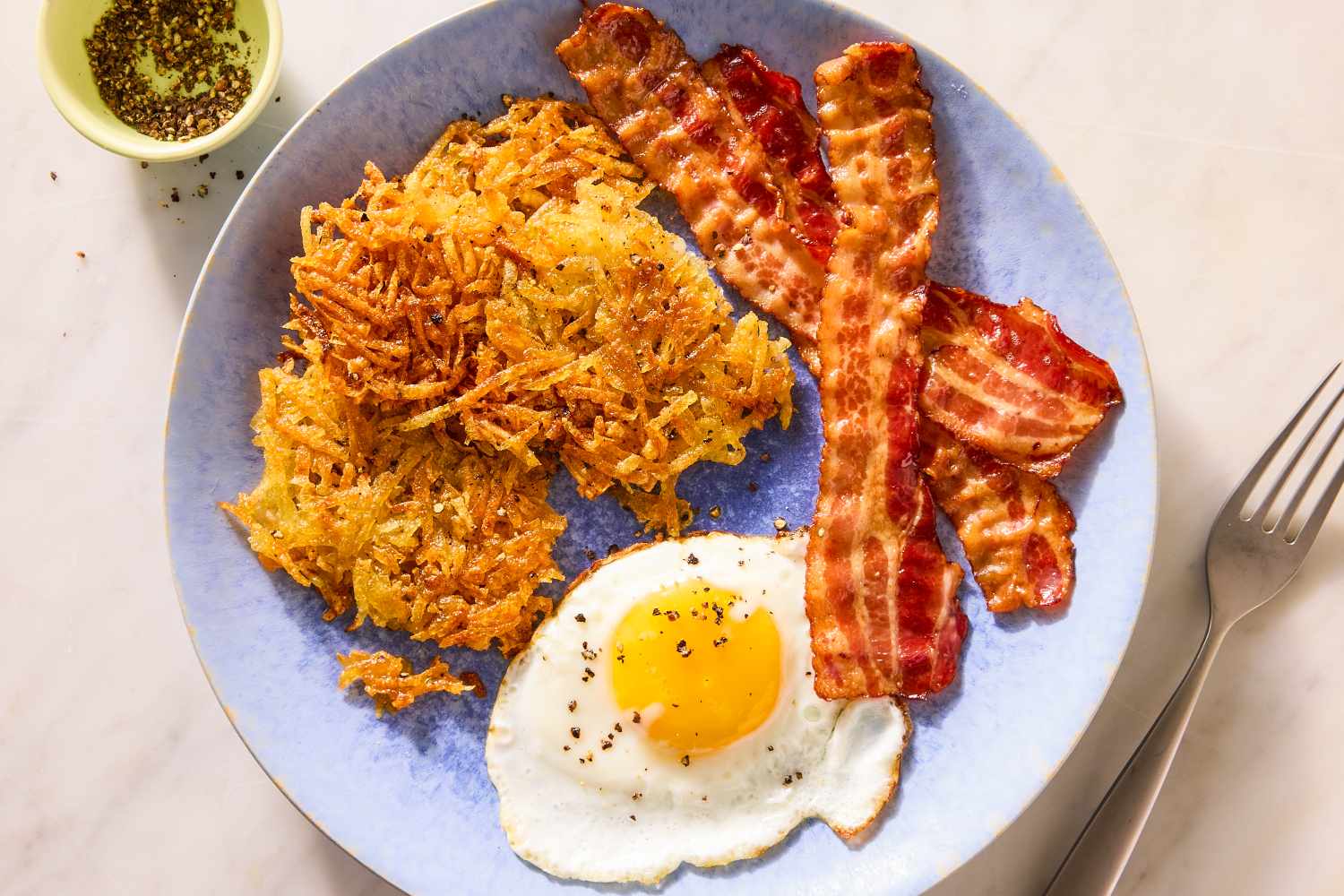
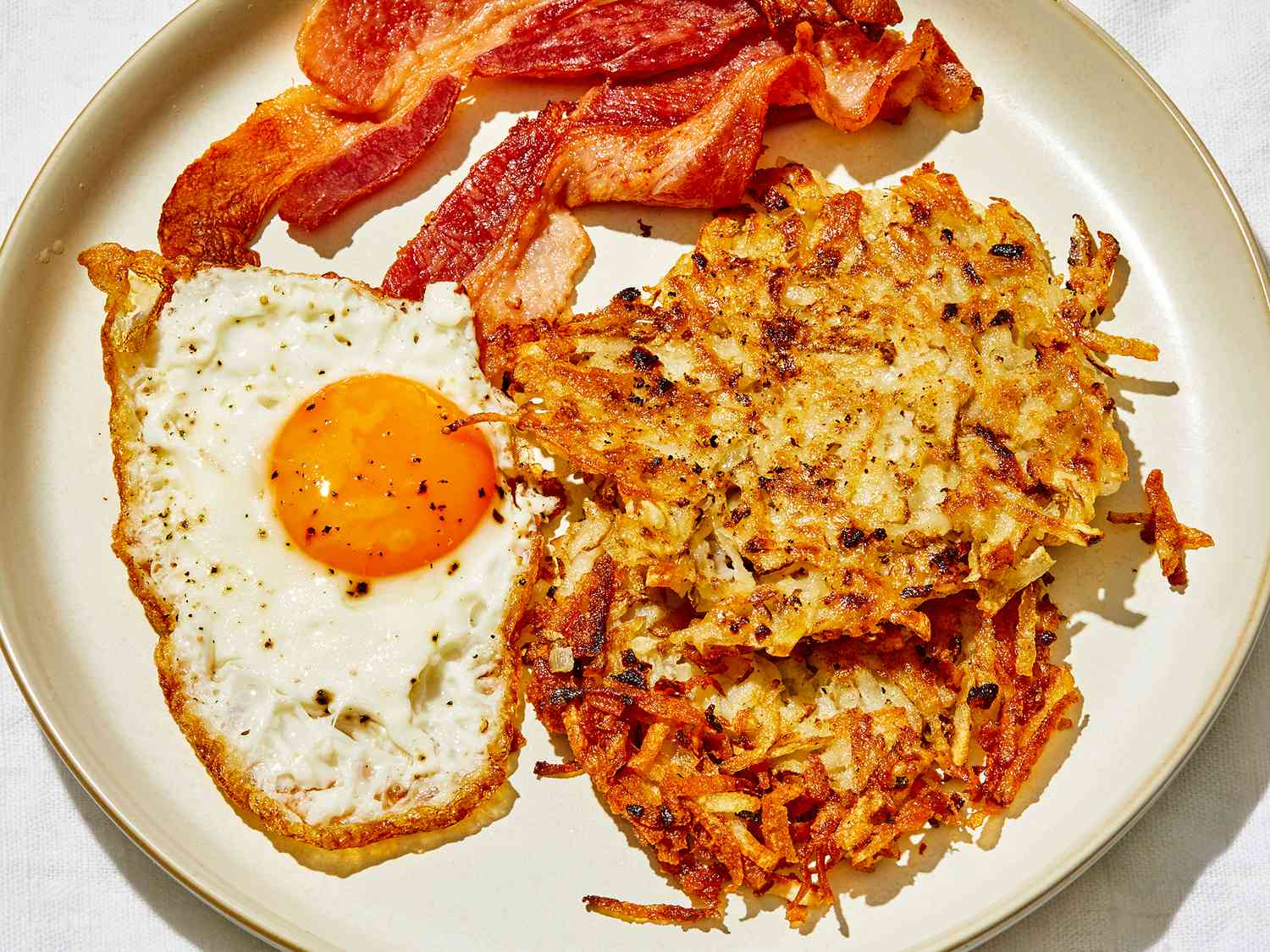
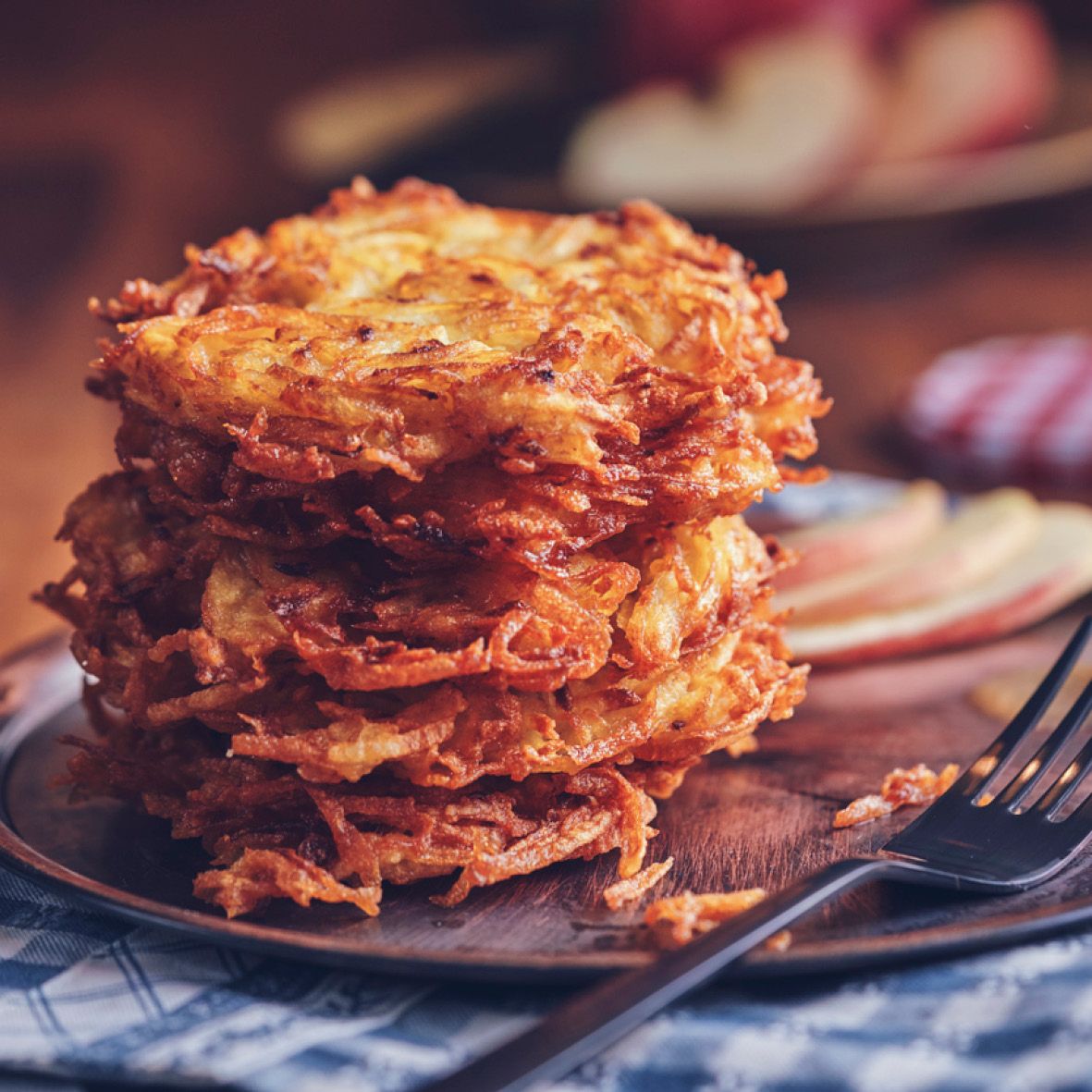
Hash browns have a short window of peak quality. The moment they leave the pan, the moisture trapped inside the potato shreds begins to steam the exterior, softening the crust you worked hard to build. Serve them immediately while the surface is still shattering under a fork. Pairing them with a cold, acidic topping like crème fraîche or a sharp chive sauce helps balance the richness and keeps the focus on the texture rather than the fat.
If you must store leftovers, treat them like any fried food: avoid the microwave, which turns crispy edges into rubbery sponges. Let the hash browns cool completely, then arrange them in a single layer in an airtight container with parchment paper between layers to prevent sticking. Refrigerate for up to three days.
To restore the crunch, skip the microwave. Reheat the hash browns in a skillet over medium heat with a teaspoon of oil, or in an air fryer at 375°F for 3–4 minutes. This method drives off the absorbed moisture and re-crisps the exterior. The result won't match the first batch, but it will be close enough to enjoy without sogginess.

No comments yet. Be the first to share your thoughts!