
Why russets win every time
The difference between a soggy mess and a golden, shattering crust comes down to one variable: the potato. For the best hash brown recipe, russets are the undisputed choice because their high-starch, low-moisture cellular structure allows shredded granules to gelatinize in hot oil, forming a rigid, crispy matrix. Waxy potatoes, by contrast, are dense with moisture and low in starch; they tend to steam themselves in their own juices, resulting in a soft, doughy texture that collapses under a spatula.
Think of the russet as a sponge made of dry starch rather than wet gel. This structural integrity allows the shreds to fry independently rather than clumping into a single, dense puck. The high starch content also absorbs less oil than waxy varieties, keeping the final dish lighter while maximizing surface area for browning. Skipping the russet is the first mistake to avoid if you are serious about achieving diner-style crispness.
Prep Steps for Maximum Crunch
Moisture management is the mechanical process that separates a soggy breakfast side from the best hash brown recipe. Russet potatoes are ideal because their high starch content acts as a binding agent, but that same starch holds water. If you skip the drying process, the potatoes steam instead of fry. Steam prevents the Maillard reaction, leaving you with pale, soft shreds rather than golden, crunchy edges.
This involves three distinct phases: shredding, rinsing, and squeezing. Each phase targets a different type of liquid or starch interference.
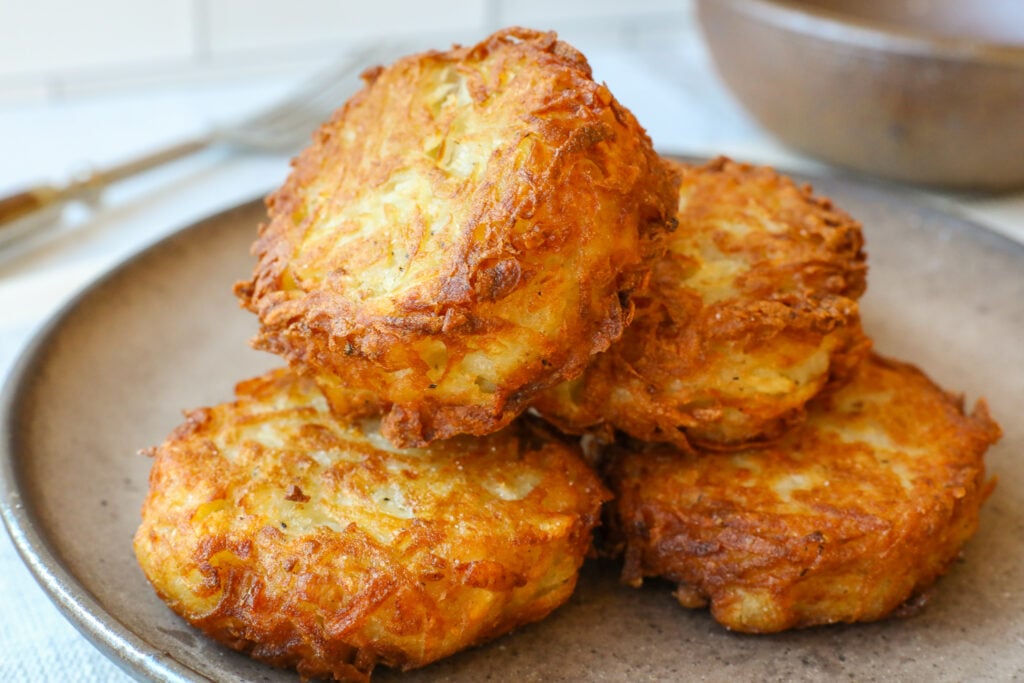
Use the coarse side of a box grater or a food processor with a shredding disk. Uniform shreds cook at the same rate, ensuring consistent crispness. If shreds vary in size, small pieces burn while large pieces remain soggy. Work quickly to minimize the time exposed air has to oxidize the potatoes, which can cause discoloration.
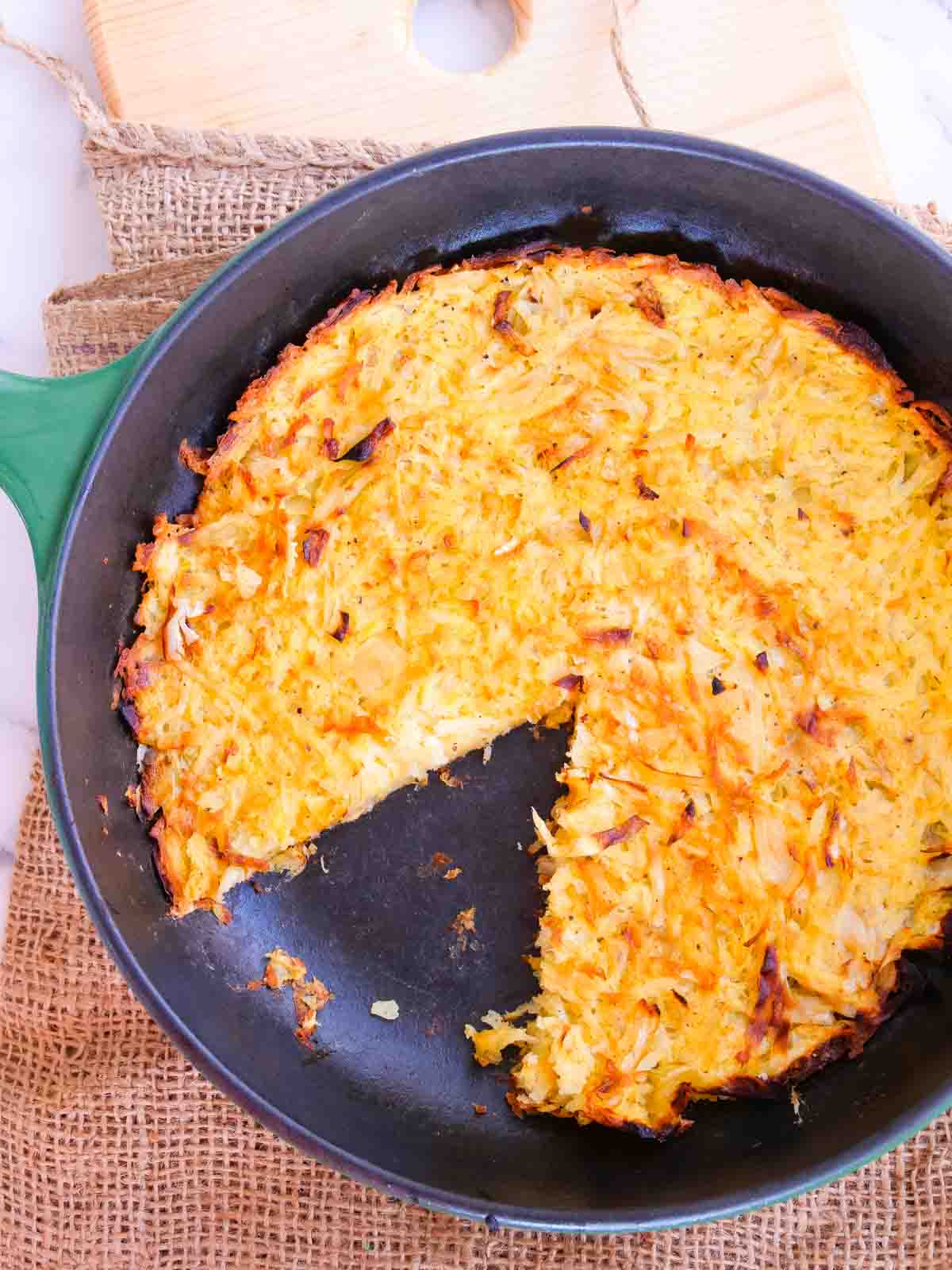
Place the shreds in a large bowl of ice-cold water. Swirl them around vigorously. The water will turn cloudy white as it pulls out excess surface starch. Surface starch is gummy; it prevents browning and creates a gluey texture. Rinse repeatedly with fresh water until the runoff is clear. This step washes away the starch that would otherwise inhibit crispness.
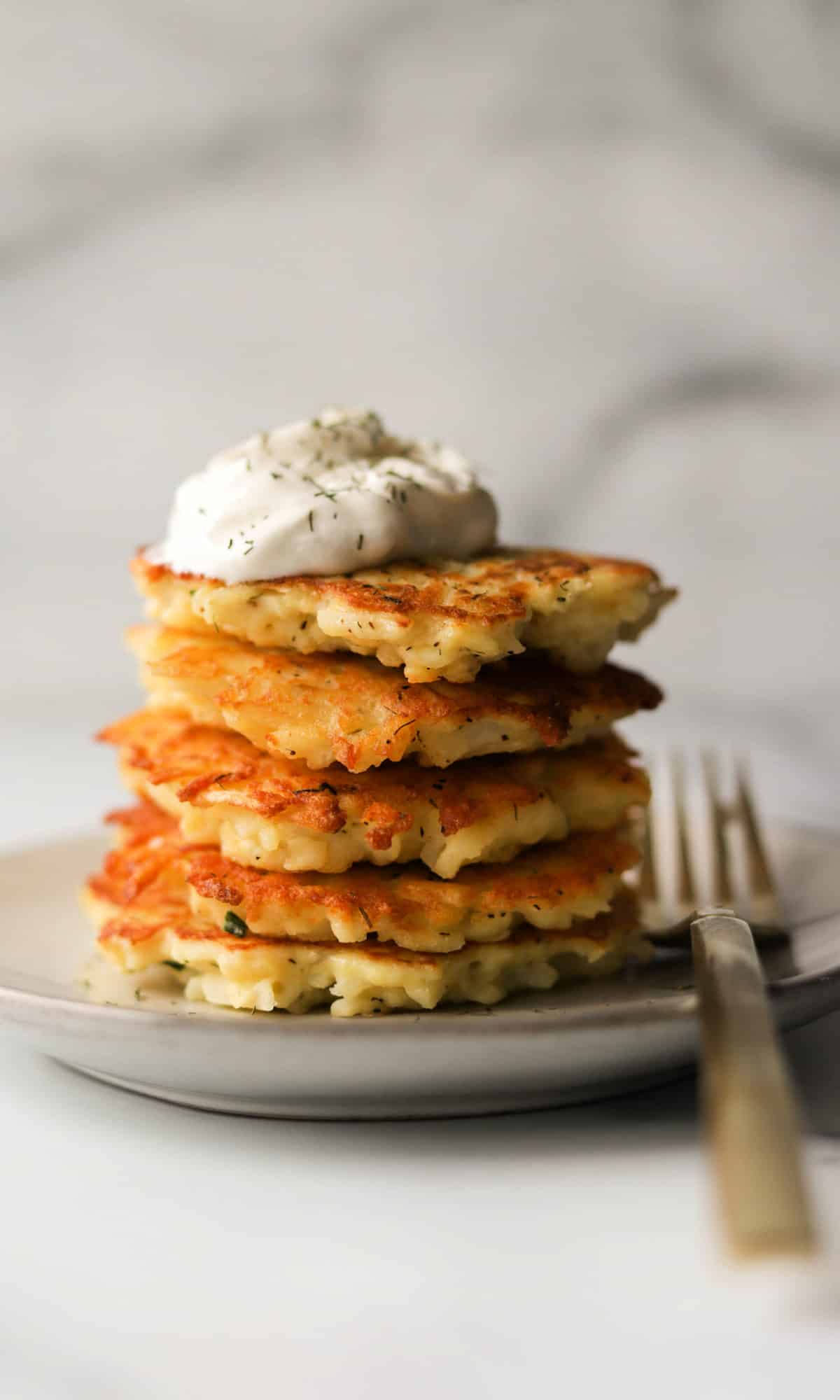
Transfer the rinsed shreds to a clean kitchen towel or a handful of cheesecloth. Gather the edges and twist tightly over the sink. Apply significant pressure. You need to extract every possible drop of water. If the shreds feel damp to the touch, keep squeezing. This is the most critical step for achieving the best hash brown recipe results; any remaining water will turn to steam in the pan and soften the crust.
Prep Checklist
-
Shred russet potatoes on the coarse side of a grater
-
Rinse shreds in cold water until water runs clear
-
Squeeze shreds in a towel until completely dry
-
Pat shreds dry one final time with paper towels
Once your potatoes are dry, they are ready to be seasoned and fried. The dry surface allows the oil to make direct contact with the potato, creating that essential crispy exterior.
Frying technique for golden crust
Achieving the diner-style golden crust on your best hash brown recipe requires disciplined heat management and the right fat. The goal is to drive off surface moisture through conduction while preventing the starch from burning before it caramelizes.
Heat management and visual cues
Start by heating your skillet over medium-high heat. You want the oil to shimmer but not smoke. If the oil smokes, it has passed its smoke point, introducing bitter flavors and creating acrid fumes that will scorch the potatoes instantly. A properly heated pan should sizzle vigorously the moment the hash browns hit the surface.
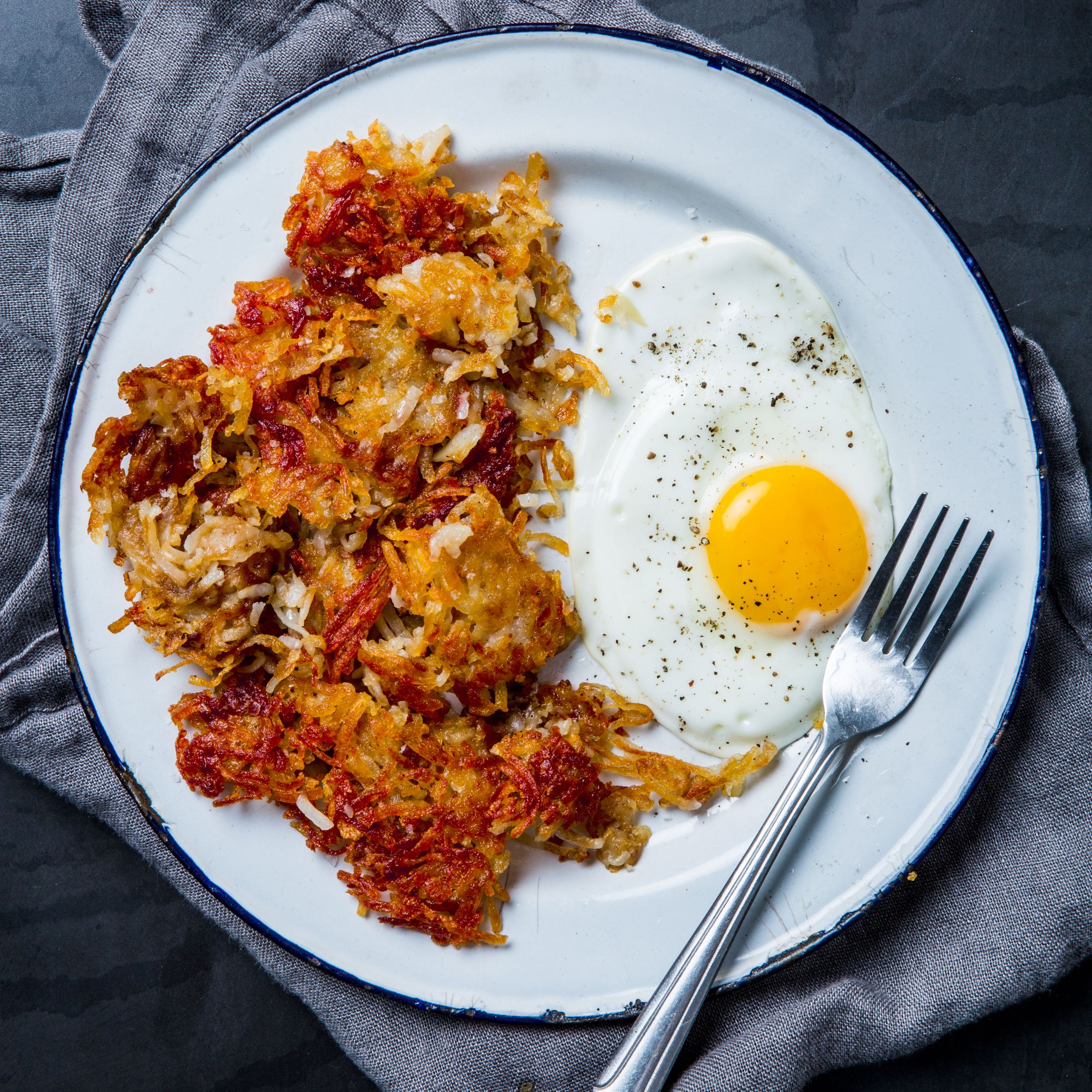
Do not touch the patties for the first three to four minutes. This initial contact allows the starch granules to gelatinize and then dry out, forming a solid structural shell. If you try to move them too early, the crust will tear off, leaving behind raw, starchy bits that stick to the pan and burn. The visual cue is color: wait until the edges turn a deep, uniform golden brown before attempting to flip. This usually indicates that the Maillard reaction has sufficiently occurred on the bottom side.
Choosing the right fat
The fat you choose acts as both a heat transfer medium and a flavor carrier. Butter alone is risky because its milk solids burn at relatively low temperatures (around 350°F / 175°C). For the best hash brown recipe, use a neutral oil with a high smoke point, such as canola, vegetable, or avocado oil. These fats can safely reach the 375°F (190°C) range needed for crispness without degrading.
For added richness, you can use a hybrid approach: mix two tablespoons of neutral oil with one tablespoon of clarified butter (ghee). The oil prevents burning, while the ghee adds the nutty, dairy-forward aroma associated with classic diner hash browns. Avoid extra virgin olive oil; its low smoke point and strong flavor profile clash with the delicate potato taste and will likely result in a bitter, burnt crust.
Flipping and finishing
When it is time to flip, use a wide spatula to ensure you capture the entire patty. A gentle, confident motion prevents breaking. The second side typically cooks faster because the pan retains heat and the patty is already partially dehydrated. Cook the second side for two to three minutes until it matches the first in color.
If the crust is browning too quickly before the inside is tender, reduce the heat to medium. Covering the pan with a lid for the last minute can help steam the interior slightly, ensuring the potato is fully cooked through without over-browning the exterior. Serve immediately while the crust is still crisp, as steam from the hot interior will soften it if left to sit.
Frozen vs fresh hash brown comparison
Choosing between frozen and fresh potatoes comes down to a trade-off between convenience and texture control. Fresh potatoes offer a superior, earthy flavor and the ability to manage moisture manually, which is often the secret to achieving that ideal crunch. Frozen options, typically par-cooked, provide consistency and speed, making them a reliable backup when time is short.
The moisture variable
The primary challenge with fresh russets is their high water content. To get crispy results, you must rinse shredded potatoes in cold water to remove excess surface starch, then squeeze them dry in a clean kitchen towel until they feel like dry sand. This step prevents steaming and ensures the oil can crisp the exterior. Frozen hash browns are pre-treated to reduce moisture, so you can often skip the squeeze step, though patting them dry helps.
Texture and flavor profile
Fresh hash browns have a distinct, potato-forward taste and a variable texture that can range from shaggy to cohesive depending on how finely you shred them. You can mix in fresh onions or herbs directly into the raw mix. Frozen patties or shreds have a uniform texture and a slightly bland taste because they are processed and preserved. They rely on the frying oil and salt for their primary flavor.
Time and effort
Fresh potatoes require about 15–20 minutes of prep: peeling, shredding, rinsing, and squeezing. This is a hands-on task that demands attention. Frozen hash browns require zero prep. You simply thaw them slightly (if needed) and place them in the pan. The cooking time is similar, but the active labor is almost entirely eliminated with frozen options.
| Feature | Fresh Potatoes | Frozen Hash Browns |
|---|---|---|
| Prep Time | 15–20 min (shred, rinse, squeeze) | 2 min (thaw and pat dry) |
| Texture Control | High (you manage moisture) | Low (pre-set by manufacturer) |
| Flavor | Earthy, pure potato taste | Neutral, relies on seasoning |
| Consistency | Variable (depends on skill) | High (uniform every time) |
| Best For | Weekend brunches, gourmet style | Quick weeknight breakfasts |
Complete Recipe Ingredients
To achieve that perfect balance of crispy exterior and tender interior, precise measurements matter. The science of starch management relies on using high-starch russet potatoes and controlling moisture content through proper preparation. Using the exact proportions below ensures consistent results every time you make this best hash brown recipe.
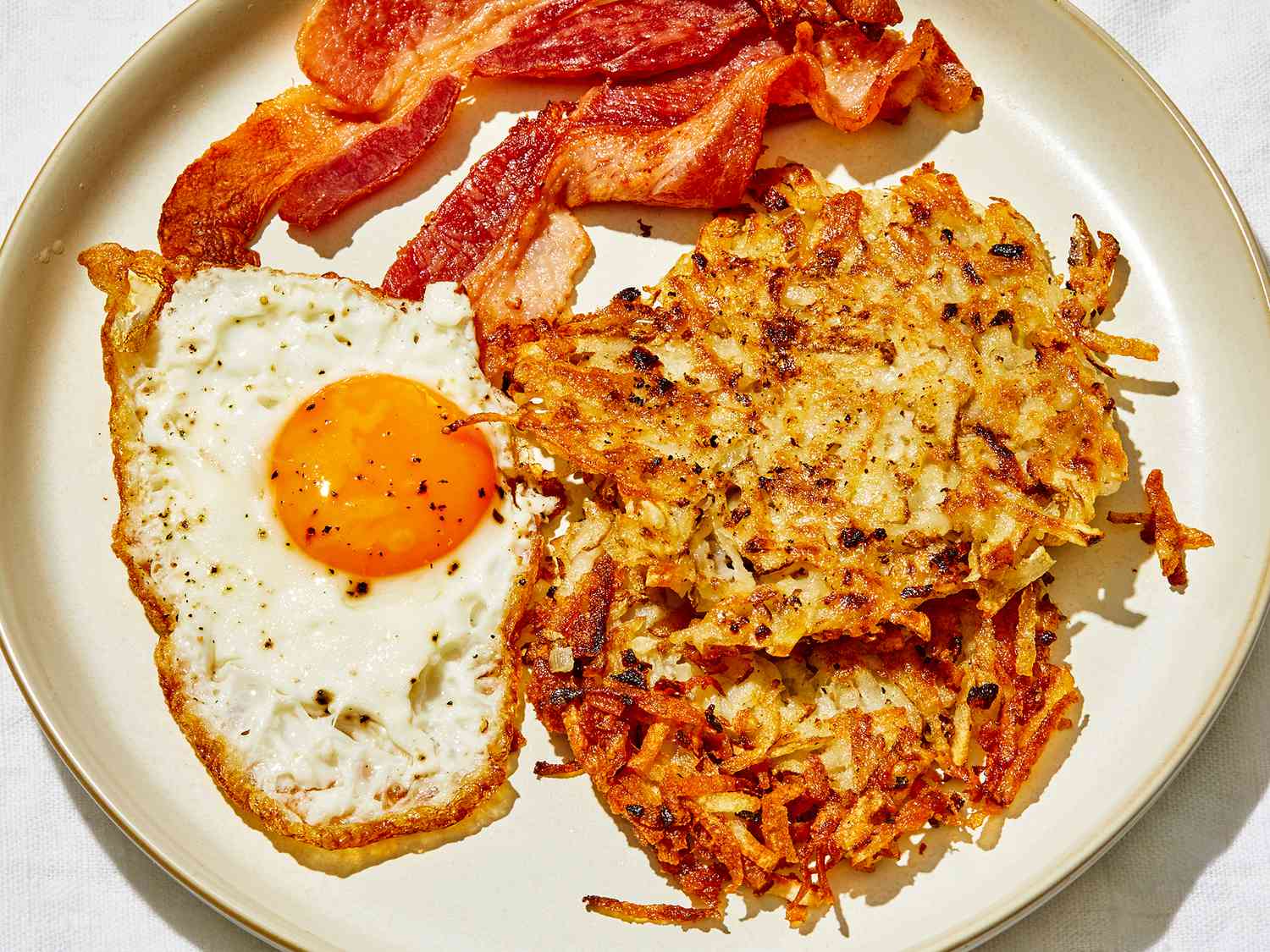
The combination of butter and oil provides both flavor and a higher smoke point for sustained crisping. Squeezing the potatoes dry is the most critical step for texture, as excess water steams the starch rather than frying it.
Avoid these common hash brown mistakes
Even with the best hash brown recipe, technique determines the final texture. Most failures stem from excess moisture or improper heat management. When potatoes steam instead of fry, the result is soggy and pale rather than golden and crisp.
Overcrowding the pan
Crowding the skillet lowers the oil temperature instantly. The potatoes release water faster than it can evaporate, creating a steaming effect. This prevents the Maillard reaction that creates flavor and color. Cook in batches if necessary to maintain high heat.
Not squeezing the potatoes
Russet potatoes contain significant water. If you skip the squeeze step, that moisture turns to steam during cooking. Use a clean kitchen towel or cheesecloth to wring out every drop of liquid from the shredded potatoes. Dry potatoes equal crisp potatoes.
Moving them too early
Patience is the hardest part of this process. If you stir the hash browns before a crust forms, you tear apart the structure. Let them sit undisturbed for at least three minutes on medium-high heat. The crust will release naturally from the pan when ready.
No comments yet. Be the first to share your thoughts!