
Why russets make the best hash browns
The foundation of a truly crispy, golden-brown hash brown starts with the potato itself. Russets are the gold standard for this dish because their high starch content and low moisture create the perfect structural integrity for frying. When you shred a russet, the starch granules act as a natural binder, helping wispy strands cling together into a cohesive patty that holds its shape in the pan. Waxy potatoes, by contrast, retain too much water and lack the starchy backbone needed to achieve that distinct diner-style crunch.
However, raw starch is the enemy of crispiness. Excess surface starch gelatinizes quickly in heat, creating a gummy layer that steams rather than fries the potato. To fix this, you must rinse your shredded potatoes thoroughly in cold water until the water runs clear. This simple step washes away the loose starch without leaching out the structural integrity of the tuber. Once rinsed, squeeze the potatoes dry with a clean kitchen towel or cheesecloth; removing this water is non-negotiable for achieving a deep, golden crust.
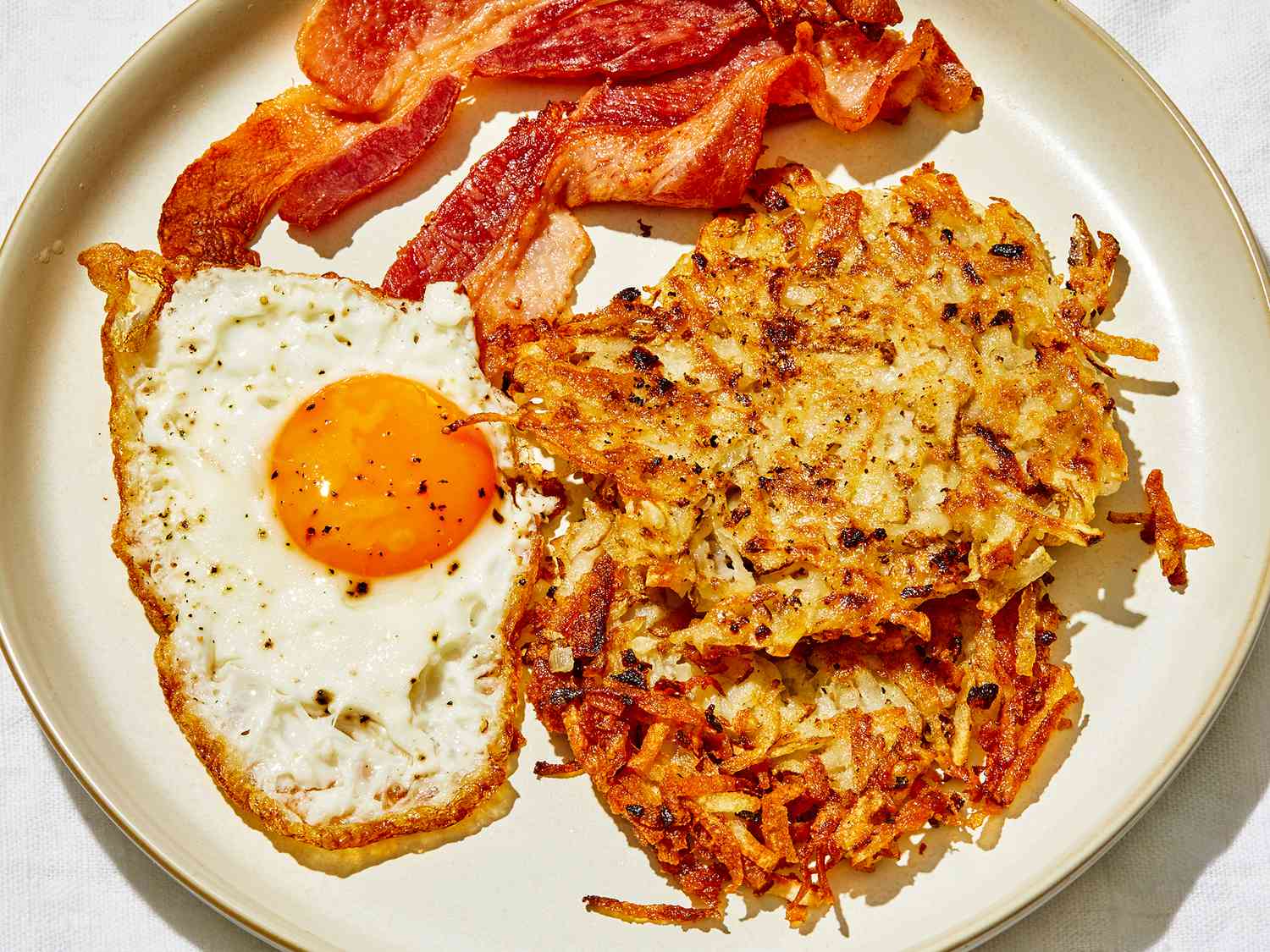
With the right potato and the moisture managed, you are ready to hit the pan. The goal is to let the potatoes sizzle in shimmering oil or butter, allowing the starch to caramelize into a rigid, crunchy lattice. This balance of high heat and dry starch is what separates a soggy home-fry from a perfect hash brown.
Fresh vs. frozen hash brown comparison
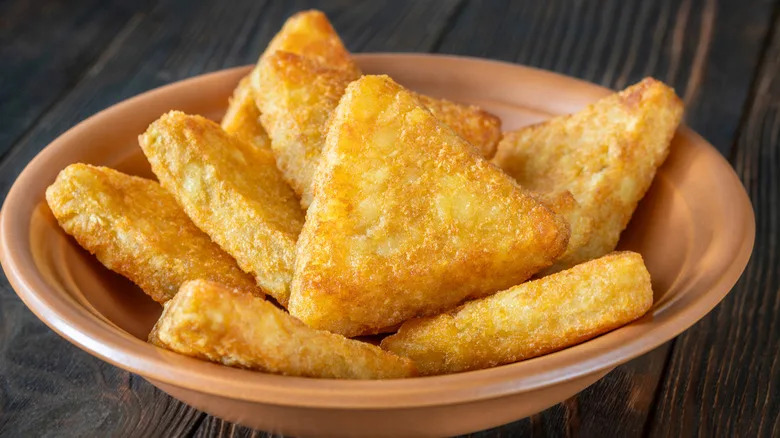
Choosing between fresh and frozen potatoes comes down to a trade-off between texture and convenience. While frozen patties offer speed, they lack the structural integrity needed for the ultimate crispy exterior. Fresh potatoes, when handled correctly, deliver the wispy strands and golden-brown crust that define a diner-style breakfast.
Fresh potatoes start with a high moisture content. This water must be removed through rinsing and squeezing before cooking. The result is a potato that fries evenly, creating a lattice of crunchy edges. Frozen patties, by contrast, are often pre-cooked or blanched. They contain added stabilizers and ice crystals that release steam during frying, leading to a softer, less distinct texture.
The effort required for fresh hash browns is higher. You need to shred, rinse, and dry the potatoes. Frozen options skip these steps entirely. However, the difference in flavor is noticeable. Fresh potatoes retain a natural sweetness and potato-forward taste that frozen varieties often lose during processing and freezing.
| Feature | Fresh Shredded Potatoes | Frozen Patties |
|---|---|---|
| Prep Time | 10–15 minutes (shredding, rinsing, drying) | 0 minutes (ready to cook) |
| Crispiness | High; golden, wispy, and crunchy edges | Moderate; often softer or steamed texture |
| Flavor | Bright, natural potato taste | Muted, sometimes metallic or processed |
| Effort | High; requires active monitoring and drying | Low; minimal prep, easy cleanup |
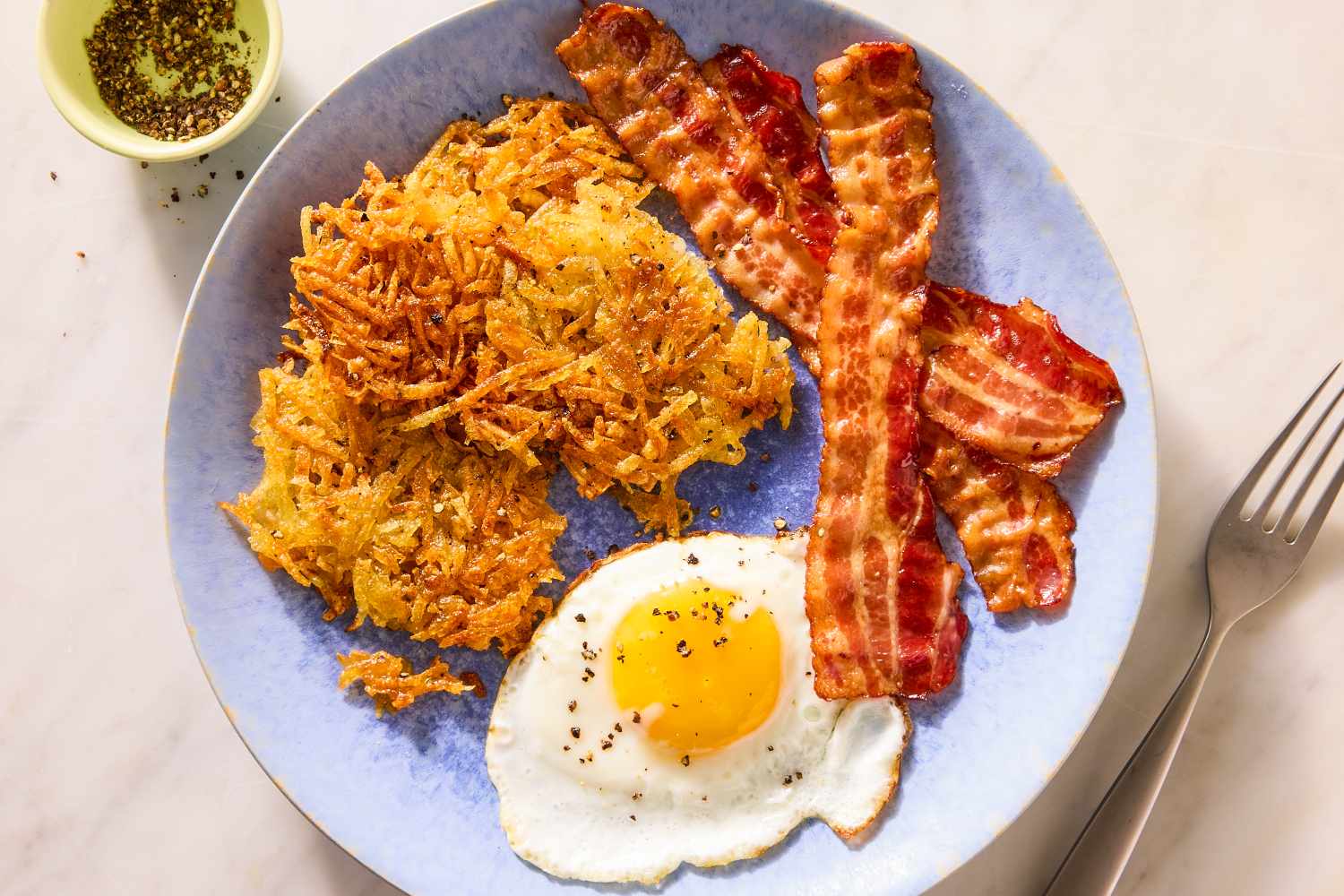
If you prioritize the best hash brown recipe for crispiness, fresh is the only path. The extra ten minutes of prep ensures a superior result. For quick weeknights, frozen patties are acceptable, but they will never match the golden-brown perfection of homemade shredded hash browns.
Master the Skillet Method
The difference between soggy, pale potatoes and the golden, crunchy hash browns you crave comes down to heat management and patience. This skillet method relies on direct contact with the pan to create a deep, caramelized crust. We use a 10-inch cast-iron skillet for its superior heat retention, which helps maintain a steady temperature even when the cold potatoes hit the surface.
Start by heating your skillet over medium-high heat. Add a mix of butter and neutral oil; the butter provides flavor while the oil raises the smoke point so the fat doesn't burn. You want the fat to shimmer and coat the bottom of the pan evenly before adding the potatoes. If the pan isn't hot enough, the potatoes will steam instead of fry, resulting in a mushy texture.
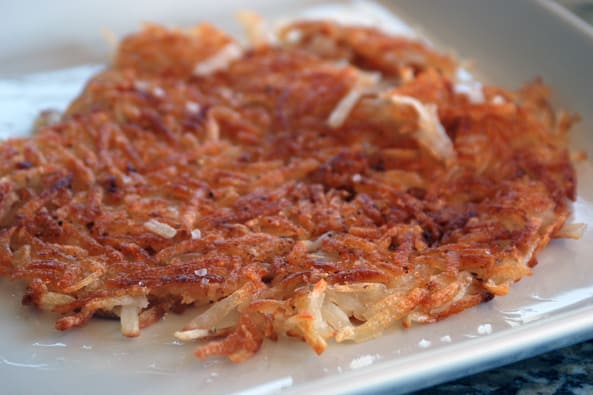
Spread the shredded potatoes into a single, even layer. Press them down firmly with a spatula to ensure maximum surface contact with the hot metal. Do not move them. Let them cook undisturbed for 5 to 7 minutes. This is the most critical phase: you are building the foundation of the crust. The edges should turn a deep golden-brown and release naturally from the pan. If they stick, the crust isn't ready yet.
Once the bottom is crisp, flip the entire patty in halves or quarters. This can be tricky, so use a plate to help turn it if needed. Cook the second side for another 4 to 6 minutes until it matches the first. Season with salt and pepper immediately after flipping so the seasoning adheres to the hot surface. Serve hot for the best texture.
The Complete Hash Brown Recipe
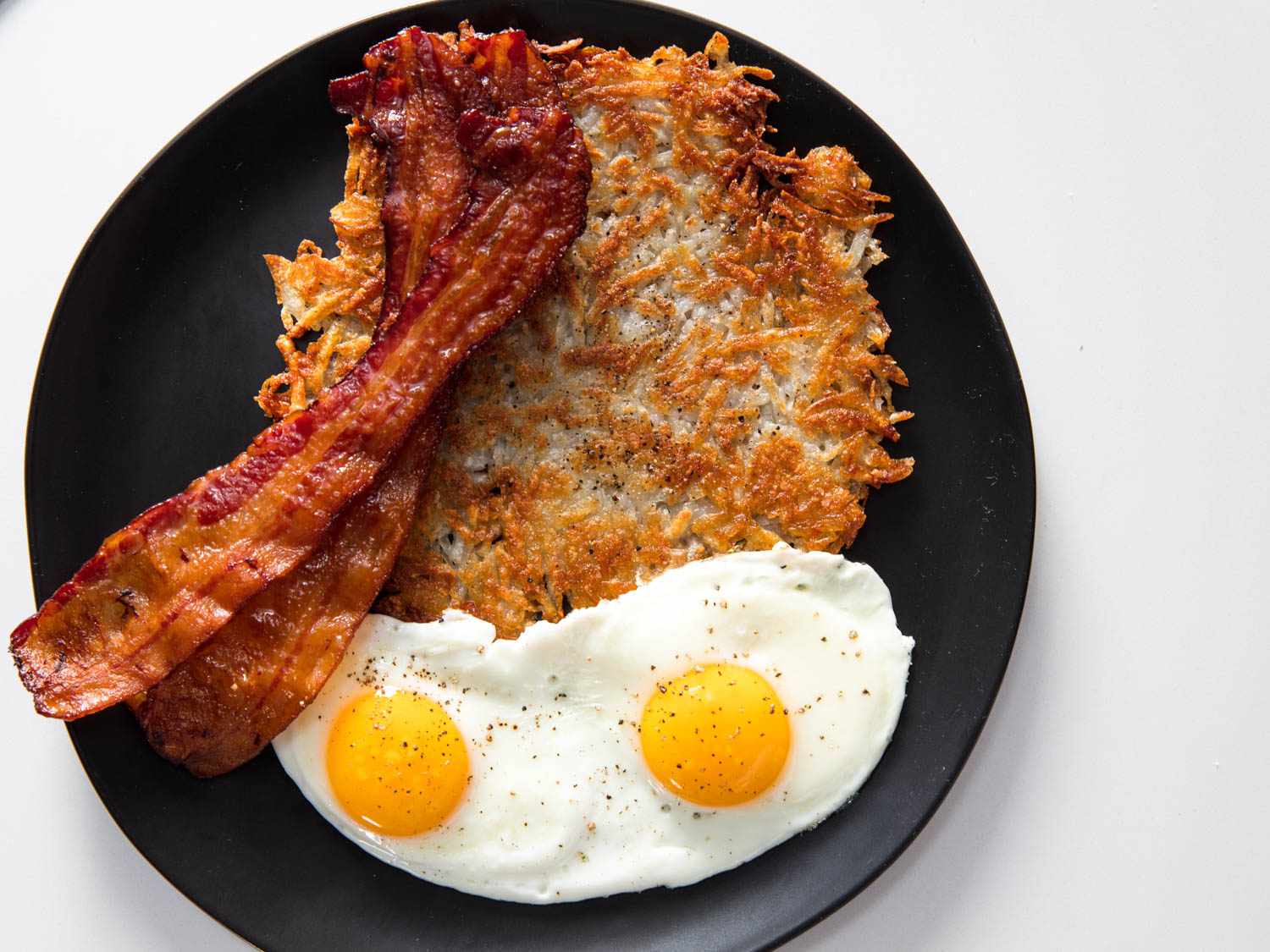
This method delivers the diner-style crunch you’re looking for. The secret lies in the moisture control and the steady heat of the skillet. Follow these steps to achieve golden-brown, crispy edges every time.
Troubleshooting mushy hash browns
Even with the right ingredients, hash browns can turn out soggy or pale if the mechanics of frying are off. The goal is to drive off moisture quickly to achieve a golden-brown crust, not steam the potatoes in their own juices. If your hash browns are sticking to the pan or browning unevenly, check these common pitfalls.
Crowding the pan is the fastest way to ruin the texture. When you pile too many potatoes into the skillet, the temperature drops and the moisture gets trapped. Instead, cook in batches if necessary. You want the potatoes to lie flat with a little space between them, allowing steam to escape. If the pan feels crowded, the hash browns will boil rather than fry, resulting in a mushy interior.
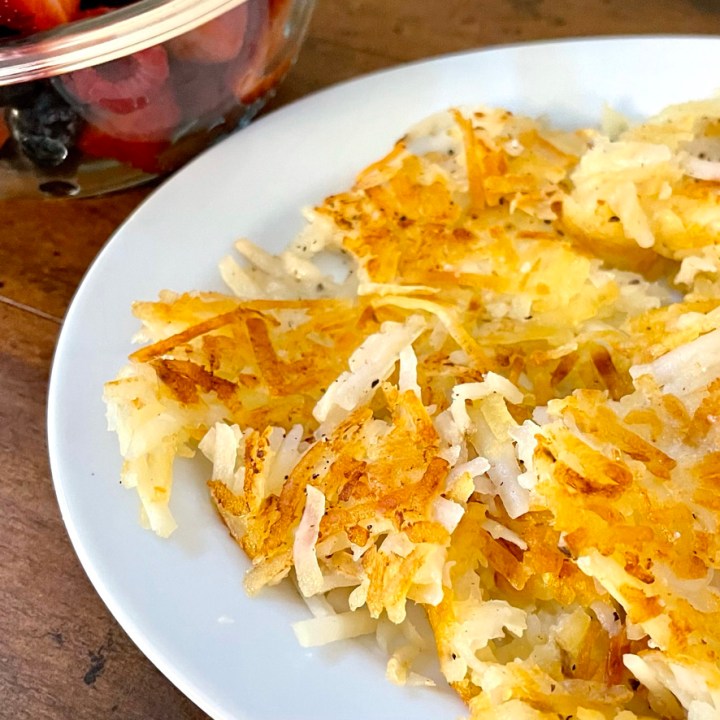
Sticking usually happens when the pan isn't hot enough before the potatoes hit the oil. Heat your skillet over medium-high heat until the oil shimmers but doesn't smoke. Once you add the hash browns, resist the urge to stir or poke them. Let them cook undisturbed for 4-5 minutes. This gives the starch time to gelatinize and crisp up against the metal. If you try to flip them too early, they will tear apart and stick to the pan.
Uneven browning often signals inconsistent heat or potato thickness. Ensure your shredded potatoes are relatively uniform in size; large chunks will burn before small pieces crisp. If you are using a cast iron skillet, make sure it is properly seasoned and evenly heated. If one side is browning much faster than the other, lower the heat slightly and cover the pan for a minute to trap heat, then uncover to finish crisping.
No comments yet. Be the first to share your thoughts!