
Why frozen hash browns work best
Many home cooks assume fresh potatoes yield the best results, but for this skillet method, frozen shredded potatoes are the superior choice. The secret lies in moisture control. Fresh potatoes contain high water content that must be painstakingly removed to achieve crispiness. Frozen shreds have already undergone a par-cooking and freezing process that significantly reduces surface moisture, making them easier to handle and more consistent in the pan.
Research indicates that frozen shreds have approximately 20% less surface moisture than fresh grated potatoes. This reduction is critical because excess water creates steam, which prevents the Maillard reaction—the chemical process that gives hash browns their golden-brown crust and savory flavor. By starting with frozen shreds, you skip the tedious step of squeezing water out of raw potatoes, allowing the oil to contact the potato surface directly and create a uniform crunch.
The convenience is undeniable, but the texture is the real winner. Frozen shreds are typically cut to a uniform size, ensuring that every bite has the same crispy exterior and tender interior. Freshly grated potatoes often result in uneven pieces, with some parts burning while others remain soggy. Using frozen hash browns standardizes the cooking process, giving you diner-quality results with far less effort.
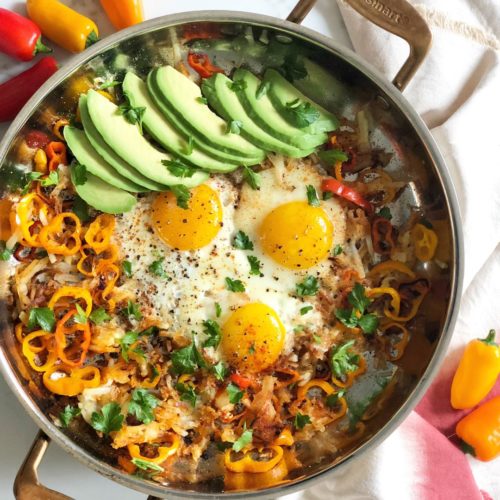
Ingredients and tools needed
The best hash brown recipe relies on a few simple pantry staples and one critical piece of equipment. You don't need a dozen ingredients, but you do need the right potato and the right pan to get that signature crunch.
What you need
- Potatoes: Russet potatoes are the gold standard. Their high starch content helps the shreds bind together and crisp up. Yukon Golds work too, but they yield a softer, more potato-like texture.
- Oil or Butter: Neutral oil like vegetable or canola is best for high-heat frying. Butter adds flavor but burns easily, so many cooks use a mix of both.
- Salt and Pepper: Essential for seasoning the potatoes evenly. Add salt before cooking to help draw out moisture, which aids crisping.
- Onion (Optional): Finely diced onion adds sweetness and depth. It's a classic addition in diner-style hash browns.
Essential tools
The single most important tool for this recipe is a potato shredder (box grater or food processor). Shredding the potatoes thinly and evenly ensures they cook at the same rate. If you skip this step, you'll end up with uneven, soggy chunks.
You also need a large skillet. A 10-inch cast-iron or non-stick skillet is ideal. The heavy bottom retains heat, which is crucial for browning the potatoes without steaming them.
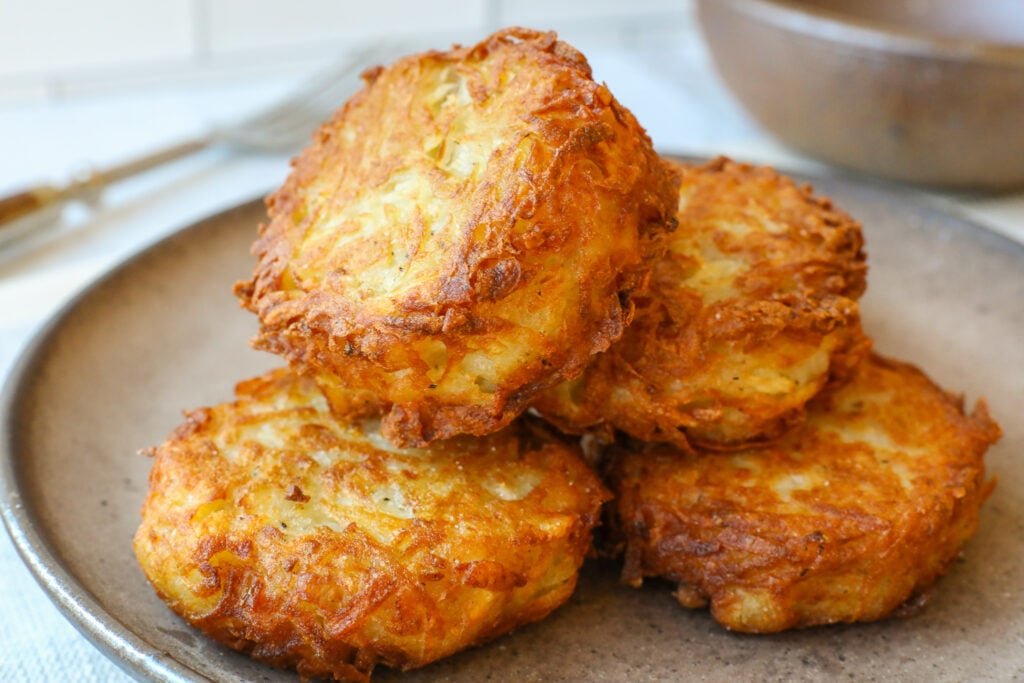
-
4 large russet potatoes, peeled and shredded
-
1 tablespoon neutral oil (or 1 tbsp butter)
-
1/2 teaspoon salt
-
1/4 teaspoon black pepper
-
1 large skillet (10-inch preferred)
-
Box grater or food processor with shredding disc
Start with dry, cold ingredients. Pat your shredded potatoes dry with a clean towel or cheesecloth. This extra step removes excess surface moisture, which is the enemy of crispiness. Without dry shreds, your hash browns will steam instead of fry.
Build the Crispiest Hash Brown Recipe in a Skillet
The secret to the best hash brown recipe isn't a special ingredient; it's heat management and patience. When you learn to cook hash browns in a skillet, you are essentially frying a potato lattice. The goal is to drive moisture out of the shreds until the surface starches caramelize into a rigid, golden crust.
Start by ensuring your potatoes are bone-dry. Any residual water from washing or soaking will steam the potatoes, turning your potential crunch into a soggy mess. Once your pan is properly heated and oiled, the potatoes should hit the surface with an aggressive, steady sizzle. If the sound is faint, your pan isn't hot enough. If it's violently splattering, it's too hot. You want that steady, aggressive hiss.
The cooking process is a test of nerve. You must let the hash browns cook undisturbed. Resist the urge to poke, stir, or check the bottom. This resting period allows the starches to fuse and the Maillard reaction to take hold. When the edges look set and the bottom is a deep mahogany, the flip is your only move.
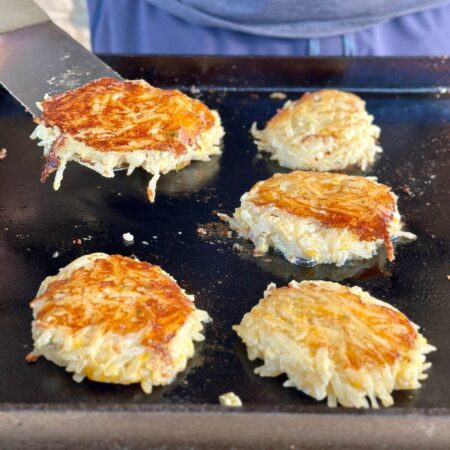
Place a large cast iron or non-stick skillet over medium-high heat. Add two tablespoons of neutral oil or butter. Wait until the fat shimmers and just begins to smoke slightly. This high initial heat is critical for the initial sear of the best hash brown recipe.
Spread the dried potato shreds into the pan. Press them down firmly with a spatula to create a uniform, compact disc. This density ensures that heat transfers evenly through the layers, cooking the center while the exterior crisps.
Let the hash browns cook for five to seven minutes without touching them. Watch for the edges to turn opaque and golden. The bottom should be firmly set. If you try to lift it and it resists, give it another minute. Patience creates the crunch.
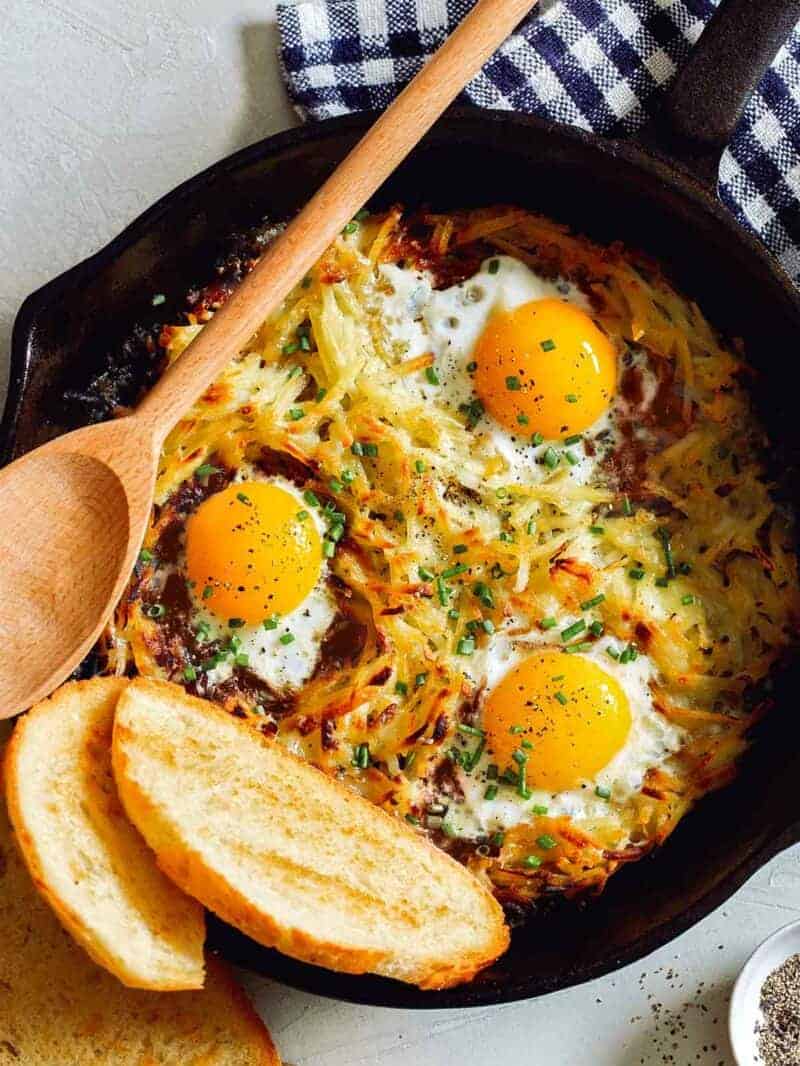
Once the bottom is deeply browned, slide a large spatula underneath the entire patty. With a firm wrist, flip the hash browns in one clean motion. If they break, press them back together with the spatula while they finish cooking. The structural integrity formed in the first phase will hold.
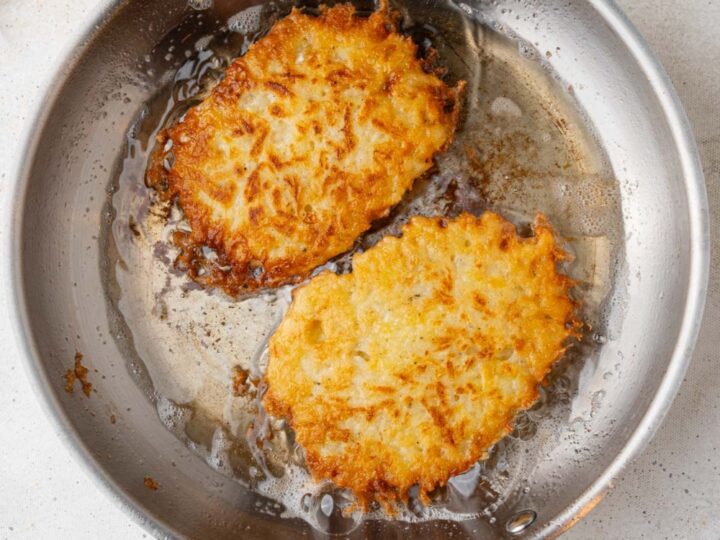
Cook the second side for another four to five minutes. The interior should be tender and cooked through, while the exterior remains crisp. Remove from heat immediately to prevent the residual heat from burning the already-crisp exterior.
Getting the crispiest texture
The difference between a soggy mess and a diner-quality crust comes down to two things: moisture control and heat management. Even with the best hash brown recipe, excess water turns to steam, steaming the potatoes instead of frying them. That steam is the enemy of crispiness.
Start by squeezing your grated potatoes dry. Use a clean kitchen towel or cheesecloth to wring out every drop of liquid. Once the potatoes are dry, focus on the pan. Use a heavy skillet—cast iron works best because it holds heat steadily. Add enough oil to coat the bottom generously; oil conducts heat better than air.
The biggest mistake home cooks make is overcrowding the pan. If you pile too many potatoes in, the temperature drops, and the moisture has nowhere to escape. Spread the shreds in a single, even layer. Give it room to breathe.
Do not stir. Let the bottom layer turn golden brown and lock into a solid plate. When it releases easily from the pan, flip it. The goal is a uniform, shattering crunch on both sides, not a soft, steamed potato cake.
Serving and Storage Tips
A best hash brown recipe succeeds only when the potatoes stay crisp. Heat is the enemy of texture, so serve these immediately from the skillet. They pair naturally with fried eggs, crispy bacon, or a dollop of sour cream. If you are making a large batch for a crowd, keep the finished portions warm in a single layer on a wire rack set inside a baking sheet. This allows air to circulate underneath and prevents the bottom layer from steaming into sogginess.
Handling Leftovers
Refrigerate any leftovers in an airtight container within two hours of cooking. They will keep well for three to four days. Avoid freezing raw grated potatoes, as the water content turns them mushy upon thawing. Cooked hash browns can be frozen, but the texture will soften significantly.
Restoring Crispness
Do not reheat these in the microwave. The steam generated will ruin the crunch you worked hard to achieve. Instead, spread the cold hash browns in a single layer in a skillet over medium heat. Add a small knob of butter or a splash of oil to help re-crisp the exterior. Cook for two to three minutes per side until the edges are golden and hot throughout. This method restores the texture far better than an oven or toaster oven.
Common hash brown mistakes
Even with the best hash brown recipe, technique errors can turn crispy golden potatoes into a soggy mess. The skillet method relies on moisture control and heat management. Watch for these three failures and correct them immediately.
Soggy hash browns
Water is the enemy of crispiness. If your hash browns steam instead of fry, you likely skipped the squeezing step. Shredded potatoes hold a surprising amount of liquid. Use a clean kitchen towel or cheesecloth to wring out the shreds until they feel dry to the touch. This step is non-negotiable for achieving that diner-style crunch. Without it, the potatoes release water into the pan, lowering the oil temperature and preventing browning.
Burnt edges
High heat gets a bad reputation, but it’s actually essential for crispness. The problem usually stems from overcrowding the pan. If you pile too many shreds in, the center stays steamed while the edges burn. Cook in batches if necessary. Ensure your oil is shimmering before adding the potatoes. A steady, medium-high heat creates a crust quickly without giving the interior time to dry out or burn.
Sticking to the pan
Nothing ruins a hash brown faster than it tearing apart when you try to flip it. This happens when the potatoes aren’t allowed to set. Resist the urge to move the hash browns for the first three to four minutes. Let the starches gelatinize and form a natural bond with the pan surface. Once you see a deep golden crust forming along the edges, the patty should release easily with a simple wrist flick or a confident flip.
No comments yet. Be the first to share your thoughts!