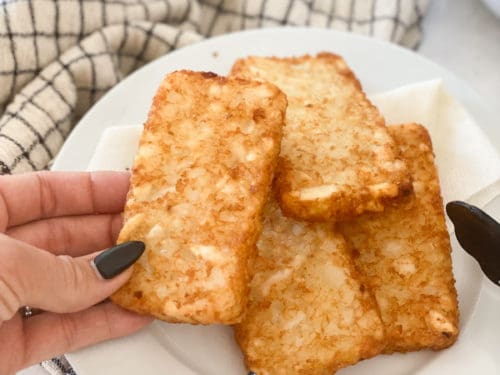

Why this hash brown recipe works
The secret to crispy hash browns isn't hidden in the seasoning; it lives in how you handle the potato. Most home cooks end up with soggy, gray patties because they skip the most important step: moisture management. If you just shred a raw potato and throw it in the pan, the released water steams the starch instead of frying it. The result is soft, not crispy.
To get that golden brown, diner-style crunch, you need to remove as much liquid as possible before the potato ever touches the heat. This is where the type of potato matters. Russets are the clear winner here. Their high starch content and low moisture create a sturdy structure that crisps up beautifully. Waxy potatoes, like red bliss, hold too much water and simply won't achieve that same shattering crust.
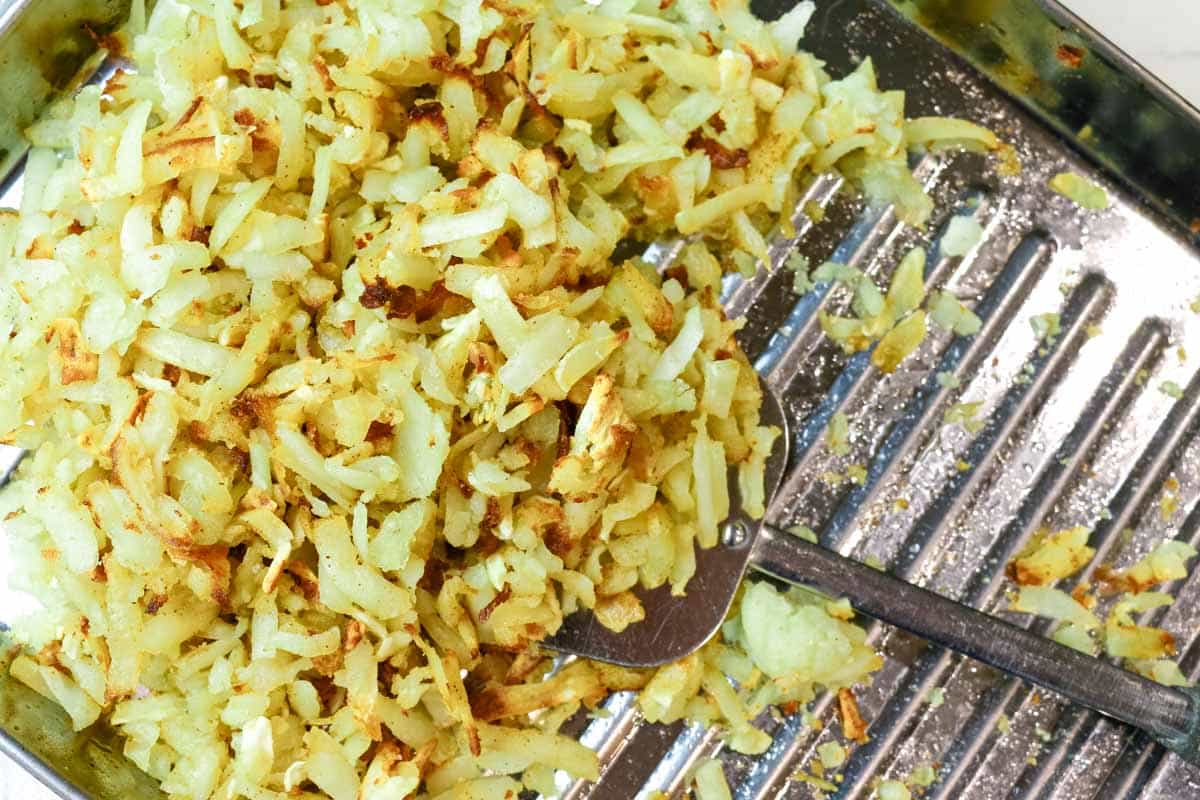
Think of starch as the skeleton of your hash brown. When you squeeze the shredded potatoes dry, you are clearing the path for the starch to gelatinize and crisp in the hot fat. If there is too much water present, the oil temperature drops, and you are essentially boiling the potatoes in their own juices. By prioritizing dryness, you ensure that every bite has those satisfying, crispy edges rather than a mushy center.
Ingredients for crispy hash browns
Getting the perfect hash brown starts with a simple pantry. You don't need a dozen items, but you do need the right ones working together. The foundation is always russet potatoes. Their high starch content is what creates that airy interior and sturdy structure needed for a golden crust. Pair that with a little help from cornstarch or all-purpose flour, and you get the extra crunch that makes these hash browns sing.
Here is what you will need to gather:
- Russet potatoes: Two medium-to-large potatoes, peeled and shredded. Russets are non-negotiable for that classic fluffy texture.
- Cornstarch or flour: About two tablespoons. This is the secret weapon. The starch draws out surface moisture and creates a barrier that crisps up beautifully in the pan.
- Fat for frying: Use a mix of butter and olive oil, or traditional bacon grease. Butter adds flavor, while oil raises the smoke point so your hash browns brown evenly without burning.
- Seasonings: Fine sea salt, black pepper, and onion powder. These simple spices let the potato shine without overpowering it.
-
2 medium russet potatoes
-
2 tbsp cornstarch or all-purpose flour
-
2 tbsp butter
-
2 tbsp olive oil or bacon grease
-
1 tsp fine sea salt
-
1/2 tsp onion powder
-
1/4 tsp black pepper
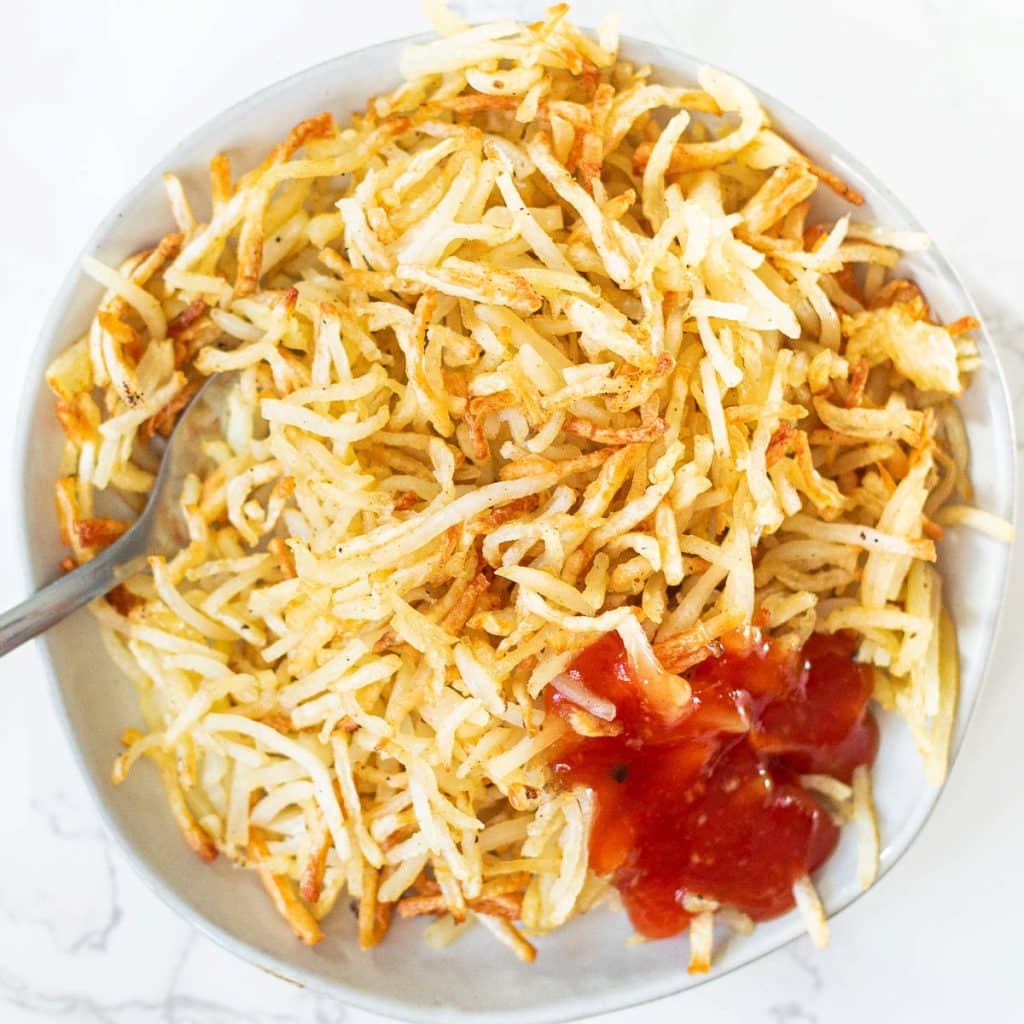
How to Make Hash Browns in a Skillet
Getting that signature crunch starts long before the potatoes hit the pan. The secret isn't just heat; it's moisture control. If your shredded potatoes feel damp, they will steam instead of fry, resulting in a soggy, pale mess. To fix this, squeeze your shredded potatoes firmly in a clean kitchen towel or cheesecloth until absolutely no liquid drips out. It feels like a lot of work, but this single step is the difference between a side dish and a restaurant-quality breakfast.
1. Prep and Season the Potatoes
Once your potatoes are bone-dry, toss them in a large bowl. Add your onion powder, salt, and black pepper. Toss them by hand to ensure every shred is coated in seasoning and a thin layer of oil. The oil helps conduct heat and encourages browning, while the salt draws out any lingering moisture.
2. Heat the Skillet
Place a large cast-iron or non-stick skillet over medium-high heat. Add half of your oil or bacon grease. Wait about 60 seconds until the oil shimmers and ripples slightly when you wave your hand over it. If the oil smokes, it is too hot and will burn the potatoes before they cook through. If it sits still, it is too cold and will make the potatoes greasy.
3. Spread and Press
Dump the seasoned potatoes into the center of the pan. Use a spatula to spread them out into an even layer, about half an inch thick. Press down firmly with the back of your spatula to compact the mixture. A tight pack creates more surface area contact with the pan, leading to better browning. Do not crowd the pan; cook in batches if necessary.
4. The Golden Wait
Let the hash browns cook undisturbed for 4 to 5 minutes. Resist the urge to peek or stir. You are waiting for a chemical reaction called the Maillard reaction, which turns the starches golden brown and creates that savory crust. Look at the edges: when they turn a deep, crispy gold, the bottom is ready.
5. The Flip
This is the moment of truth. Slide your spatula under the entire patty. If it resists, it needs another minute. If it lifts cleanly, flip it in one confident motion. If it breaks, don't panic; just press the broken pieces back together. Cook for another 3 to 4 minutes on the second side until it matches the golden color of the first.
6. Rest and Serve
Remove the hash browns from the skillet and place them on a wire rack or paper towel-lined plate. Let them rest for two minutes. This allows the crust to set and prevents them from getting soggy from trapped steam. Cut into wedges and serve immediately with sour cream or ketchup.
Fresh vs. Frozen: Choosing Your Base
The foundation of great hash browns starts with the potato itself. While fresh russets offer a blank canvas for control, frozen shredded potatoes provide undeniable convenience. Both approaches can yield that coveted golden-brown crust, but they require slightly different handling to avoid a soggy result.
The Fresh Russet Route
Grating fresh potatoes gives you the purest flavor and the best texture control. The catch? Fresh russets are high in moisture and starch. If you skip the squeeze step, your skillet will steam the potatoes instead of frying them. Drain the shreds in a cheesecloth or clean kitchen towel, then wring them out aggressively until no more liquid comes out. This dryness is the secret to crispy edges. You’ll spend about 10 extra minutes prepping, but the result is a hash brown with a distinct, hearty potato flavor.
The Frozen Shortcut
Frozen shredded hash browns are pre-cooked and blanched, meaning they’ve already released some of their surface starch. This makes them faster to cook but trickier to manage because they often contain added moisture from the freezing process. Thaw them completely before cooking, then pat them dry with paper towels. They brown faster than fresh shreds, so keep a close eye on the heat. They are perfect for weeknight mornings when you want a quick meal without the prep work.
| Feature | Fresh Russets | Frozen Shreds |
|---|---|---|
| Prep Time | 10-15 mins (grate & squeeze) | 5 mins (thaw & dry) |
| Moisture | High (requires aggressive drying) | Moderate (requires patting dry) |
| Texture | Firm, distinct shreds | Softer, more uniform |
| Flavor | Pure potato | Mild, slightly processed |
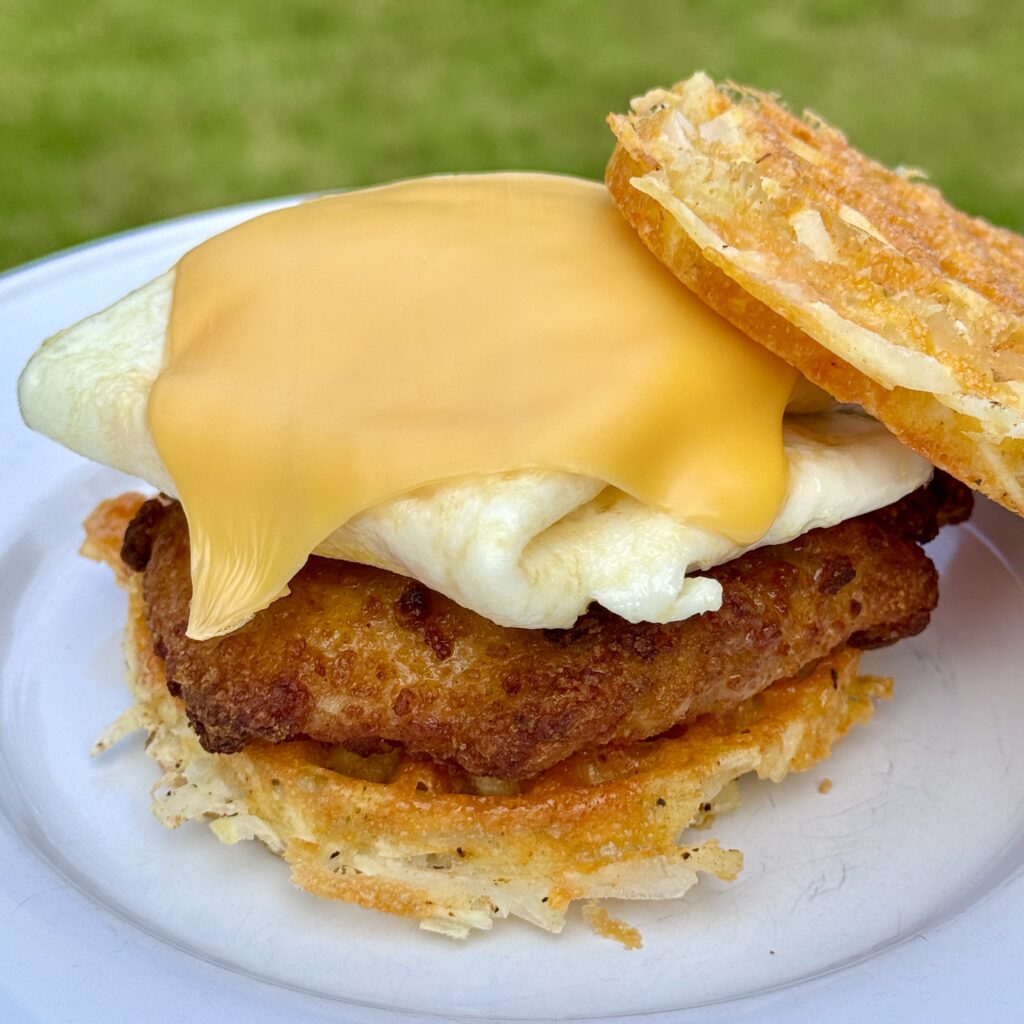
Troubleshooting soggy hash browns
Sogginess is the most common culprit, and it usually comes down to one thing: water. Potatoes are mostly water, and if you don’t squeeze that out aggressively, your hash browns will steam instead of fry. Think of your shredded potatoes like a wet sponge; you need to wring them out until they are dry to the touch before they ever hit the pan.
If your hash browns are sticking to the pan, your skillet isn’t hot enough yet. Wait until the oil shimmers or a single shred sizzles loudly when dropped in. If they are browning unevenly, you are likely overcrowding the pan. Cook in batches if necessary, giving the potatoes room to breathe so the edges can crisp up properly.
Look for visual cues rather than relying on a timer. You want golden-brown edges and a firm bottom that releases easily from the pan. If they look pale, give them more time. Patience here pays off in that signature crunch.
Frequently asked: what to check next
You’ve made the hash browns, but you probably still have a few questions about getting that perfect golden crust. Here are the answers to the most common questions home cooks ask.
What is the secret to good hash browns?
The secret is removing moisture. Russet potatoes contain a lot of water, which steams the shreds instead of frying them. After shredding, rinse the potatoes in cold water to remove excess starch, then squeeze them dry in a clean kitchen towel. You want the shreds to feel almost dusty before they hit the pan.
Why do restaurant hash browns taste so good?
Restaurants use high heat and plenty of fat to create a deep Maillard reaction, which gives those browned edges their savory flavor. They also often add a small amount of cornstarch or flour to the mix. This helps draw out surface moisture and creates a crispier exterior that holds up to flipping.
What is the best seasoning for hash browns?
Simple is usually best. Fine sea salt and freshly cracked black pepper are essential. For extra flavor, add onion powder, garlic powder, or a pinch of smoked paprika. Avoid fresh onions or garlic, as they burn quickly in the hot oil and can leave bitter bits in your crispy hash browns.
No comments yet. Be the first to share your thoughts!