Why moisture kills crispiness
The single most important factor in achieving a crispy breakfast skillet is removing water from the potatoes. Potatoes are roughly 80% water. When you throw wet shreds into a hot pan, that water turns to steam. The steam prevents the surface temperature from rising high enough to trigger the Maillard reaction—the chemical process that creates browning and crunch. Instead of frying, the potatoes steam in their own liquid, resulting in a soggy, pale mess.
To fix this, you must aggressively remove starch and moisture before the skillet ever touches the stove. Rinse your shredded potatoes in cold water to wash away loose surface starch, which acts like glue and holds moisture in place. After rinsing, squeeze the shreds in a clean kitchen towel or cheesecloth until your hands are bone dry. This step is non-negotiable for diner-style results.
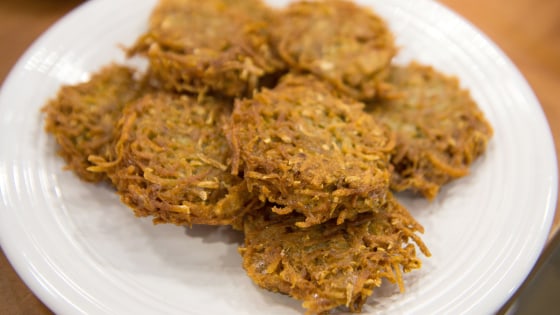
Think of the potato shreds like a sponge. If you try to fry a wet sponge, it steams. If you wring it out first, it can crisp up. Removing this moisture ensures that the heat goes straight to browning the potato sugars and creating those wispy, golden edges, rather than evaporating water. This preparation is the foundation for the entire recipe.
Ingredients for golden hash browns
Making crispy hash browns at home requires very few ingredients, but the quality of each one matters. The secret isn't a complex spice blend; it is about getting the potato right. You need a high-starch potato that releases moisture easily and fries up with a shattering crust.
Russet Potatoes
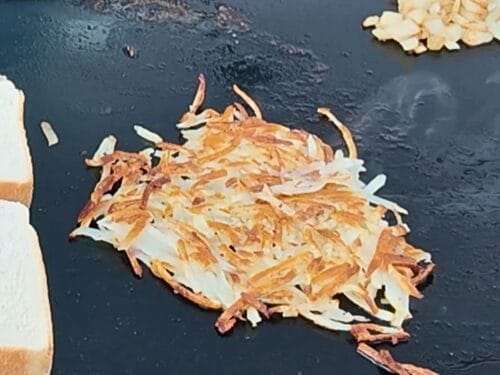
Russet potatoes are the standard for a reason. Their low moisture and high starch content allow them to crisp up without turning gummy. Avoid waxy potatoes like red or Yukon Gold, which hold too much water and tend to steam instead of fry. Grate the russets using the large holes of a box grater for the best texture.
Onion and Oil
A small yellow onion adds essential flavor and helps absorb surface moisture. Finely dice it so it integrates evenly into the potato mixture without overwhelming the dish. For cooking, use an oil with a high smoke point like vegetable, canola, or avocado oil. Butter can be added at the end for richness, but using it alone often leads to burning.
Salt and Pepper
Keep seasoning simple. Kosher salt and freshly ground black pepper are all you need to let the potato flavor shine. Avoid adding salt before cooking, as it draws out moisture and prevents the crisping process. Season generously only after the hash browns are golden and crisp.
- Russet potatoes (2 large)
- Yellow onion (1 small)
- Vegetable or canola oil
- Kosher salt
- Black pepper
Shred and squeeze the potatoes
The texture of your hash browns is determined before the pan ever heats up. You are fighting moisture, and water is the enemy of crispiness. If the potatoes stay wet, they steam instead of fry, resulting in a soggy, pale mess rather than golden, crunchy edges.
Shred the potatoes
Use the large holes of a box grater or a food processor fitted with a shredding disc. Russet potatoes are ideal here because their high starch content helps bind the shreds together while creating a lacy, crispy structure. Shred them directly into a large bowl. Avoid grating them too finely; you want distinct shreds, not a wet paste.
Rinse the starch
Fill the bowl with cold water and swirl the potatoes around with your hand. The water will turn cloudy white as it pulls out excess surface starch. This step prevents the hash browns from becoming gummy or sticking together in a solid, dense block. Drain the cloudy water, then repeat the rinse until the water runs mostly clear. This ensures a lighter, crispier final product.
Squeeze out the moisture
This is the most critical step for achieving a crispy breakfast skillet. Transfer the rinsed potatoes to a clean, thick kitchen towel or a set of cheesecloth. Gather the edges and twist tightly over the sink, squeezing with all your strength. You should be able to wring out a significant amount of water. The drier the potatoes are going into the pan, the faster they will brown and crisp up.
Use the large holes of a box grater or a food processor to shred russet potatoes into a large bowl. Avoid grating too finely to maintain distinct shreds.
Submerge the shreds in cold water and swirl them around. Drain the cloudy water and repeat until the water runs clear to remove excess surface starch.
Place the rinsed potatoes in a clean kitchen towel. Gather the edges and twist tightly, squeezing out as much liquid as possible. The drier the potatoes, the crispier they will fry.
Fry until deeply golden
Heat a large skillet over medium-high heat. Add butter or oil—butter adds flavor, while oil with a higher smoke point (like avocado or canola) helps prevent burning. Wait until the fat shimmers or the butter stops foaming before adding the potatoes.
Spread the shredded potatoes into an even layer. Press them down firmly with a spatula to create a compact base. This density is essential; loose shreds will fry into separate pieces rather than a cohesive, crispy cake.
The undisturbed rule
This is the most critical step for achieving that deep golden crust. Do not touch the hash browns for at least five to seven minutes. Let the moisture evaporate and the starches set. If you lift the edge too early, you will break the forming crust and release steam, which steams the potatoes instead of frying them.
Once the bottom is deeply browned and releases easily from the pan, flip the hash browns. Cook the second side for another five minutes until golden. Serve immediately while the exterior is still crisp and the interior is tender.
Seasoning blends for flavor
Salt and pepper form the foundation, but the right spice blend can transform your hash browns from a simple side into a memorable centerpiece. The goal is to build savory depth without overwhelming the natural potato flavor. A classic combination includes garlic powder, onion powder, and paprika—opt for smoked paprika if you want a hint of char that mimics the skillet's crust.
Mix your dry spices in a small bowl before adding them to the potato mixture. This ensures even distribution so every bite has a consistent flavor profile. Avoid wet seasonings like fresh herbs or sauces at this stage; they introduce moisture that can prevent the hash browns from crisping properly.
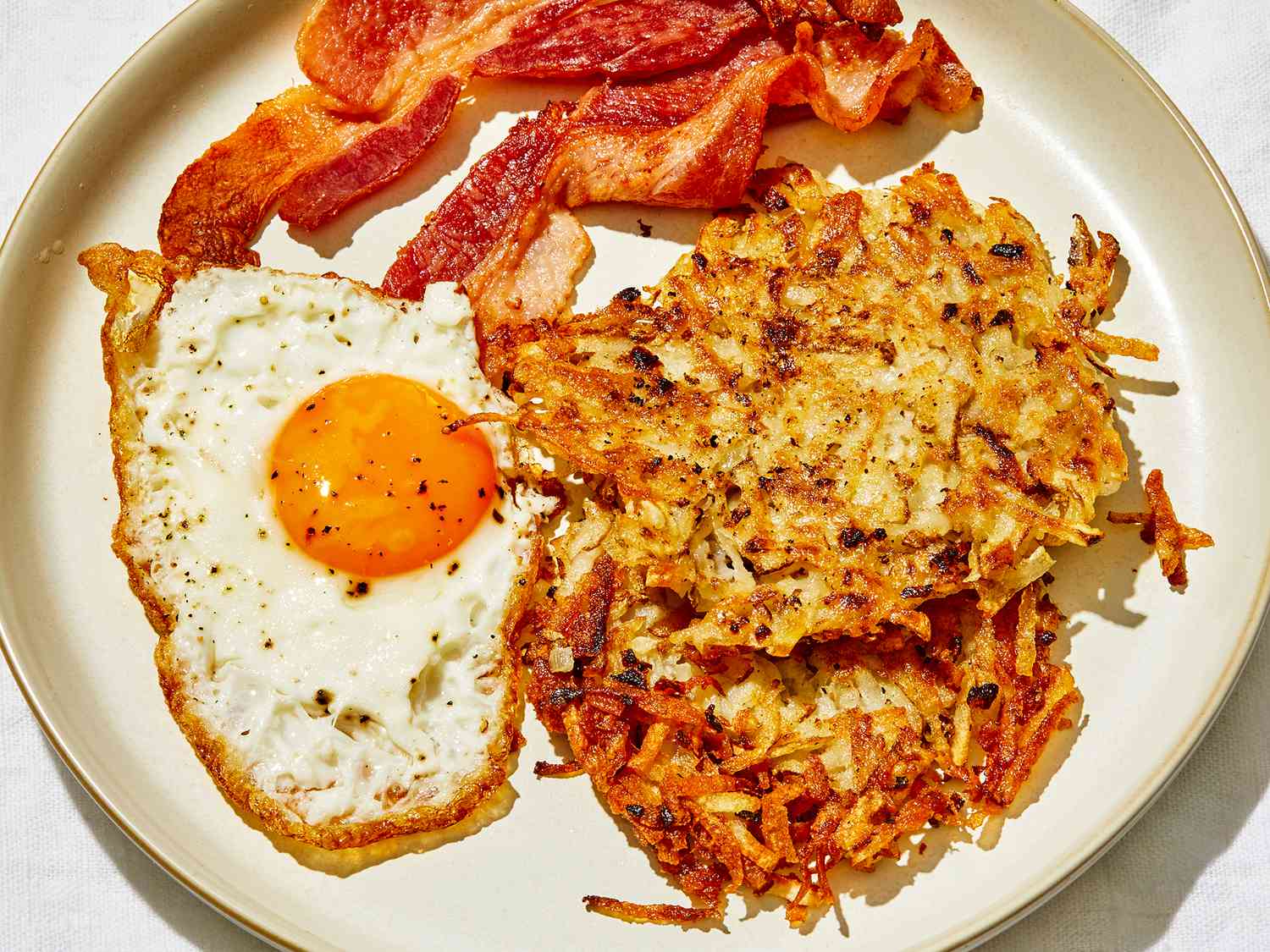
For a variation, try adding a pinch of cayenne for heat or dried thyme for an earthy note. Keep the total volume of spices modest—about one to two teaspoons for a standard batch of potatoes. The seasoning should complement the crunch, not compete with it.
Best hash brown recipe FAQ
You might have questions about the details that turn a good skillet into a great one. Here are answers to the most common follow-ups, from seasoning blends to storing leftovers.
What is the best seasoning for hash browns?
The best seasoning combines savory depth, mild heat, and a hint of smokiness. A classic blend includes salt, freshly ground black pepper, garlic powder, onion powder, and paprika—either sweet or smoked. The goal is to enhance the potato's natural flavor without masking it. Start with a light hand, taste as you go, and add more only if needed.
How do I keep hash browns crispy after cooking?
Crispiness comes from moisture removal and high heat. Once cooked, spread the hash browns on a wire rack set over a baking sheet instead of piling them on a plate. This allows air to circulate and prevents steam from making the bottom soggy. If you must stack them, place a paper towel between layers to absorb excess oil and moisture.
Can I make hash browns ahead of time?
Yes, but with a caveat. You can shred and rinse the potatoes up to 24 hours in advance, storing them in an airtight container in the fridge. Just be sure to drain and pat them completely dry before cooking. Cooking them ahead and reheating often results in a softer texture, so prepping the raw ingredients is the best way to save time without sacrificing crunch.
What is the best oil for frying hash browns?
Use an oil with a high smoke point, such as vegetable, canola, or avocado oil. These oils can handle the medium-high heat needed to crisp the potatoes without burning. Butter adds flavor but burns easily, so save it for finishing touches or mixing with the oil if you want that rich taste.
No comments yet. Be the first to share your thoughts!