Why russet potatoes matter
The foundation of the best hash brown recipe is not the skillet temperature or the fat choice; it is the potato itself. Potato variety determines the moisture content and starch structure, which directly control how well the shreds dehydrate and crisp during frying. Using the wrong variety guarantees a soggy result, no matter how skilled the cook.
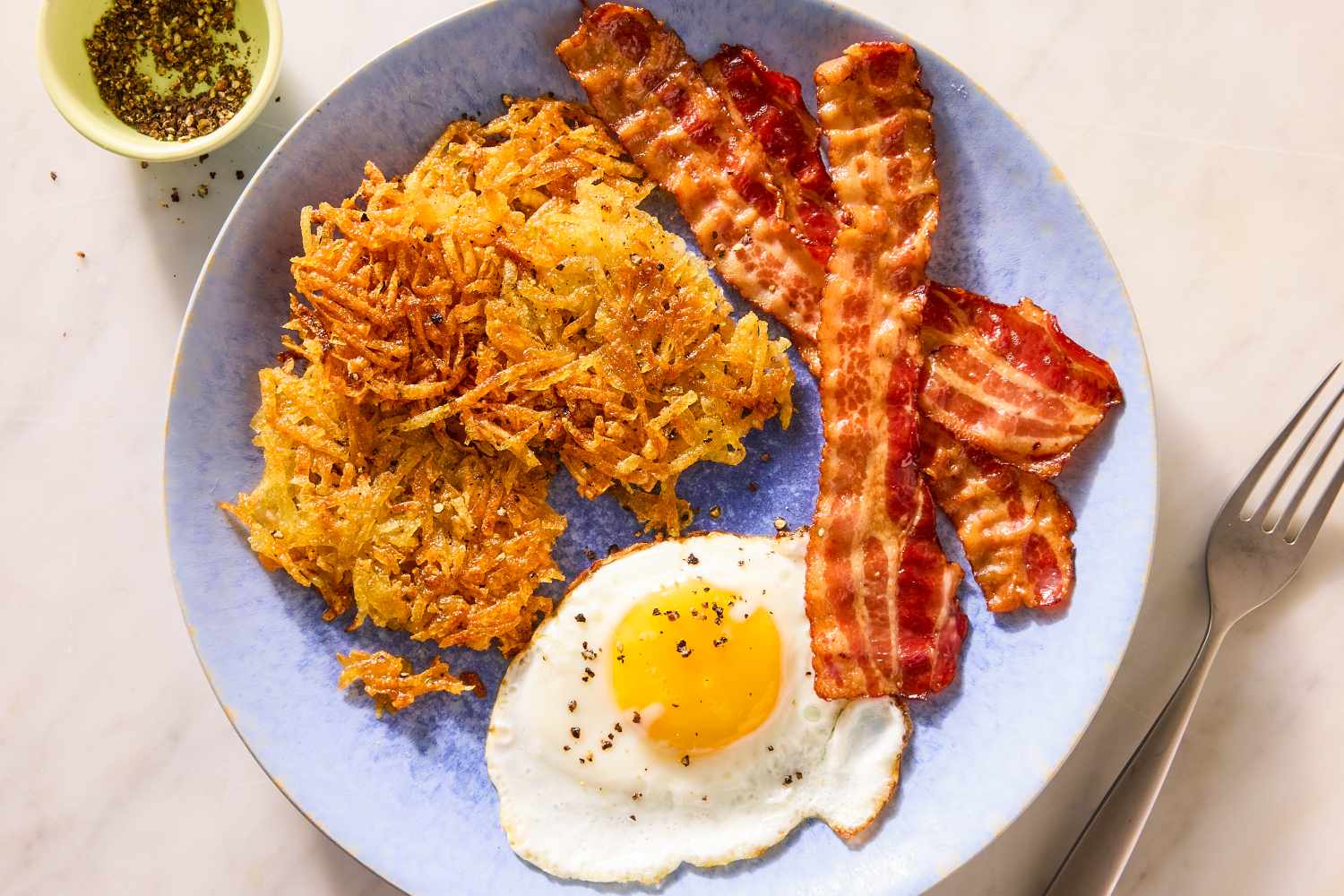
Russet potatoes are the standard for a reason. They are high in starch and low in moisture compared to waxy varieties like red potatoes or Yukon Golds. This high dry matter content is critical. When russets hit the hot pan, there is less internal water to evaporate as steam. Less steam means the surface can reach the temperature required for the Maillard reaction, creating that deep golden crust rather than steaming in its own juices.
Waxy potatoes hold their shape well in soups, but they fail here. Their dense, waxy structure retains water and releases it slowly during cooking. This excess moisture lowers the pan temperature and prevents the exterior from hardening. The result is a pale, soft, and often greasy patty. Russets, by contrast, break down slightly at the edges, creating a lacy, crunchy texture that holds together without becoming mushy.
Rinse, soak, and dry thoroughly
The difference between a golden, shattering crisp and a soggy, steamed mess comes down to one thing: water. Potatoes are roughly 80% water, and their cells are packed with starch. When you shred a raw potato, you rupture those cells, releasing starch onto the surface. If that starch stays wet, it turns into glue during cooking, binding the shreds into a dense, gummy block.
To get the best hash brown recipe results, you must aggressively remove both surface starch and internal moisture. This process transforms the potato from a wet, starchy slurry into dry, individual strands that can fry in oil rather than steam in their own juices. Follow these three steps to ensure every bite is crisp.
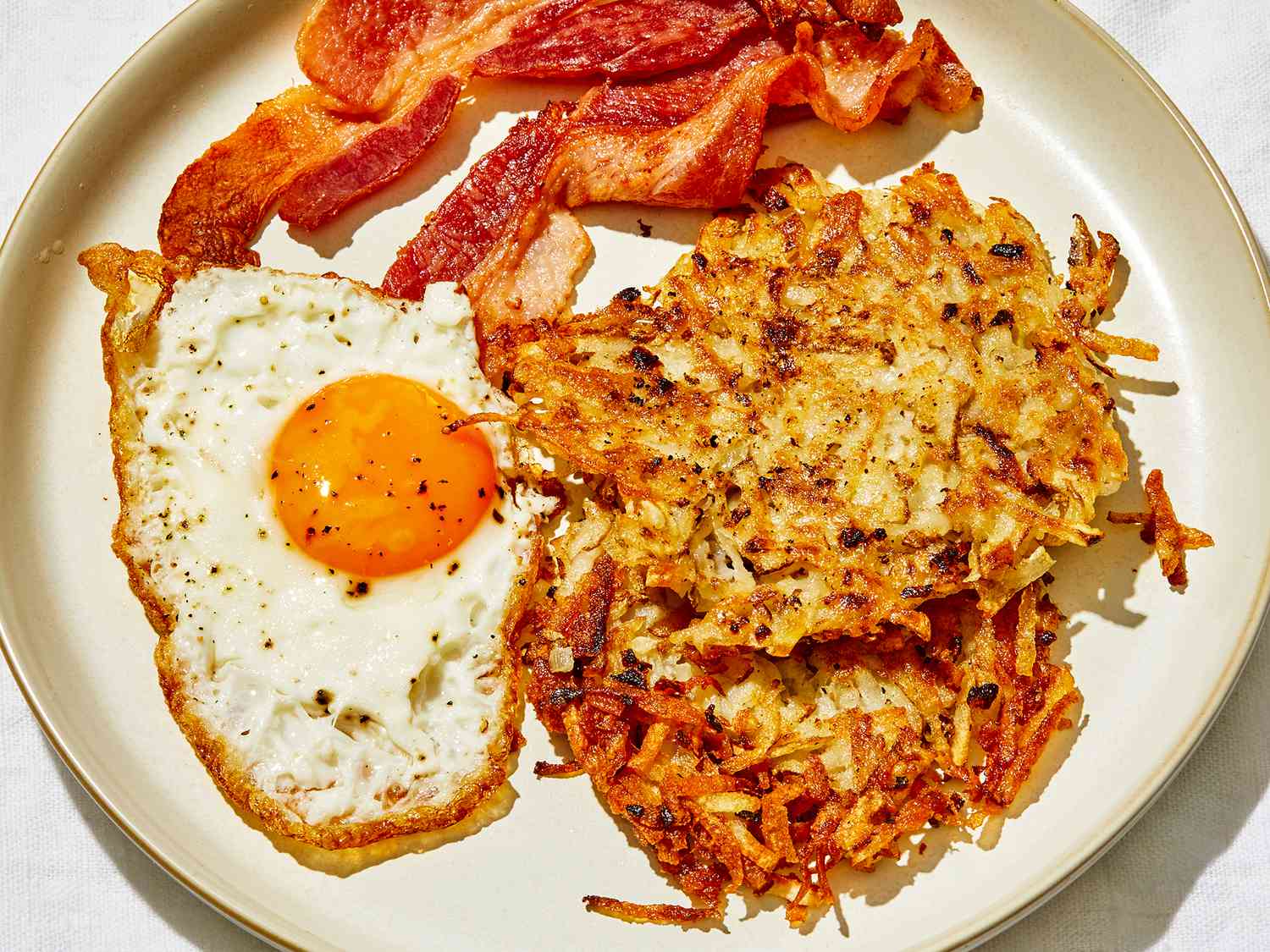
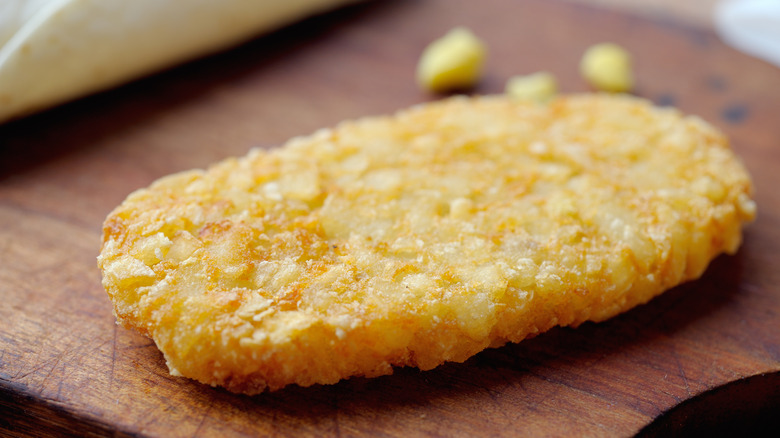
This preparation method is non-negotiable for texture. Without thorough drying, the water in the potatoes will boil off before the Maillard reaction can create a crust, leaving you with a pale, soft interior. By removing the starch and water, you allow the oil to directly contact the potato surface, creating that signature shatteringly crisp exterior found in the best hash brown recipes.
Shredding Tools and Techniques
The texture of your hash browns starts with how you break down the potato. Shredding creates surface area for starch to gelatinize and crisp, but the tool you choose dictates moisture retention and uniformity. A consistent shred size ensures even cooking, preventing some pieces from burning while others remain soggy.
A box grater offers control, letting you press firmly to release starch for a cohesive patty. A food processor with a shredding disc is faster but can bruise the potato, releasing excess water that must be wrung out. A mandoline provides uniform thin slices rather than shreds, resulting in a different, layered crispness.
| Tool | Texture Result | Speed | Cleanup Difficulty |
|---|---|---|---|
| Box Grater | Coarse, rustic shreds | Slow | Medium (manual washing) |
| Food Processor | Fine, uniform shreds | Fast | High (disassembling parts) |
| Mandoline | Thin, even slices | Medium | Low (simple rinse) |
| Knife Julienne | Irregular strips | Very Slow | Low (simple rinse) |
Choose a box grater if you want a traditional, chunky hash brown that holds together. Use a food processor for large batches where speed matters, but be prepared to squeeze out more liquid. A mandoline is best if you prefer a delicate, lace-like crust over a dense patty.
Frying for maximum crispness
Achieving the perfect texture in your hash brown recipe requires precise control over heat, moisture, and starch. The goal is to drive off surface water quickly to allow the Maillard reaction to create a deep, golden crust without burning the exterior before the interior cooks through.
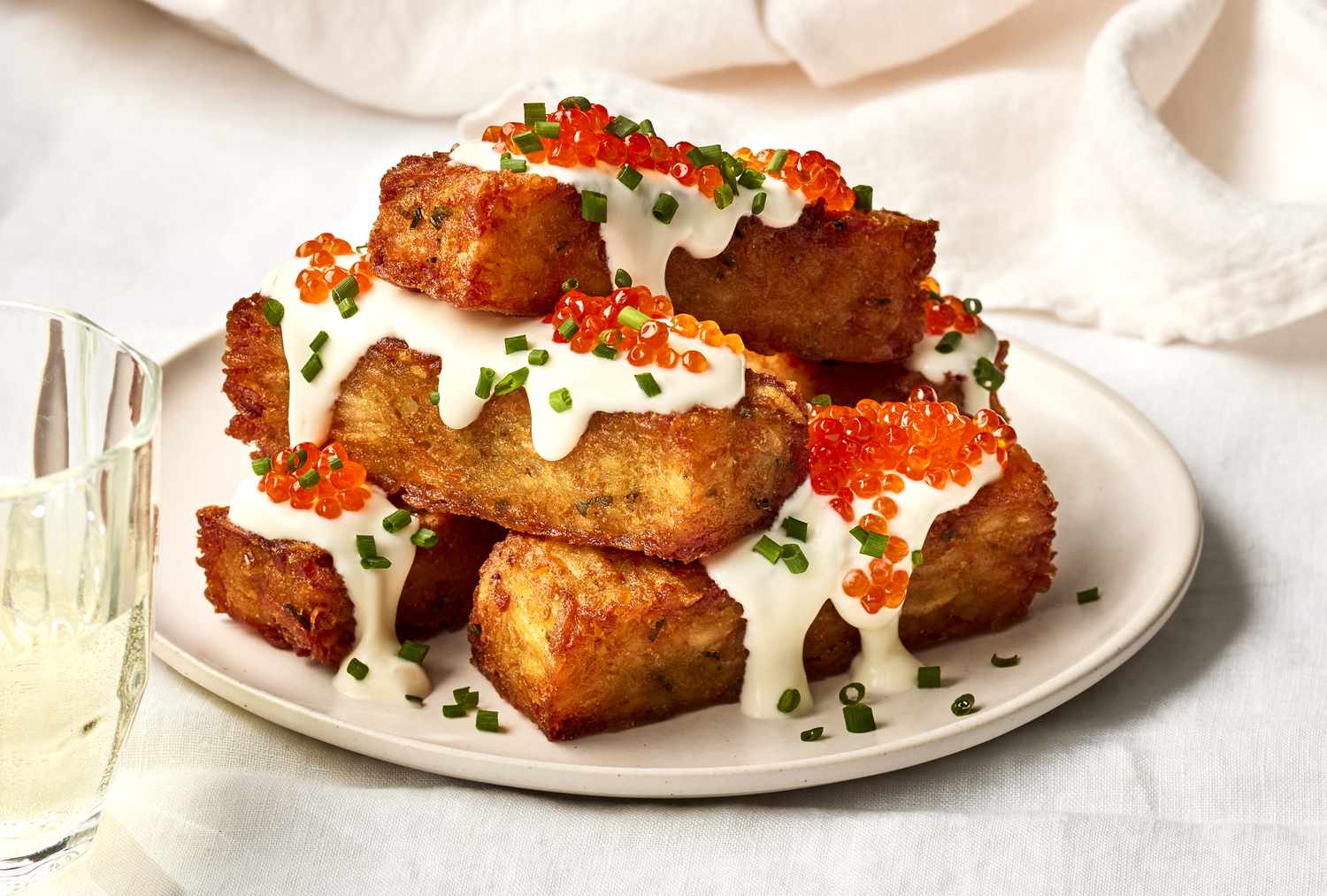
Heat a large skillet over medium-high heat. Add enough oil to coat the bottom generously. Wait until the oil shimmers and ripples slightly when you shake the pan. If the oil is too cool, the potatoes will absorb it and become greasy; if it is too hot, the outside will burn before the inside crisps.
Add the shredded potatoes in a single, even layer. Use a spatula to press down firmly and hold the potatoes in place for about 30 seconds. This initial pressure helps bind the starches together and ensures maximum contact with the hot pan surface, which is essential for forming a continuous crust.
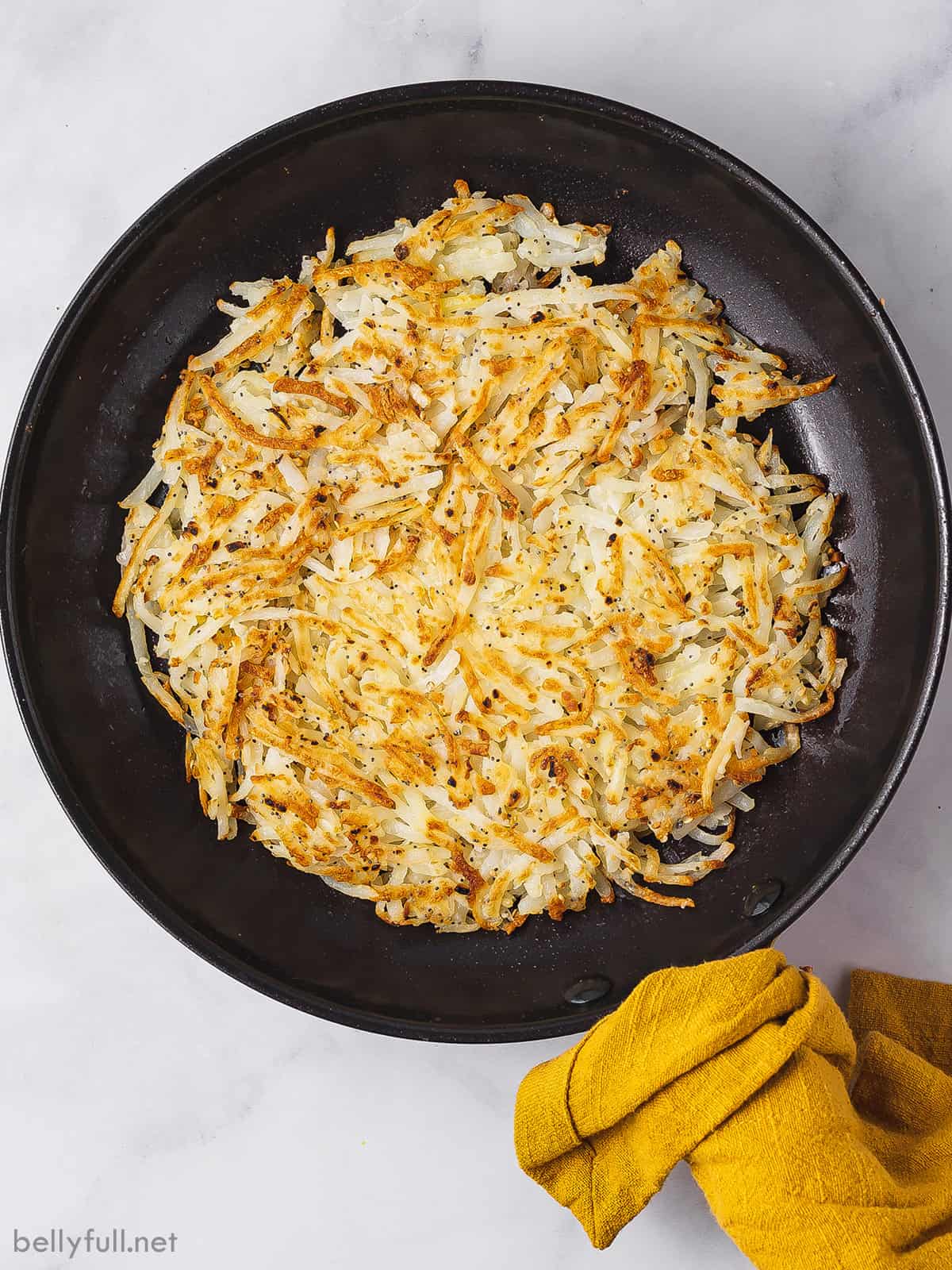
Do not touch the hash browns for 4 to 5 minutes. Let the heat work on the bottom layer. You will hear the sizzling sound change from a sharp hiss to a quieter, deeper crackle as the moisture evaporates and the crust sets. Lift a small edge with a spatula to check for a deep golden-brown color before proceeding.
Once the bottom is uniformly crisp, flip the hash browns in sections or as one large patty. Cook the second side for another 3 to 4 minutes until it matches the first. Remove from the pan and drain on a wire rack or paper towels to prevent the bottom from steaming in residual heat.
Seasoning and Serving Ideas
The best seasoning for hash browns balances savory depth with mild heat and a hint of smokiness. A classic blend relies on salt, freshly ground black pepper, garlic powder, onion powder, and paprika—either sweet or smoked. Sprinkle this mixture evenly over the potatoes while they are still hot, allowing the residual heat to bloom the spices without burning them.
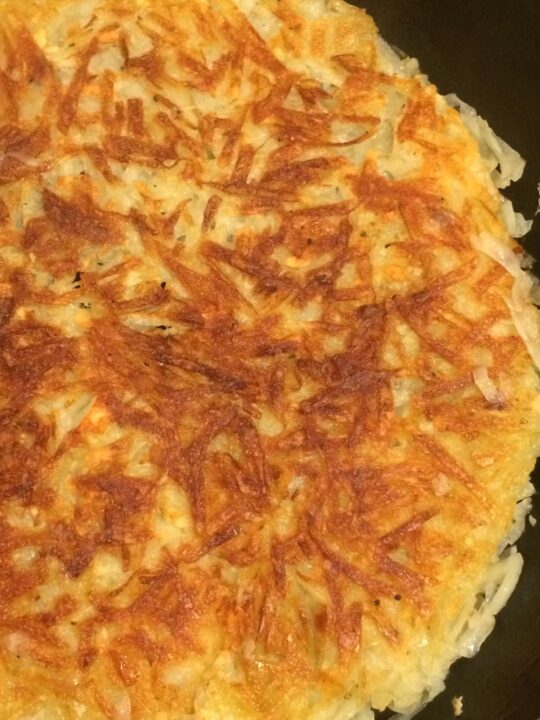
Serving these potatoes requires attention to temperature and texture. Serve them immediately while the exterior is shattering-crisp and the interior remains tender. Pair them with ingredients that complement the starch, such as sour cream, chives, or a fried egg. Avoid covering them in foil or stacking them, as trapped steam will soften the crust you worked hard to create.
- Check seasoning balance before adding extra salt; some toppings are already salty.
- Garnish with fresh herbs like chives or parsley for color and freshness.
- Serve with hot sauce or salsa for added moisture and acidity.
- Keep plates warm to maintain crispness until the last bite.
Troubleshooting Common Mistakes
Even with the right ingredients, hash browns can fail if moisture control slips. Soggy centers, burnt edges, and sticking to the pan are the most common issues, and they all stem from one variable: water.
Soggy or Steamed Texture
Steam is the enemy of crispiness. If your hash browns feel soft or wet in the middle, you likely didn’t squeeze enough moisture out of the potatoes. After grating, wrap the shreds in a clean kitchen towel or cheesecloth and twist tightly over the sink. You should see a pool of water. Repeat until the shreds feel dry to the touch. If you skip this step, the potatoes will steam in their own juices rather than fry.
Burnt or Bitter Edges
Burnt hash browns usually result from oil that is too hot or a pan that isn’t preheated evenly. If the oil smokes before the potatoes hit the pan, the exterior carbonizes before the interior cooks. Keep the heat at medium-high, not high. If you see smoke, lower the heat immediately and add a splash of fresh oil to cool the pan down.
Sticking to the Pan
Sticking happens when the starch hasn’t had time to set into a crust. Use a well-seasoned cast iron skillet or a non-stick pan. Once the potatoes hit the oil, resist the urge to move them. Let them cook undisturbed for 5-7 minutes. The hash browns will naturally release from the pan when the bottom is golden brown and crisp. If you try to flip them too early, they will break apart.
FAQs about crispy hash browns
What is the best seasoning for hash browns?
The best seasoning for hash browns balances savory depth, mild heat, and a hint of smokiness. A classic blend includes salt, freshly ground black pepper, garlic powder, onion powder, and paprika—either sweet or smoked. Add these spices after draining and drying the potatoes to ensure even coating and maximum flavor absorption without adding excess moisture.
How do I keep hash browns crispy?
Moisture is the enemy of crispness. Squeeze grated potatoes in a clean kitchen towel to remove as much liquid as possible before cooking. Use a heavy skillet, preferably cast iron, and do not move the hash browns while they cook. Let a golden-brown crust form before flipping, which typically takes 5-7 minutes per side.
Can I store leftover hash browns?
Yes, but texture will change. Store cooled hash browns in an airtight container in the refrigerator for up to 3 days. Reheat them in a skillet or toaster oven to restore crispness. Avoid microwaving, as it will steam the potatoes and make them soggy. For best results, reheat until the internal temperature reaches 165°F (74°C).
No comments yet. Be the first to share your thoughts!