
Why moisture kills crispiness
The difference between a soggy breakfast side and the best hash brown recipe comes down to one variable: water. Potatoes are roughly 80% water. When you shred a raw potato, you rupture the cells, releasing that liquid onto the surface of the shreds. If you cook them immediately, that water turns to steam. Steam is the enemy of crispiness; it prevents the Maillard reaction, leaving you with soft, pale, steamed potato bits rather than a golden crust.
To fix this, you must actively remove that moisture before the pan gets hot. The Idaho Potato Commission notes that rinsing shreds in cold water helps wash away excess surface starch, which can otherwise turn gummy when heated. But rinsing alone isn't enough. You need to physically squeeze the shreds dry. Use a clean kitchen towel or a cheesecloth, gather the shreds into a bundle, and wring them out with significant force. You should be able to pool water in your hand from just a few ounces of potatoes.
Dry potatoes hit the hot fat and sizzle immediately. This rapid evaporation of surface moisture allows the temperature to climb high enough to caramelize the sugars and harden the exterior. Without this step, you are essentially boiling your hash browns in their own juices. Removing the water ensures that every bite has the structural integrity to crunch.
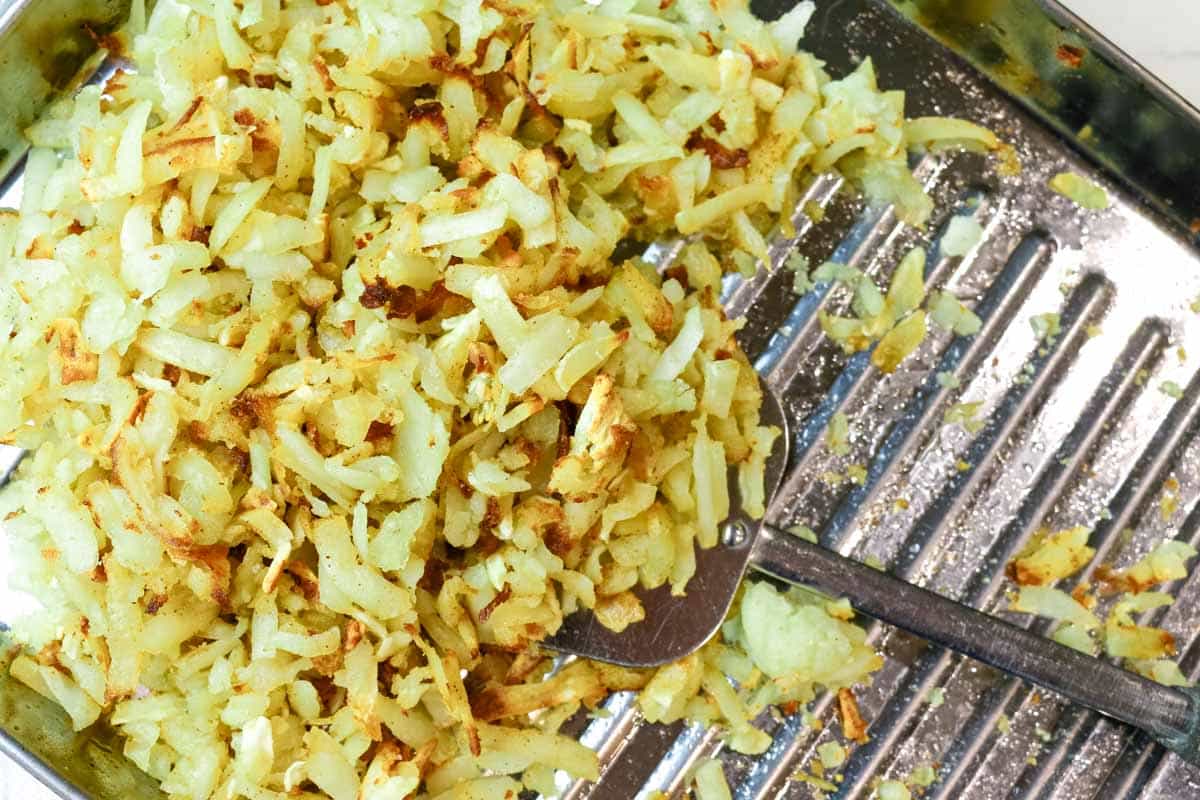
Choosing the right potato
The foundation of the best hash brown recipe lies in starch content and moisture control. Potatoes are categorized by their texture: starchy, waxy, or all-purpose. This classification determines how the potato behaves when grated and fried.
Starchy potatoes, primarily Russets, have a high dry-matter content and low moisture. When grated, they separate into distinct shreds that crisp up rapidly. Waxy potatoes, such as Red Bliss or new potatoes, contain more water and less starch. They hold their shape well but lack the structural integrity to achieve a deep, golden crunch.
| Feature | Russet (Starchy) | Waxy (Low Starch) |
|---|---|---|
| Moisture Level | Low | High |
| Starch Content | High | Low |
| Texture When Fried | Crispy, airy, golden | Soft, dense, chewy |
| Best For | Shredded hash browns | Potato salads, soups |
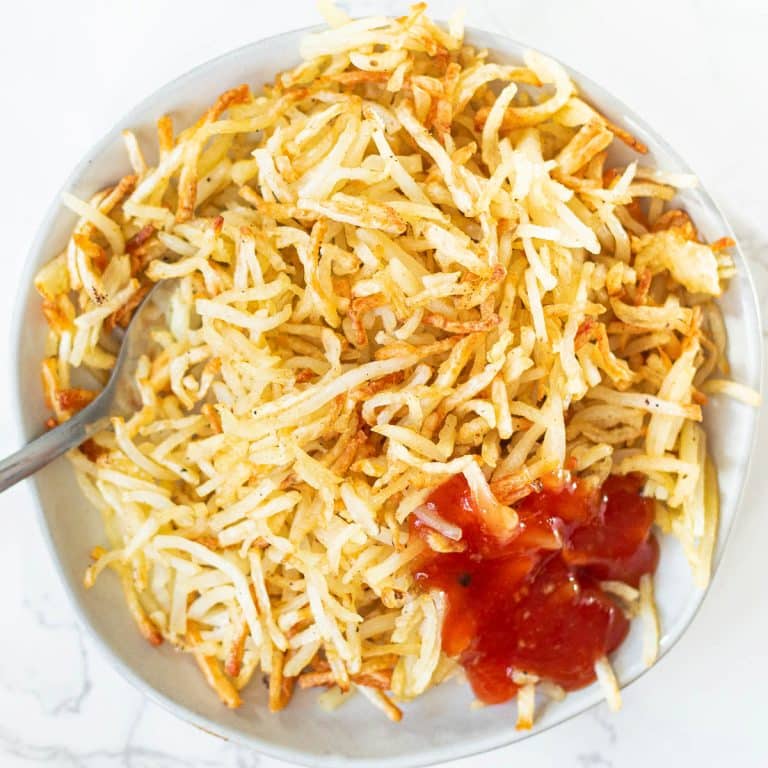
For the best hash brown recipe, Russets are the standard choice. Their low moisture content means you spend less time squeezing water out and more time building crispness. If you must use waxy potatoes, expect a softer, pan-fried texture rather than the diner-style crunch. The goal is to maximize surface area exposure to heat, which starchy potatoes facilitate naturally.
Prep steps for maximum crunch
The difference between a soggy, gray patty and a golden, shattering crust comes down to starch management. Potatoes are roughly 80% water and filled with loose starch granules that gelatinize instantly upon contact with heat. If that starch isn't removed, it acts like glue, steaming the potato from the inside out rather than allowing the surface to dehydrate and crisp.
To execute the best hash brown recipe, you must treat the potato like a raw ingredient that needs to be stripped of its excess moisture before it ever touches a pan. This section outlines the mechanical process of extracting that water to ensure structural integrity during cooking.
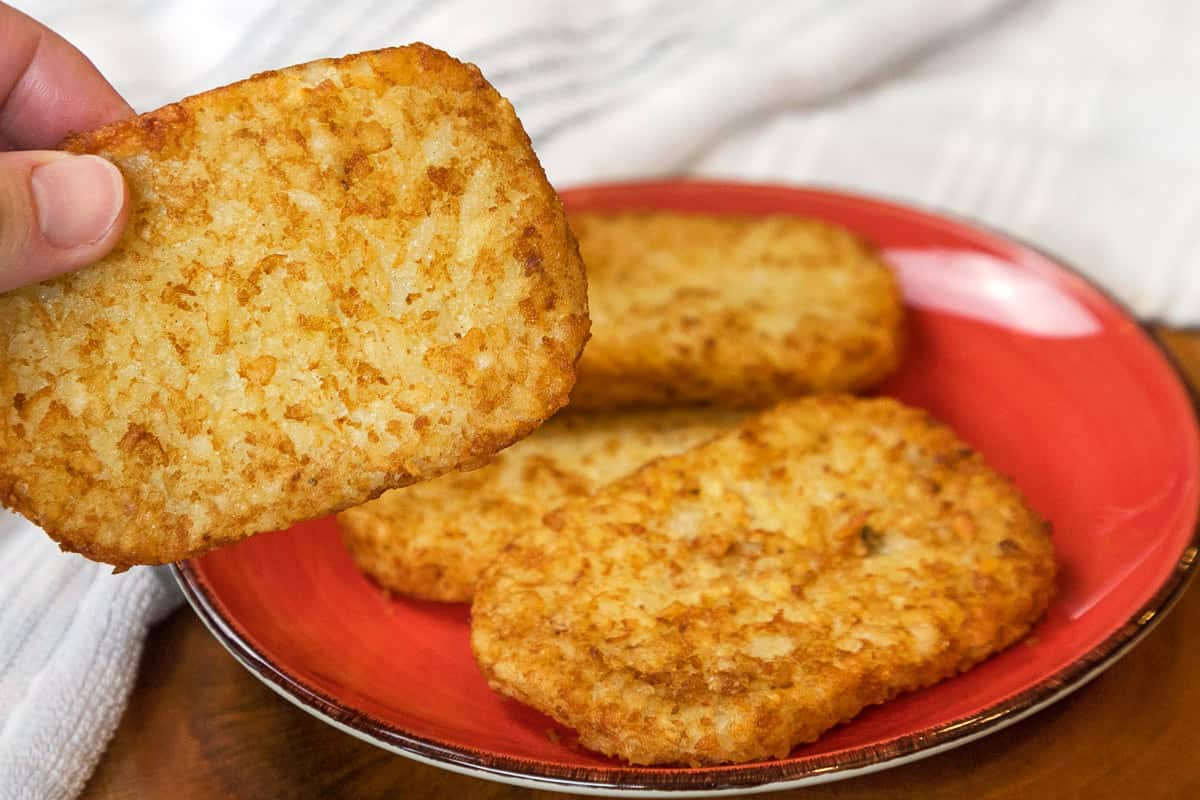
Use the large holes of a box grater or the shredding disk of a food processor. This creates long, thin strands rather than a mushy paste. Long strands create more surface area for the Maillard reaction, which is the chemical browning process responsible for the savory, nutty flavor and crispy texture. Avoid fine grating, which releases too much internal starch and leads to a dense, doughy result.
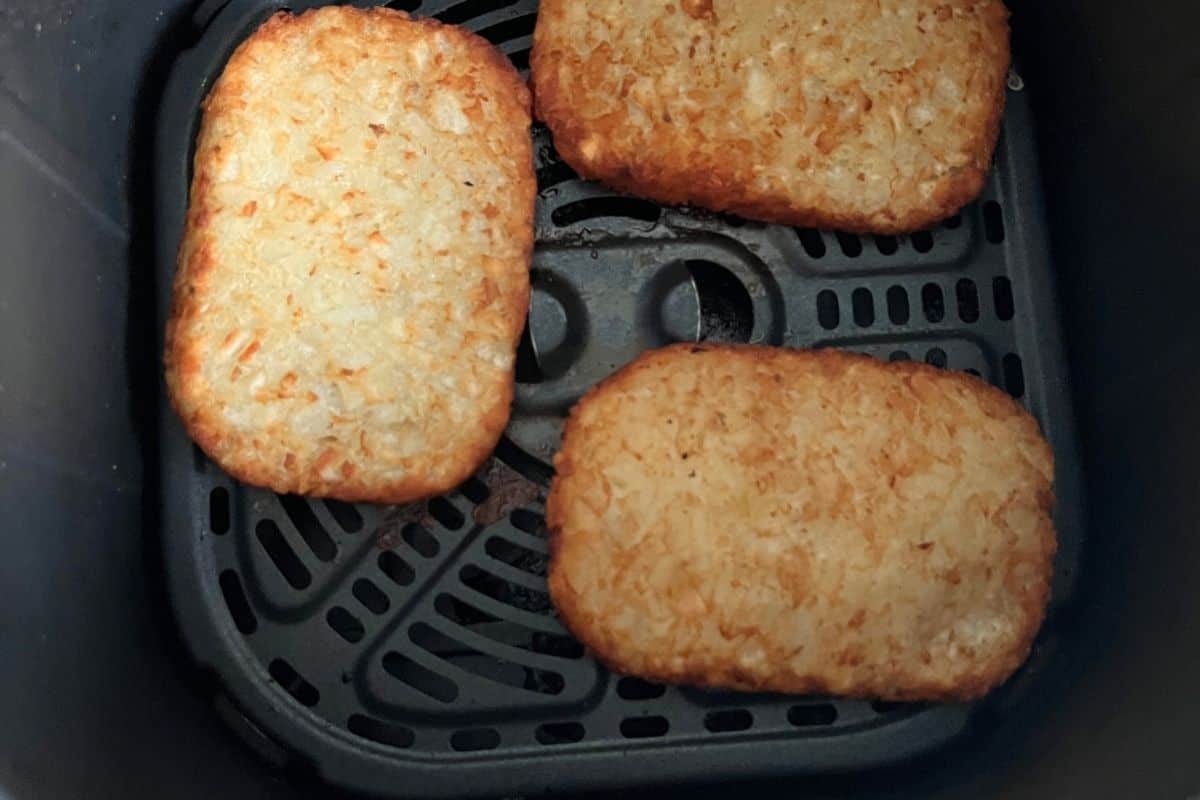
Immediately transfer the shredded potatoes to a large bowl of cold water. Swirl them vigorously with your hands. You will see the water turn milky white—this is the loose surface starch. Drain and repeat this rinse two or three times until the water remains relatively clear. Removing this starch prevents the shreds from clumping into a solid, steamed mass and allows them to fry individually.
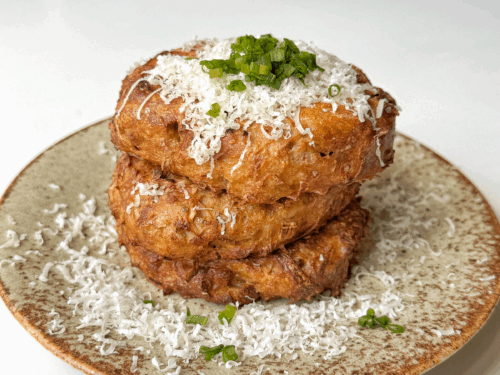
For an extra layer of insurance against sogginess, submerge the rinsed shreds in a bowl of ice water for 10 to 15 minutes. The cold temperature further firms up the potato structure, making it easier to handle without breaking the strands. This step also draws out additional internal moisture that the initial rinse missed.
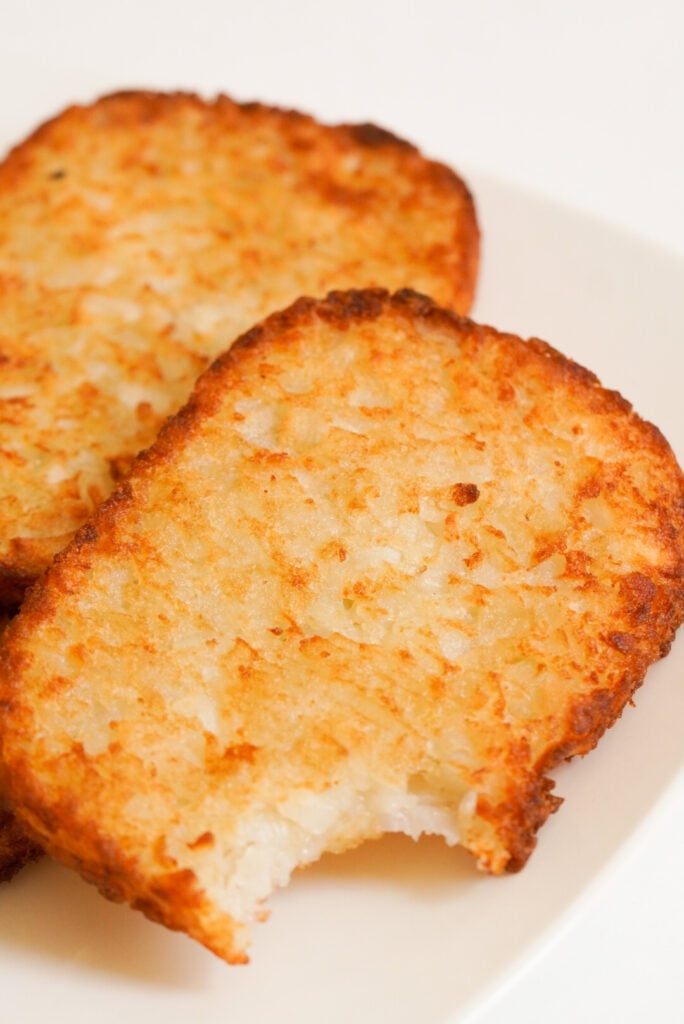
This is the most critical step. Lay the shredded potatoes on a clean, thick kitchen towel or several layers of paper towels. Gather the edges and twist tightly, applying maximum pressure. You need to wring out every possible drop of water. If the potatoes feel even slightly damp, they will steam in the skillet. The goal is dry, separate shreds that make a rustling sound when you squeeze them.
Skillet method for diner-style crunch
The skillet method remains the standard for achieving that specific diner-style crunch. Success depends on managing moisture and starch. Wet potatoes steam instead of crisp. Soggy interiors ruin the texture. This section delivers the precise heat and fat instructions needed to turn shredded russets into a cohesive, golden patty.
1. Extract moisture and bind the shreds
Start with two medium russet potatoes. Shred them using the large holes of a box grater. Place the shreds in a clean kitchen towel or cheesecloth. Squeeze tightly over the sink to remove as much liquid as possible. Dry shreds are non-negotiable for crispness.
Transfer the dried shreds to a bowl. Add one large egg and a quarter cup of all-purpose flour. The egg acts as a binder, holding the shreds together during flipping. The flour absorbs residual surface starch and moisture, preventing a gummy texture. Mix gently until just combined.
2. Heat the skillet and add fat
Use a 10-inch cast iron or nonstick skillet. Set the burner to medium-high heat. Add one cup of oil for frying, or use a generous tablespoon of butter and oil if you prefer a lighter version. Wait until the fat shimmers but does not smoke. Proper heat ensures immediate searing upon contact.
3. Press and form the patty
Add the potato mixture to the center of the skillet. Use a spatula to press it down firmly. Create an even layer about half an inch thick. A compact patty cooks uniformly. Loose shreds burn at the edges while remaining raw in the center.
4. Cook until golden brown
Let the hash browns cook undisturbed for five to seven minutes. Resist the urge to move them. You are building a crust. Lift an edge to check the color. It should be deep golden brown and crisp. If it sticks, it is not ready to flip.
5. Flip and finish cooking
Slide a large spatula under the entire patty. Flip it in one confident motion. Press down again to ensure even contact with the hot surface. Cook for another five to seven minutes until the second side is equally browned. Transfer to a wire rack or paper towels to drain excess oil.
Air fryer shortcut for crispy results
The air fryer offers a faster, lower-fat alternative to the traditional skillet method for the best hash brown recipe. By circulating hot air rapidly, the appliance mimics deep-frying without submerging the potatoes in oil. This method excels at moisture control, which is the primary factor in achieving a crisp exterior while keeping the interior tender.
To succeed, you must manage the starch and water content before cooking. Soak shredded potatoes in cold water for at least 30 minutes to remove excess surface starch, which prevents sogginess. After soaking, drain thoroughly and squeeze the potatoes dry using a clean kitchen towel or cheesecloth. Removing as much liquid as possible ensures the heat can crisp the exterior rather than steaming the shreds.
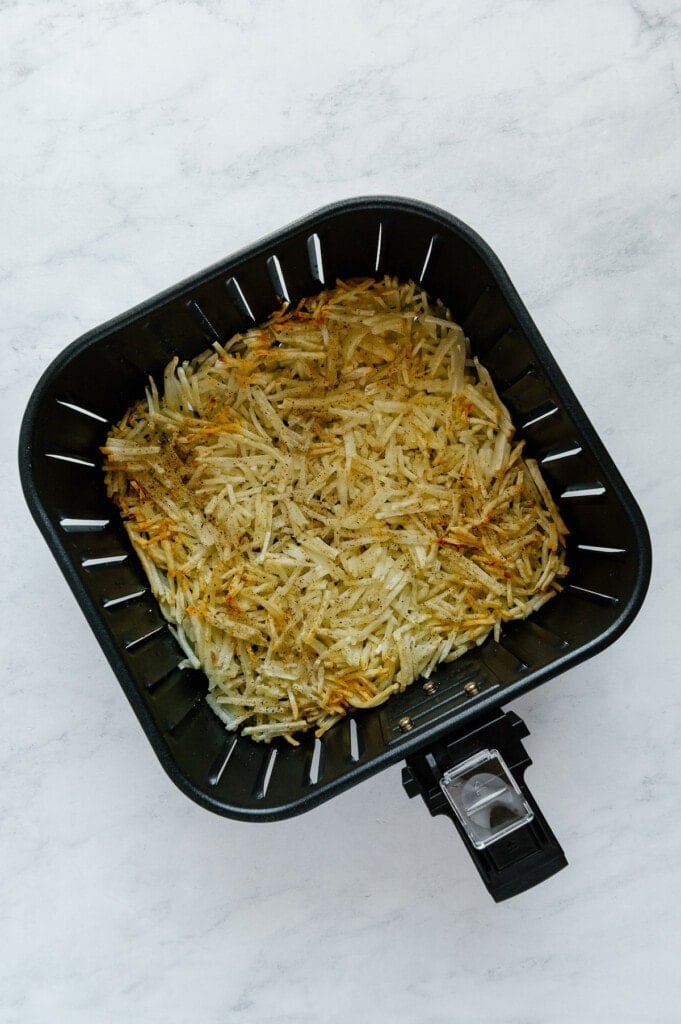
Grate russet potatoes on the large holes of a box grater. Submerge the shreds in a bowl of cold water for 30 minutes. Drain and squeeze the potatoes dry until no liquid remains. Toss with one tablespoon of neutral oil, salt, and pepper.
Preheat your air fryer to 400°F (200°C) for 3-5 minutes. A hot basket is essential for immediate crisping. Lightly spray the basket with oil to prevent sticking.
Spread the potato mixture evenly in the basket. Do not overcrowd; cook in batches if necessary. Overcrowding traps steam and leads to soft, soggy hash browns.
Cook for 12-15 minutes, flipping halfway through. The hash browns are done when golden brown and crisp to the touch. Serve immediately for the best texture.
Avoid soggy, burnt, or broken hash browns
Achieving the best hash brown recipe result depends on managing moisture and starch. Skipping these steps leads to mushy interiors or burnt exteriors before the center cooks through.
Leaving too much moisture
Potatoes are mostly water. If you skip rinsing and squeezing, that water turns to steam, preventing the Maillard reaction. Rinse shredded potatoes in cold water until the water runs clear to remove surface starch. Then, squeeze them in a clean kitchen towel until dry. This step is non-negotiable for crispiness.
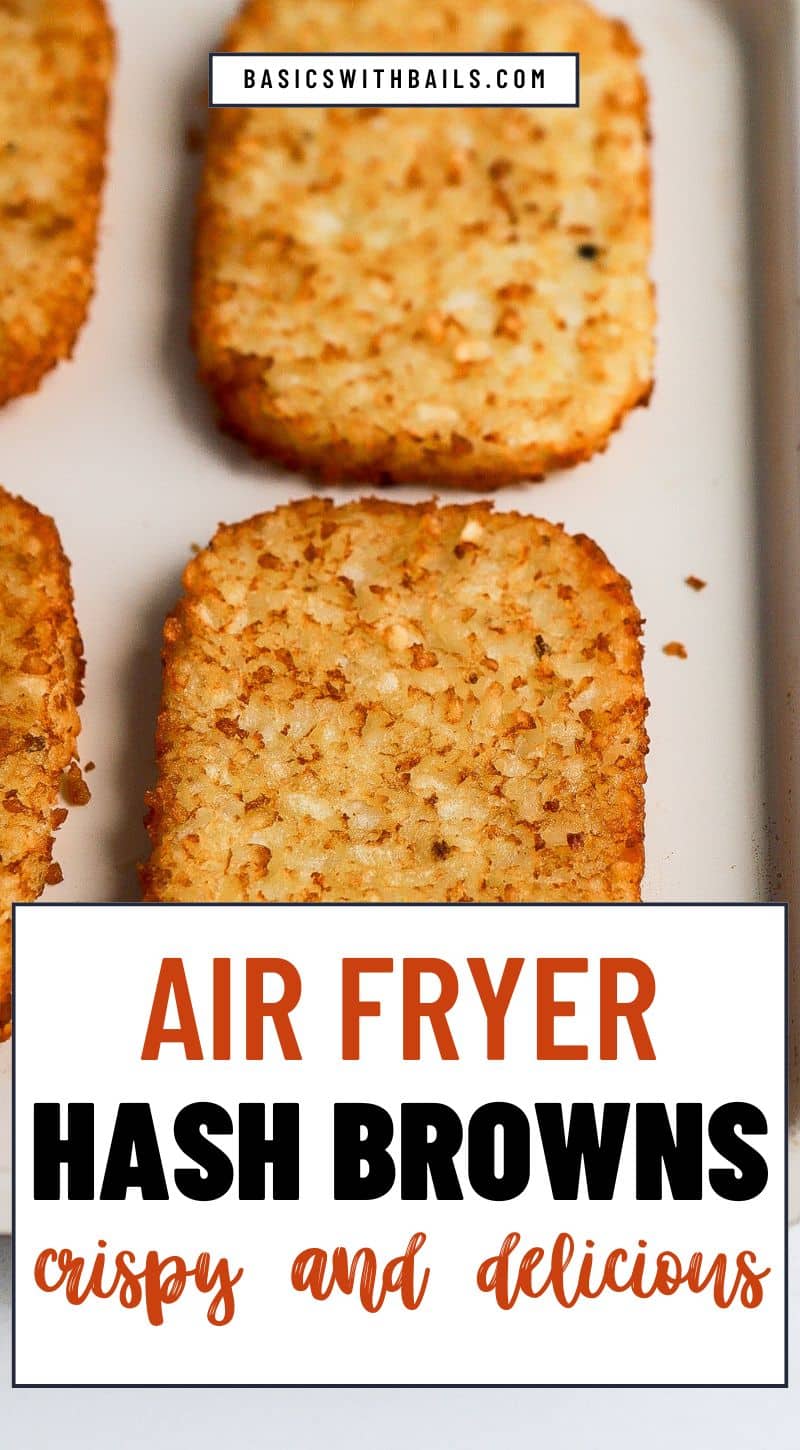
Using too much oil or butter
Butter burns at high heat. Use a neutral oil with a high smoke point, like vegetable or canola oil, for the skillet. If using butter, clarify it first or mix it with oil. In the air fryer, a light spray of oil is enough; excess oil makes the edges greasy rather than crisp.
Crowding the pan
Overcrowding lowers the pan temperature, causing the potatoes to steam instead of fry. Cook in batches if necessary. Each layer needs direct contact with the hot surface to develop a golden crust. If they stick, they likely need more time to release naturally.
No comments yet. Be the first to share your thoughts!