
Why russet potatoes win for crispy hash browns
The foundation of any great hash brown recipe starts with the potato itself. Not all tubers are created equal when it comes to achieving that coveted diner-style crunch. The difference lies in the starch content, which dictates how the potato behaves under heat and pressure. Russet potatoes, often called Idaho potatoes, are the gold standard for this dish because their high starch content and low moisture create the perfect structure for crisping.
Russets are mealy and dry, meaning they break down slightly when shredded, creating more surface area for the Maillard reaction. This reaction is what turns pale potato into golden-brown, crispy edges. In contrast, waxy potatoes like red or new potatoes have a waxy, moist interior that holds its shape too well. When you shred a waxy potato, you get distinct, firm shreds that tend to steam rather than fry, resulting in a soggy or chewy texture rather than a crisp one.
The visual difference is stark. When you cook with russets, you are essentially cooking with a sponge that has been wrung out. The high starch content allows the shreds to stick together just enough to form a cohesive patty, yet separate enough to create individual crispy points. This balance is difficult to achieve with lower-starch varieties, which often require more oil or longer cooking times to overcome their inherent moisture.
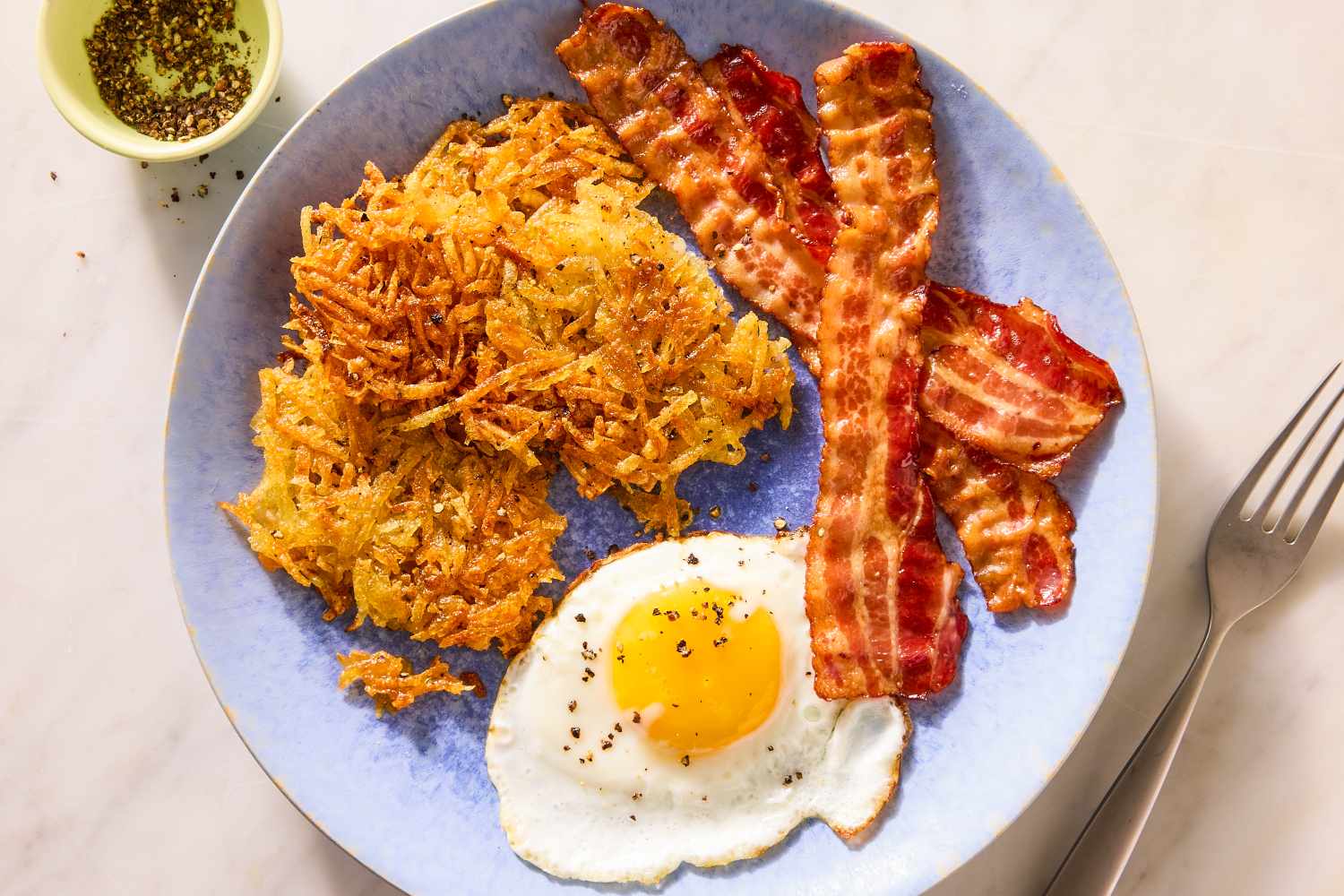
Choosing the right potato is the first step in mastering your hash brown recipe. Once you have your russets, the next critical step is removing excess moisture. Even with the best potato, leftover water will steam your shreds instead of frying them. This is why rinsing and drying the shredded potatoes is just as important as the choice of tuber itself. By combining high-starch russets with thorough moisture removal, you set the stage for a truly crispy result.
Rinse and Dry: The Secret to Golden Crust
The difference between a soggy breakfast mess and a diner-style crisp hash brown comes down to water. Potatoes are mostly starch and moisture. When you shred them, you release free starch that acts like glue, holding water against the pan. That water turns to steam before the surface can brown, leaving you with soft, pale potatoes instead of a golden crust.
To fix this, you need to wash away the loose starch and then aggressively dry the shreds. This two-part process ensures that when the potatoes hit the hot oil, they fry instead of steam. The result is distinct, crunchy edges that hold together without turning gummy.
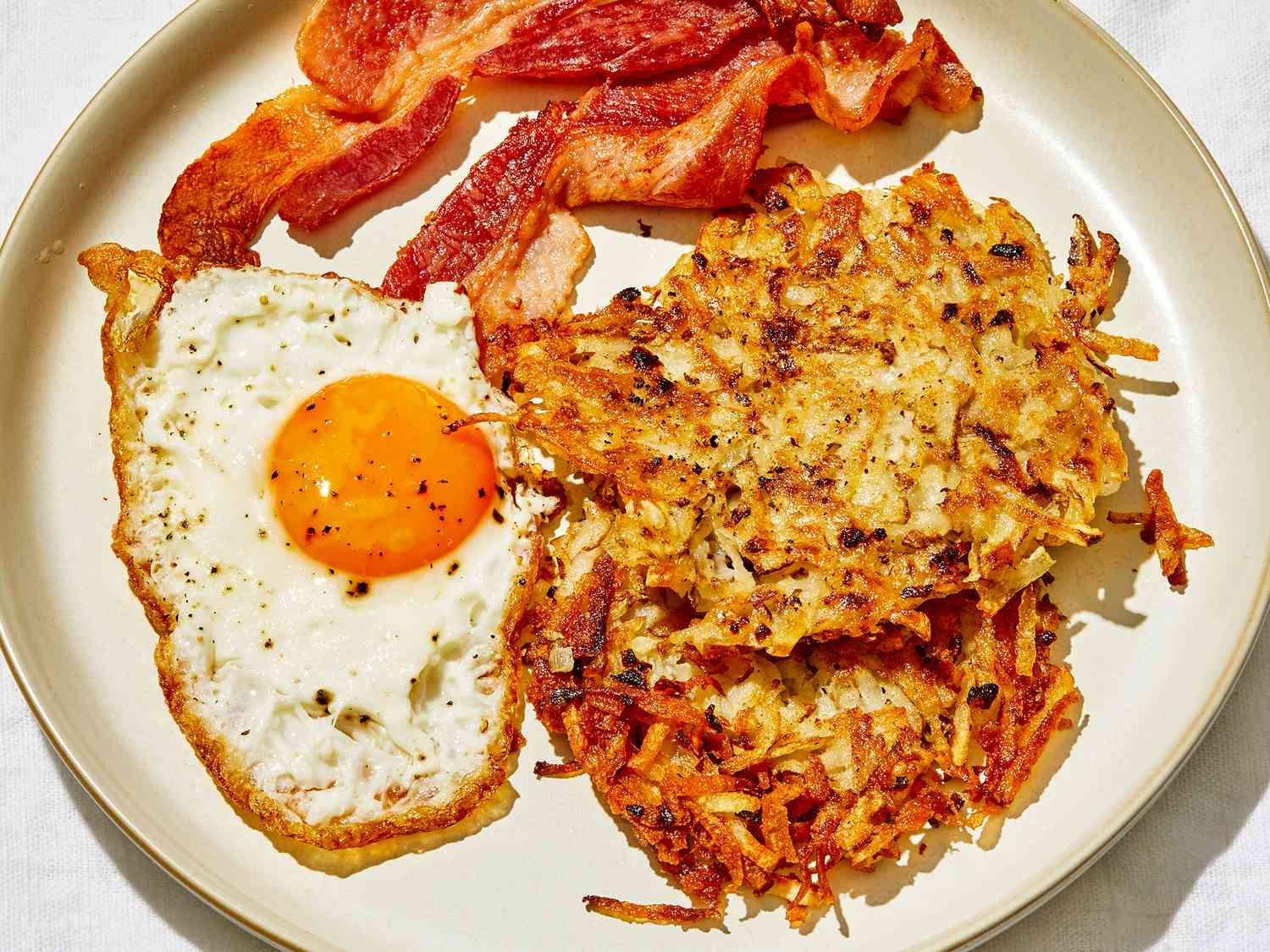
Place your shredded potatoes in a large bowl or colander. Run cold water over them while tossing with your hands or a spoon. Keep rinsing until the water running off the potatoes is completely clear, not cloudy white. This step removes the surface starch that causes clumping and sogginess. Drain the water as thoroughly as possible before moving to the next step.
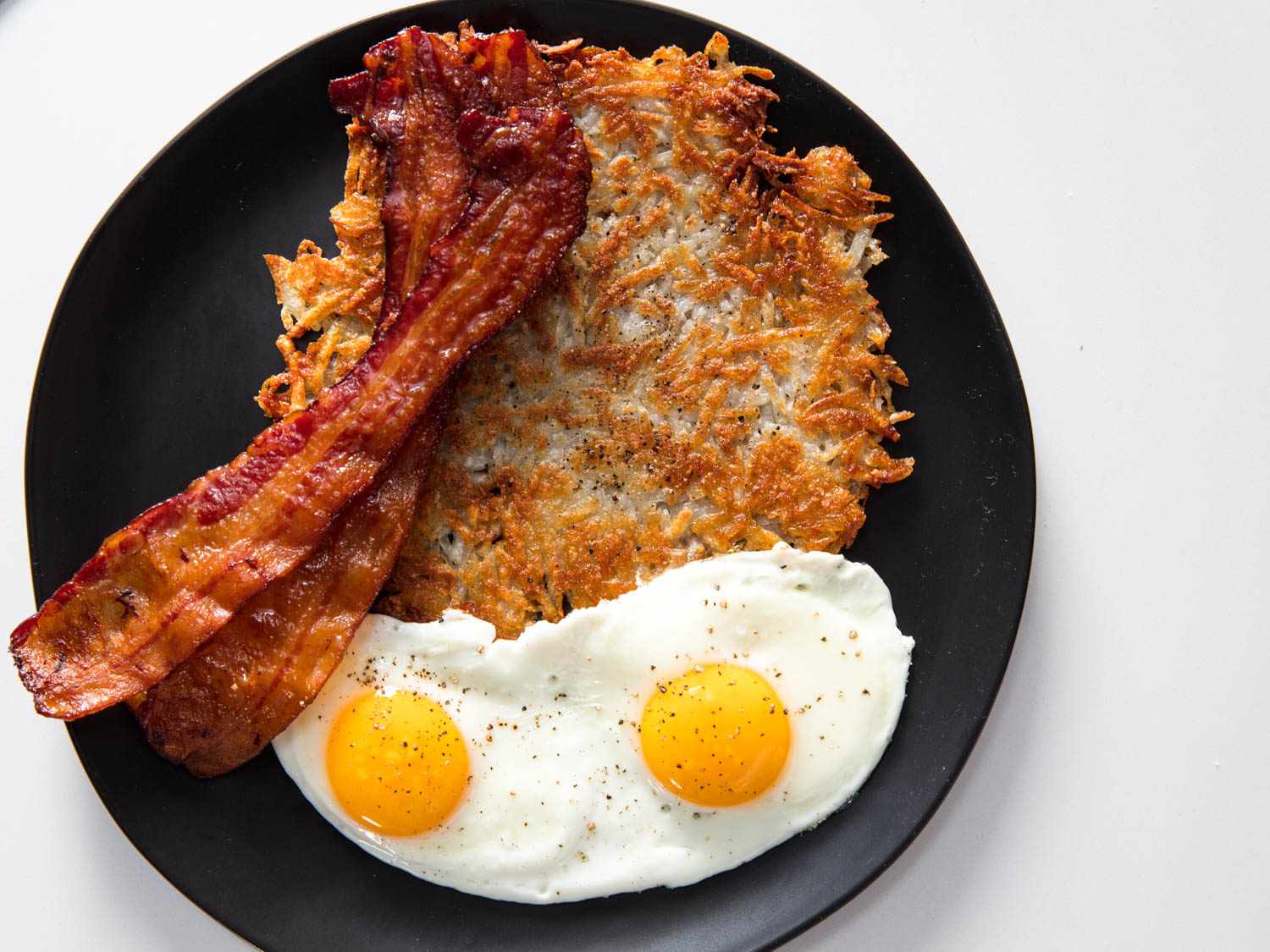
Moisture is the enemy of crispness. Transfer the rinsed shreds to a clean kitchen towel or several layers of paper towels. Gather the corners and twist tightly, squeezing with all your strength. You should feel heavy resistance and see water pooling out. If the potatoes feel even slightly damp after this, they will not crisp up properly in the pan. Repeat with fresh towels if needed until the shreds feel dry to the touch.
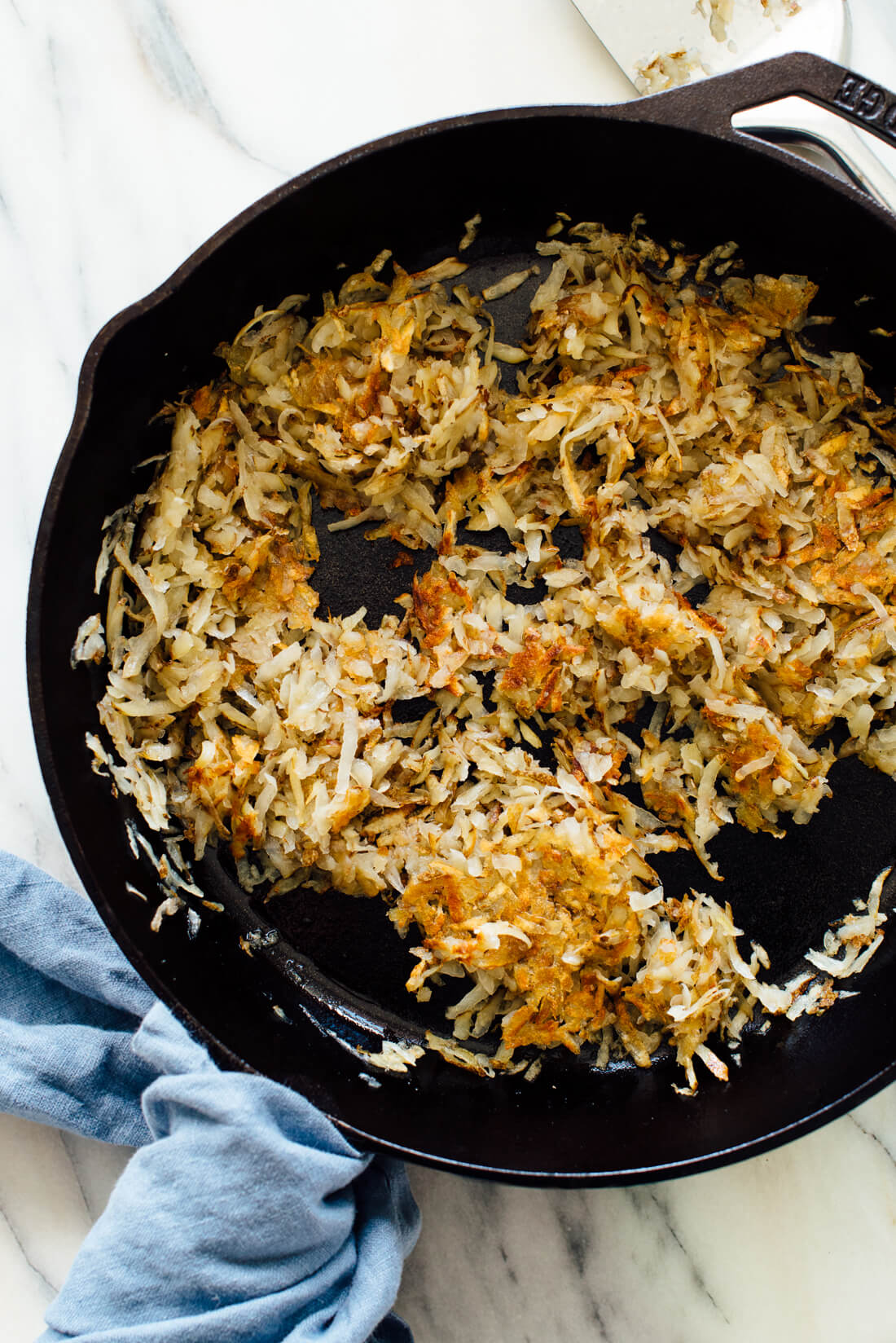
Lay the dried shreds out on a clean towel or baking sheet in a thin layer. Let them sit for five minutes to allow any residual surface moisture to evaporate. This brief air-dry step ensures the potatoes are ready to hit the hot oil immediately. Pat them down one last time with a dry towel if you see any damp spots before seasoning and frying.
How a Potato Shredder Creates Wispy Strands
The difference between a soggy, dense patty and a golden, shattering crust comes down to surface area. A potato shredder, specifically the box grater or the drum-style shredder, cuts tubers into thin, wispy strands rather than chunks or thick slices. These strands act like individual fire starters, ensuring that every bit of potato touches the hot oil or butter in the skillet.
When you use a knife or food processor to chop potatoes, you create irregular chunks with smooth, sealed surfaces. Heat has to penetrate the interior of those chunks before the exterior can crisp. Shredding bypasses this barrier. The resulting strands cook rapidly and evenly, allowing moisture to escape quickly so the starches can gelatinize and then crisp up.
Skillet Hash Browns Recipe and Method
The difference between soggy breakfast potatoes and golden, crisp hash browns comes down to heat management and moisture control. This method uses a standard 10-inch skillet to create a uniform, shatteringly crisp crust without requiring specialized equipment beyond a potato shredder. The goal is to sear the starches quickly while keeping the interior tender.
Start by heating a heavy-bottomed skillet, such as cast iron or stainless steel, over medium-high heat. Add enough neutral oil to coat the bottom generously. The oil should shimmer but not smoke. Once hot, add the shredded potatoes in an even layer. Press them down firmly with a spatula to create a solid cake; this ensures maximum surface contact with the pan for even browning.
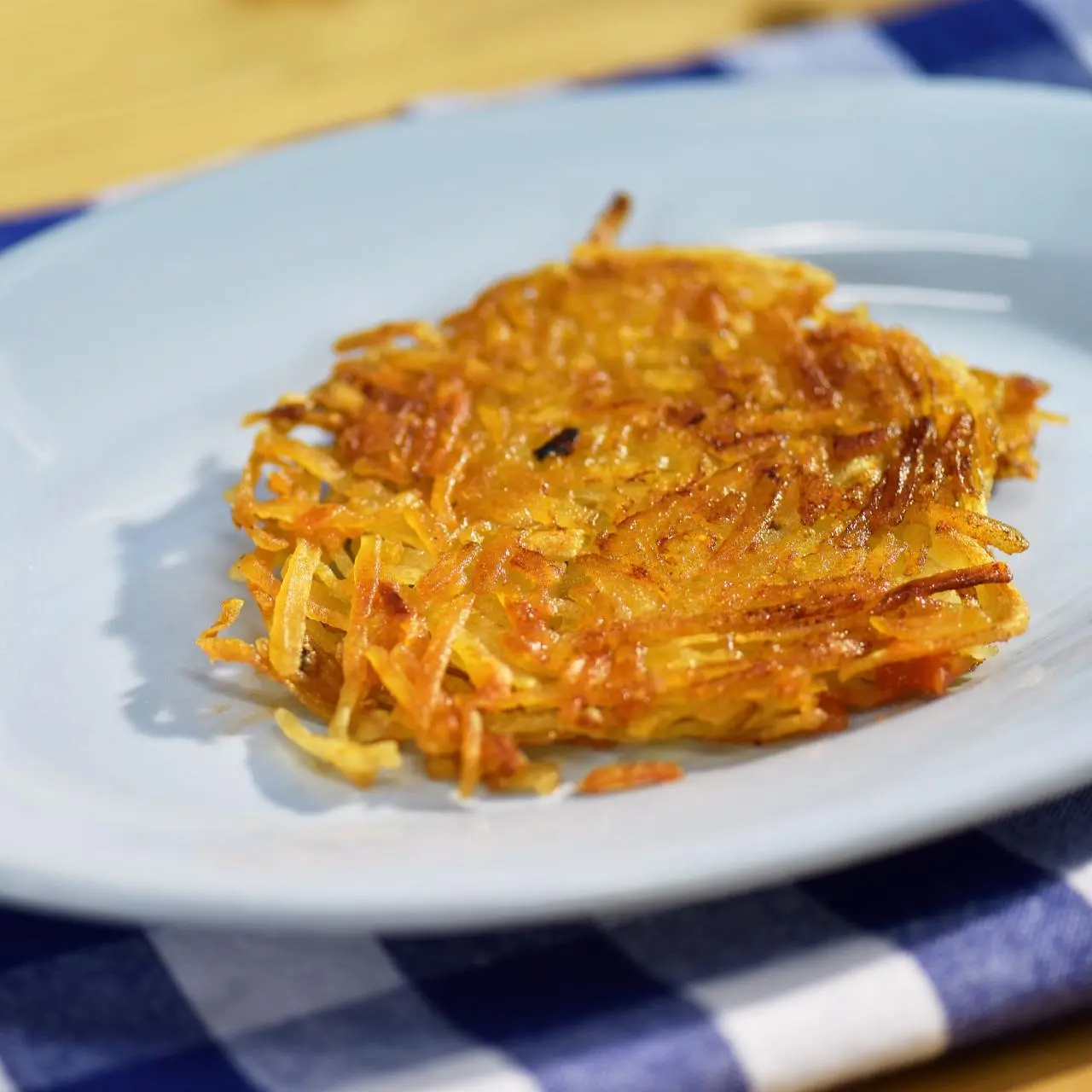
Cook undisturbed for 4 to 5 minutes. Resist the urge to peek or stir. You are building a structural base that will hold together during the flip. Check the edge of the hash browns; they should be deep golden brown and release easily from the pan. If they stick, they need more time.
Flip the hash browns. You can do this in quarters for easier handling or use a plate to flip the entire cake at once. Cook the second side for another 3 to 4 minutes until evenly crisp. Season with salt and pepper immediately after flipping so the seasoning adheres to the hot oil. Serve hot for the best texture.
Common Mistakes That Make Hash Browns Soggy
Even with a good recipe, technique determines whether your hash browns shatter or steam. The difference between a diner-style crisp and a soggy mess usually comes down to moisture control and heat management.
Overcrowding the Pan
Crowding the skillet traps steam, which softens the crust before it can form. Cook in batches if your pan is small. Give each hash brown patty enough room to breathe so the surface dries out and browns evenly.
Not Removing Enough Moisture
Potatoes are mostly water. If you skip the squeeze, that water turns to steam during cooking. Rinse shredded potatoes to remove excess starch, then wring them out in a clean kitchen towel until they feel dry to the touch. This step is the single most important factor for achieving a crispy hash brown.
Moving Them Too Early
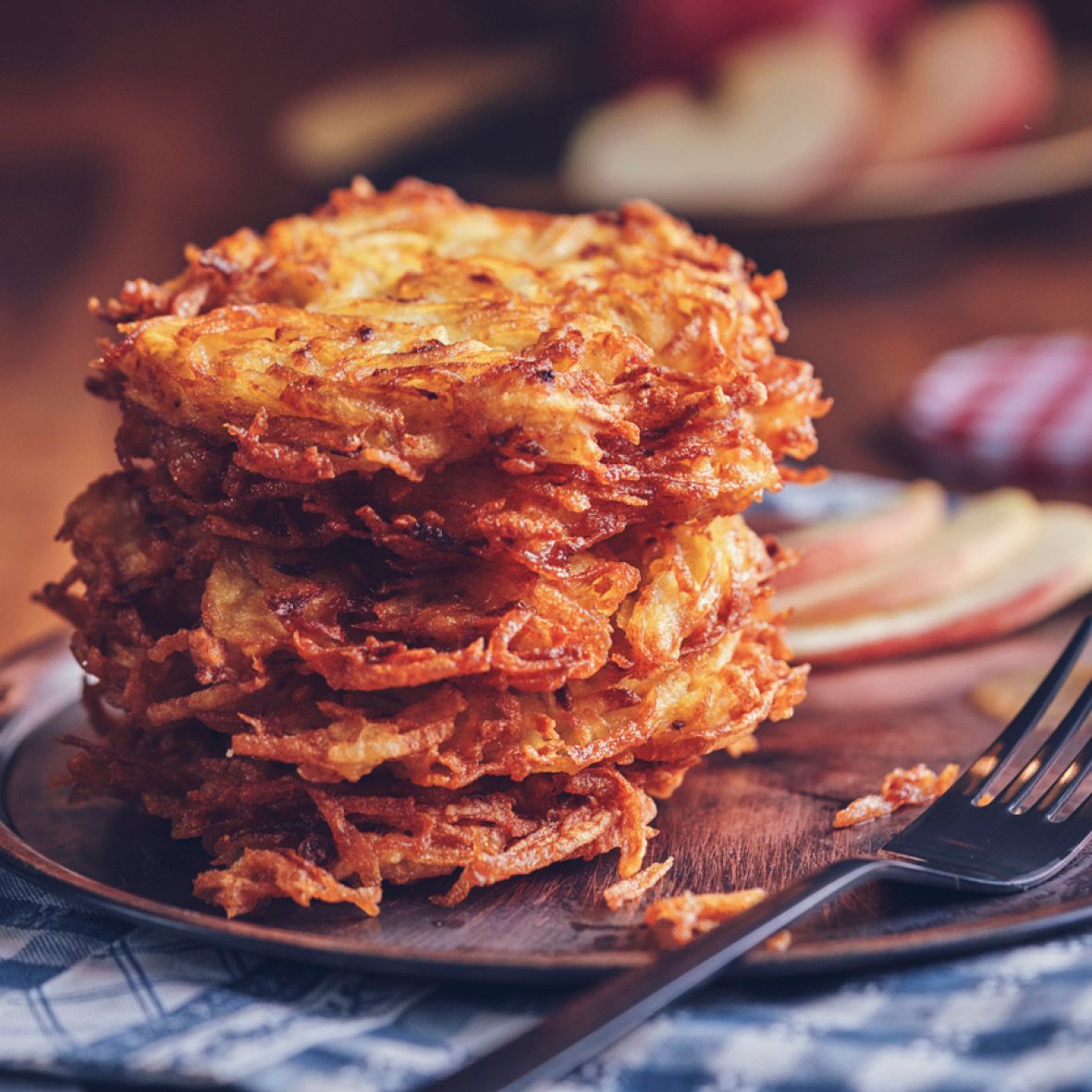
Patience is required. Let the hash browns cook undisturbed for 3-5 minutes on medium-high heat. The starches need time to set and caramelize. Flip only once, when the underside is deeply golden and releases easily from the pan.
-
Dry the potatoes thoroughly before cooking
-
Use enough oil to coat the pan evenly
-
Cook on medium-high heat without moving
-
Flip only once when golden brown
Frequently Asked Questions About Crispy Hash Browns
What kind of potatoes work best for hash browns?
Starchy russet potatoes are the gold standard for skillet hash browns. Their high starch and low moisture content allow the shreds to crisp up evenly without turning gummy. Waxy varieties like red or Yukon Gold hold too much water, which steams the potatoes instead of frying them, resulting in a softer texture that lacks that signature crunch.
Can I make hash browns ahead of time?
You can prep the shredded potatoes a day in advance, but you must store them submerged in cold water to prevent browning. Before cooking, drain the shreds thoroughly and squeeze them as dry as possible in a clean kitchen towel. Any remaining water will create steam in the pan, which is the enemy of crispness.
How do I keep hash browns from sticking to the pan?
Patience and heat are key. Let the skillet get hot before adding the oil, and wait until the hash browns have been cooking for a few minutes before attempting to move them. A nonstick skillet or well-seasoned cast iron helps, but the most important factor is letting a golden crust form on the bottom. If it resists sliding, it isn't ready to flip yet.
No comments yet. Be the first to share your thoughts!