
Why air fryers win for crispy hash browns
Traditional pan-frying demands constant vigilance. You must manage heat distribution, flip the potatoes at precise intervals, and hope the bottom doesn't burn before the center dries out. The air fryer removes the guesswork by acting as a miniature convection oven. Hot air circulates around the shredded potatoes from all angles, creating an even crust without the need to manually rotate the basket.
The physics of crisping relies on moisture removal and the Maillard reaction. In a skillet, steam gets trapped under the potato layer, turning the exterior soggy rather than crunchy. An air fryer’s rapid airflow evaporates surface moisture quickly, allowing the starches to crisp up efficiently. This method uses up to 70% less oil than traditional pan-frying while achieving similar crunch levels.
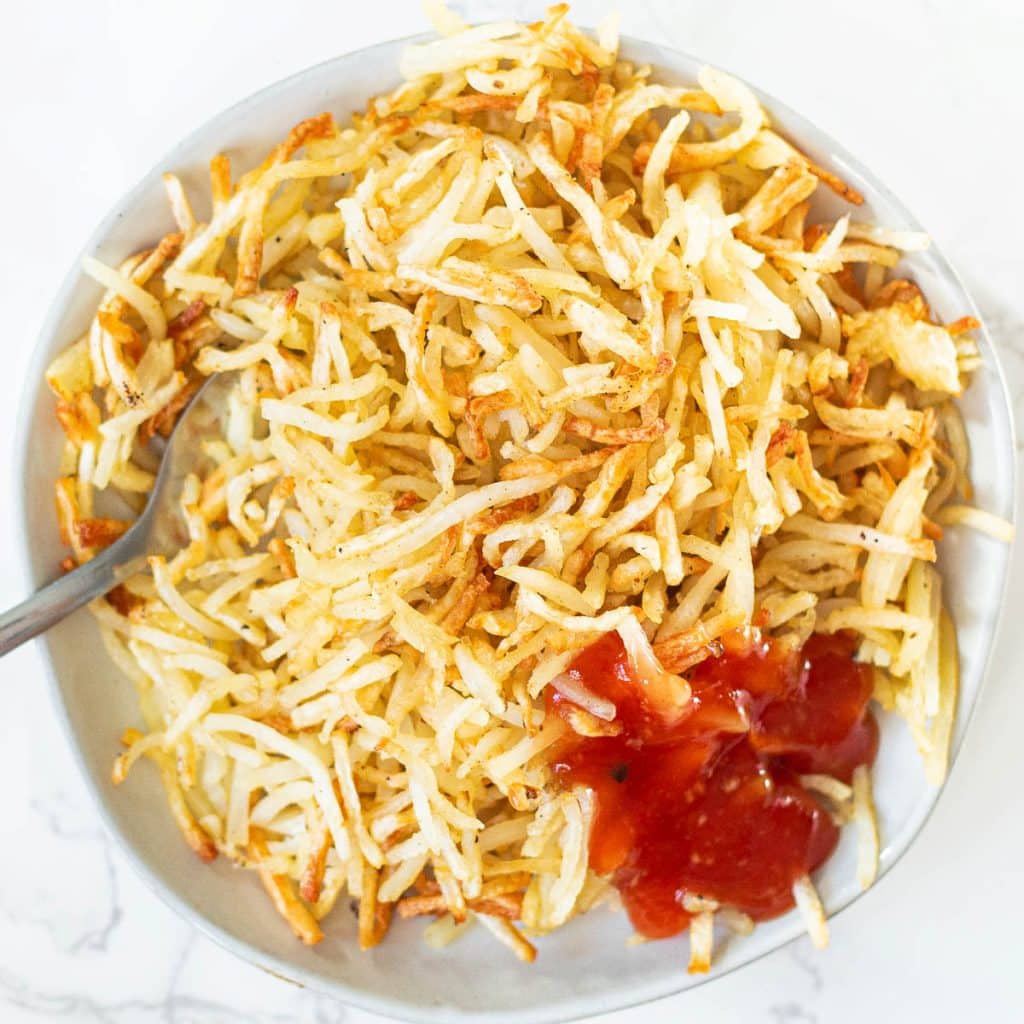
This consistent heat environment ensures that every bite of your crispy hash browns has the same texture. You get the golden-brown exterior associated with diner-style breakfasts, but with far less effort and cleanup. The result is a reliable, crispy texture that holds up well, unlike the uneven results often found in a heavy cast-iron skillet.
Choosing the right frozen hash brown base
The foundation of crispy hash browns lies in the geometry of the frozen potato. You are not just selecting a breakfast item; you are choosing a moisture distribution system. The air fryer relies on rapid air circulation to evaporate surface water, allowing the Maillard reaction to occur. If the internal structure traps steam, the result is soggy rather than golden.
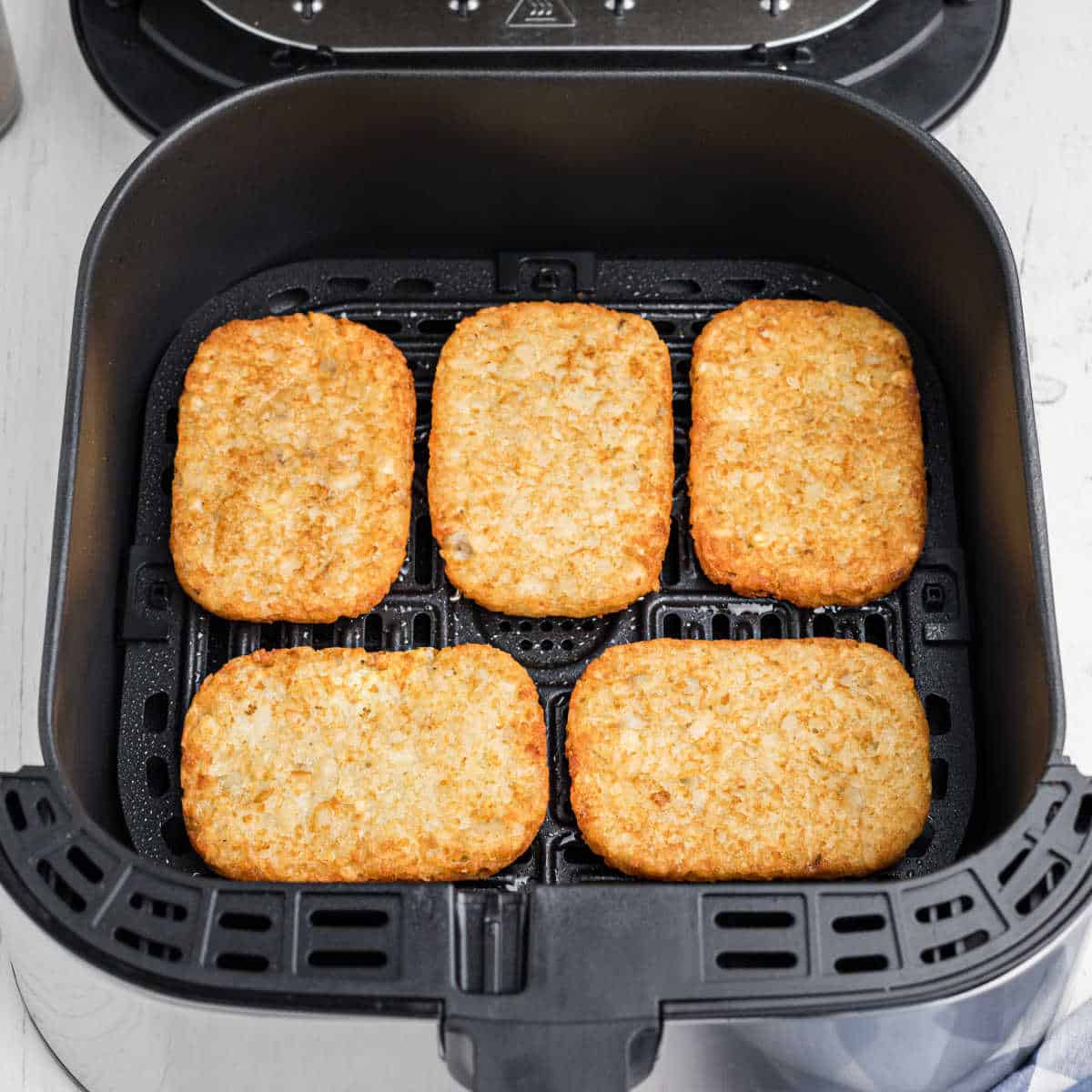
Shredded potatoes offer the highest surface-area-to-volume ratio. This format allows heat to penetrate quickly, drying out the exterior before the interior becomes mushy. Patties provide structural integrity but require longer cook times to ensure the center dries out sufficiently. Home fries, with their chunky cuts, often retain too much internal moisture for the air fryer’s convection speed, leading to a soft exterior and a raw center.
The following comparison breaks down the physics of each format to help you select the best option for your specific texture goals.
| Format | Crispness Potential | Avg. Cook Time | Best Use Case |
|---|---|---|---|
| Shreds | High | 12-15 mins | Maximum crunch and edge-to-edge browning |
| Patties | Medium-High | 15-18 mins | Structural integrity and easy flipping |
| Home Fries | Low-Medium | 18-22 mins | Hearty, rustic breakfast sides |
Prep steps for maximum crunch
The difference between a soggy breakfast and truly crispy hash browns comes down to moisture control and fat distribution. When you place wet potatoes into a hot air fryer, the appliance spends its initial energy evaporating surface water rather than browning the starch. This steaming phase is the enemy of the Maillard reaction, the chemical process that creates those desirable golden-brown crusts and complex flavors. To bypass this bottleneck, you must aggressively remove moisture before the potatoes ever touch the basket.
Dry the potatoes thoroughly
Start by rinsing your shredded potatoes in cold water to remove excess surface starch, which can cause sticking and gummy textures. Once rinsed, transfer the shreds to a clean kitchen towel or several layers of paper towels. Roll them up tightly and twist with significant force. You want to see a pool of water accumulate in the bowl below; if the towel isn’t saturated, the potatoes aren’t dry enough. This step is non-negotiable for achieving that diner-style crunch.
Coat evenly with oil
Fat is the primary conductor of heat in an air fryer. Unlike deep frying, where the food is submerged, air frying relies on hot air circulation. A thin, even coating of oil bridges the gap between the hot air and the potato surface, allowing heat to transfer efficiently and promoting rapid browning. Toss the dried shreds in a bowl with a tablespoon of neutral oil—such as canola, vegetable, or avocado oil—until every strand is lightly glistening. Avoid clumps; uneven coating leads to spots that are burnt and spots that are pale.
Season and preheat
Add your salt and pepper directly to the oiled potatoes. The oil helps the seasoning adhere, ensuring every bite is flavorful. Finally, preheat your air fryer to 400°F (200°C) for three to five minutes. Placing cold potatoes into a cold basket extends the steaming phase. A preheated basket ensures immediate contact with high heat, locking in the crunch from the first second of cooking.
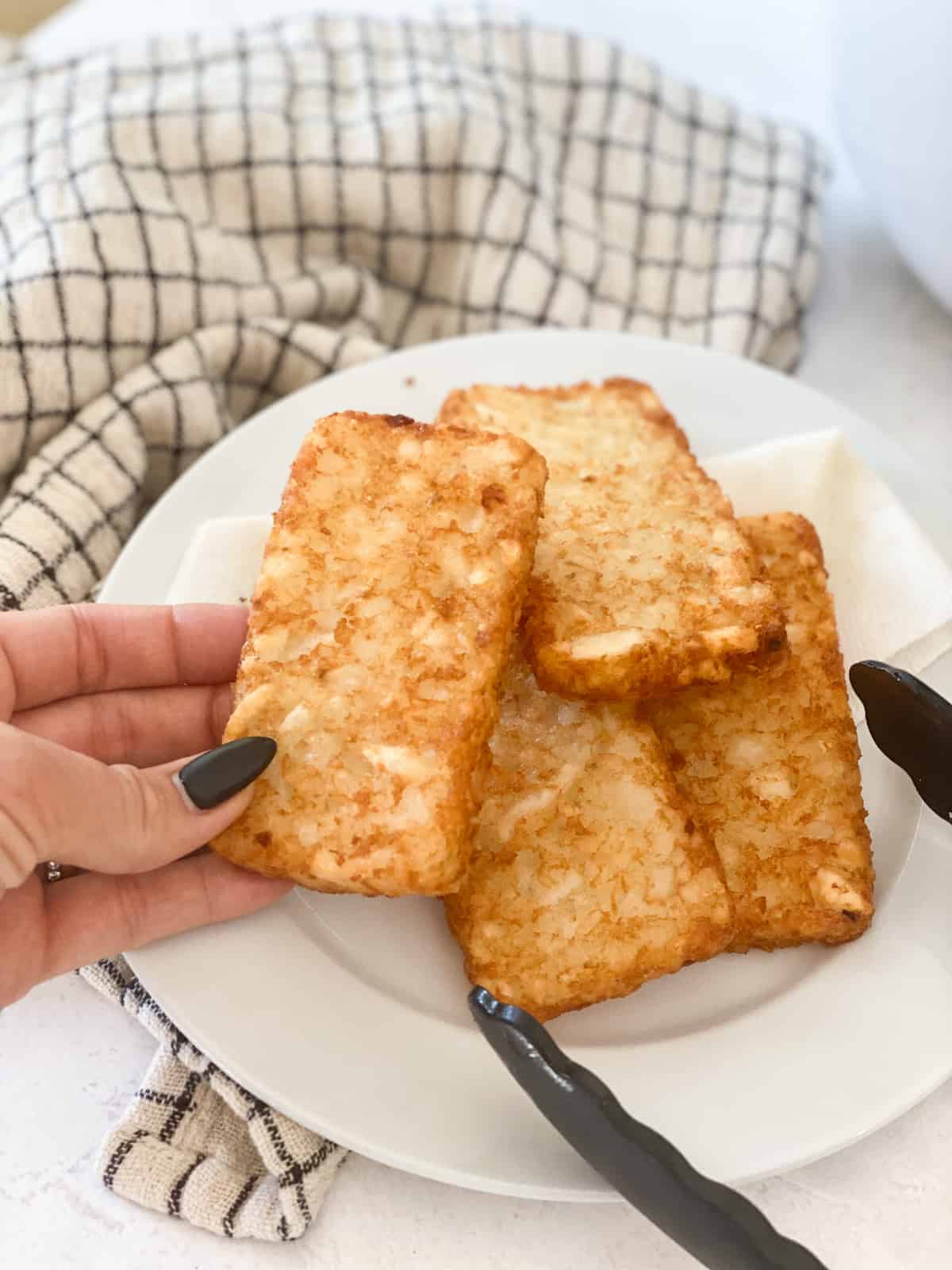
Rinse shreds in cold water to remove starch. Squeeze tightly in a towel until no more water drips out. This prevents steaming.
Toss dried shreds with 1 tbsp neutral oil. Ensure every strand is lightly glistening for efficient heat conduction and browning.
Add salt and pepper. Preheat the air fryer to 400°F for 3-5 minutes to ensure immediate crisping upon contact.
-
Rinse shreds to remove excess starch
-
Squeeze potatoes until completely dry
-
Toss with oil until evenly coated
-
Preheat air fryer to 400°F (200°C)
Spread the potatoes in a thin, even layer in the basket. Crowding the basket traps steam and leads to soggy results. If you are making a large batch, cook in two rounds. The goal is a single layer of hash browns where hot air can circulate freely around every edge.
Cooking time and temperature guide
Achieving crispy hash browns in an air fryer relies on managing two variables: temperature and airflow. The goal is to drive off surface moisture quickly enough to allow the Maillard reaction—the chemical browning that creates flavor and crunch—without burning the exterior before the interior thaws and heats through.
For frozen hash brown patties or tater tots, a high heat setting is non-negotiable. Low temperatures simply dry the potato out, resulting in a leathery texture rather than a crisp one. Shaking the basket is not optional; it ensures that hot air circulates evenly around every piece, preventing the ones on the bottom from steaming in their own released moisture.
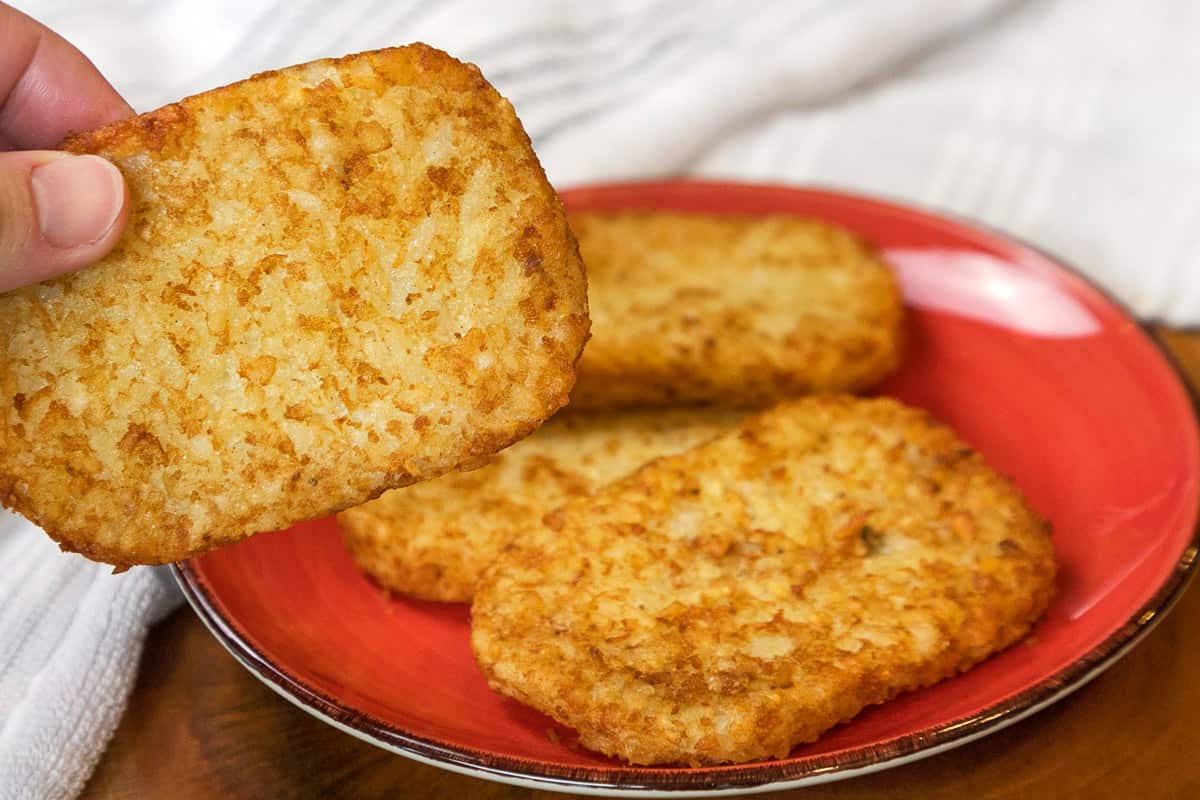
Standard Settings
| Item Type | Temperature | Time | Action |
|---|---|---|---|
| Frozen Patties | 400°F (200°C) | 12–15 mins | Shake at 6 mins |
| Tater Tots | 400°F (200°C) | 10–12 mins | Shake at 5 mins |
| Shredded (Loose) | 375°F (190°C) | 15–18 mins | Flip halfway |
The exact time depends on your air fryer’s wattage and the thickness of the potato cut. Start checking at the lower end of the time range. If they are not golden brown, add one-minute increments. Overcrowding the basket is the most common error; if the pieces touch, they steam instead of crisp. Cook in batches if necessary to maintain that essential airflow.
Why Your Air Fryer Hash Browns Fail
Even with the right temperature, crispy hash browns can turn out soggy, burnt, or stuck. These failures usually stem from three physics-based issues: excess moisture, air circulation blockage, and uneven heat distribution. Understanding the mechanics of crisping helps you diagnose and fix these problems before they ruin your breakfast.
The Moisture Problem
Potatoes are mostly water. If you skip the rinse or don't squeeze them dry, that water turns to steam inside the air fryer. Steam inhibits the Maillard reaction—the chemical process that creates browning and crispness. If your hash browns feel wet to the touch before cooking, they will never crisp up properly.
The Sticking Issue
Air fryer baskets rely on non-stick coatings, but shredded potatoes can still adhere if the surface is dry. Always lightly spray the basket with oil before adding the potatoes. This creates a barrier that allows for easy flipping and prevents the starches from bonding to the metal mesh.
Uneven Cooking
Hot air needs to circulate freely around every shred. If you pile the potatoes too high, the top layer burns while the bottom remains raw. Spread the hash browns in a single, even layer. If you need to cook a larger batch, do it in stages rather than compromising the texture of a single serving.
Frequently asked questions about hash browns
Can celiacs eat air fryer hash browns?
Potatoes are naturally gluten-free, but cross-contamination is the real risk. McDonald’s hash browns, for example, contain wheat flour and are fried in shared oil, making them unsafe for celiacs. When making hash browns at home, ensure your air fryer basket hasn’t recently cooked breaded items, and verify that any added seasoning blends or binders are certified gluten-free.
How do I reheat leftover hash browns without losing crispiness?
Microwaving steams the exterior, turning your crispy hash brown into a soggy puck. Instead, return them to the air fryer at 400°F (200°C) for 2–3 minutes. The rapid air circulation reheats the interior while the Maillard reaction re-crisps the exterior, restoring the texture of freshly shredded potatoes without the need for added oil.
Can I freeze shredded raw potatoes for later?
Freezing raw, shredded potatoes causes ice crystals to rupture cell walls, leading to a mushy texture when cooked. For best results, blanch the shredded potatoes in boiling water for one minute, then immediately shock them in ice water. Pat them completely dry before freezing in portions. This halts enzyme activity and preserves the structural integrity needed for a crisp final product.
No comments yet. Be the first to share your thoughts!