
Why russets make the best hash browns
The secret to diner-style crispiness starts with the potato. Not all potatoes are created equal, and choosing the wrong variety is the most common reason homemade hash browns turn out soggy or gummy. For the best results, you need starchy potatoes, specifically russets.
Russets have thick, rough skins and a high starch content with low moisture. When you shred them, the strands are dry and separate easily. This dryness is crucial because it allows the exterior to crisp up quickly in the pan without steaming itself. Waxy potatoes, like red or Yukon Golds, hold more water and have a waxy texture that resists browning. They tend to clump together and stay soft, which is great for potato salad but disastrous for crispy hash browns.
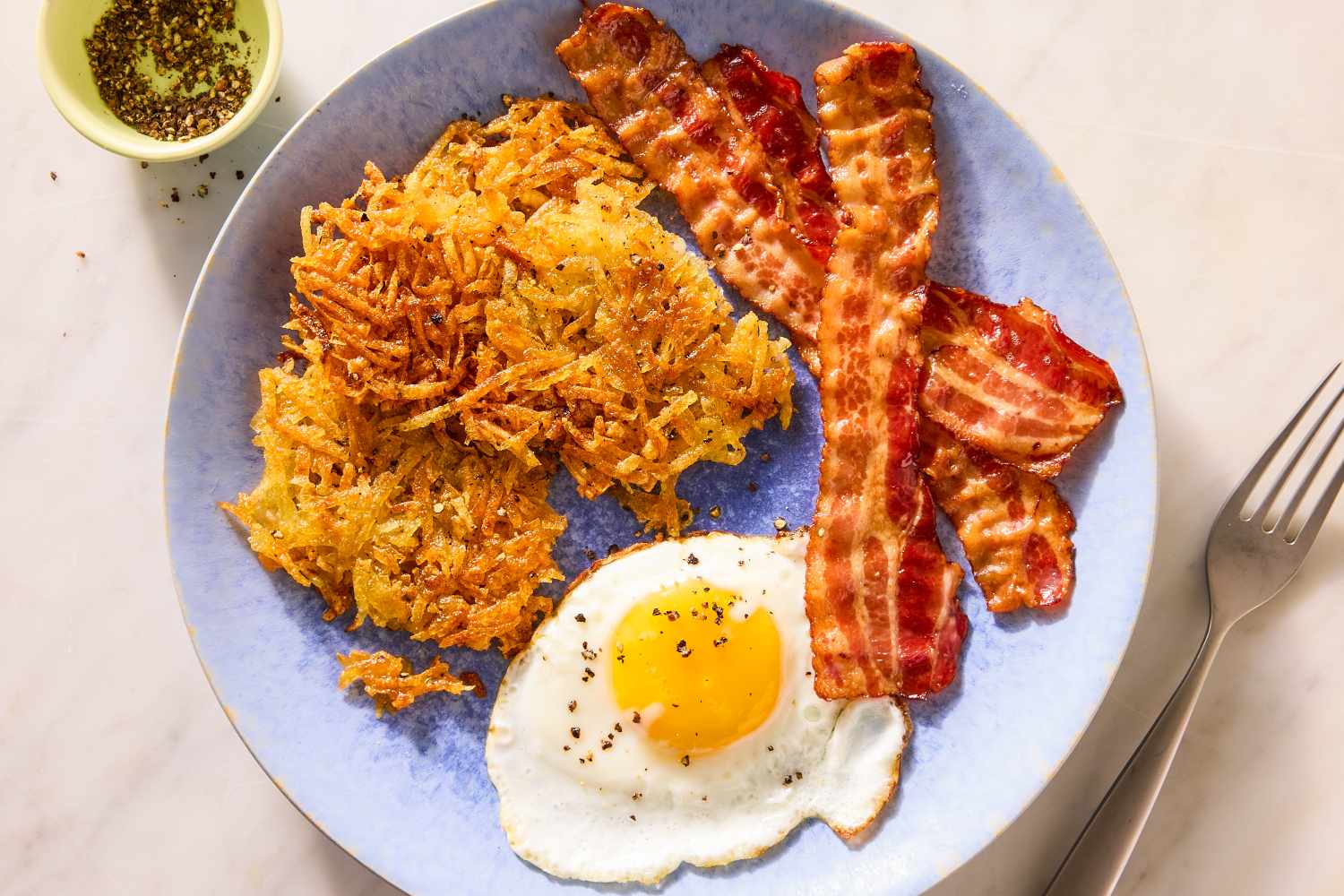
Think of starch as the structural framework for your hash browns. It’s what holds the shape together while the water evaporates, leaving behind a golden, crunchy crust. If you use waxy potatoes, you’re fighting against their natural moisture content, which leads to a steamed effect rather than a fried one. Stick with russets, and you’ll have the perfect foundation for a crispy, golden breakfast.
The secret to crispy skillet hash browns
Achieving that perfect golden crust isn't about luck; it's about chemistry. The two biggest enemies of crispy hash browns are starch and water. Starch makes potatoes gummy and sticky, while water steams them instead of frying them. If you skip these steps, you'll end up with a soft, soggy patty rather than the shatteringly crisp edges you're craving.
The process is simple but requires a bit of patience. We will walk through the soaking, drying, and frying phases to ensure every shred hits the pan ready to crisp up.
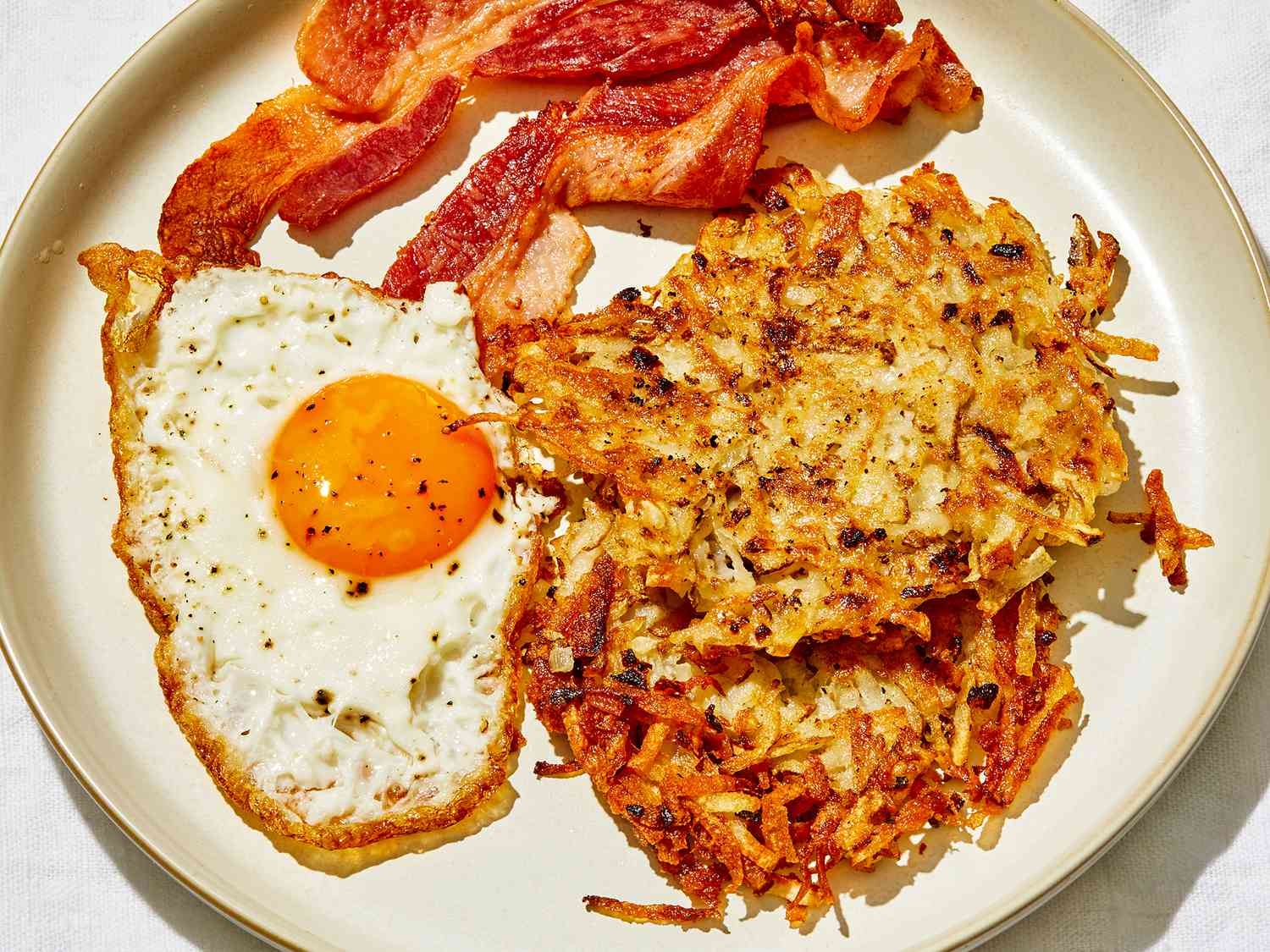
Place your shredded potatoes in a large bowl and cover them completely with cold water. Let them soak for at least 10 to 15 minutes. This step pulls out the excess surface starch, which is what causes potatoes to stick together and turn gummy. You'll notice the water turning cloudy—that's the starch leaving the potato.
Drain the potatoes and rinse them under cold water one more time. Then, transfer them to a clean kitchen towel or several layers of paper towels. Gather the edges and squeeze tightly to wring out every drop of moisture. This is the most critical step for crispiness; if the potatoes are wet, they will steam in the pan. Aim for a dry, loose pile of shreds.
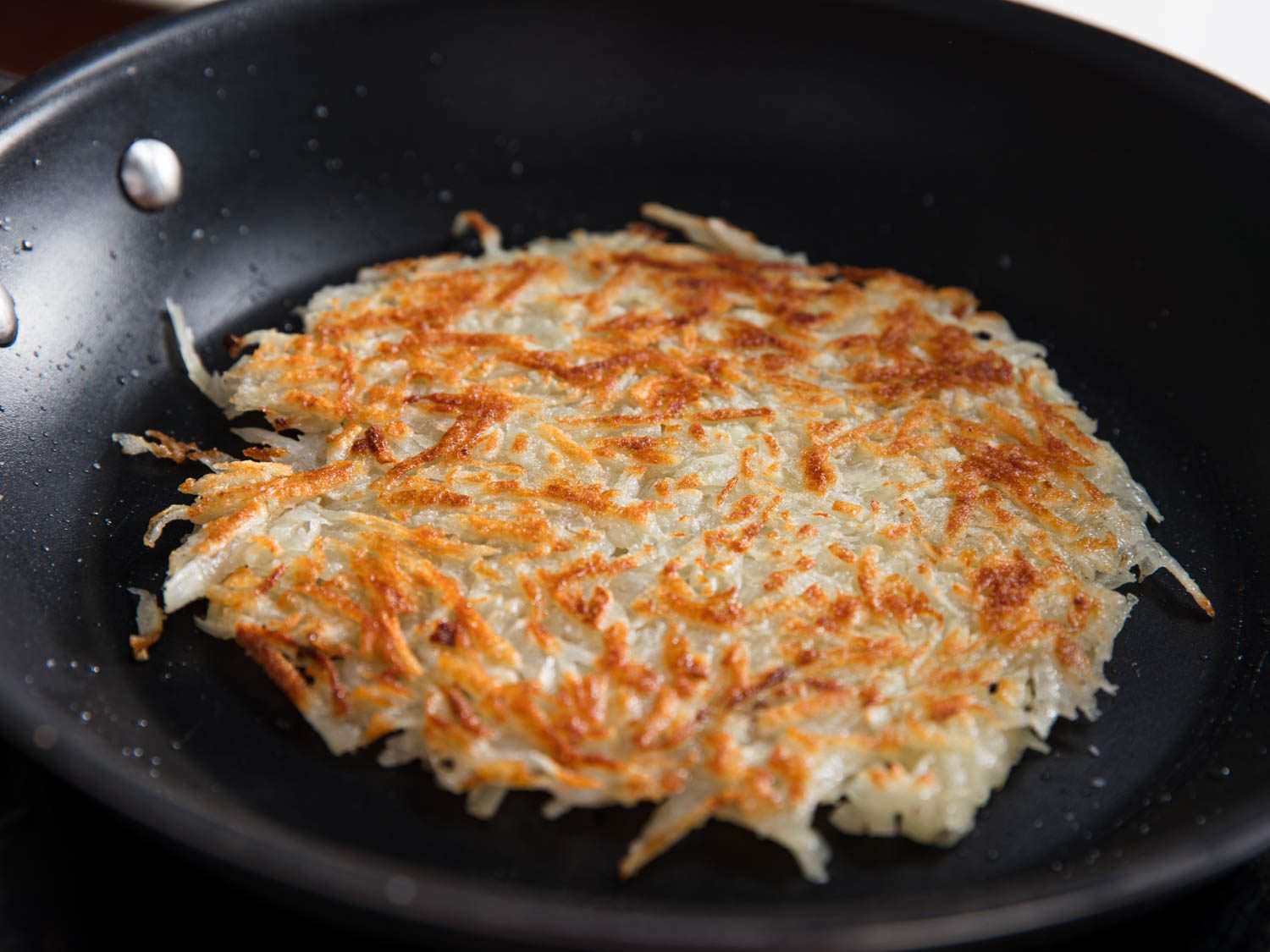
Heat a generous amount of oil or butter in a skillet over medium-high heat. Spread the potatoes in an even layer and press them down gently with a spatula. Do not touch them for the first 5 to 7 minutes. Let the heat work undisturbed to create a solid, golden crust. Moving them too early will break the crust and release moisture back into the pan.
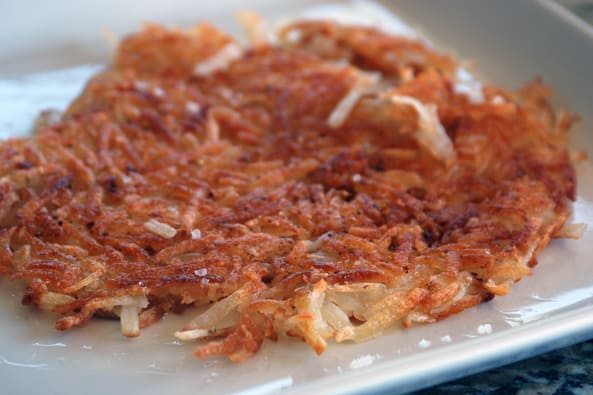
Once the bottom is deep golden brown and releases easily from the pan, flip the hash browns. You can do this in halves or quarters, or flip the whole patty if you're confident. Cook the second side for another 4 to 5 minutes until it matches the first. Serve immediately while hot and crisp.
If you want to see this technique in action, this video from Natasha's Kitchen breaks down the soaking and frying process with clear visuals.
Classic crispy hash brown recipe
The secret to the best hash brown recipe isn't just about frying potatoes; it's about managing moisture. When you soak and rinse shredded russets, you remove the excess starch that causes sogginess and raw spots. This simple step ensures every bite delivers that golden, shattering crunch we crave.
Start by peeling and grating two medium russet potatoes. Submerge them in cold water for at least ten minutes, then drain and squeeze them dry with a clean kitchen towel. Dry potatoes are non-negotiable for crispiness. Mix the dried shreds with half a finely chopped onion, a quarter cup of flour, one egg, salt, and pepper. The flour acts as a binder, while the egg helps hold the structure together without making it heavy.
Heat two tablespoons of oil in a 10-inch skillet over medium-high heat. Add the potato mixture and press it down firmly with a spatula to form a flat, even patty. Cook undisturbed for five to seven minutes until the bottom is deep golden brown. Flip carefully and cook the other side for another five minutes. Serve immediately while they are still hot and crisp.
Hash brown casserole variations
Sometimes you want the comfort of hash browns without the constant flipping and scrubbing of a skillet. A baked hash brown casserole offers a hands-off approach that delivers that same golden, crispy satisfaction. It transforms shredded potatoes into a hearty, cheesy dish that feels like a hug on a plate. This method is perfect for feeding a crowd or simply avoiding the grease splatter of stovetop cooking.
The secret to a great casserole lies in the texture. You still want those crispy edges, even in the oven. Start by squeezing your shredded potatoes dry—this step is non-negotiable for avoiding a soggy mess. Mix them with cream of chicken soup, sour cream, and plenty of cheddar cheese. The moisture from the dairy helps steam the potatoes gently, while the cheese creates a savory crust.
For the signature crunch, top your mixture with buttery crushed crackers or cornflakes. This topping stays crisp while the interior becomes tender and creamy. Bake it until the center is bubbling and the top is deeply golden. It pairs beautifully with bacon or sausage, turning a simple breakfast side into a full brunch centerpiece. It’s the ultimate lazy Sunday morning dish.
Frozen Hash Brown Shortcuts and Tips
Frozen hash browns are the ultimate breakfast shortcut, but they often fall flat when you follow the box instructions to the letter. The difference between a soggy, steamed mess and a golden, crispy crust usually comes down to one thing: moisture control. Whether you are working with shredded hash browns, patties, or tater tots, getting that diner-style crunch requires a few simple adjustments to your routine.
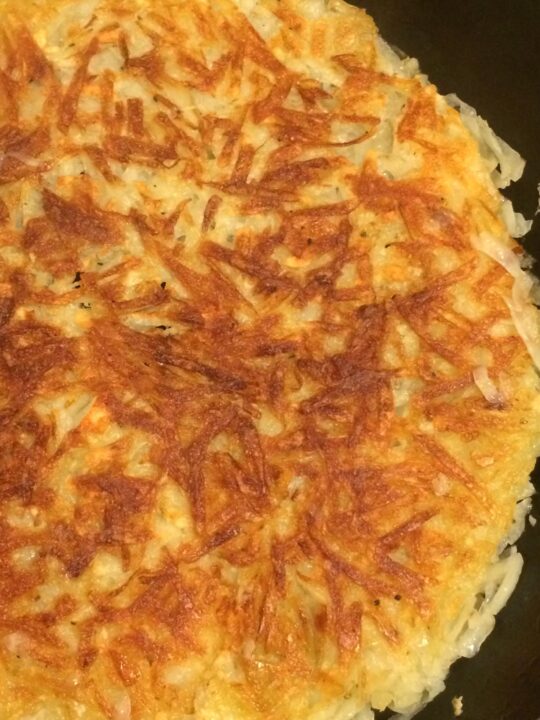
The secret to crispiness is giving the potatoes plenty of space in the pan. Crowding the skillet traps steam, which softens the exterior before it has a chance to brown. Spread your frozen potatoes in a single layer with a little room between each piece. If you are cooking a large batch, do it in two rounds. This simple habit ensures that every bite has that satisfying snap.
-
Spread potatoes in a single layer to avoid steaming
-
Use a generous amount of oil or butter for even browning
-
Let the hash browns cook undisturbed for 3-4 minutes per side
-
Season with salt only after they are crispy to prevent sogginess
No comments yet. Be the first to share your thoughts!