
Pick the right potato type
Choosing the correct potato variety is the single most important decision you will make before you even turn on the stove. The goal is maximum starch content to create that shattering, golden-brown crust. Russet potatoes are the undisputed champion for this task. Their high starch and low moisture content allows them to crisp up efficiently without turning gummy or soggy.
Russets are large, oval-shaped tubers with thick, dark skin and starchy white flesh. When shredded, they release enough starch to act as a natural binder, helping the hash browns hold together while creating a rigid, crunchy exterior. This structure is essential for achieving the diner-style texture that defines a great skillet hash brown.
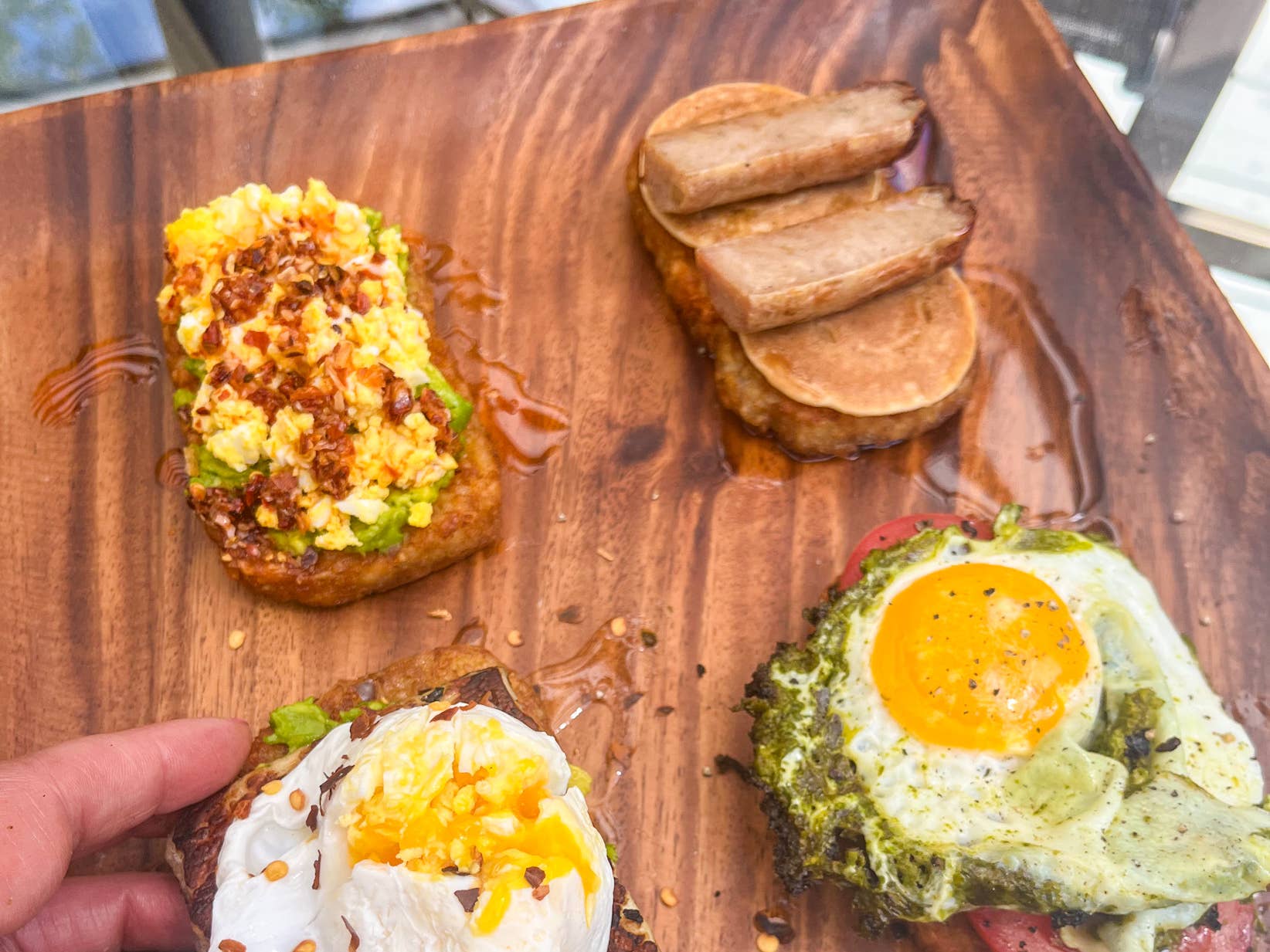
Avoid waxy varieties like Red Bliss or Yukon Golds for traditional hash browns. These potatoes have a higher moisture content and less starch, which means they tend to steam rather than fry in the pan. While Yukon Golds can work in a pinch, they will yield a softer, more tender result that lacks the signature crunch of a proper crispy hash brown. Stick to Russets for the best outcome.
When shopping, look for firm, smooth-skinned Russets free of green spots or sprouts. Green areas contain solanine, a natural toxin that tastes bitter and can be harmful. If you find sprouts, cut them away deeply. Store your potatoes in a cool, dark place to maintain their quality until you are ready to shred them.
Shred and rinse the potatoes
The texture of your hash browns is decided before the skillet ever heats up. To get crispy hash browns, you must remove the surface starch that acts like glue, holding the shreds together and steaming them instead of frying them. This process is mechanical and unforgiving; a single missed step leaves you with a soggy, gummy mess.
Start by peeling your potatoes and shredding them using the medium holes of a box grater or a food processor. You want uniform strands that are long enough to bind but short enough to crisp. Avoid fine graters, which turn potatoes into a wet paste that is impossible to dry properly.
Once shredded, immediately transfer the potatoes to a fine-mesh colander. Rinse them under cold running water while agitating the shreds with your hands. You are washing away the free-floating starch granules. The water will turn cloudy white at first; continue rinsing until the water runs clear and the shreds no longer feel slippery to the touch.
After rinsing, you must remove every drop of water. Squeeze the shreds firmly in your hands or wrap them in a clean kitchen towel and twist until dry. If the potatoes are wet, the oil will steam rather than fry, preventing the Maillard reaction that creates that essential golden crust. Pat them dry one last time on paper towels before proceeding to the pan.
Use the medium holes of a box grater or a food processor. Avoid fine graters, which create a paste that steams instead of crisping.
Agitate the shreds under cold running water. Stop when the water runs clear and the shreds no longer feel slippery. This removes the surface starch that causes sogginess.
Wrap the shreds in a clean kitchen towel and twist firmly, or squeeze them by hand. Any remaining moisture will steam the potatoes in the pan, preventing a golden crust.
Dry the shreds completely
Moisture is the enemy of crispy hash browns. If the potato shreds are wet, they will steam in the skillet instead of frying. Steam creates a soft, soggy crust that collapses the moment you try to flip it. Removing every drop of water is critical for achieving that golden, shattering crunch.
After grating the potatoes, rinse them thoroughly to remove surface starch, then squeeze them dry. Use a clean kitchen towel or a layer of paper towels. Gather the corners and twist tightly over the sink. Keep squeezing until no water drips out. The shreds should feel cool and damp, not wet.
For extra insurance, press the shreds in a potato ricer or a fine-mesh strainer. This mechanical pressure removes water that hands might miss. If you are making a large batch, work in groups. Wet shreds sitting in a bowl will release more water as they sit, so dry them right before they hit the pan.
Fry in butter and oil
The foundation of crispy hash browns lies in the fat. Use a blend of butter and oil to get the best of both worlds: the rich flavor of butter and the high smoke point of oil. Melt two tablespoons of butter with two tablespoons of neutral oil in a large skillet over medium heat. The butter will foam and sizzle, signaling that the pan is ready for the potatoes.
Once the potatoes are spread evenly in the skillet, resist the urge to stir. This is the most critical rule for achieving a golden crust. Let the potatoes cook undisturbed for five to ten minutes. The starches need time to dry out and bond with the hot pan, forming a solid, crunchy layer. If you lift the edge and it releases easily, it is ready to be flipped.
Season the top side with salt and pepper as soon as the potatoes hit the pan. After flipping, reduce the heat to medium-low and cook the second side until it matches the first. The goal is a deep, even brown color on both sides. If the potatoes are browning too quickly, lower the heat slightly to ensure the inside cooks through without burning the exterior.
Melt butter and oil in a skillet over medium heat. Wait for the butter to foam before adding the potatoes.
Spread the potatoes evenly and let them cook for 5-10 minutes without touching. This builds the crispy crust.
Flip once, reduce heat to medium-low, and cook the second side until equally golden and crisp.
Season and serve hot
The seasoning for crispy hash browns is intentionally minimal. Salt is the only essential ingredient, and timing matters. Add it only after the potatoes have formed a deep golden crust. If you salt too early, the salt draws moisture out of the shreds, steaming the edges rather than frying them. A light, even sprinkle of kosher salt right before plating ensures every bite crunches without becoming soggy.
Serve the hash browns immediately while they are still hot and crisp. They lose their texture quickly as they cool, so keep them in a warm oven at 200°F (95°C) if you are cooking multiple batches. Use a wire rack instead of a plate to keep the bottom side from steaming in its own heat.
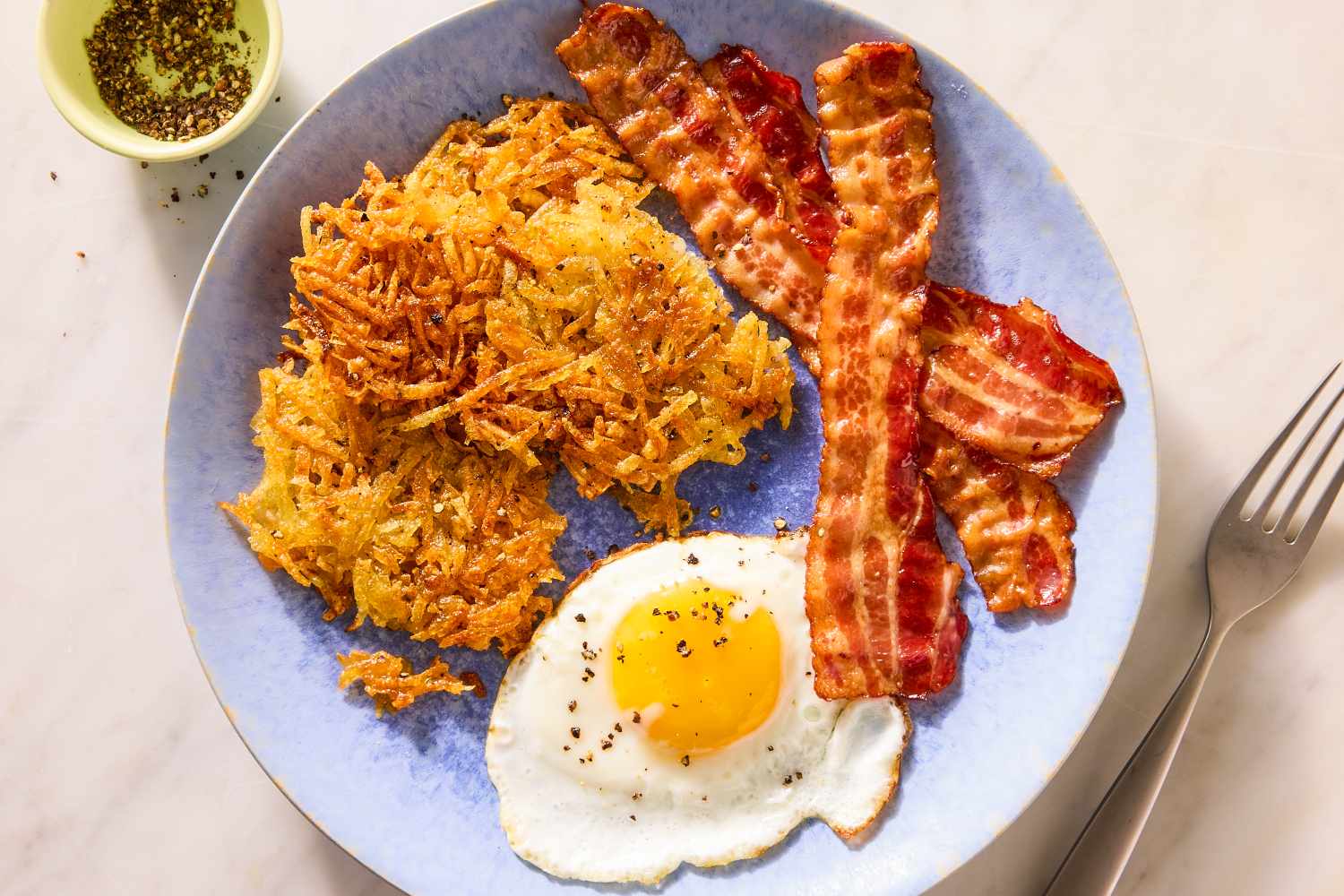
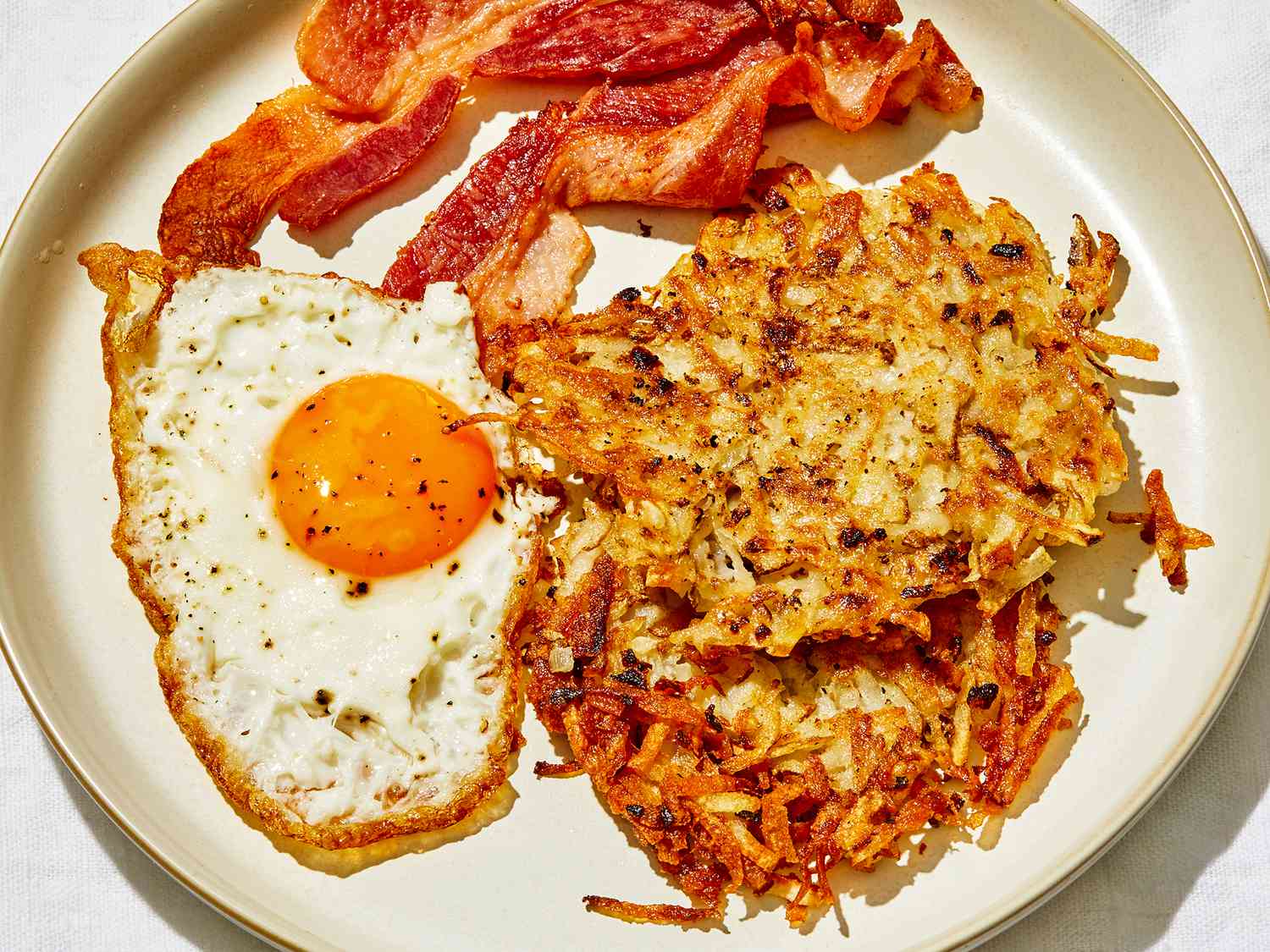
Classic pairings highlight the savory, buttery flavor. They work well alongside eggs, bacon, or sausage. A dollop of sour cream or a sprinkle of fresh chives adds a bright contrast to the rich, fried potatoes. Avoid heavy sauces that might soften the delicate crust you worked to create.
Recipe ingredients and steps
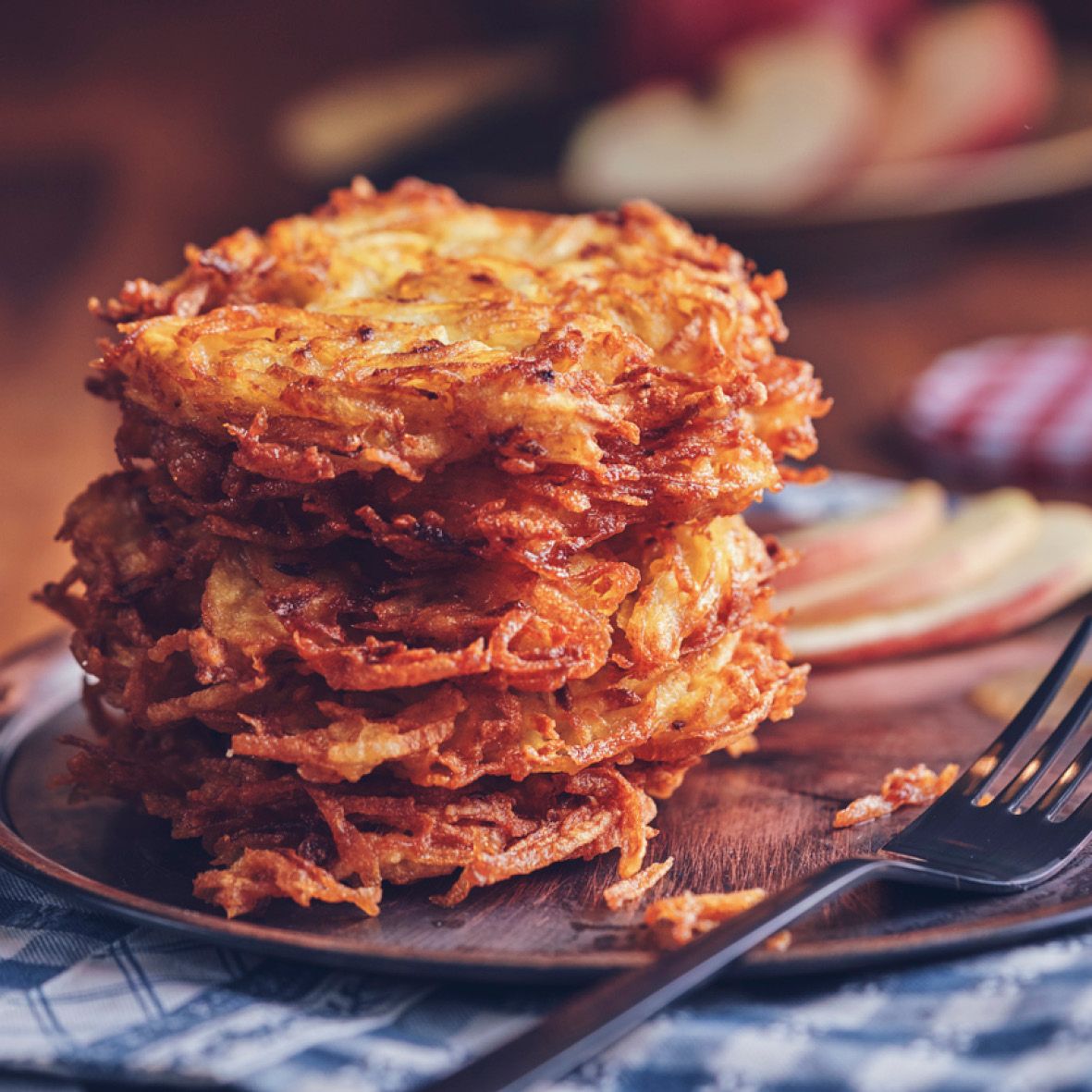
Making crispy hash browns in a skillet relies on a few key variables: potato choice, moisture removal, and consistent heat. Use russet potatoes for their high starch content, which helps form a golden crust. Rinse the shreds thoroughly to remove excess surface starch, then squeeze them dry with a clean kitchen towel. This step is non-negotiable for achieving that diner-style crunch rather than a steamed texture.
Spread the potatoes in a thin, even layer in the pan. A crowded pan steams the potatoes instead of frying them. Let the bottom layer set undisturbed for several minutes before flipping. The goal is a deep golden-brown color on both sides.
Common hash brown mistakes
Even with the right potatoes, small errors during cooking can turn crispy hash browns into a soggy or burnt mess. The most frequent failures usually stem from how you handle the skillet and the potatoes themselves.
Leaving the skillet untouched
Patience is critical for a golden crust. As soon as the shredded potatoes hit the hot oil, they begin to set. If you stir or flip them too early, you break the forming crust and release moisture back into the pan. Let the hash browns cook undisturbed for 5 to 10 minutes on medium heat. This allows the starches to caramelize properly without sticking to the pan.
Overcrowding the pan
Crowding the skillet lowers the oil temperature and traps steam. Steam is the enemy of crispiness; it softens the potato shreds rather than frying them. Cook in batches if necessary. Each layer needs direct contact with the hot metal to brown evenly. If the pan feels cool to the touch after adding potatoes, your heat is too low or the pan is too small.
Burning the exterior
Hash browns burn quickly because of their high sugar content and thin shreds. If the outside turns dark brown before the inside is tender, reduce the heat to medium-low immediately. A common mistake is starting with high heat to "sear" the potatoes, which often results in a charred exterior and raw interior. Medium-low heat ensures even cooking throughout the patty.
-
Dry potatoes thoroughly before cooking
-
Preheat skillet until oil shimmers
-
Do not stir for first 5-10 minutes
-
Reduce heat if browning too fast
No comments yet. Be the first to share your thoughts!