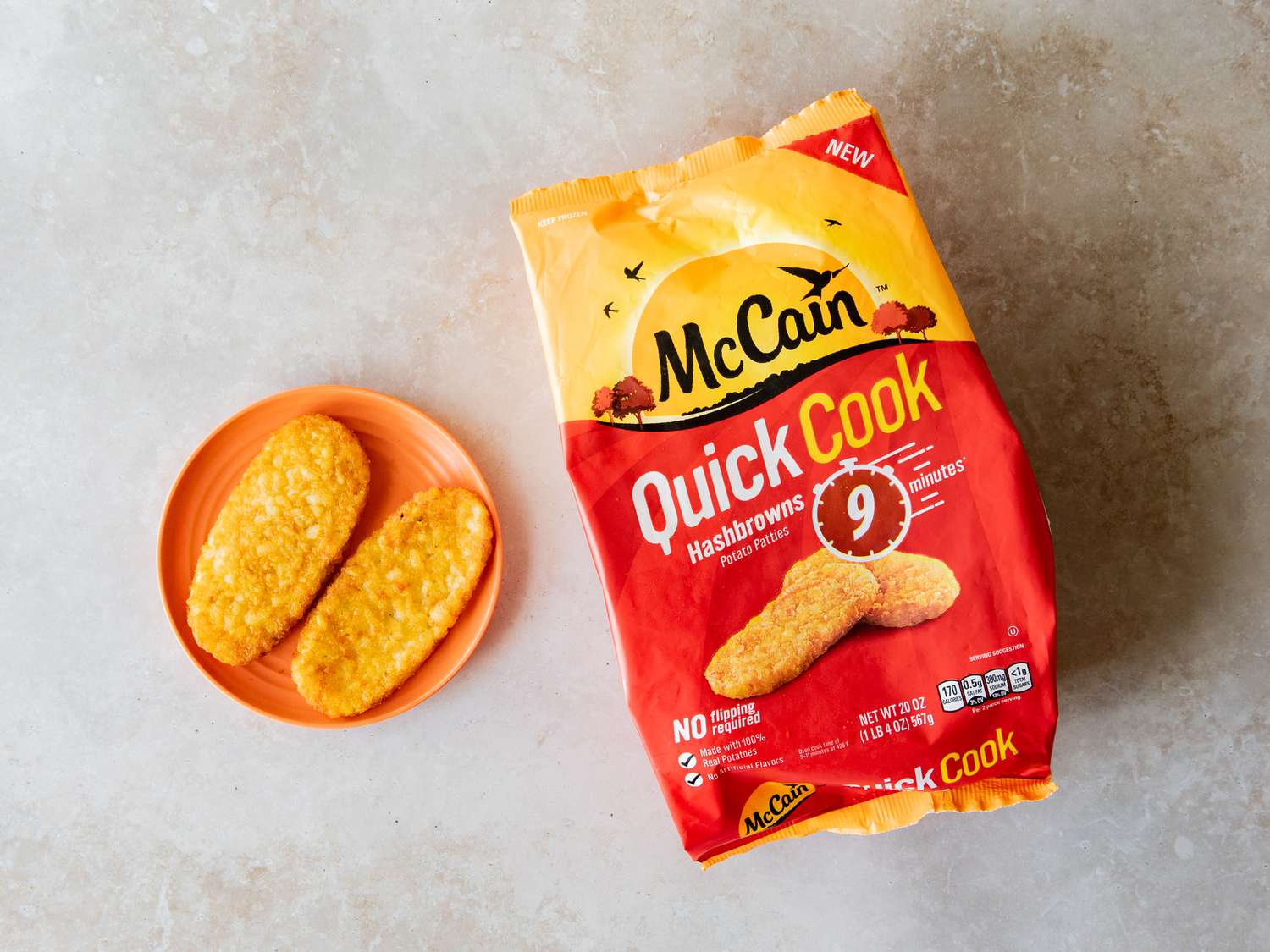

Why frozen hash browns need a boost
Frozen hash browns are convenient, but they come with a hidden enemy: ice. During the freezing process, water inside the potato cells expands and forms microscopic crystals. When you thaw these potatoes in a pan, that ice melts into liquid water. If you drop wet potatoes into hot oil or butter, the water creates steam instead of allowing the surface to brown. This steam keeps the temperature of the potato surface at 212°F (100°C), which is far below the 300°F+ needed for the Maillard reaction—the chemical process that creates that deep, golden crunch.
The result is a soggy, pale mess that steams itself into submission. To get the crispy texture found in diners and breakfast spots, you have to manage that moisture aggressively. Restaurants don't just throw frozen patties on the griddle; they often pre-cook or press their potatoes to remove excess water before applying high heat. For home cooks using frozen shreds or patties, the goal is the same: get the water out before the heat in.
Removing moisture is the single most important step for any frozen hash brown recipe. Whether you squeeze them in a towel, press them in a pan, or bake them first, drying the potatoes is the difference between a steamed side dish and a crispy breakfast staple.
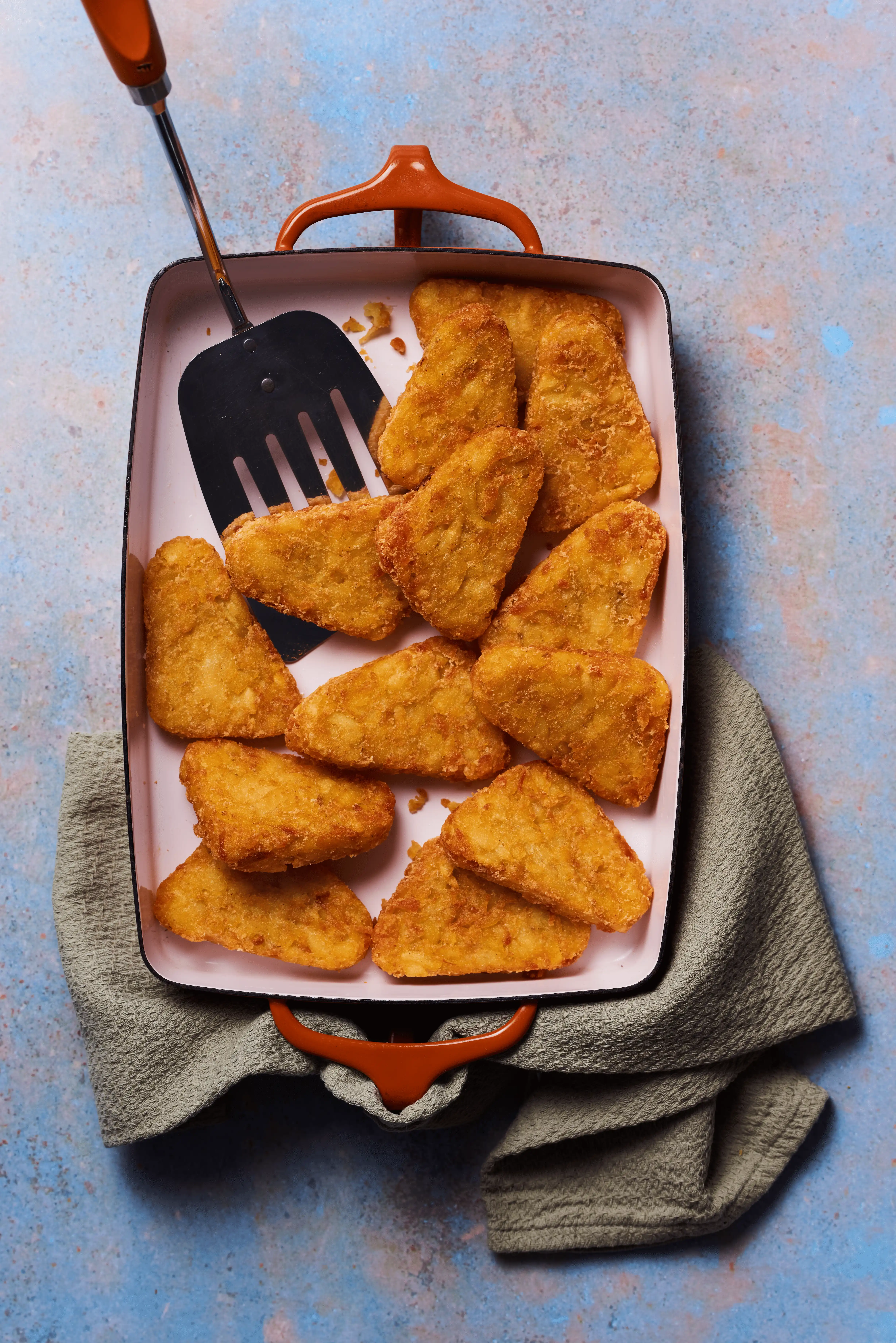
5 Best Hash Brown Recipe Hacks for Crispy Frozen Potatoes
Achieving restaurant-quality crispness from frozen hash browns requires mastering two variables: moisture removal and precise heat management. This guide details five proven techniques to transform soggy leftovers into golden, crunchy perfection, complete with actionable recipe cards for every method.
1. Skillet Sear with Butter and Oil
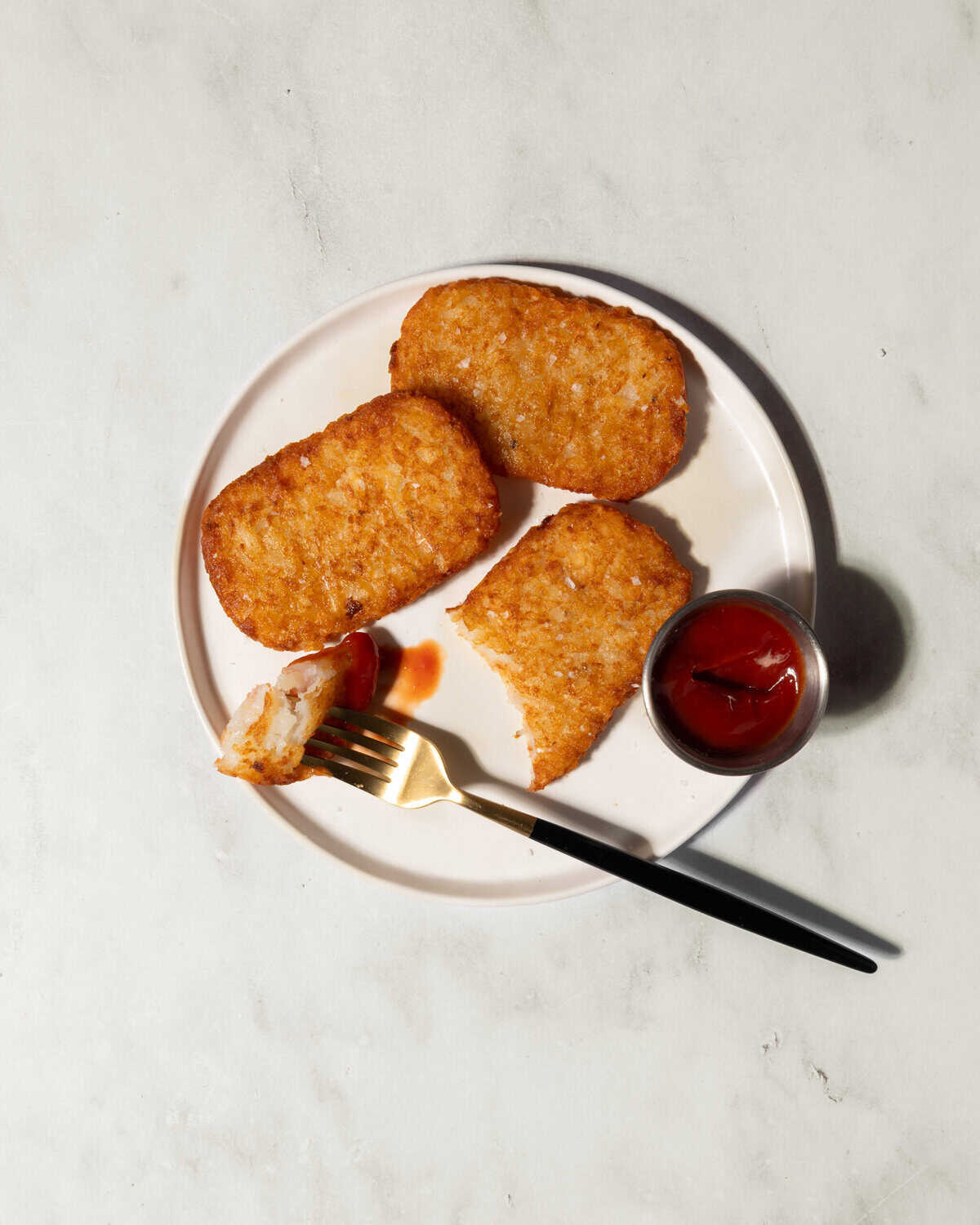
Achieve a golden, shatteringly crisp crust by combining butter for flavor with oil for a higher smoke point. Pat frozen patties thoroughly dry to prevent steaming, then sear them in a heavy cast-iron skillet over medium-high heat without moving them. This technique mimics professional diner standards, creating a perfect Maillard reaction on both sides while keeping the interior fluffy and tender.
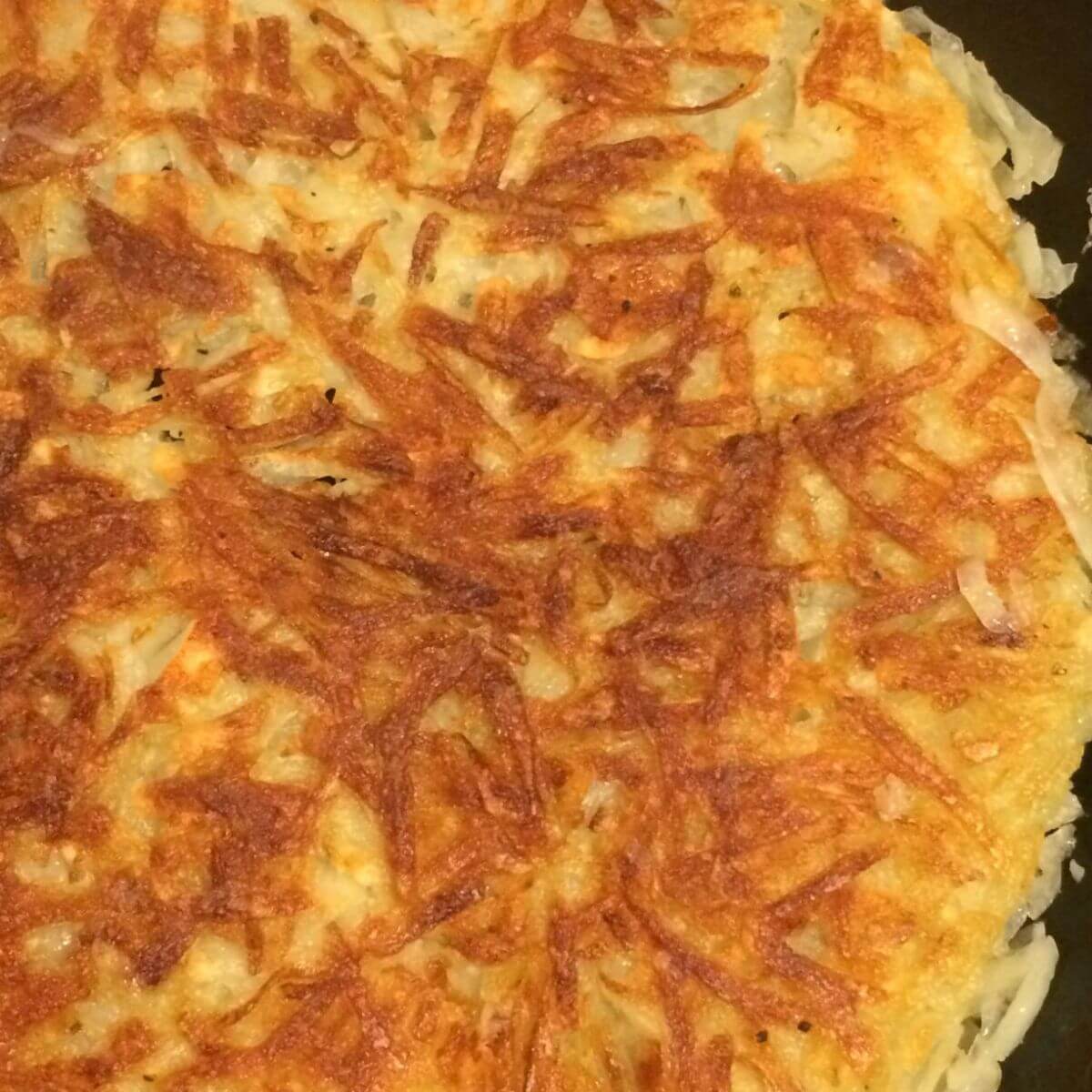

2. Oven-Baked Wedge Crisp Method
Transform frozen potato wedges into a healthier alternative that still delivers substantial crunch. Toss the frozen wedges lightly in oil and spread them in a single layer on a parchment-lined baking sheet. Avoid overcrowding to ensure hot air circulates freely around each piece, allowing moisture to evaporate efficiently. Roast at a high temperature until the edges caramelize and the centers become tender.
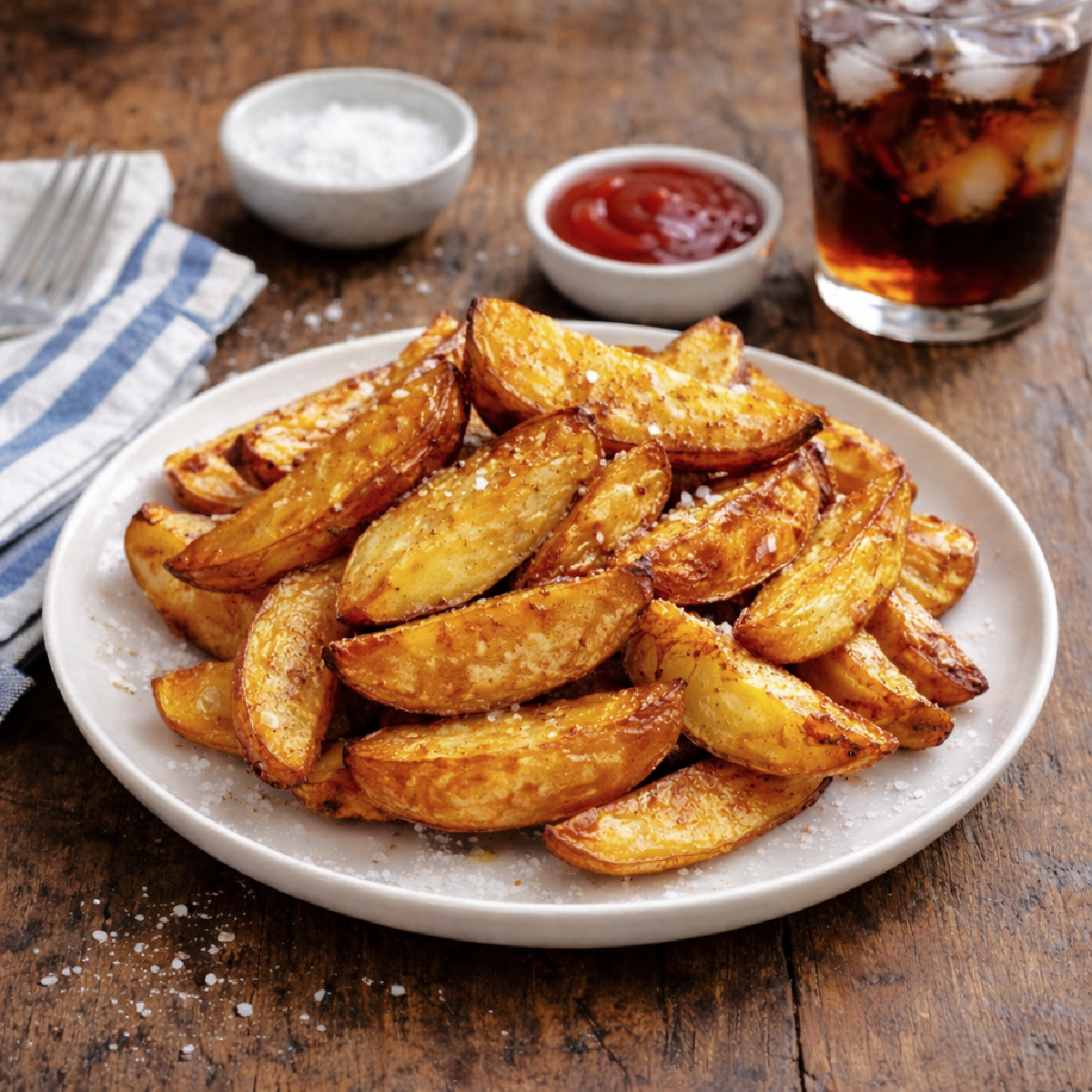
3. Air Fryer Bite-Sized Crunch
The air fryer excels at dehydrating small hash brown bits rapidly, resulting in an intense crunch that rivals deep frying. Use frozen hash brown bites or chop larger patties into uniform pieces for even cooking. A light coating of oil helps conduct heat, while the rapid air circulation removes surface moisture quickly. Shake the basket halfway through to ensure all sides brown evenly without burning.

4. Loaded Breakfast Skillet Mix
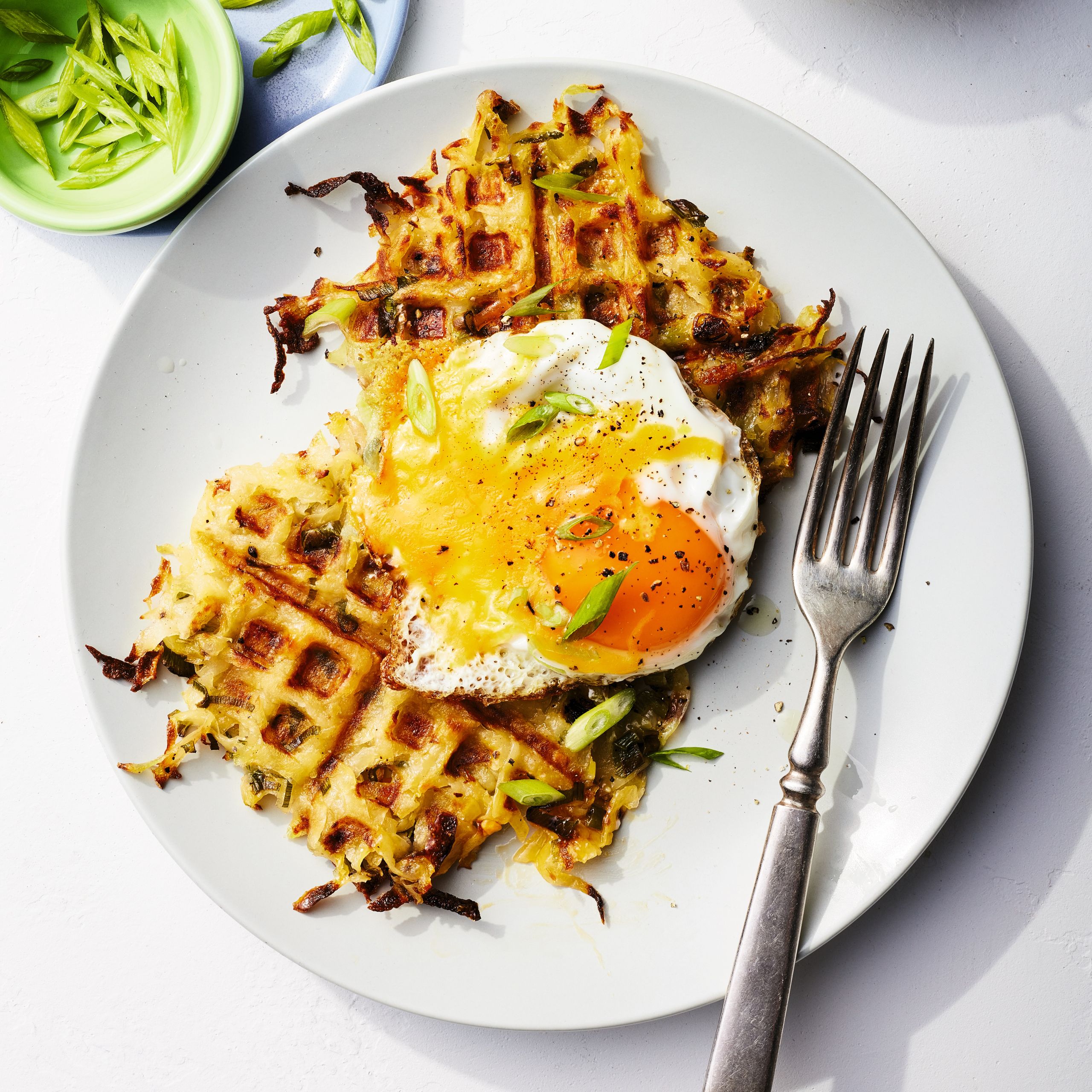
Elevate frozen hash browns by mixing them directly into a savory skillet with eggs, cheese, and meats. Start by crisping the frozen hash browns in the pan first to remove excess moisture before adding other ingredients. This method integrates the potato texture with rich proteins and melted cheese, creating a complete meal that requires minimal plating. The key is maintaining high heat to keep the potatoes crisp despite the added ingredients.

5. Microwave Pre-Cook for Faster Frying
Speed up the stovetop process by briefly microwaving frozen hash browns before frying. This step partially thaws and softens the interior, reducing the time needed in the hot oil or pan. Place the frozen patties on a microwave-safe plate and heat for 60-90 seconds. Pat them dry again if any condensation forms, then proceed to sear them quickly for a crisp exterior without overcooking the center.
Common hash brown mistakes to avoid
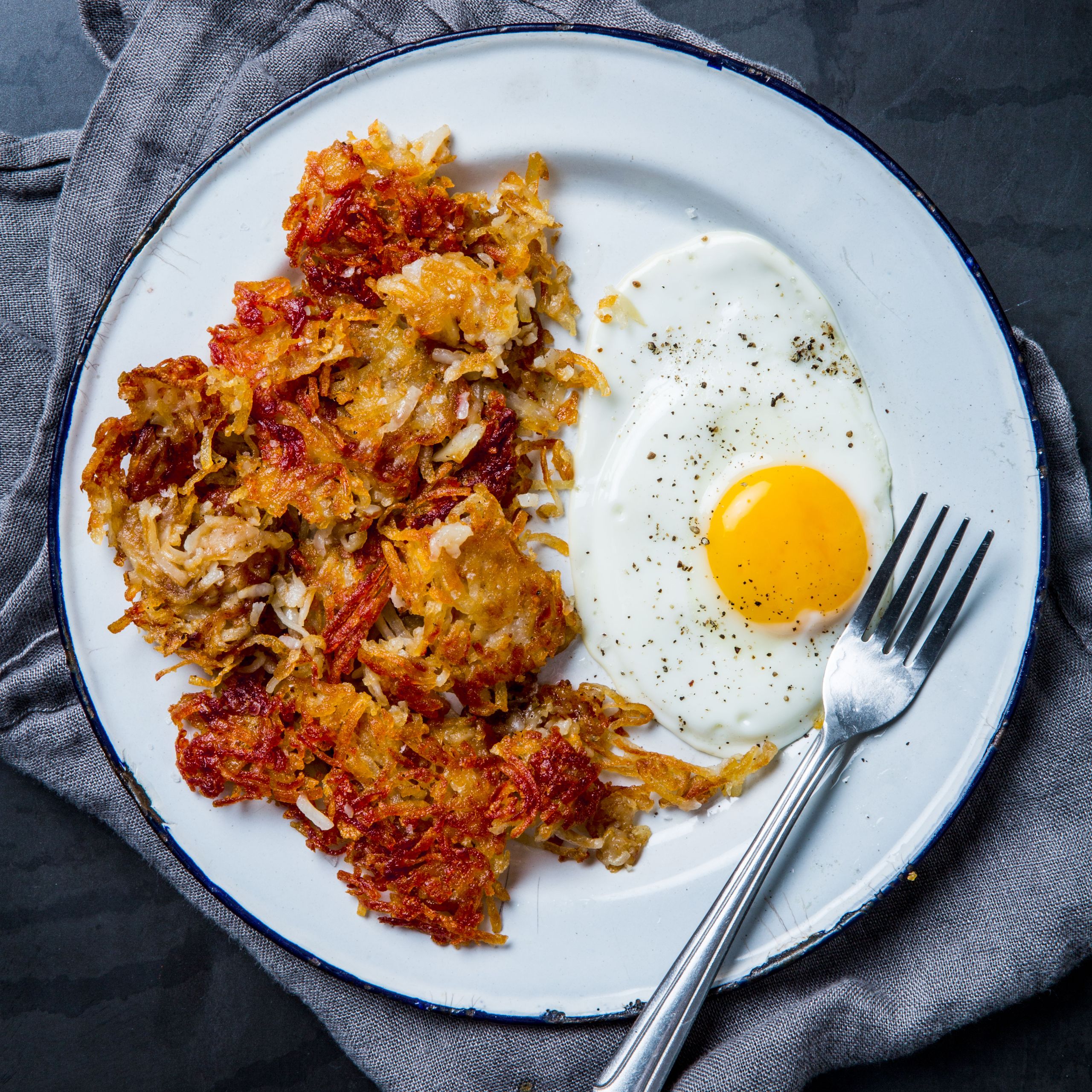
Even with frozen potatoes, technique dictates the final texture. The primary culprit for soggy results is moisture. Frozen hash browns release water as they thaw, and that excess liquid steams the potatoes instead of frying them. Pressing them firmly into the pan helps, but starting with a hot pan is non-negotiable. If the oil isn't hot enough, the potatoes absorb grease rather than crisping up.
Another frequent error is overcrowding. When you pack too many shreds into the skillet, the temperature drops, and the potatoes steam against each other. Cook in batches to ensure every piece gets direct contact with the heat. Finally, resist the urge to move the hash browns too soon. Letting them sit undisturbed for several minutes creates a solid, golden crust that releases easily from the pan.
Frequently asked: what to check next
Why do restaurant hash browns taste so good?
It all comes down to moisture management. Restaurants often use potatoes that have been pre-cooked or processed to remove excess water before they hit the griddle. This technique ensures a crispy exterior without the sogginess that often plagues homemade versions.
What are the most common hash brown mistakes?
The biggest error is flipping too soon or moving the potatoes around in the pan. If the oil isn't hot enough or you disturb the patty before a crust forms, you’ll end up with pale, soggy hash browns instead of golden, crispy ones. Keep them still and let the heat do the work.
Can I use leftover mashed potatoes for hash browns?
While possible, leftover mashed potatoes contain butter and milk, which add moisture and fat that hinder crisping. Freshly grated raw potatoes are superior because you can squeeze out the starch and water, creating a texture much closer to the diner-style crunch you’re looking for.
How do I keep hash browns crispy after cooking?
Place cooked hash browns on a wire rack set over a baking sheet rather than a plate. Stacking them on flat surfaces traps steam, which softens the crust immediately. A wire rack allows air to circulate, keeping the exterior crisp while you finish cooking the rest.
Do I need to soak grated potatoes in water?
Soaking grated potatoes in cold water helps remove surface starch, which can cause sticking and gummy textures. After soaking, rinse them thoroughly and squeeze them dry with a clean kitchen towel. Removing as much water as possible is the single most important step for achieving maximum crispiness.
No comments yet. Be the first to share your thoughts!