
The viral crispy cloud method explained
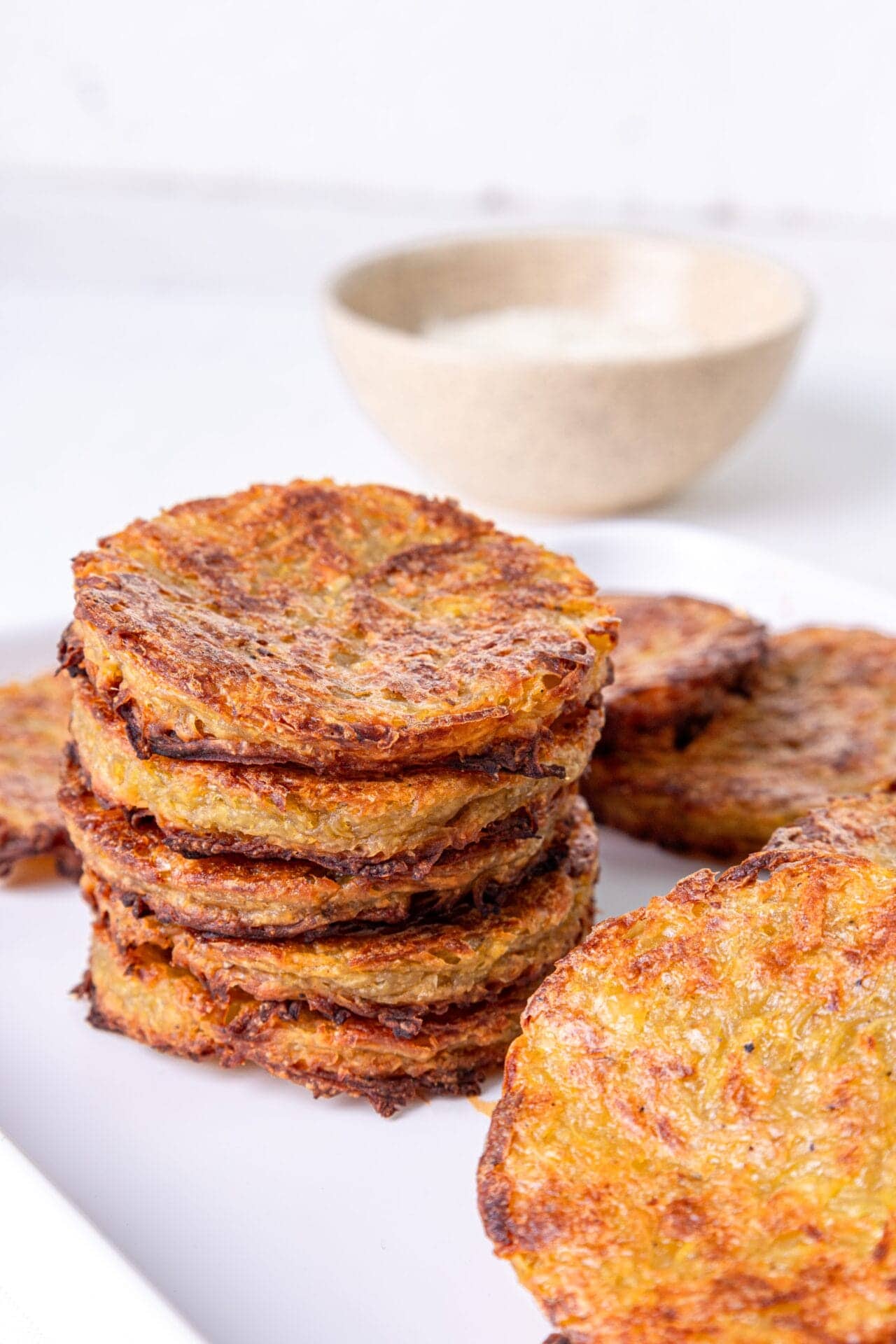
The "crispy cloud" method has taken over social media feeds for good reason: it solves the biggest hurdle in making hash browns without a shredder. By cutting potatoes into fine matchsticks instead of large chunks, you drastically increase the surface area available for browning. More surface area means more contact with the hot pan, which translates directly to that coveted diner-style crunch.
This technique relies on geometry rather than machinery. A standard knife can produce uniform shreds if you slice carefully, creating thin ribbons that crisp up evenly. The goal is to mimic the texture of machine-shredded potatoes, which cook faster and brown more consistently than thick slices.
Spread the potatoes in a thin layer across the pan. This ensures that moisture evaporates quickly rather than steaming the potatoes. A crowded pan leads to soggy results, while a sparse layer allows each strip to develop a golden crust. This simple adjustment is the difference between a soft potato and a crispy hash brown.
Choose the right potato and knife
The texture of your hash browns starts before you ever touch the pan. Selecting the correct potato variety and using the proper knife prevents soggy results and keeps your hands safe. You need a potato that releases starch easily and a blade that can handle the force of cutting through dense tubers without slipping.
Potato selection and knife safety
Not all potatoes behave the same way when shredded. High-starch varieties break down into fine strands that crisp up quickly, while waxy potatoes hold their shape and often turn gummy. A chef’s knife is the standard tool for this job, but its weight and sharpness require respect. Always use a stable cutting board and keep your fingers tucked away from the blade path.
| Type | Starch Level | Hash Brown Result | Best Use |
|---|---|---|---|
| Russet | High | Crispy, golden exterior | Pan-fried hash browns |
| Yukon Gold | Medium | Crispy but tender interior | Mixed texture preferences |
| Red/Waxy | Low | Soft, sometimes gummy | Boiling or salads |
| Chef’s Knife | N/A | Uniform shreds | Manual shredding |
| Paring Knife | N/A | Inconsistent chunks | Small tasks only |
Julienne the potatoes by hand
A food processor or box grater is the standard tool for hash browns, but a sharp chef’s knife gives you better control over the thickness of each matchstick. Uniform cuts are the secret to even cooking; if some strips are thick and others thin, the thin ones will burn before the thick ones soften. This section walks you through the hand-cutting method, treating the potato like a block of wood you are carefully planing down.
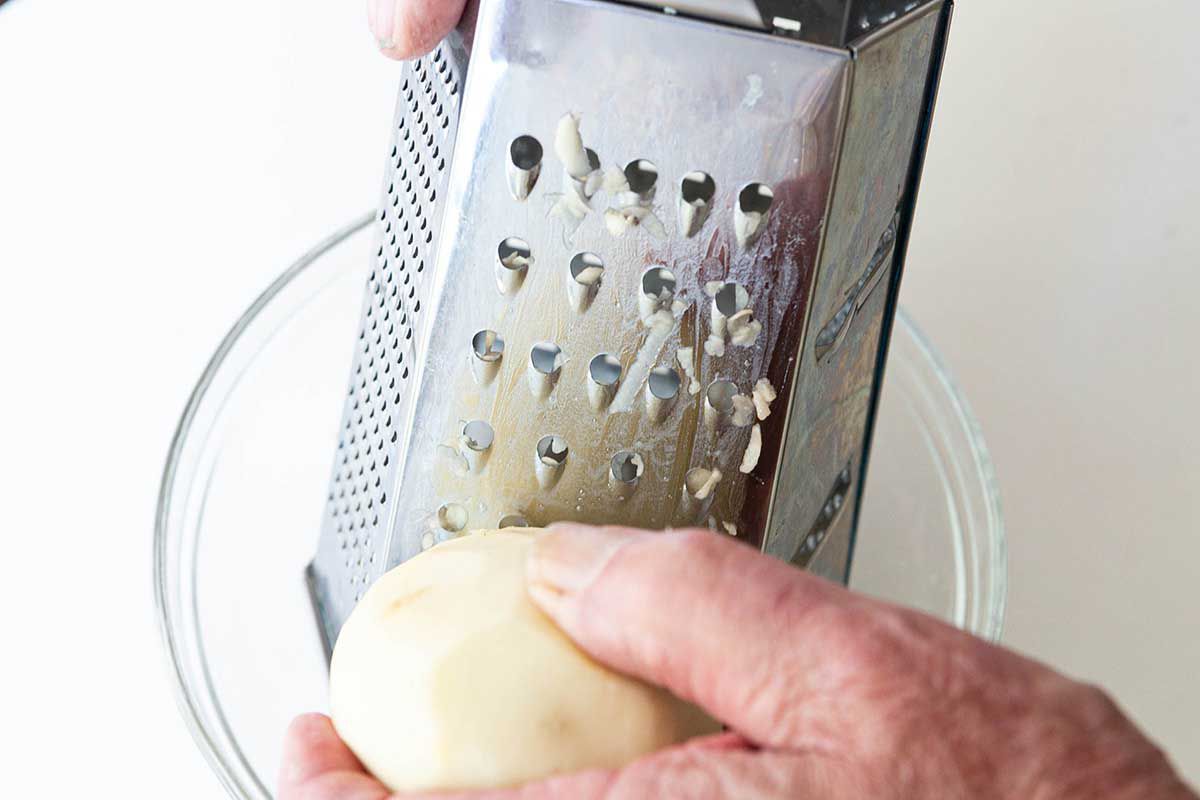
Wash and peel the potatoes, then cut them in half lengthwise. Place one half flat-side down on your cutting board. This creates a stable base, preventing the potato from rolling while you work. Use a sharp chef’s knife to slice the half into planks that are about 1/4-inch thick. Consistency here matters more than precision; slight variations in plank thickness will even out in the next step.
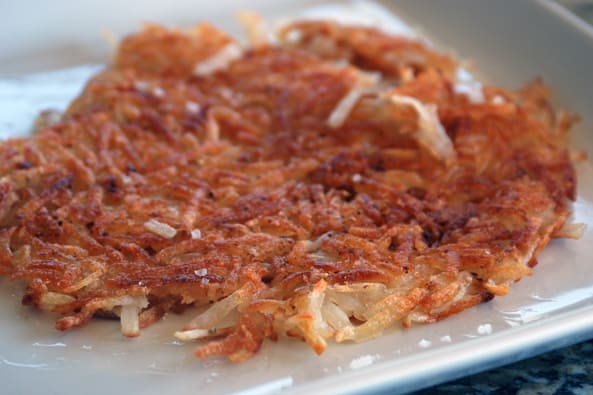
Stack three or four of those planks on top of each other. Cut through the stack lengthwise to create matchsticks. If the potatoes are slippery, slice only one or two planks at a time. Aim for strips that are roughly 1/4-inch thick. This "stack and slice" technique is faster than cutting one plank at a time and ensures your shreds are uniform, which is critical for the crisp texture diner-style hash browns require.
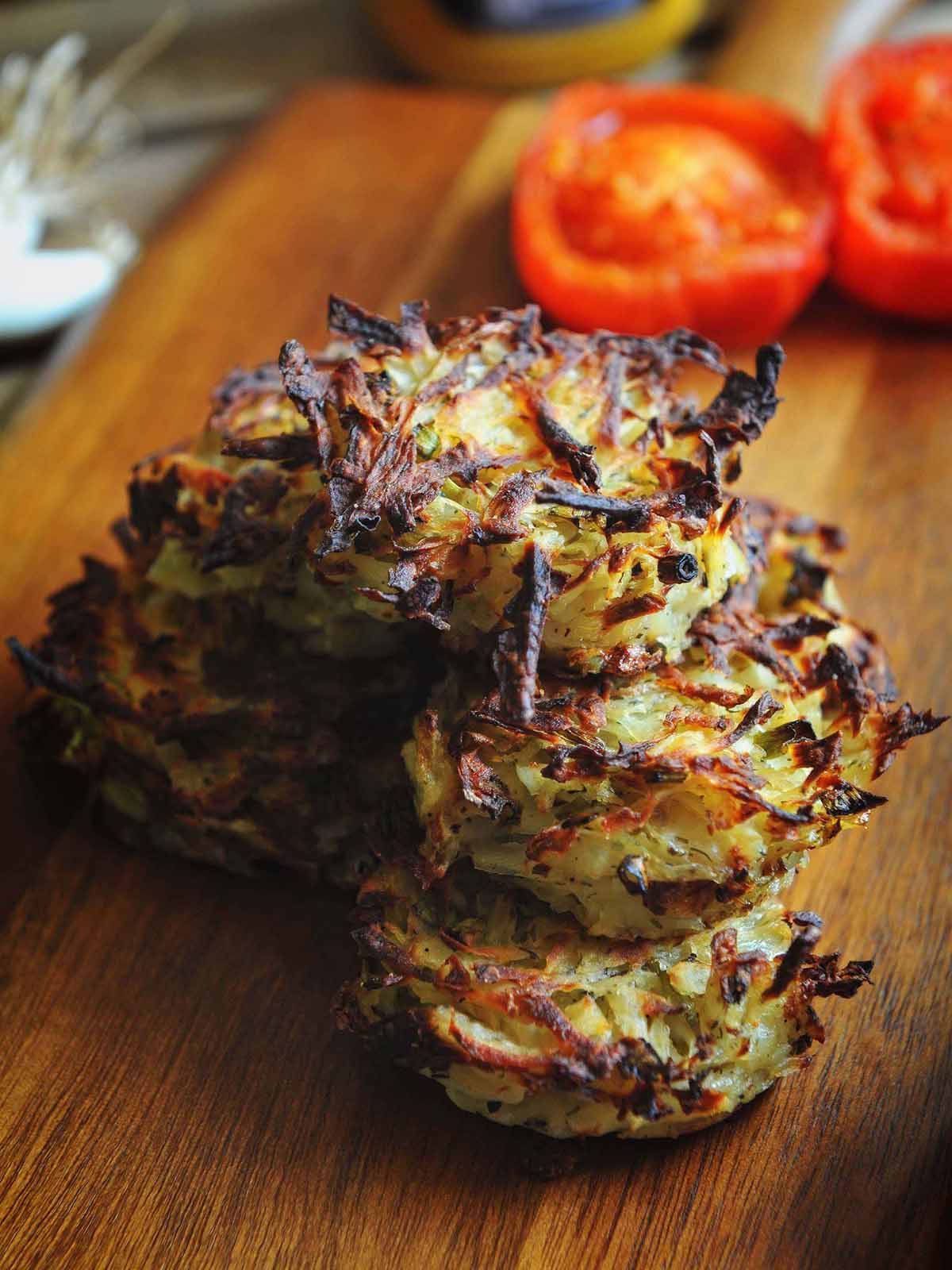
Continue stacking and slicing until all potato halves are converted into matchsticks. Keep your knife sharp; a dull blade will crush the potato cells, releasing more starch and making the shreds gummy rather than crisp. If you have a large batch, work in manageable piles to maintain control and safety. The goal is a bowl full of consistent, slender potato strips, ready for the soaking step.
Rinse and dry for maximum crunch
Starch is the enemy of crispiness. When you shred potatoes, you release surface starch that turns into glue when it hits the pan. This glue traps moisture, causing the potatoes to steam instead of fry. The result is a pale, gummy patty rather than a golden, crunchy crust.
Rinsing the shreds in cold water washes away that excess starch. It sounds like an extra step, but it is the difference between a soggy mess and a restaurant-quality hash brown. After rinsing, you must remove every drop of water. Wet potatoes will splatter violently and cool the oil, preventing the Maillard reaction that creates browning.
To dry them effectively, use a clean kitchen towel or a salad spinner. Lay the rinsed shreds on the towel, roll it up, and press firmly. You can also use your hands to squeeze the shreds in a ball of cheesecloth. The goal is to reach a state where the shreds feel cool and dry to the touch, not slick or cold with water. This preparation ensures the oil stays hot and the potatoes crisp up evenly.
Fry in a heavy skillet
The skillet acts as the engine for your hash browns, and its mass determines how well the crust forms. A heavy cast-iron or stainless steel pan holds heat steadily, preventing the temperature from dropping when the cold potatoes hit the surface. If you use a thin pan, the heat escapes too quickly, leaving you with steamed, soggy potatoes instead of crispy ones.
Choose an oil with a high smoke point, such as vegetable, canola, or clarified butter. Spread it evenly across the bottom of the pan over medium-high heat. Once the oil shimmers, add your shredded potatoes. Press them down firmly with a spatula to create a compact, even layer. This density is essential; loose shreds will fry individually and burn before they bond into a cohesive cake.
The no-touch rule
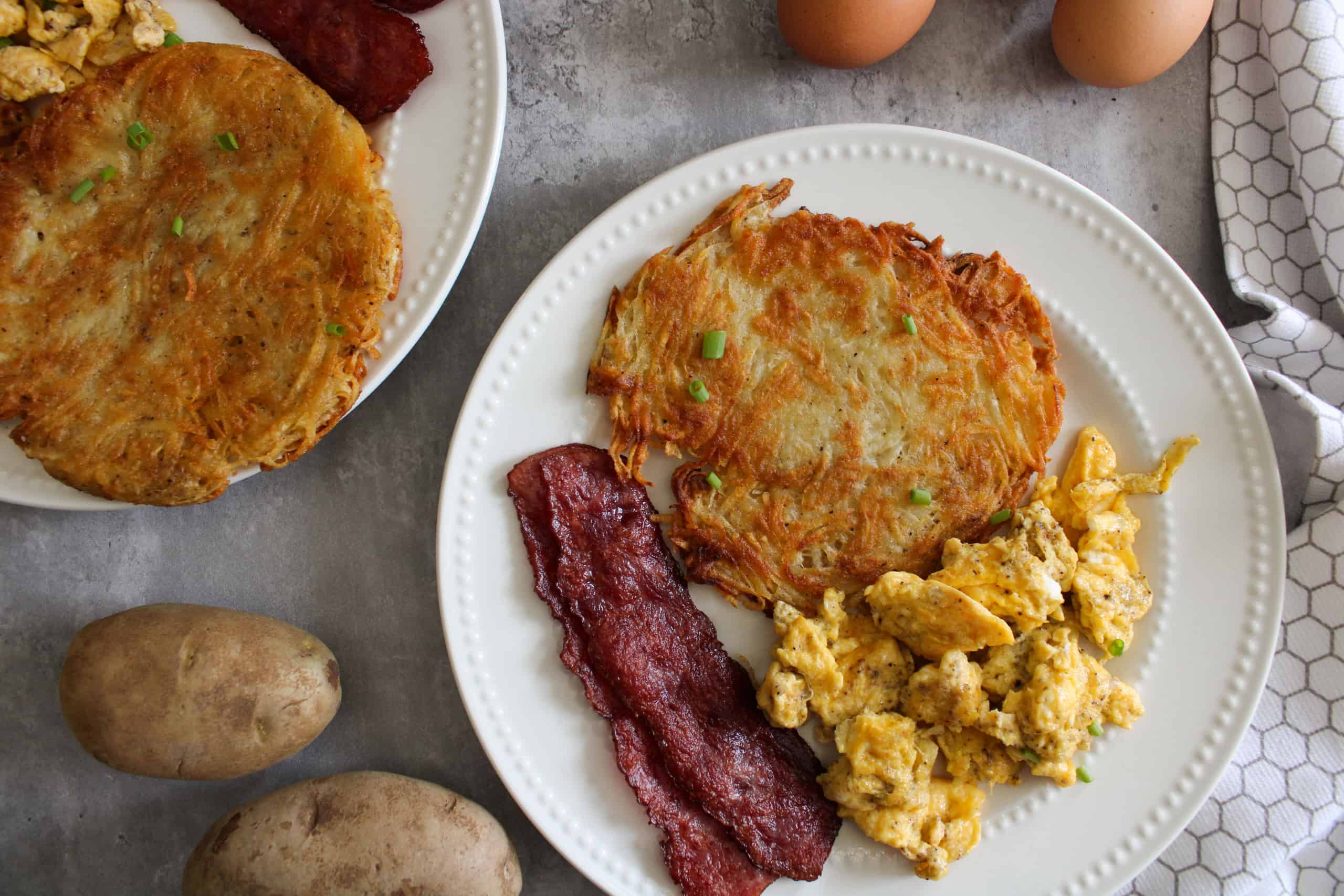
Once the potatoes are in the pan, sprinkle them with salt and pepper, then immediately reduce the heat to medium-low. This is the most critical phase: do not disturb the hash browns for at least 10 to 15 minutes. The crust needs time to dehydrate and caramelize. If you peek or try to flip too early, the bottom will tear apart, and you will lose the golden crunch you are trying to build.
Wait until the edges look deeply golden and the bottom releases easily from the pan. Only then should you flip the hash browns, either in sections or as one large cake, to crisp the second side for another 5 to 10 minutes. Patience here is the only shortcut to restaurant-quality texture.
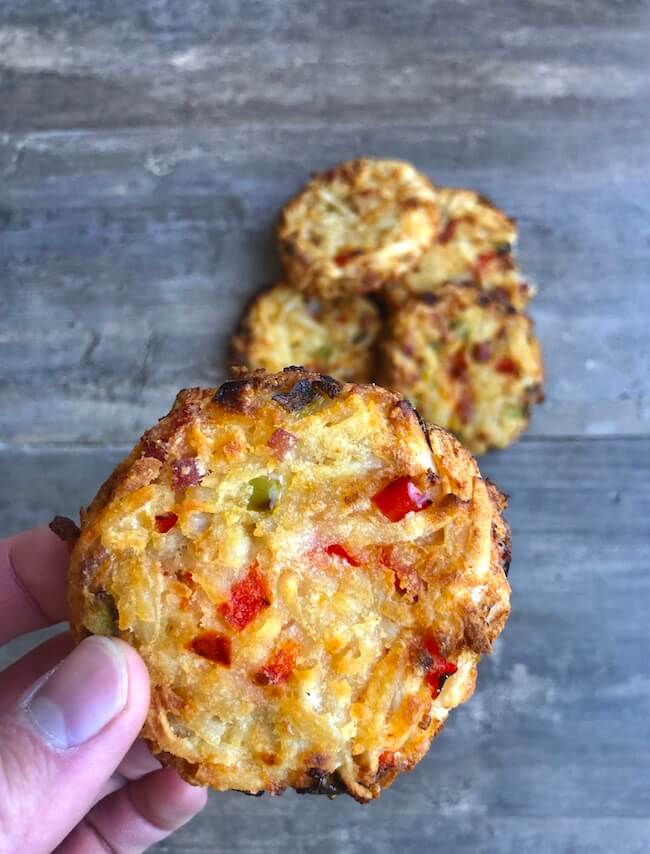
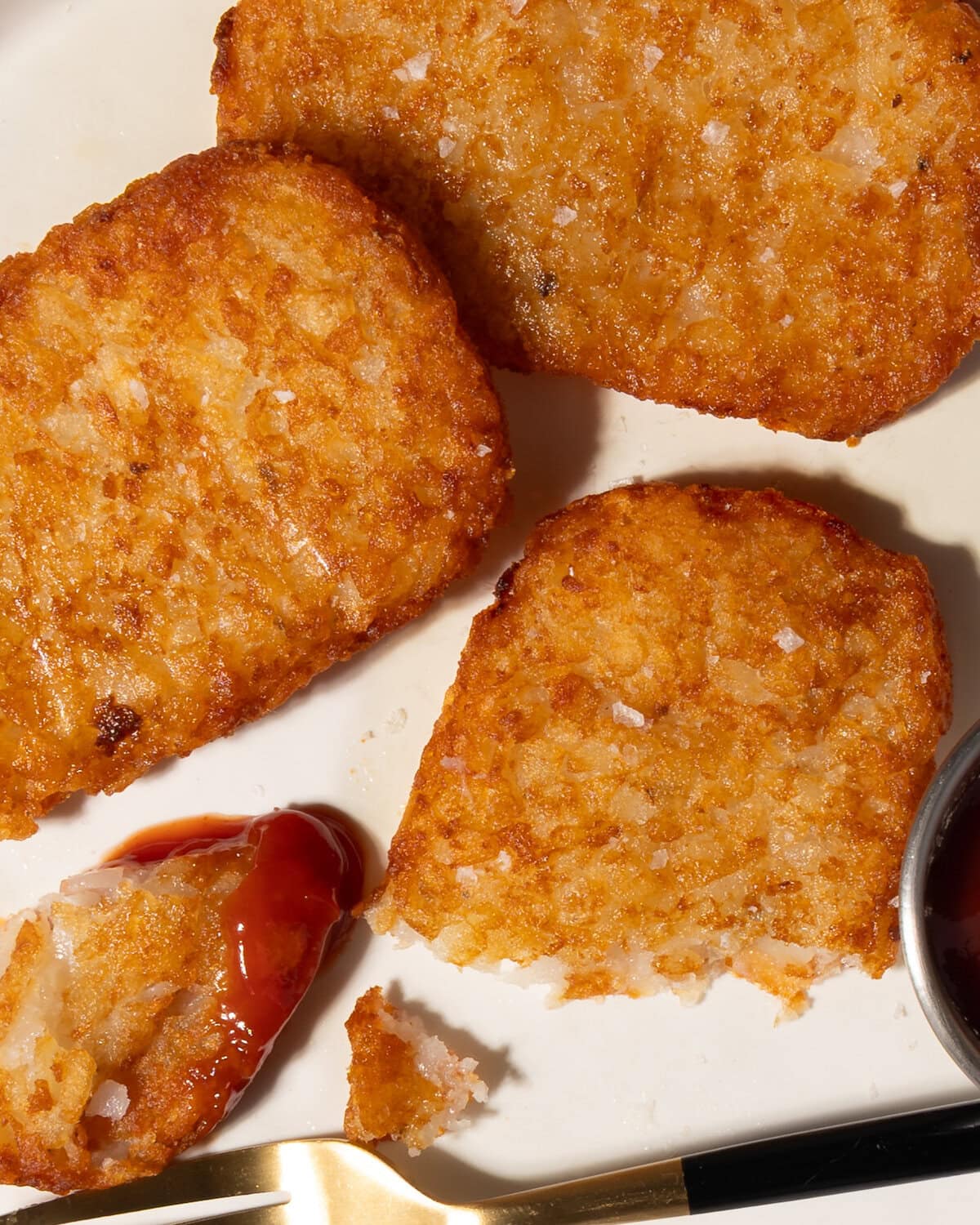

Common Mistakes That Ruin Crispiness
Even with the right tools, small errors in technique can turn crispy hash browns into soggy messes. The difference between a diner-style golden crust and a steamed potato pancake often comes down to three specific factors: potato variety, pan space, and patience.
Using the Wrong Potato
Not all potatoes are created equal when it comes to crispiness. High-starch varieties like Russets have less moisture and more surface area for starch to gelatinize and crisp up. Low-starch waxy potatoes hold too much water, leading to a soft, dense texture that never truly crisps. If your hash browns feel rubbery or chewy, the potato choice was likely the culprit.
Overcrowding the Pan
Spreading the potatoes in a thin, even layer is essential for proper browning. When you pile too much shredded potato into the skillet, the moisture released during cooking gets trapped instead of evaporating. This creates a steaming effect that prevents the Maillard reaction—the chemical process responsible for that golden-brown crust and deep flavor. Cook in batches if necessary; a single layer ensures every strand gets direct heat.
Moving the Potatoes Too Early
Patience is the most difficult ingredient to master. Many cooks flip or stir their hash browns before the bottom has fully set, breaking the crust and scattering the pieces. Let the potatoes cook undisturbed for several minutes until a firm, golden crust forms. When you gently lift an edge with a spatula, it should release cleanly from the pan. Only then is it ready to be flipped.
Essential tools for crispy hash browns
You do not need a shredder to get the right texture, but you do need a sharp knife and a pan that holds heat. A well-seasoned cast iron skillet is the standard for this method because it distributes heat evenly and helps form a consistent crust. If you prefer non-stick, use a heavy-bottomed version to prevent hot spots that burn the potatoes before they crisp.
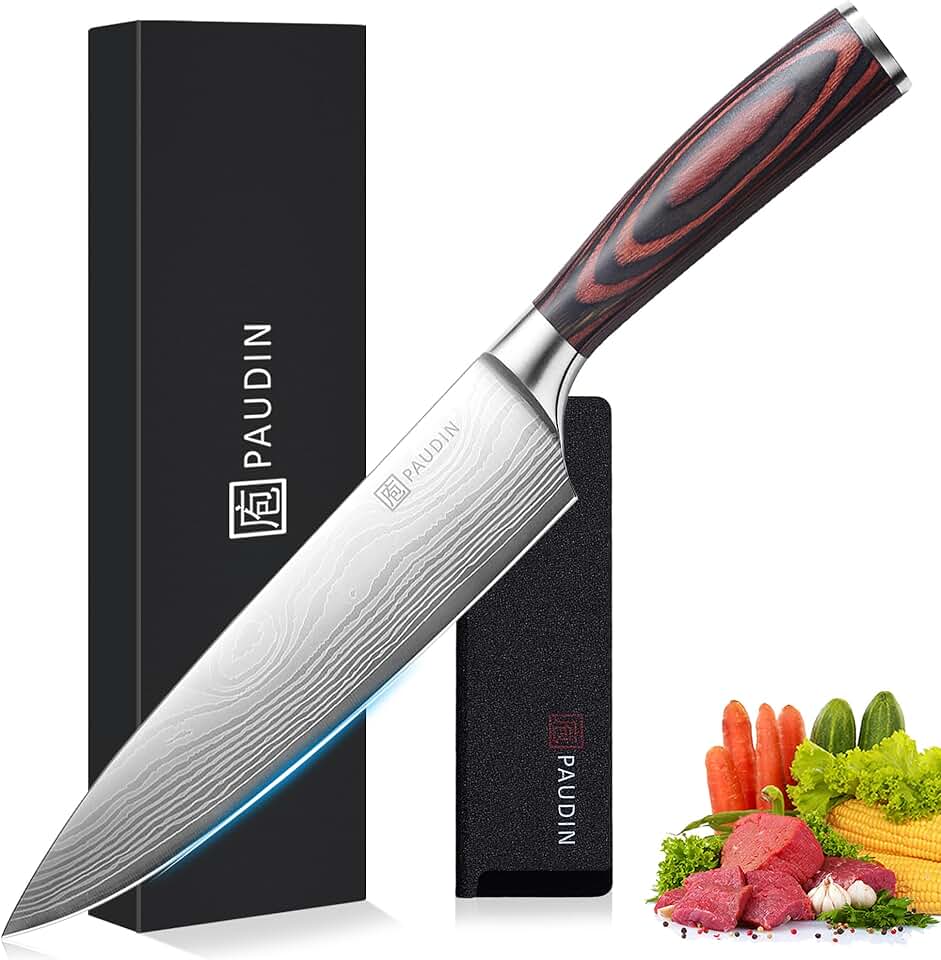
The blade you choose dictates how fast you can prep. A large chef’s knife or a sturdy Santoku works best for slicing potatoes into uniform strips that you can then chop by hand. Avoid dull knives; they crush the potato flesh, releasing excess starch that makes the hash browns gummy instead of crunchy. Keep a clean cutting board nearby to manage the moisture as you work.


As an Amazon Associate, we may earn from qualifying purchases.
Having the right tools reduces the friction between raw potato and a golden, crispy result. Focus on heat retention in your pan and sharpness in your blade, and the rest is just timing.
Quick checklist for perfect hash browns
Before you start, make sure your station is set up for speed. You need a large bowl for soaking, a clean kitchen towel or cheesecloth for drying, and a heavy skillet ready on the stove. Having everything within arm's reach prevents the potatoes from oxidizing while you work.
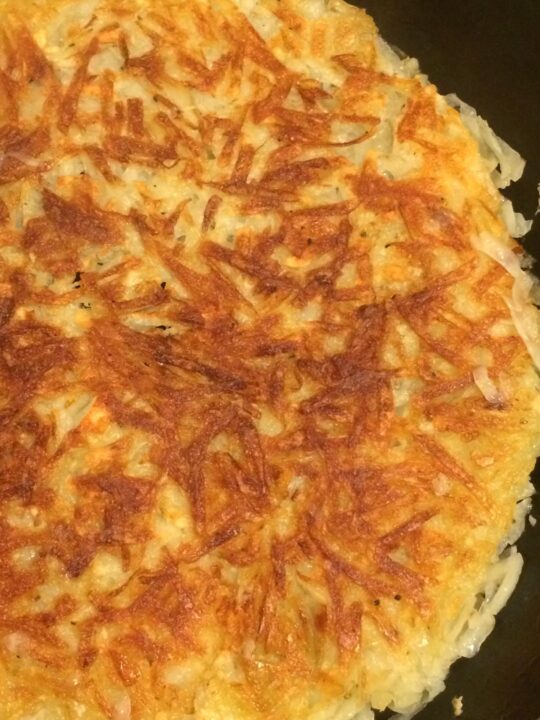
Follow this sequence to ensure maximum crispiness:
- Shred and soak: Grate the potatoes and submerge them in cold water for 10 minutes to remove excess starch.
- Dry thoroughly: Squeeze the potatoes in a towel until no moisture remains. This is the most critical step for texture.
- Season and bind: Mix in salt, pepper, and a small amount of flour or onion if desired.
- Spread thin: Place the mixture in a hot, oiled skillet, pressing it into a thin, even layer.
- Cook undisturbed: Let the hash browns fry without moving them until the bottom is golden brown, then flip once.
No comments yet. Be the first to share your thoughts!