Prep frozen shreds for maximum crunch
The difference between diner-style crispiness and a soggy mess comes down to one variable: water. Frozen hash browns are essentially ice crystals suspended in potato starch. If you drop them straight into hot oil, that moisture turns to steam, steaming the potatoes instead of frying them. To get that golden, shatteringly crisp exterior, you must remove as much surface moisture as possible before the pan ever heats up.
Start by taking the frozen shreds out of the bag and letting them sit at room temperature for about five to ten minutes. You don't need to fully thaw them into a mushy pile; you just need the surface ice to sublimate or melt enough so it can be removed. If the shreds are still rock-hard blocks, the moisture is locked inside, but if they are completely wet and slushy, you have waited too long. Aim for the sweet spot where the ice has melted but the potato structure remains intact.
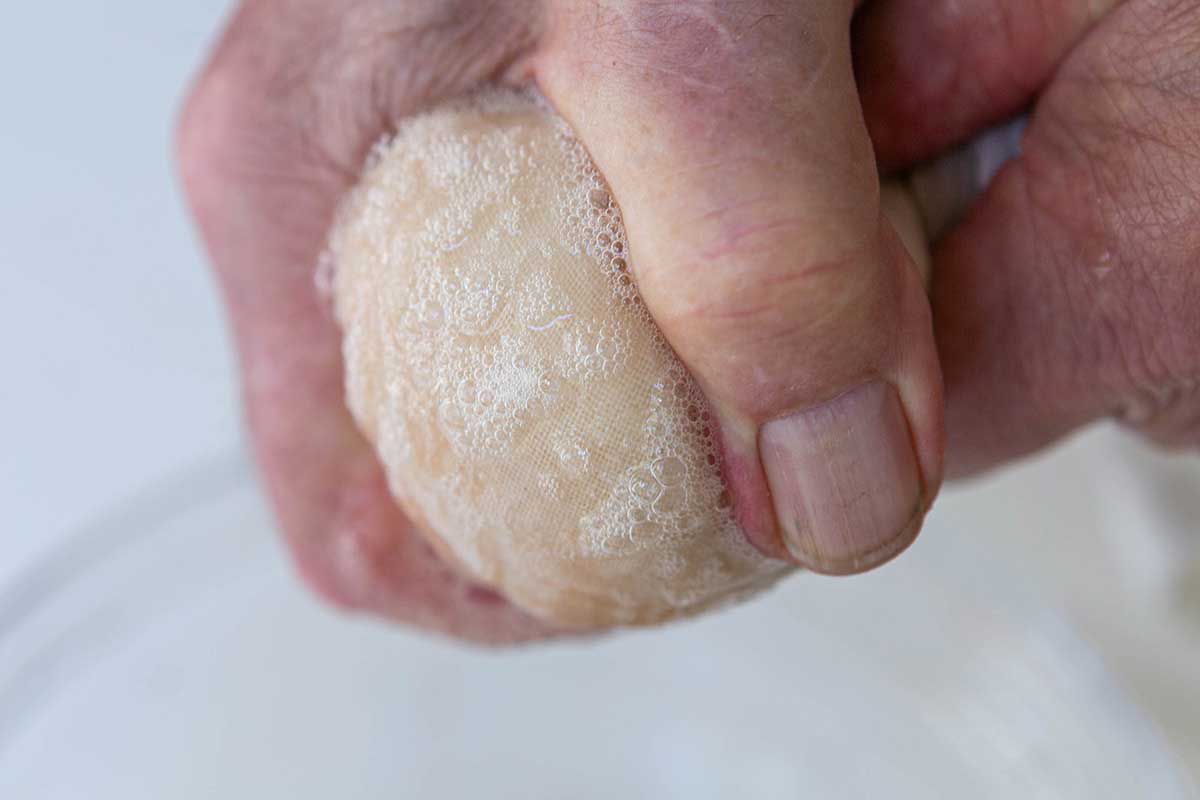
Transfer the shreds to a clean, thin kitchen towel or several layers of cheesecloth. Gather the corners and twist tightly, applying firm, even pressure. You will see a significant amount of water release. Repeat this process two or three times, switching to a dry section of the towel or a fresh towel each time, until the cloth comes away dry. This mechanical removal of water is the most critical step in the entire process. As Bon Appétit notes, you need to squeeze "WITH ALL OF YOUR MIGHT" to ensure no hidden pockets of moisture remain.
Once dried, spread the shreds on a plate to check for any remaining clumps. Break them apart gently with your fingers to ensure even cooking. The shreds should feel cool and dry to the touch, not slick or damp. Only when they are properly prepped should you proceed to heating your skillet.
Choose the right pan and fat
The difference between soggy potatoes and a golden crust comes down to heat retention and fat selection. A heavy skillet acts as a thermal battery, smoothing out the temperature spikes that occur when cold, frozen potatoes hit the surface. Cast iron and stainless steel are the standard choices here because their mass keeps the pan hot enough to evaporate surface moisture quickly. Without that sustained heat, the potatoes steam in their own released water, resulting in a pale, limp texture rather than the desired crunch.
Fat choice is equally critical. Pure butter burns at the high temperatures needed for browning, while neutral oils like canola or vegetable oil lack the flavor depth that makes hash browns appealing. The solution is a blend: use a neutral oil for its high smoke point, then finish with a tablespoon of butter for richness. This combination ensures the potatoes fry evenly without scorching the milk solids in the butter. Preheat the pan to medium-high before adding the fat, as recommended by culinary experts, to ensure immediate sizzling upon contact.
The table below compares the most common skillet materials and fat combinations for this technique. Cast iron offers the best heat retention but requires seasoning maintenance. Stainless steel is durable and non-reactive but may require slightly more attention to prevent sticking if the pan isn't properly heated first.
| Pan Material | Heat Retention | Maintenance | Best Use Case |
|---|---|---|---|
| Cast Iron | High | Seasoning required | Even, sustained browning |
| Stainless Steel | Medium | Easy care | Quick, high-heat searing |
| Non-Stick | Low | Very easy | Low-fat cooking (not crispy) |
| Carbon Steel | High | Seasoning required | Lightweight heat retention |
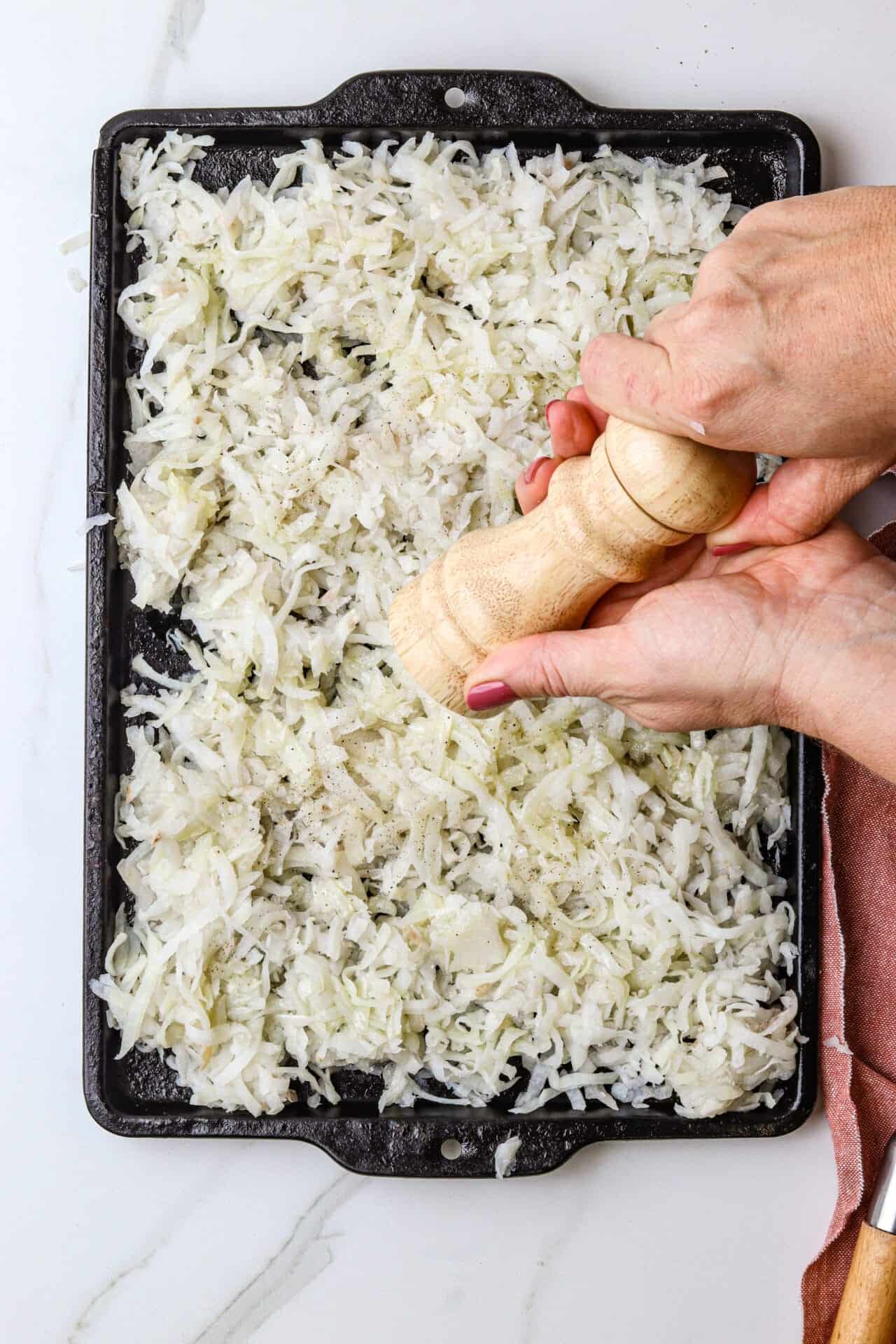
Selecting the right combination ensures that every bite has that distinct, shatteringly crisp exterior while remaining tender inside. Avoid non-stick pans if you want maximum crunch, as their lower heat tolerance often leads to steaming rather than frying.
Cook without moving the patty
The difference between a soggy, steamed mess and a golden, shattering crust comes down to patience and heat management. Once your skillet is hot and the frozen hash brown patty is sizzling, your job is to stop interfering. Most home cooks rush this stage, flipping too early or poking at the edges, which releases steam and prevents the Maillard reaction from setting in.
Set the heat and place the patty
Preheat your cast iron or stainless steel skillet over medium-high heat. You want the surface hot enough to sear immediately upon contact, but not so hot that the butter burns before the potato cooks. Add your fat—butter, oil, or a combination—and wait for the foam to subside or the oil to shimmer.
Lay the frozen hash brown patty gently into the pan. It should hiss loudly. If the sound is a weak sizzle, your pan isn't hot enough. If it's a violent roar, it's too hot. Adjust accordingly. Let the patty sit undisturbed. This initial contact is critical for adhesion and crust formation.
The five-minute rule
Do not touch the hash browns for at least five to seven minutes. This is the most difficult part of the process, but also the most important. During this time, the moisture inside the potato is turning to steam, pushing upward, while the exterior is drying out and browning. If you lift the edge to check, you break the seal and let the steam escape too quickly, cooling the surface and halting the crisping process.
Resist the urge to peek. Use the time to prepare your coffee or toast. The visual cue for readiness isn't the top of the patty; it's the sound. When the aggressive sizzling softens to a gentle, steady pop, the bottom is likely ready.
Flip only once
After the waiting period, use a wide spatula to slide under the entire patty. If it resists, it needs another minute. A properly formed crust will release from the pan cleanly. Flip the patty with confidence. The first side should be a deep, uniform golden brown with no pale spots.
Cook the second side for another three to five minutes. Since the interior is already hot from the first side, this phase is mostly about finishing the crust on the other side. Remove the hash browns to a wire rack or paper towel-lined plate immediately. Letting them sit in the hot pan will cause them to continue cooking and potentially burn, while stacking them while steaming can soften the crust you just worked so hard to create.
Check for golden brown edges
The difference between soggy and crispy hash browns comes down to visual confirmation. You are looking for a uniform, deep golden-brown color along the exposed edges where the potato meets the pan. The surface should look dry, not glistening with oil or moisture. If the edges are pale or the surface feels soft to the touch, the starches have not yet fully caramelized.
Use a spatula to gently lift one corner of the patty. The underside should match the top in color—no pale spots or raw white centers. If you see steam rising from the potato, it is still releasing moisture and needs more time. Dry heat is the goal; any visible moisture means the frying process is incomplete.
Avoid moving the hash browns too early. They will release from the pan naturally once the crust has formed. If you need to nudge them, they should slide freely. Resistance usually means the bottom is still sticking and needs another minute or two to crisp up.
Essential tools for crispy results
You do not need a professional kitchen to get a golden crust, but the right equipment changes the texture. Frozen hash browns release a lot of water. The tools listed below manage that moisture and distribute heat evenly. Skip the gadgets that complicate the process.
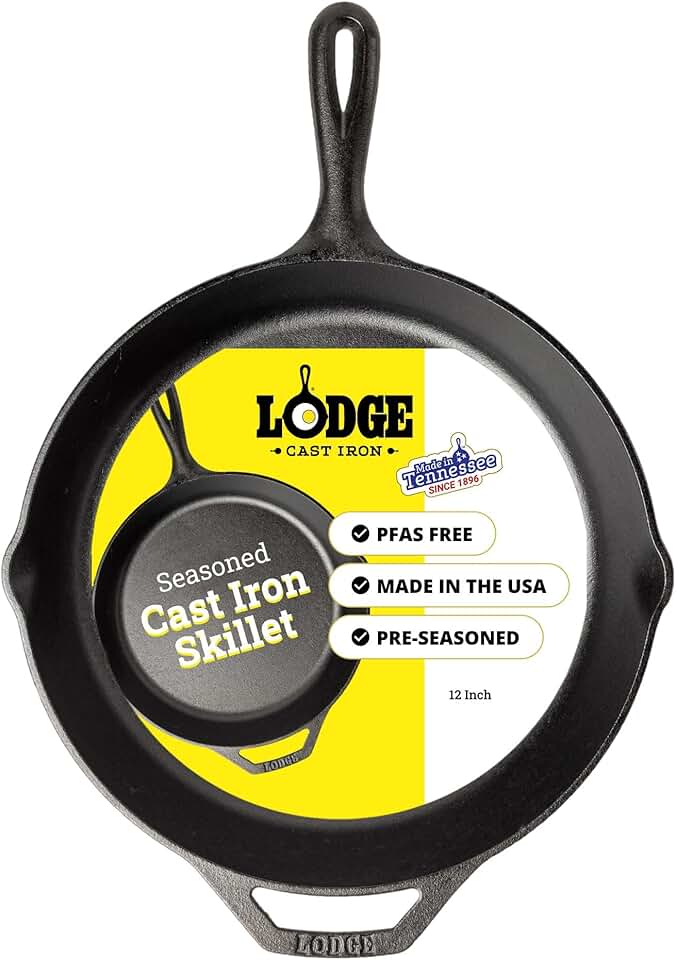
The cast iron skillet
Cast iron holds heat better than thin stainless steel or nonstick coatings. When you add frozen patties, the temperature drops. A heavy skillet recovers that heat quickly, frying the surface instead of steaming it. Look for a well-seasoned 10- or 12-inch pan. The thick metal acts like a battery, keeping the oil hot enough to crisp the exterior in minutes.
A box grater or food processor
The title mentions a potato shredder because loose shreds crisp faster than patty-shaped blocks. A box grater gives you control over the shred size. If you use a food processor, switch to the standard shredding disc. Avoid the slicing disc, which creates thick rounds that stay soft in the middle. The goal is maximum surface area for the oil to touch.
A silicone spatula
Metal forks and spoons break up the crust as you flip. A wide, thin silicone spatula slides under the hash browns without tearing them. It also presses the patties flat against the pan surface, ensuring even contact. This simple tool prevents the common mistake of lifting and dropping the potatoes, which leaves uneven spots.
A wire rack
This is the secret to keeping them hot and crunchy. Transfer cooked hash browns to a wire rack set over a baking sheet immediately after removing them from the skillet. Plating them directly onto a ceramic plate traps steam underneath, turning the bottom crust soggy within minutes. The rack allows air to circulate, preserving the texture until you are ready to eat.
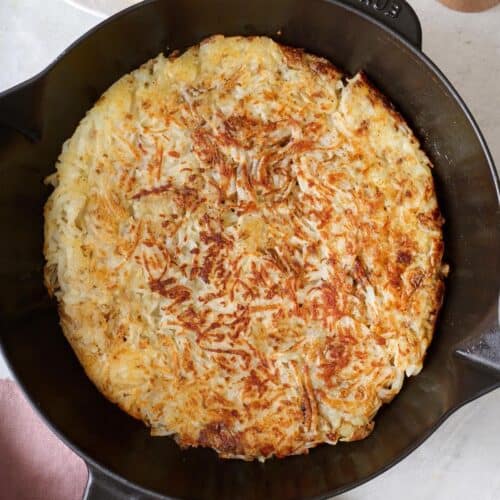
Start with a heavy skillet. Cast iron or carbon steel are the best options for retaining high heat. Ensure the surface is clean and preheated before adding oil.
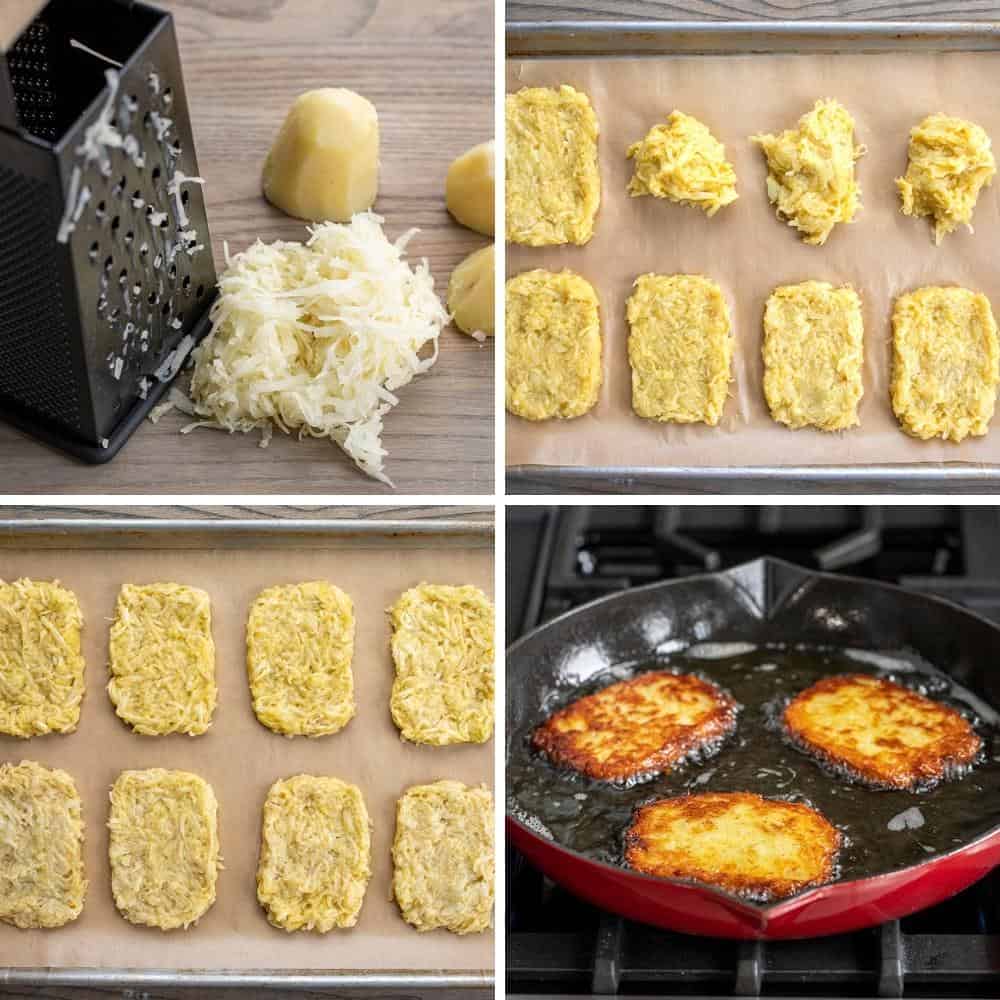
Use a box grater or food processor to create uniform shreds. If using frozen patty-style hash browns, break them apart slightly to increase surface area for crisping.
Use a wide silicone spatula to press the potatoes flat against the pan. Flip once the bottom is golden brown. Press again to ensure even contact with the heat source.
Move cooked hash browns to a wire rack immediately. Do not stack them on a plate. This step prevents steam from softening the crispy exterior you just worked hard to create.


As an Amazon Associate, we may earn from qualifying purchases.
Why frozen hash browns turn soggy
Even with the right oil and heat, a few common errors can ruin the texture of your crispy hash browns. The biggest culprit is usually moisture trapped in the potatoes or overcrowding the pan, which steams the shreds instead of frying them.
Crowding the pan
When you pile too many frozen hash brown patties or shreds into the skillet, the temperature of the pan drops rapidly. The escaping moisture has nowhere to go, creating steam that softens the crust before it can brown. Cook in smaller batches if necessary to ensure each piece has room to sear.
Flipping too early
Patience is essential. If you try to flip the hash browns before a golden crust has formed, they will stick to the pan and break apart. Let them cook undisturbed for 5 to 10 minutes over medium heat. The potatoes will release from the pan naturally when they are ready to turn 7 Empty Plates.
Not drying the potatoes
If you are using loose shreds rather than pre-formed patties, excess water is the enemy. Squeeze the potatoes firmly to remove as much liquid as possible before adding them to the hot oil. Dry potatoes crisp up quickly; wet ones steam into a mushy layer Bon Appétit.
Using low heat
Low heat might seem safer to prevent burning, but it actually prolongs the cooking time, allowing the potatoes to absorb more oil and lose their structural integrity. Maintain a steady medium heat to ensure the exterior crisps up before the interior dries out completely.
No comments yet. Be the first to share your thoughts!