
Why russets matter for crispness
Choosing the right potato is the first variable in achieving crispy hash browns. Russet potatoes are the classic choice because their high starch content and low moisture level create the ideal structure for browning. When you shred a russet, the exposed starch granules gelatinize and crisp up in hot oil, forming a rigid, golden shell. Waxy potatoes, by contrast, hold too much water and contain less starch, which leads to steaming rather than frying. The result is a soggy, pale patty that lacks the structural integrity needed for a satisfying crunch.
The texture difference is visible before you even hit the pan. Russets have a rough, mealy interior that shreds into distinct, dry strands. Waxy potatoes feel firm and waxy, releasing a wet, sticky slurry when shredded. This moisture is the enemy of crispness. If you use a waxy variety, you must spend extra time squeezing out water, and even then, the final product will likely be dense and chewy. Stick to russets for the authentic, restaurant-style texture.
Shredding technique and moisture control
Make Crispy Hash Browns with a Potato Shredder works best as a clear sequence: define the constraint, compare the realistic options, test the tradeoff, and choose the path with the fewest hidden costs. That order keeps the advice usable instead of decorative. After each step, pause long enough to check whether the recommendation still fits the reader's actual situation. If it depends on perfect timing, unusual access, or a best-case budget, include a simpler fallback.
The skillet and heat management
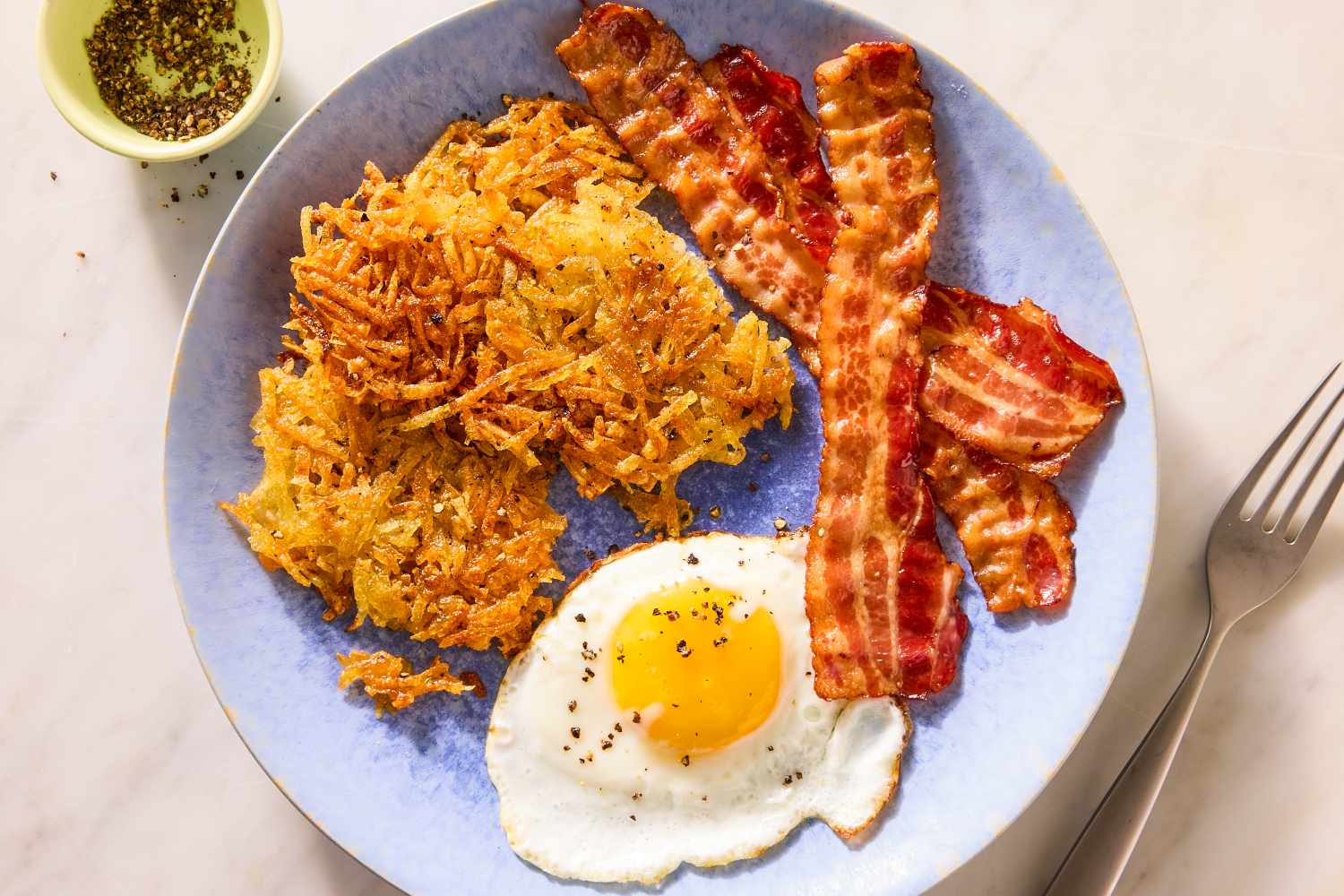
The foundation of crispy hash browns lies in the interaction between heat, fat, and the potato’s surface. A cast iron skillet is the preferred tool because its thermal mass retains heat effectively. When the shredded potatoes hit the pan, the temperature must remain high enough to trigger the Maillard reaction—the chemical process that creates browning and complex flavors—rather than steaming the starches. If the pan cools down too quickly, the potatoes will absorb oil and turn soggy instead of forming a crisp crust.
Choose an oil with a high smoke point, such as canola, vegetable, or clarified butter. These fats can withstand the medium-high heat required for proper browning without burning or imparting bitter flavors. Use enough oil to coat the bottom of the skillet generously; hash browns are not a low-fat dish, and adequate fat is essential for conducting heat evenly across the shreds.
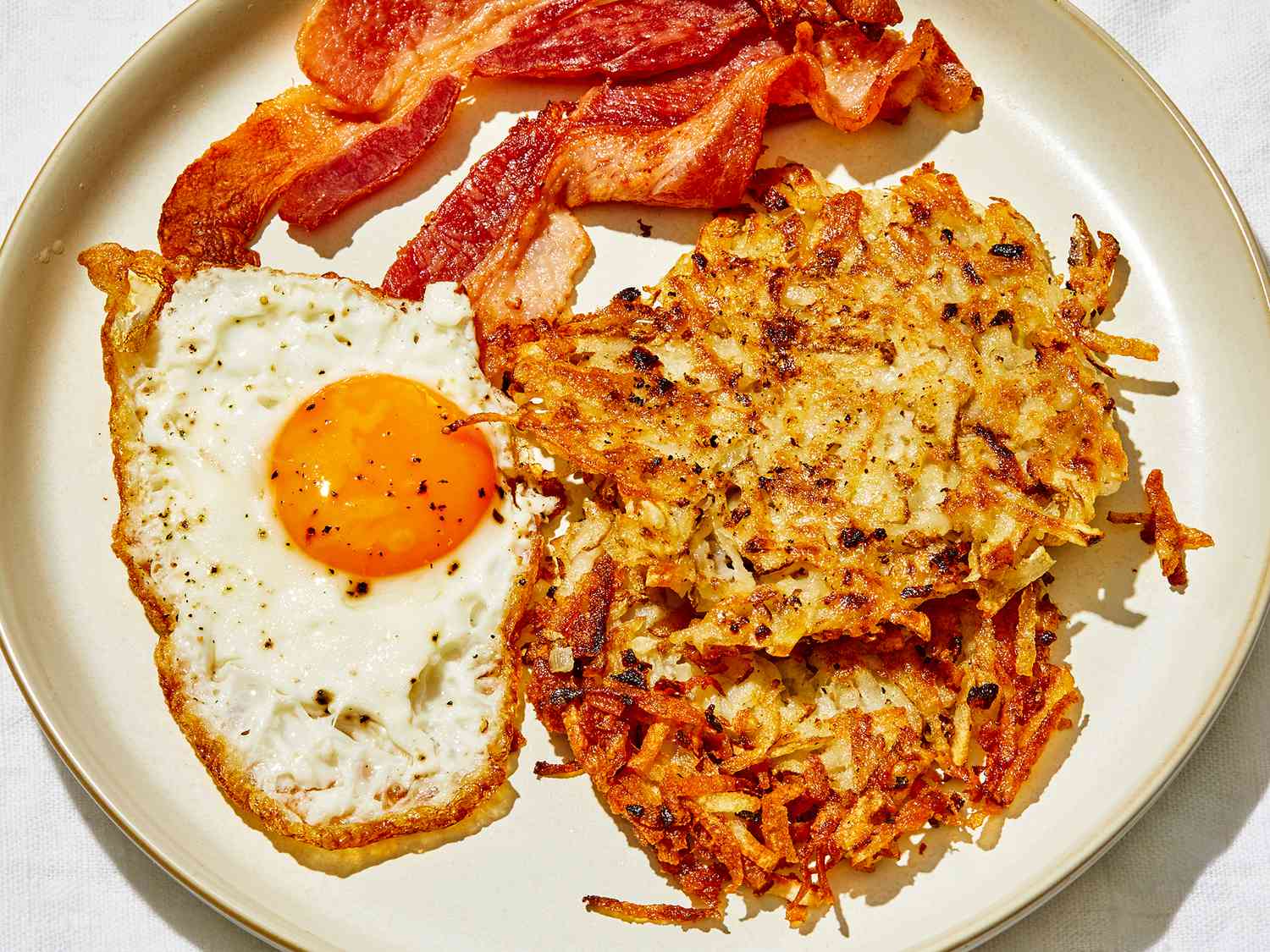
Watch for visual cues rather than relying on a timer. The hash browns are ready to flip when the edges turn a deep golden brown and release easily from the pan. If you see steam rising vigorously or hear a sizzle that sounds wet rather than sharp, the heat is too low or the pan is overcrowded. Once the first side achieves a uniform, crunchy crust, flip carefully to finish the second side for another 3–5 minutes.
Complete hash brown recipe
The difference between soggy and crispy hash browns comes down to moisture control and starch management. Russet potatoes provide the necessary low-moisture, high-starch foundation. Shredding increases surface area, but removing the excess water is the critical step that allows the exterior to brown rather than steam. This recipe uses a standard skillet to achieve a uniform, golden crust.
Why Your Hash Browns Turn Soggy
Soggy hash browns are almost always a moisture problem. Potatoes are mostly water, and that water turns to steam when it hits the pan. If the steam gets trapped, it steams the potato instead of frying it, creating a gummy, soft texture rather than a crisp crust. The goal is to get that moisture out before the potato ever touches the heat.
The Pre-Cook Checklist
Follow these steps to ensure your hash browns crisp up properly:
Sticking and Baking Issues
If your hash browns stick to the pan, you likely didn't let them sear long enough. Starches gelatinize and bond to the metal when they first hit the heat. If you try to flip them too soon, they will tear. Wait until you see golden-brown edges and the potatoes release naturally from the pan surface.
Another common failure is undercooking. Crispy hash browns require patience. They should take 10 to 15 minutes per side to develop a deep, golden-brown crust. Rushing the heat will burn the outside while leaving the inside raw and wet. Use medium-high heat and let the texture guide you, not the clock.
No comments yet. Be the first to share your thoughts!