Dry potatoes, crispy hash browns
The secret to crispy hash browns isn't the oil—it's moisture control. Potatoes are 80% water, and that moisture must escape as steam before the exterior can brown. If you put wet shreds into a hot pan, they steam instead of fry, resulting in a pale, limp patty. To achieve diner-style crunch, you must remove as much water and surface starch as possible before the heat ever touches the pan.
For fresh potatoes, rinse shredded russets in cold water to remove starch, then wring them dry in a clean kitchen towel or cheesecloth until they feel dry to the touch. If using frozen hash browns, skip the rinse but still squeeze firmly to remove ice crystals and thawed liquid. Once dry, the potatoes are ready for the Maillard reaction—the chemical process that creates deep, savory browning.
Choosing the Right Potatoes
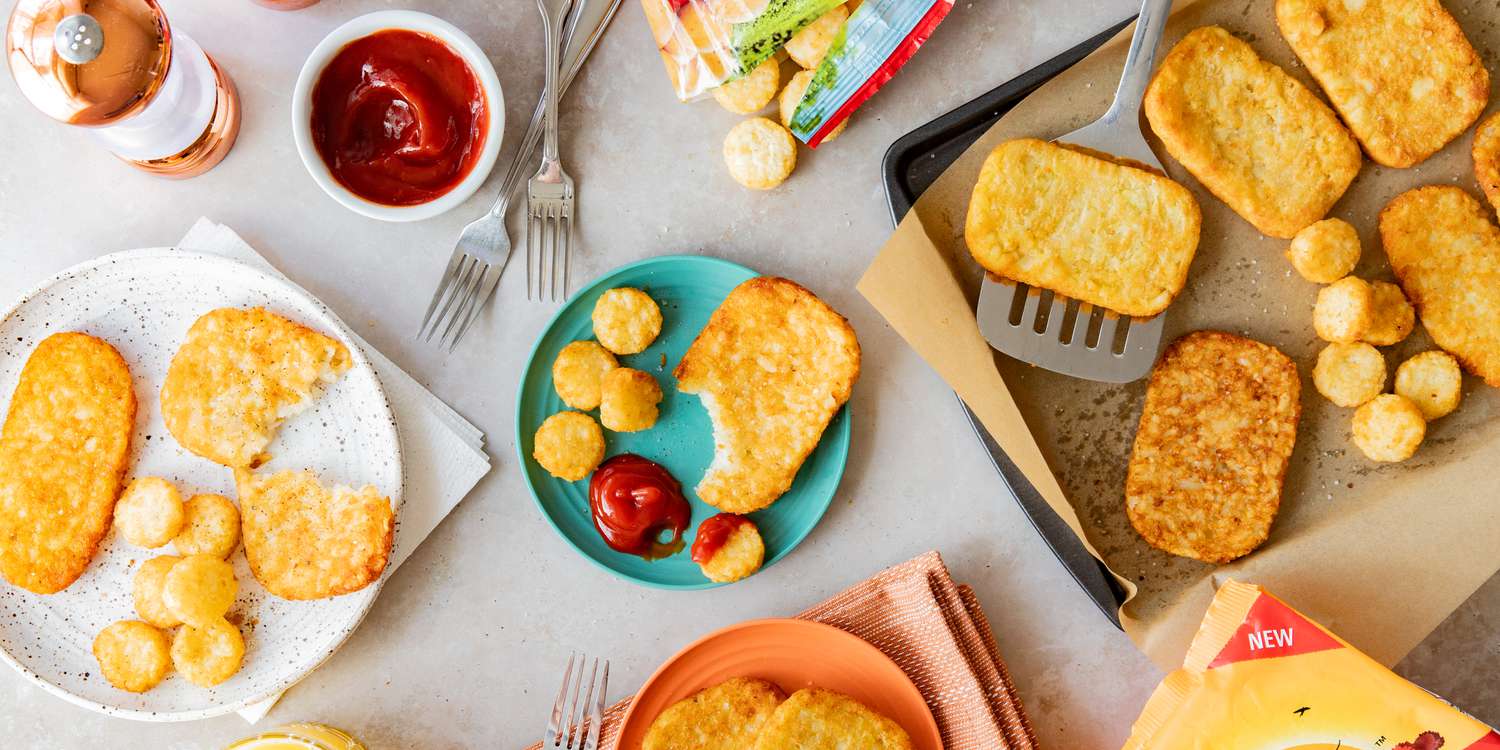
Both fresh russets and frozen shreds can yield crispy hash browns, but they require different handling. Fresh potatoes offer superior flavor and texture but demand more prep. Frozen options are a convenient shortcut, often pre-shredded and pre-soaked.
| Type | Prep Effort | Texture | Crispiness Potential |
|---|---|---|---|
| Frozen Shreds | Low | Uniform, softer interior | High, if dried well |
| Fresh Russets | High (peel, shred, squeeze) | Distinct shreds, tender center | Very High, if moisture removed |
Why Fresh Russets Win on Flavor
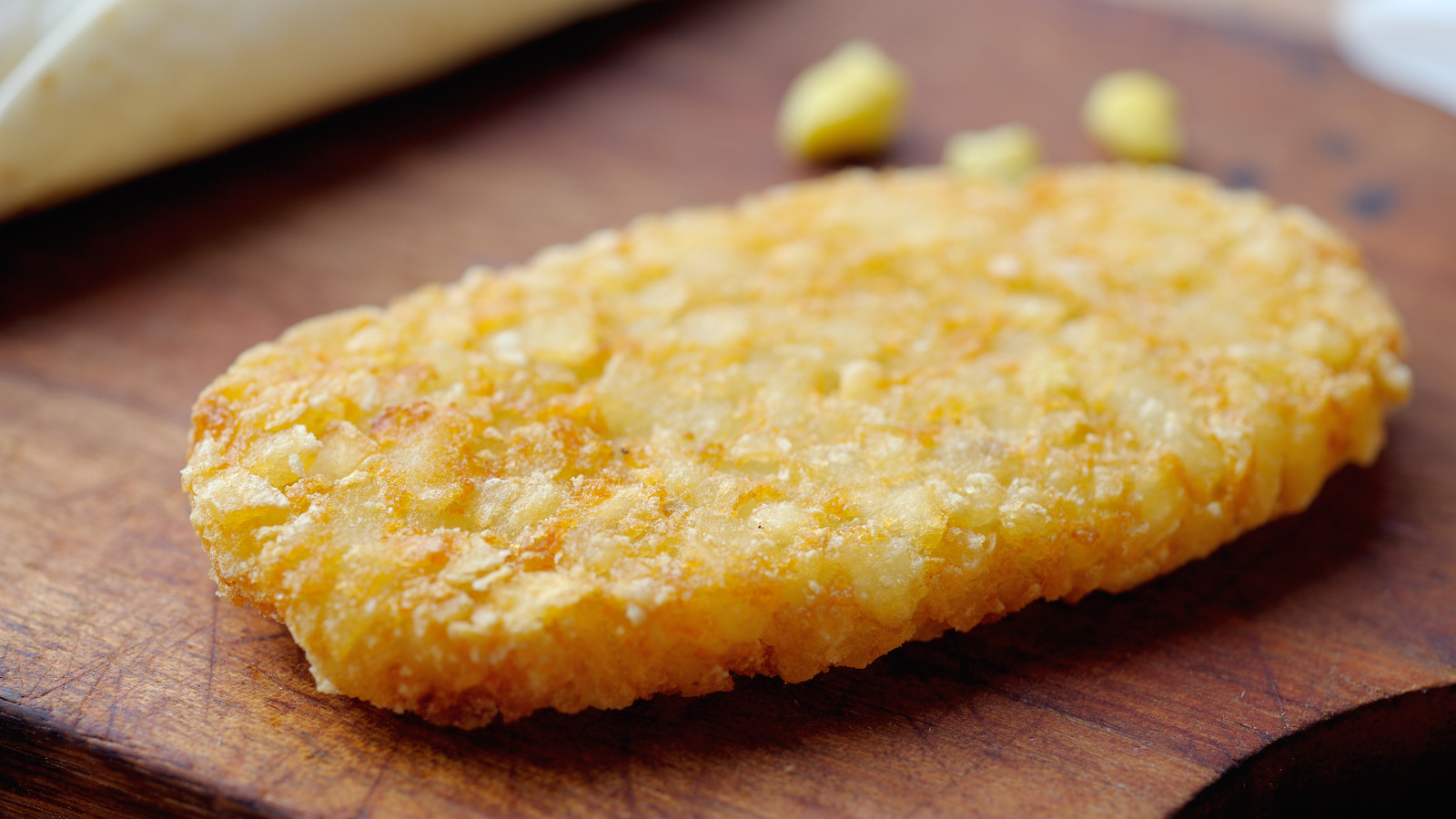
Fresh russets are the gold standard for texture. Their high starch content creates distinct, crispy edges that stick together just enough to flip but separate easily when eaten. The key is removing water. Whether you use a cheesecloth or a kitchen towel, squeezing the shredded potatoes until dry is the single most important step for achieving restaurant-quality crunch.
When to Choose Frozen
Frozen shredded hash browns are ideal for busy mornings. Look for brands labeled "shredded" rather than "patties" for better texture control. Since they are pre-processed, check labels for added oils or sodium. To boost crispiness, spread them on a paper towel for a minute before cooking to absorb surface moisture.
Prep Steps for Maximum Crunch
The difference between a soggy mess and golden, shattering hash browns happens before the pan heats up. Starch and water are enemies of crispness, so your goal is to remove both before the oil touches the potato.
If using fresh russets, grate them using a box grater or food processor. Aim for fine shreds, not chunks. Fine shreds create more surface area for contact with hot oil, resulting in a crunchier final product. If starting with frozen shredded hash browns, skip this step.
Place shredded potatoes in a bowl of cold water. Swirl them with your hand until the water turns cloudy white—that’s excess starch leaving the potato. Drain and repeat with fresh cold water until it runs mostly clear. This step prevents gummy clumps and ensures wispy, separate strands.
Transfer rinsed potatoes to a clean kitchen towel or cheesecloth. Gather the edges and twist tightly over the sink. Squeeze with everything you’ve got. You should wring out a significant amount of water. The drier the potato, the faster it will crisp up.
Spread squeezed potatoes on a clean towel for a few minutes to air dry any remaining surface moisture. Once dry to the touch, toss with salt and pepper. They are now ready for the hot oil.
If preparing ahead, store dried shreds in an airtight container in the fridge for up to 24 hours. Give them a quick final squeeze before cooking to catch any moisture that pooled during storage.
Heat the Pan and Press the Patties
Heat management and patience are critical. Preheat your skillet or griddle over medium-high heat. This is the sweet spot: hot enough to trigger browning without burning the outside before the inside cooks. If the pan isn't hot enough, potatoes steam; if too hot, they char. Wait until a drop of water dances across the surface before adding fat.
Use a high-smoke-point oil like vegetable, canola, or avocado oil. Butter burns too quickly at these temperatures and won't provide the structural crunch needed. Add enough oil to coat the bottom generously—a thin, shimmering layer that covers every inch. This fat conducts heat efficiently, creating an even, crunchy exterior.
Once the oil is hot, add the shredded potatoes. Press them down firmly with a spatula to create a compact, even layer. This compression ensures maximum surface area touches the pan, which is the secret to signature crunch. Don't scatter the shreds loosely. Let them sit undisturbed for 5 to 7 minutes. Resist the urge to peek or stir; you are building a foundation.
The flip is the moment of truth. Once the bottom is deeply golden and releases easily, it’s ready to turn. Slide a large plate over the skillet, invert the pan to drop the patty onto the plate, and then slide it back in to cook the other side. This technique protects the patty's integrity, keeping it intact for a perfect, continuous crispy surface.
Recipe: Diner-Style Crispy Hash Browns
Making crispy hash browns at home is simple if you prioritize moisture removal. Whether using frozen shreds or fresh russets, the goal is the same: dry potatoes hit hot oil and turn golden, while wet ones steam and turn soggy.
The secret lies in handling. For fresh potatoes, grate and squeeze in a clean towel until no water drips out. For frozen hash browns, thaw completely and press out every bit of liquid. This dryness allows the exterior to crisp while the inside stays tender.
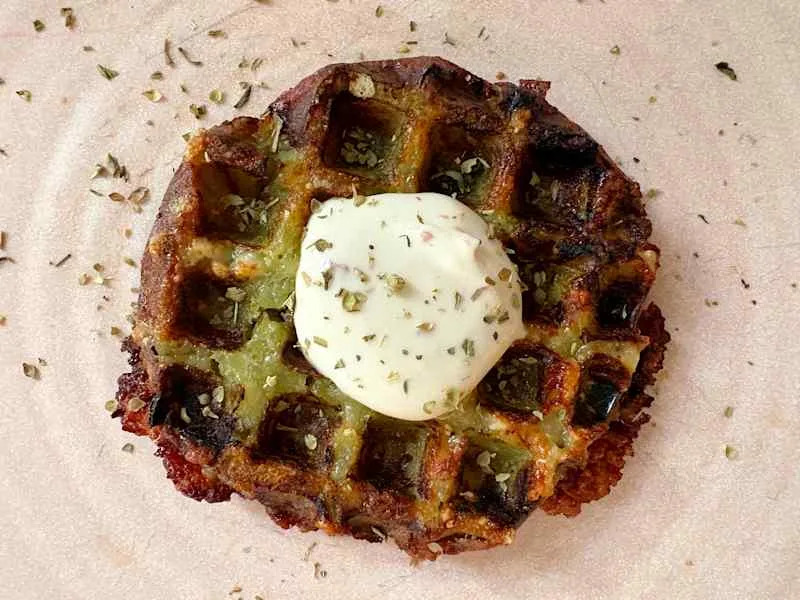
Once dry and seasoned, the potatoes need butter and patience. Don't rush the browning. Let them sit undisturbed to form that signature diner-style crust. Flip only once, and serve immediately for the best texture.
Common Hash Brown Mistakes
Even with the best potatoes, simple errors can turn crispy hash browns into a soggy mess. Most issues are easy to fix with small technique adjustments.
Overcrowding the Pan
Cooking too many hash browns at once drops the pan temperature and traps steam. Instead of frying, potatoes steam, which is the enemy of crispiness. Cook in smaller batches to give each shred enough space for direct contact with the hot surface.
Using the Wrong Heat Level
Heat control is everything. If the pan isn't hot enough, potatoes absorb oil and become greasy. If it's too hot, the outside burns before the inside cooks. Aim for medium-high heat to ensure the exterior crisps without charring, keeping the center tender.
Skipping the Press
If hash browns fall apart or have wet centers, you likely aren't pressing them enough. After adding shreds to the pan, use a spatula to press them down firmly. This creates a compact patty that cooks evenly and develops a better crust. Don't flip too early; let the bottom set completely before turning.
Troubleshooting Crispy Hash Browns
Getting that perfect golden crunch requires attention to detail. Here are answers to common questions about making crispy hash browns.
No comments yet. Be the first to share your thoughts!