
Why moisture kills crispiness
Sogginess isn't a heat problem; it's a hydration problem. Potatoes are roughly 80% water. When you drop wet shreds into a hot skillet, that water turns to steam. The steam gets trapped between the potato strands, steaming them into a soft, gummy mass before the Maillard reaction (browning) can ever take hold.
To get crispy hash browns, you must treat the potato shreds like a wet sponge. You need to wring out as much liquid as possible before they ever touch the pan. If the potatoes are wet, the oil temperature drops instantly, and the result is fried mush rather than a golden crust.
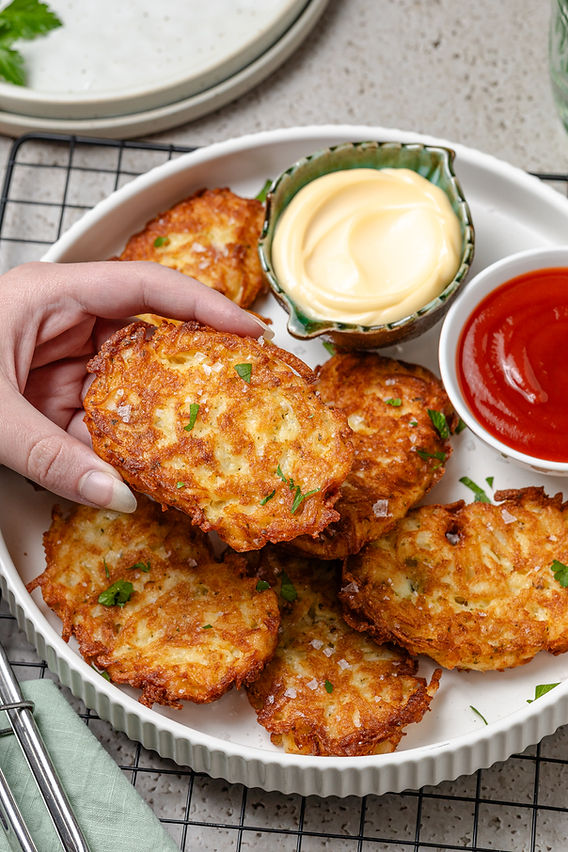
This is why rinsing raw potatoes is counterproductive for crispiness. While rinsing removes surface starch (which helps prevent sticking), it adds more water. If you rinse, you must then squeeze aggressively to remove that added moisture. Many chefs skip the rinse entirely and go straight to squeezing, relying on the high heat of the skillet to handle the starch.
The goal is dry, distinct shreds. When you press a handful of shredded potatoes in your fist, you should see no water pooling in your palm. The drier the shreds, the faster they brown, and the crunchier they become.
Choosing the Right Potato and Tool
The foundation of crispy hash browns lies in starch content. Russet potatoes are the standard choice because their high starch and low moisture levels allow the exterior to crisp up without turning gummy. Waxy varieties like Red or Yukon Gold retain too much water and hold their shape too tightly, resulting in a softer, less distinct texture.
Potato Variety Comparison
Selecting the correct tuber ensures the right chemical reaction with heat. Use the table below to compare starch levels and structural integrity.
| Variety | Starch Level | Resulting Texture | Best For |
|---|---|---|---|
| Russet | High | Crispy, fluffy interior | Hash browns, fries |
| Yukon Gold | Medium | Creamy, slightly crisp | Mashed potatoes, roasting |
| Red Potato | Low | Waxy, firm | Salads, soups |
Shredding for Maximum Surface Area
A potato shredder is essential for creating the thin strands that maximize surface area for browning. Coarse shredding creates larger pieces that cook unevenly, while fine grating turns the potato into a paste. Aim for uniform, medium-thin shreds that separate easily.
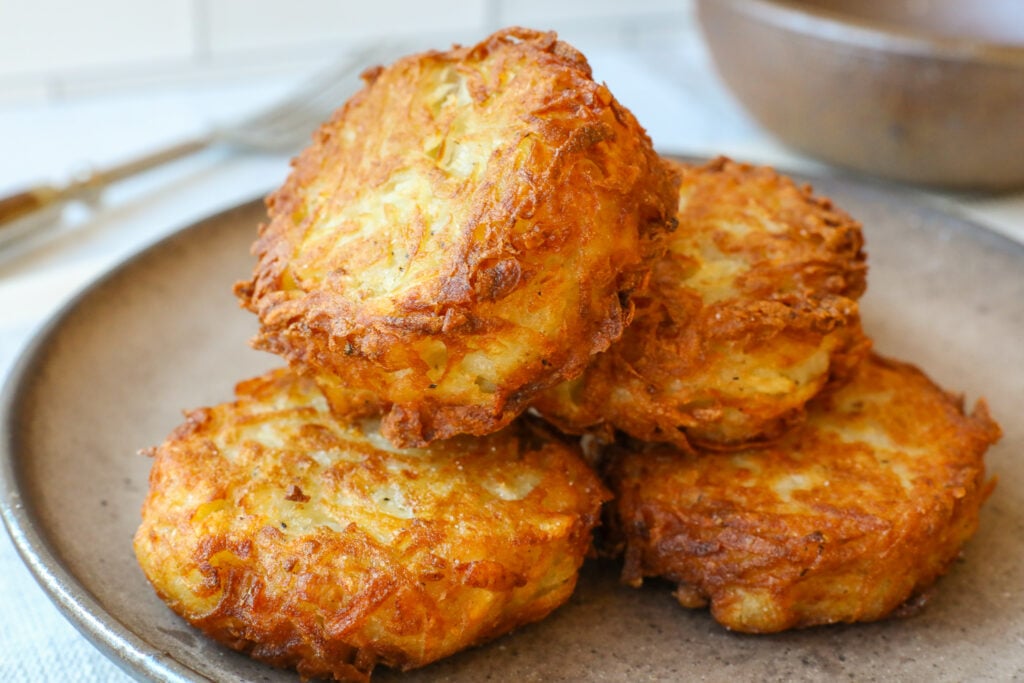
After shredding, immediately rinse the potatoes in cold water to remove excess surface starch. This step prevents clumping and ensures each strand fries individually. Squeeze the shreds dry with a clean kitchen towel or cheesecloth before adding them to the pan. Removing this moisture is the single most important factor in achieving a golden, crunchy crust.
Prepping and squeezing the potatoes
The difference between a soggy breakfast and a diner-quality crispy hash brown comes down to one variable: moisture. Potatoes are mostly water, and that water turns to steam during frying. Steam prevents browning and leaves the exterior limp. Your job is to remove as much liquid as possible before the potatoes ever touch the pan.
Shred the potatoes
Use the large holes of a box grater or a food processor fitted with a shredding disk. If using a processor, pulse the potatoes in short bursts to avoid turning them into a wet paste. You want distinct shreds, not a mushy mass. Keep the shreds cool; cold potatoes release starch more cleanly than warm ones.
Rinse the starch
Place the shredded potatoes in a bowl of cold water. Swirl them around with your hand. The water will turn cloudy white as the surface starch dissolves. Starch acts like glue, holding moisture in and preventing crispness. Drain the water and repeat the rinse until it runs clear. This step is non-negotiable for maximum crunch.
Squeeze dry
This is the most labor-intensive part of the process, but also the most critical. Wrap the rinsed potatoes in a clean kitchen towel or several layers of cheesecloth. Gather the edges and twist tightly over the sink. Squeeze with all your might. You should see a steady stream of water pour out. If the potatoes still feel damp, repeat the process with a dry towel. Dry potatoes equal crispy hash browns.
Optional: Soak in ice water
For an extra layer of insurance, soak the rinsed, squeezed potatoes in a bowl of ice water for 10 minutes. This further removes surface starch and keeps the shreds firm. Drain and squeeze dry again. This step is optional but recommended if you want the absolute crispiest result.
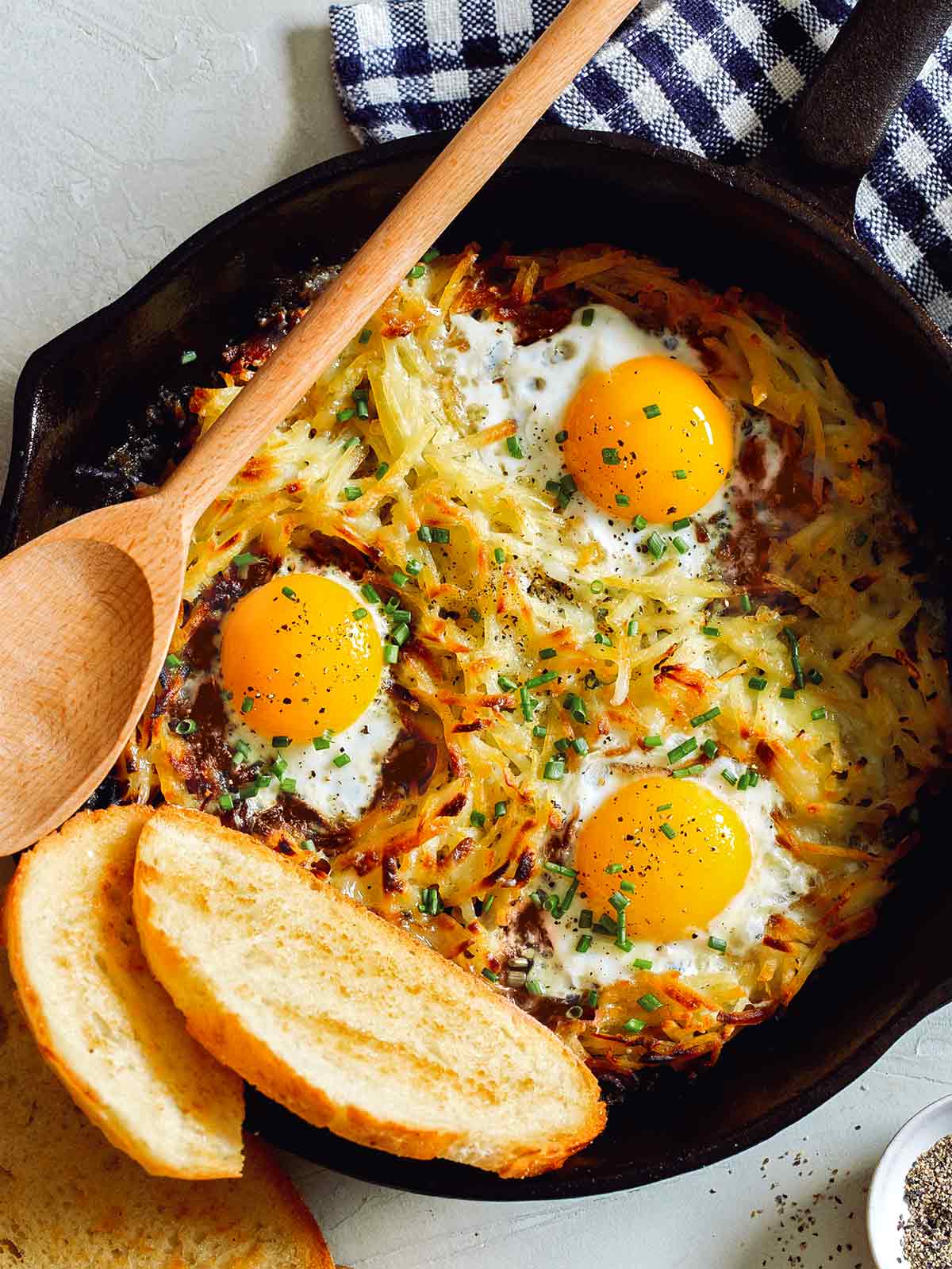

Frying for maximum crunch
Achieving that deep, golden crust requires treating the pan like a heat engine rather than a simple cooking surface. The goal is rapid moisture evaporation. If the pan is too cool, the potatoes steam in their own released water, resulting in a soggy, pale disc rather than a shattering crust. If it is too hot, the exterior burns before the interior has a chance to dry out.
Start by preheating a heavy skillet, preferably cast iron, over medium-high heat. This specific temperature range is the sweet spot for browning without charring. While the pan heats, prepare your fat. A combination of oil and butter works well, but bacon grease adds a distinct savory depth that complements the potato. Add a tablespoon of your chosen fat to the hot pan and let it shimmer before adding the shredded potatoes.
Once the potatoes hit the pan, spread them into an even, compact layer. This is where technique matters most: do not stir. Letting the hash browns sit undisturbed for about six minutes allows the bottom layer to dehydrate and bond into a single, cohesive sheet. Stirring too early breaks up this forming crust and redistributes the moisture, undoing the work you are trying to do. Trust the silence of the sizzle; if it is screaming, your heat is too high.
After the initial rest, the bottom should be deeply browned. Use a spatula to gently check a corner. If it releases easily and holds its shape, you are ready to flip. Whether you flip the entire mass into a single patty or individual portions, the second side requires the same patience. Cook until both sides are uniformly crisp and the interior is tender. This method ensures every bite delivers the texture you are looking for.
Troubleshooting soggy hash browns
Even experienced cooks hit snags when making hash browns. The three main failures are sogginess, sticking to the pan, and burning. Each has a specific technical cause and a quick fix.
Sogginess
Moisture is the enemy of crispness. Potatoes are mostly water, and that water steams the shreds instead of frying them. If your hash browns feel soft or wet after cooking, you likely skipped the drying step.
Squeeze the shredded potatoes in a clean kitchen towel or cheesecloth. Use all your might. Repeat until the towel comes away dry. This single step is the difference between crispy and soggy hash browns. Bon Appétit confirms this is the most critical technique for texture.
Sticking
If your hash browns tear when you try to flip them, your pan wasn't hot enough or lacked fat. Oil needs to reach its shimmering point before the potatoes hit the surface. Preheat your skillet over medium-high heat for at least two minutes before adding oil.
Use a well-seasoned cast iron skillet or a non-stick pan. Avoid overcrowding the pan, which lowers the temperature and creates steam. Let the hash browns cook undisturbed for 4-5 minutes until a golden crust forms naturally.
Burning
Burnt hash browns usually result from heat that is too high. While you need medium-high heat for crispness, excessive heat scorches the exterior before the interior cooks. If you see black edges, your burner is set too high.
Reduce the heat to medium. If the pan is smoking, it is too hot. Add a bit more oil to create a buffer between the metal and the potatoes. Stir occasionally if using a non-stick pan to ensure even browning.
The Complete Crispy Hash Brown Recipe
The secret to diner-style hash browns is removing moisture. Squeeze your shredded potatoes until they are nearly dry, then cook them in hot oil until golden and crisp.
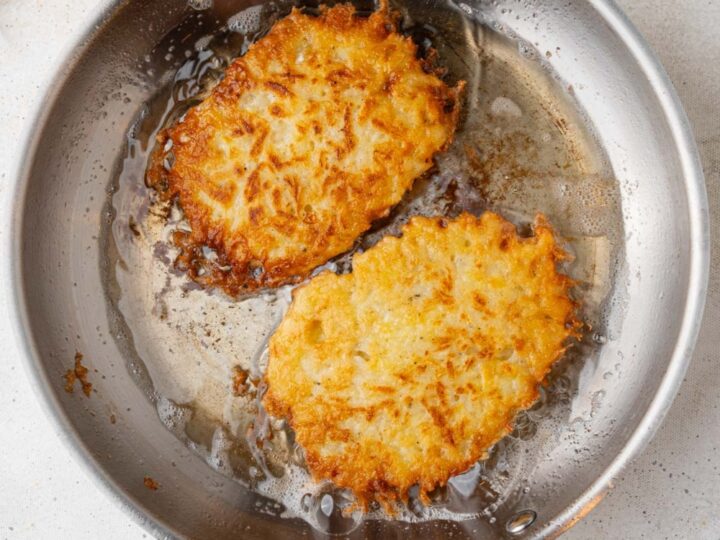
Serve these alongside eggs, bacon, or a fluffy omelet. For a quick breakfast, top with cheddar cheese or a dollop of sour cream.
No comments yet. Be the first to share your thoughts!