
Prep the potatoes for maximum crisp
The difference between a golden, shatteringly crisp hash brown and a soggy, steamed mess comes down to one thing: water. Potatoes are mostly starch and moisture. When you drop wet potatoes into hot oil, the water has to evaporate before the surface can brown. That evaporation process steams the potato, keeping it soft and pale. To get that diner-style crunch, you need to get the water out before the skillet ever gets hot.
Grate and rinse
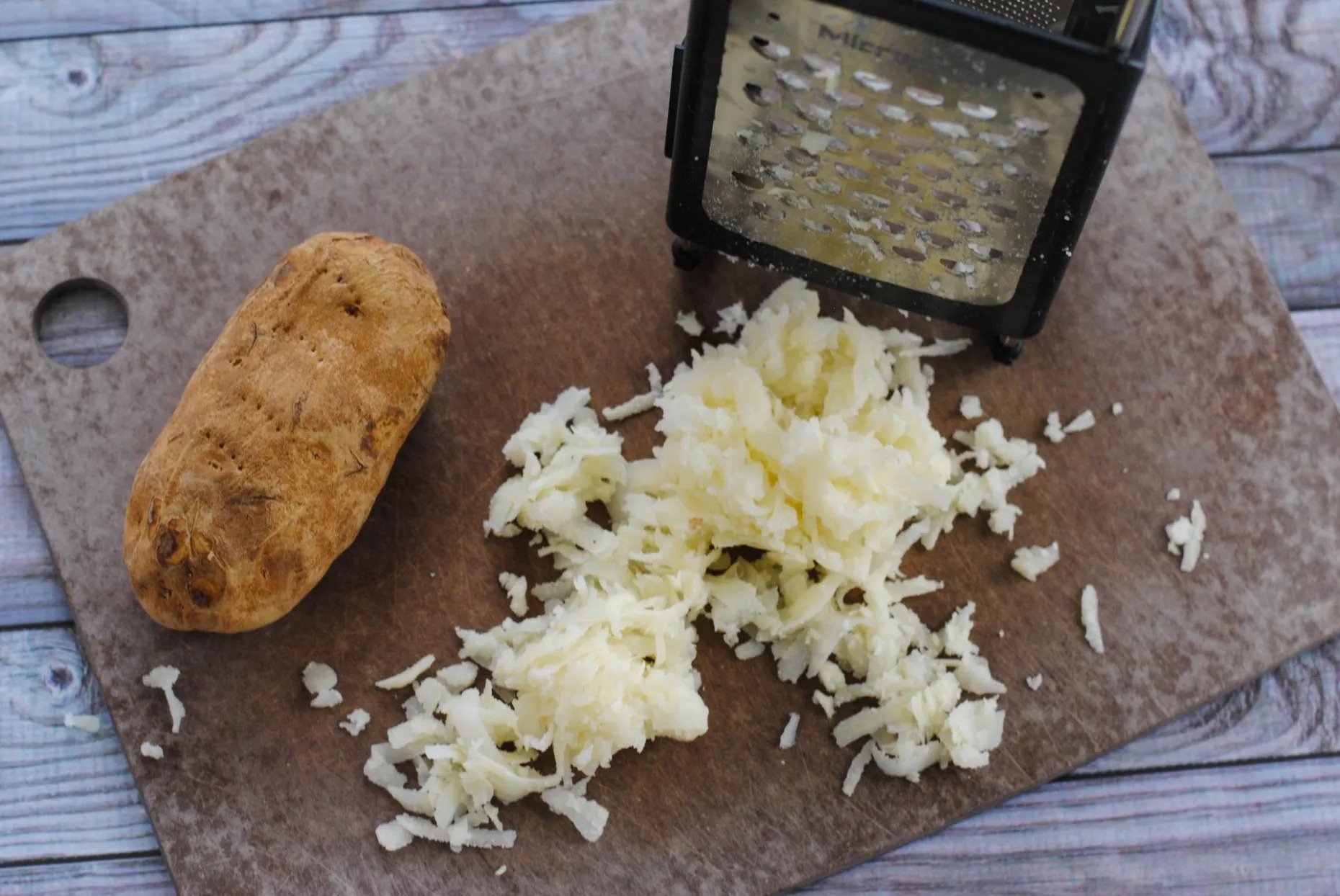
Start by grating your potatoes. A box grater works fine, but a food processor with a grating disk is faster and more consistent. Whether you use russets or another starchy variety, the goal is to break down the cells to release the surface starch.
Once grated, rinse the potatoes in a bowl of cold water. This washes away excess surface starch that can make the hash browns gummy or cause them to stick to the pan. Drain the water, but don't worry if the potatoes still look wet. The real work happens next.
Squeeze out every drop
This is the most important step, and it’s the one most people rush. You need to remove as much moisture as possible. Transfer the rinsed potatoes to a clean kitchen towel or a few layers of cheesecloth. Gather the edges and twist it tight over the sink.
Apply serious pressure. You should be squeezing with all your might, literally wringing out the potatoes. If you see water pooling in the sink, you haven’t squeezed hard enough. As Bon Appétit’s test kitchen notes, this is the difference between crispy and soggy hash browns. Keep squeezing until the towel feels dry and the potato mass feels cool and relatively dry to the touch. If you’re using frozen hash browns, thaw them completely first, then follow this same squeezing process to remove the ice crystals and excess water.
Dry further
After the initial squeeze, spread the potatoes out on paper towels. Let them air dry for a few minutes while you heat your pan. This extra step ensures that no residual moisture remains. By the time your oil is shimmering and hot, your potatoes should be dry, cool, and ready to hit the pan for maximum crisp.
Season and coat
Now, season the dried shreds. Toss them with a pinch of salt and, if you like, a little black pepper. Salt draws out even more moisture, so doing this right before cooking is ideal. Some people add a tablespoon of flour or cornstarch to help with browning, but it’s not strictly necessary if you’ve done a good job removing the water.
Finally, coat the potatoes in fat. This is where the flavor and the crisp come together. You need enough oil to conduct heat evenly across every shred. Melted butter adds a rich, nutty flavor that pairs beautifully with potatoes, while neutral oils like vegetable or canola let the potato taste shine through. For the best of both worlds, use a mix: a tablespoon of butter for flavor and a tablespoon of oil to prevent the butter from burning. Toss the potatoes gently until every strand is lightly coated. They should glisten, not swim in oil.
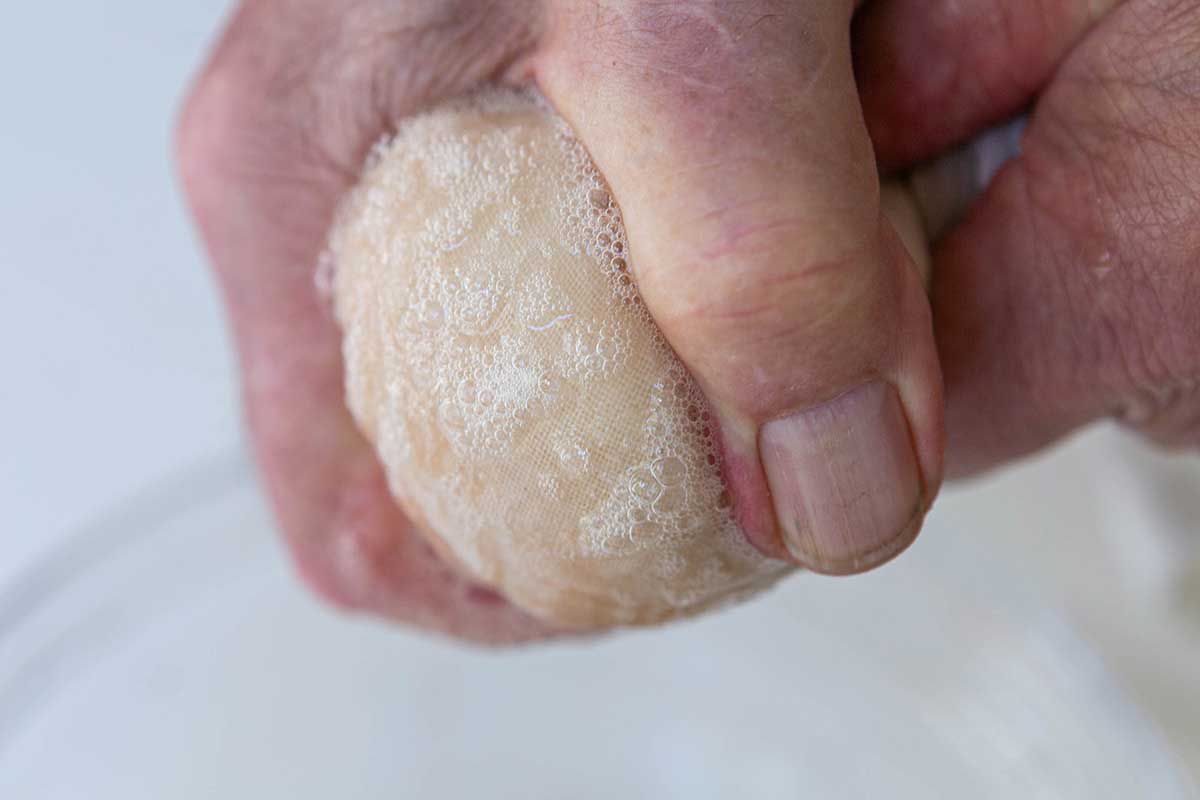
Spread the shredded potatoes on a towel. Fold it over and squeeze tightly. You need to remove as much water as possible to ensure crispiness.
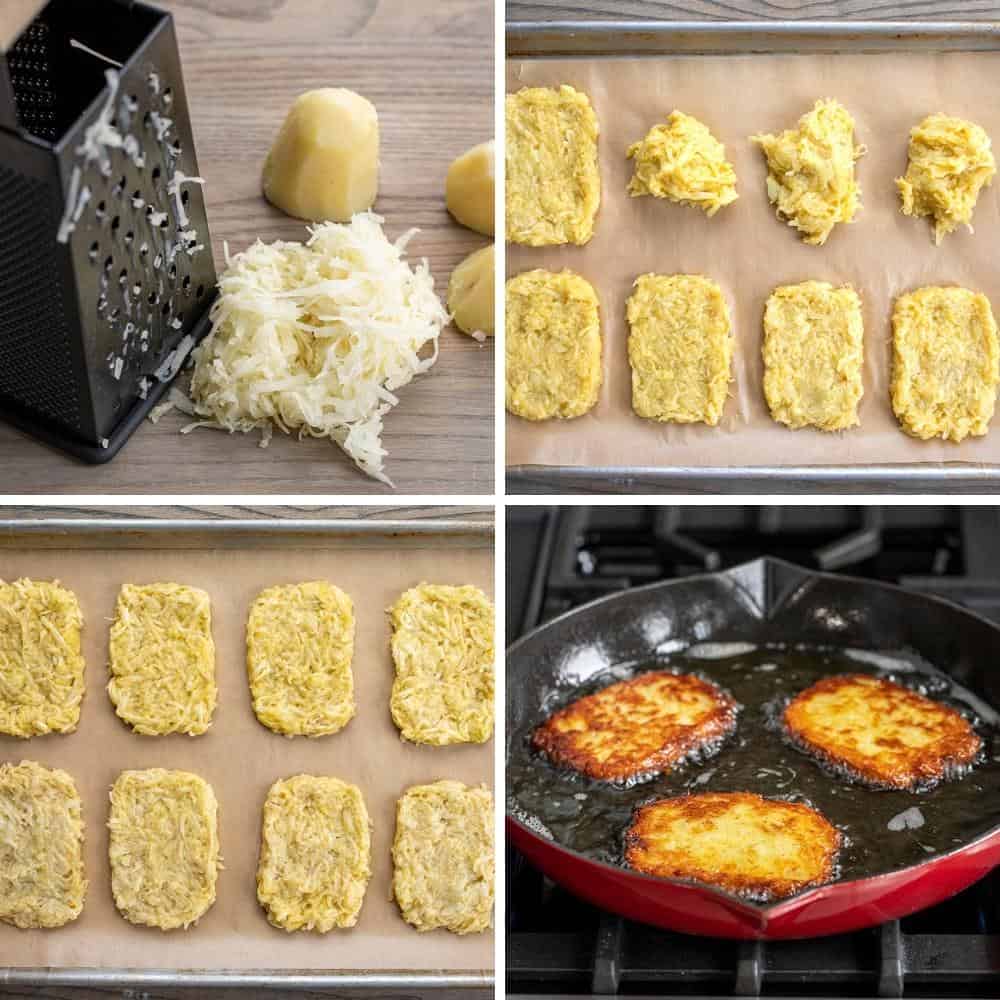
Toss the dried shreds with salt and your chosen fat. Use a mix of butter for flavor and neutral oil for a higher smoke point. Coat every strand evenly.
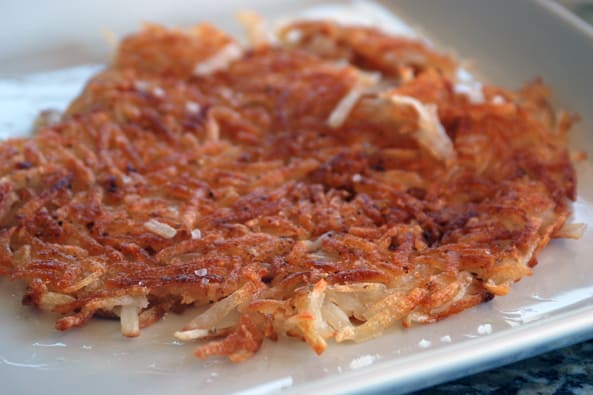
Heat your skillet over medium-high heat. Add your fat and let it shimmer before adding the potatoes. The pan needs to be hot enough to sizzle immediately upon contact.
Cook in a hot cast iron skillet
The skillet is where the magic happens, but only if you respect the heat. A cast iron pan is the gold standard here because it holds temperature steady and radiates it evenly. This consistency is what turns soggy potato shreds into a golden, shattering crust. If your pan isn’t hot enough, the potatoes will steam in their own released moisture. If it’s too hot, you’ll burn the outside before the inside cooks through.
Start by preheating your cast iron skillet over medium-high heat. This might take five to seven minutes. You want the pan to be hot enough that a single drop of water sizzles and dances across the surface. Once it’s ready, add your fat. A combination of butter and oil works best: the oil raises the smoke point so you don’t burn the butter, while the butter adds the rich flavor that makes hash browns taste like breakfast. Swirl it around until it foams slightly.
Press, don’t stir
Now, add the shredded potatoes. Spread them out into an even layer. This is the most critical moment for texture. Do not stir. Stirring breaks up the potatoes, prevents a unified crust from forming, and releases more starch that turns gummy. Instead, press down firmly with a spatula. You want to compact the shreds so they stick together but still have some air pockets for crispiness.
Let them cook undisturbed for about 5 to 7 minutes. Watch the edges. They should turn a deep golden brown and start to release from the pan. If they’re sticking, the pan isn’t hot enough or you haven’t given it enough time. Patience here pays off. The bottom layer needs time to dehydrate and caramelize.
The flip
When the bottom is crisp and the edges are pulling away, it’s time to flip. If you’re confident, you can flip the entire patty in one go using a plate. Otherwise, use a wide spatula to divide the hash browns into quarters or halves and flip each section. You want to preserve the crust you just built.
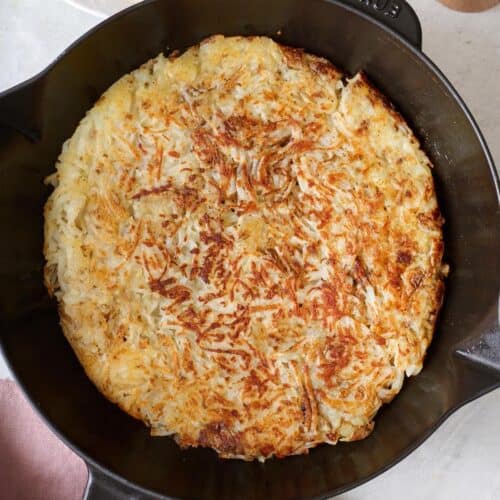
Cook the second side for another 5 to 7 minutes until it matches the first. The result should be a uniform golden-brown color with a satisfying crunch when you tap it. Serve immediately while the heat is still working in your favor.
Heat your cast iron skillet over medium-high heat for 5–7 minutes. Test the temperature by flicking a drop of water onto the surface; it should sizzle and evaporate instantly. This ensures the potatoes sear rather than steam.
Add a mix of oil and butter to the hot pan. Once the butter foams, spread the shredded potatoes in an even layer. Press down firmly with a spatula to compact them, creating a solid base for the crust.
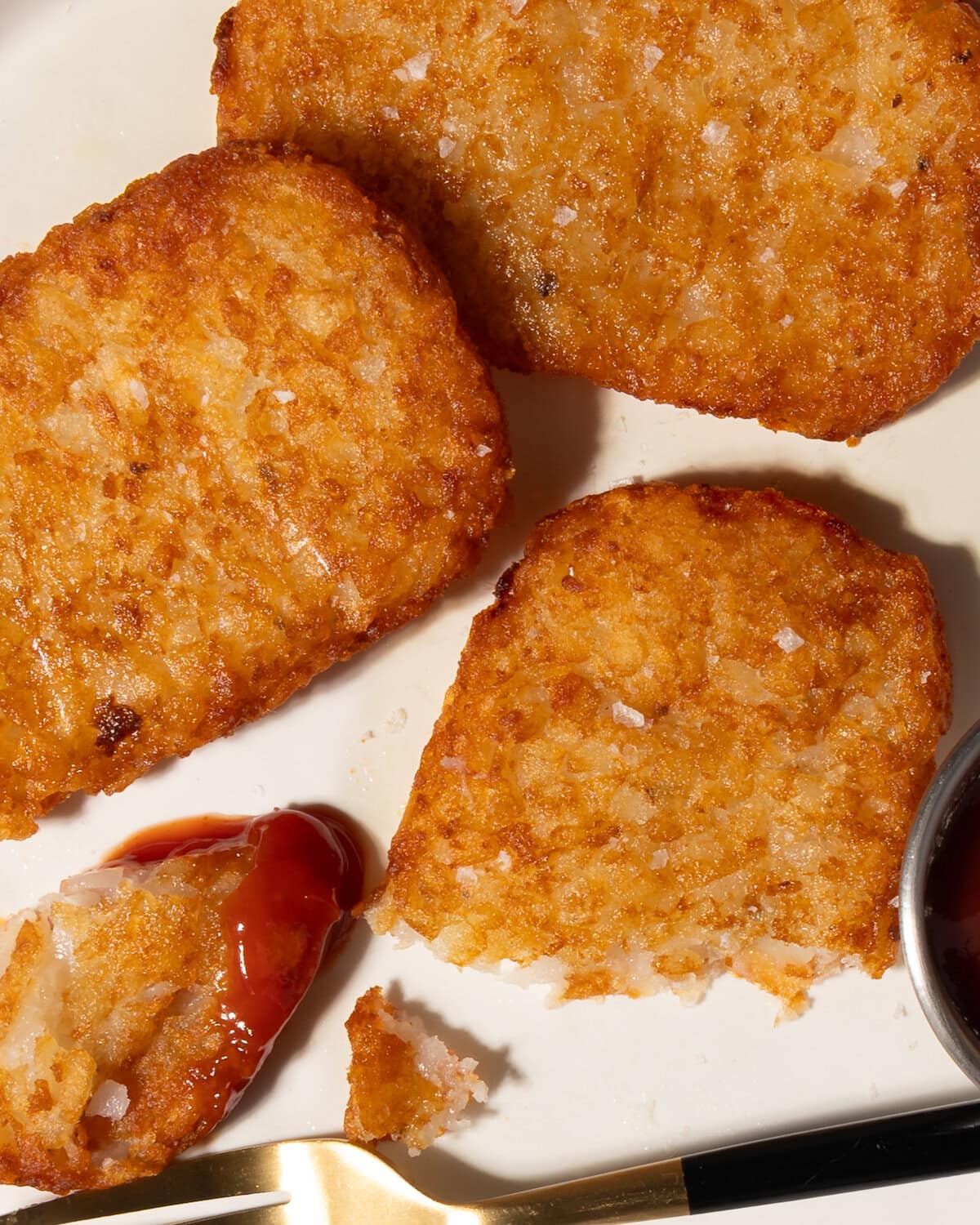
Resist the urge to stir. Let the hash browns cook undisturbed for 5–7 minutes. Watch for the edges to turn golden brown and begin releasing from the pan. This time is essential for moisture evaporation and caramelization.
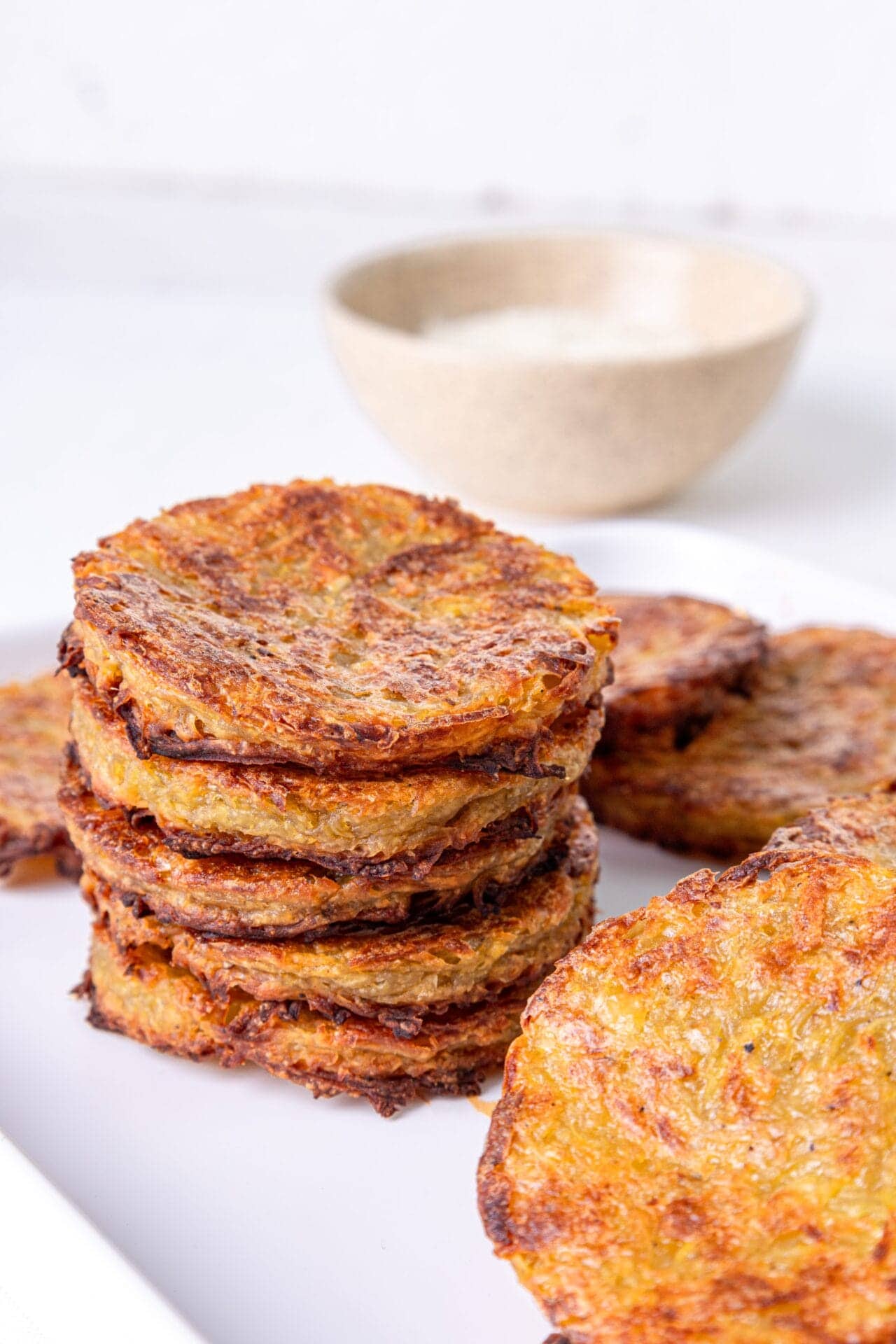
Flip the hash browns into quarters or halves. Cook the second side for another 5–7 minutes until equally crisp and golden. Serve immediately to enjoy the contrast between the crunchy exterior and fluffy interior.
Fix common hash brown mistakes
Even seasoned cooks can end up with soggy or burnt hash browns. The problem usually comes down to two things: leftover moisture and inconsistent heat. When potatoes are too wet, they steam instead of crisp. When the pan is too hot, the outside burns before the inside cooks through.
Start by squeezing your shredded potatoes dry. Use a clean kitchen towel or cheesecloth and wring out as much liquid as possible. This step is non-negotiable for achieving that golden crunch. If the potatoes are damp, they will stick to the skillet and turn mushy.
Next, watch your heat. Medium-high is the sweet spot. If the oil smokes immediately, your pan is too hot. If the potatoes sizzle weakly, it is too low. Preheat the pan for a few minutes before adding fat, then let the hash browns cook undisturbed. Moving them around too early breaks the crust and causes sticking.
Place shredded potatoes in a towel and wring tightly to remove excess water. Dry potatoes crisp up; wet potatoes steam.
Heat your pan over medium-high heat for a few minutes before adding oil. This ensures even browning without burning.
Resist the urge to stir. Let the bottom form a solid crust before flipping. This prevents sticking and ensures crispiness.
Best tools for crispy hash browns
You can’t force crispiness with heat alone. If the potatoes are wet, they steam instead of fry. The right tools help you remove that moisture and create the surface area needed for a golden crust.
Shredding options
How you cut the potato changes the texture. A box grater gives you control but takes effort. A food processor is fast but can turn potatoes into mush if you aren’t careful. Dedicated shredders strike a balance, offering speed with consistent, wispy shreds that crisp up evenly.
| Tool | Speed | Texture | Effort |
|---|---|---|---|
| Box Grater | Slow | Variable | High |
| Food Processor | Fast | Mushy risk | Low |
| Dedicated Shredder | Medium | Consistent | Medium |
The skillet matters
Cast iron is the gold standard for hash browns. It holds heat steadily, which is essential for browning. Stainless steel works if you preheat it properly, but it’s less forgiving. Nonstick pans often fail to get hot enough to create that deep, crunchy exterior.
Recommended gear
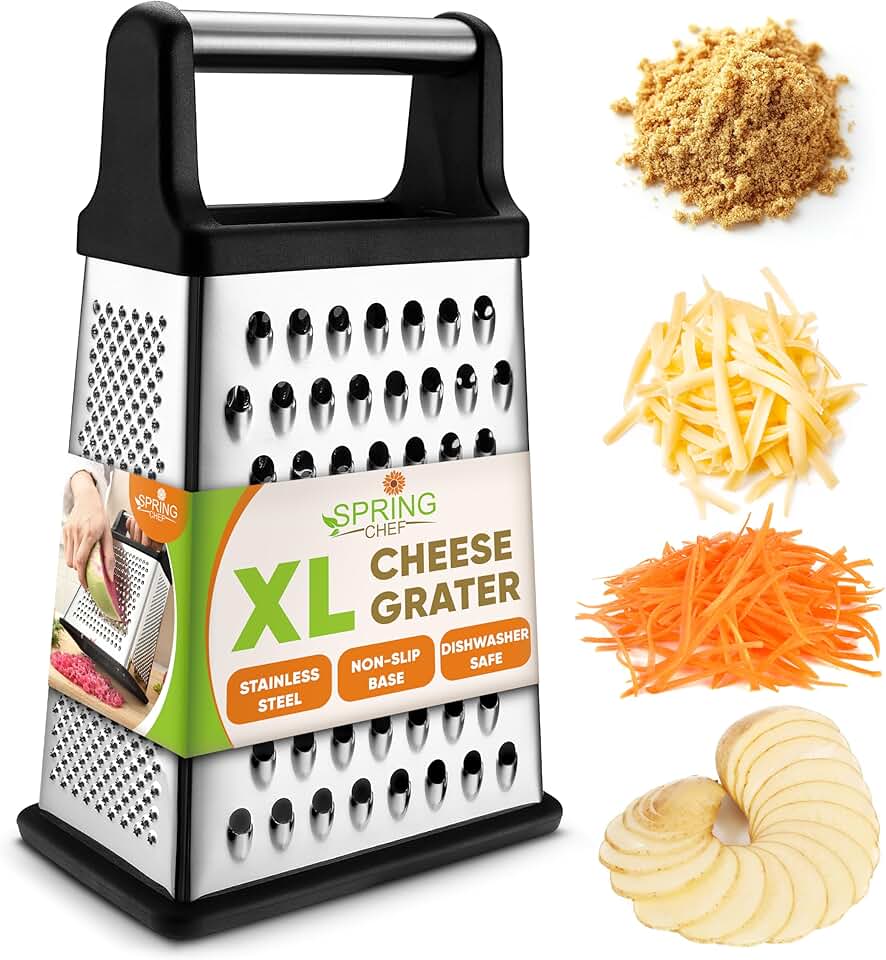

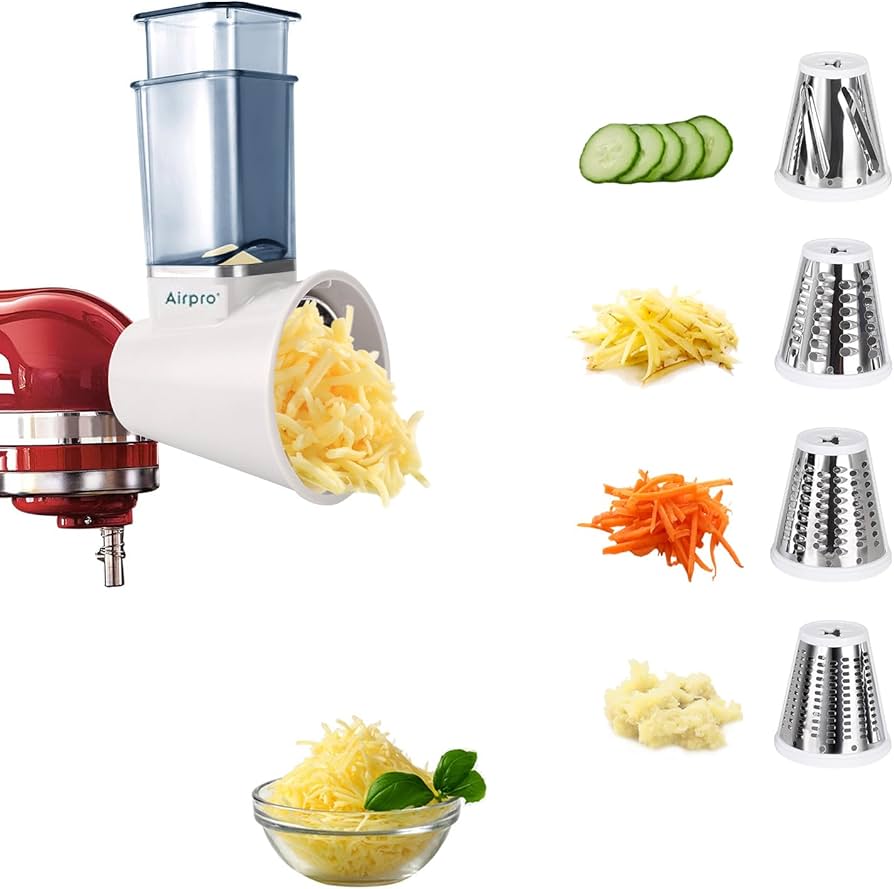
As an Amazon Associate, we may earn from qualifying purchases.
Watch the perfect hash brown technique
This is the moment where most cooks panic. The goal isn't just to flip the patty; it's to do so without breaking the fragile, golden crust you've spent ten minutes building. Watch how the spatula slides under the entire edge before lifting, keeping the structure intact.
The secret to that shattering crunch is moisture control. If the potatoes were steamed or boiled, they'd turn mushy. By grating and squeezing them dry, you're removing the water that creates steam. This allows the starches to fry directly in the oil, creating a rigid, crispy shell instead of a soggy interior.
Hash brown prep checklist
Before you turn on the stove, gather your tools and ingredients. This prevents scrambling when the pan is hot and helps you focus on the most important part: moisture removal.
- Russet potatoes: Starchy potatoes break down best, creating those wispy, golden edges.
- Cast iron or nonstick skillet: Cast iron holds heat for a consistent crunch; nonstick is easier for cleanup.
- Box grater or food processor: To shred the potatoes into uniform strips.
- Clean kitchen towels or cheesecloth: Essential for squeezing out every drop of water.
- High-smoke-point oil: Vegetable, canola, or avocado oil stands up to the heat better than butter.
Dry potatoes are crispy potatoes. If your potatoes feel wet or slimy after shredding, keep squeezing. That moisture is the enemy of crunch.
No comments yet. Be the first to share your thoughts!