
Why moisture kills crispiness
Water is the enemy of the crispy hash brown. When grated potatoes hit hot oil, the surface temperature must rise above 212°F (100°C) to evaporate surface water and begin the Maillard reaction—the chemical process that creates that golden-brown crust. If the potatoes are saturated, the oil temperature drops rapidly as it fights to boil off the excess liquid. Instead of frying, the hash browns steam in their own juices, resulting in a pale, soggy, and limp patty.
Think of the potato like a sponge. A full sponge won't absorb anything new; it just drips. To get crispiness, you need to wring that sponge dry before it ever touches the pan. This is the single most important technique in the entire recipe, more critical than the type of potato or the amount of oil you use.
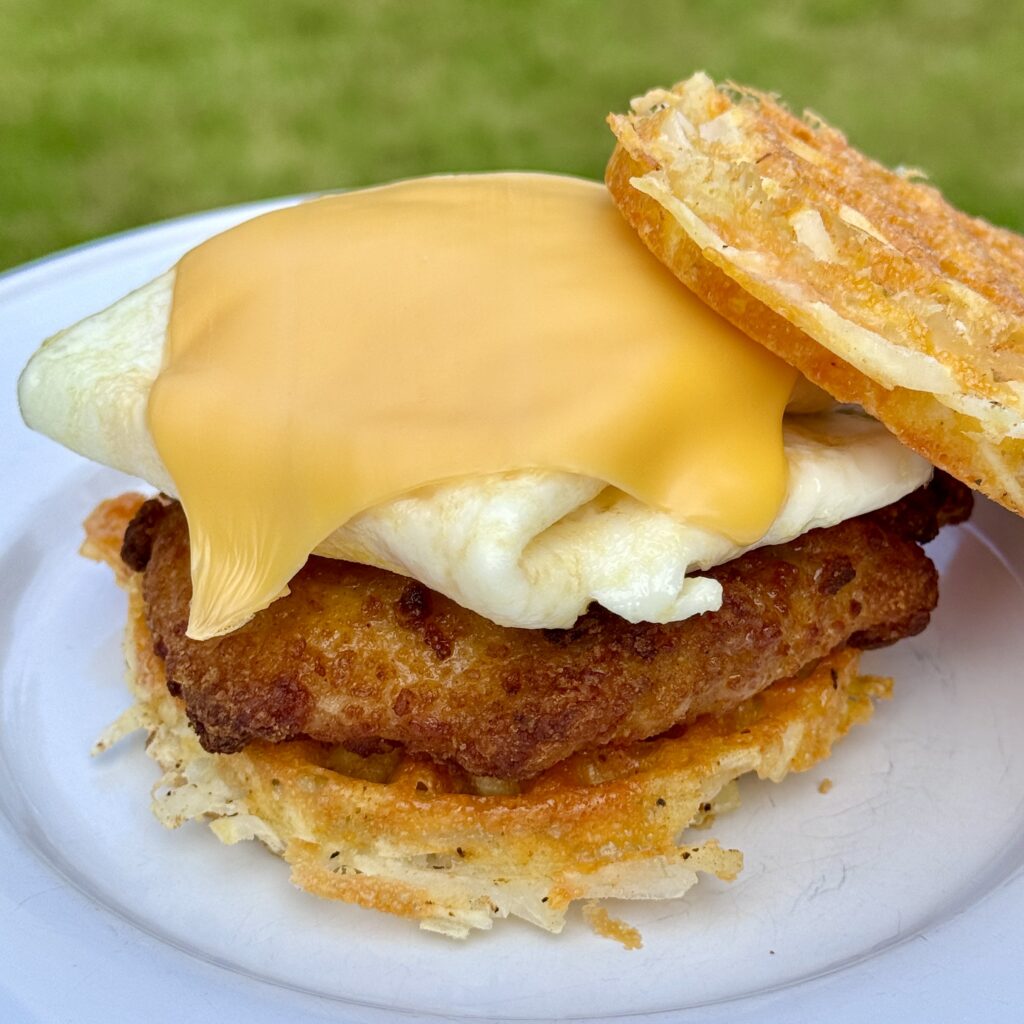
Professional kitchens often use a salad spinner or a clean kitchen towel to press out this moisture, but a sturdy cheesecloth or a clean dish towel works just as well. The goal is to leave the potato shreds feeling dry to the touch. Once the water is gone, the oil can immediately begin searing the starches, creating those distinct, crunchy edges that define a perfect hash brown.
Choose the right potato
The foundation of crispy hash browns is the potato itself. Not all varieties cook the same way. You want a potato that is high in starch and low in moisture. This combination allows the shreds to crisp up in the skillet without turning into a soggy, steamed mess.
Russet potatoes are the standard choice for this dish. Their high starch content helps the exterior form a golden, crunchy crust while the interior stays tender. Waxy potatoes, like red or Yukon Gold, hold too much water and have less starch. They tend to clump together and steam rather than fry, resulting in a soft texture that lacks the desired crunch.
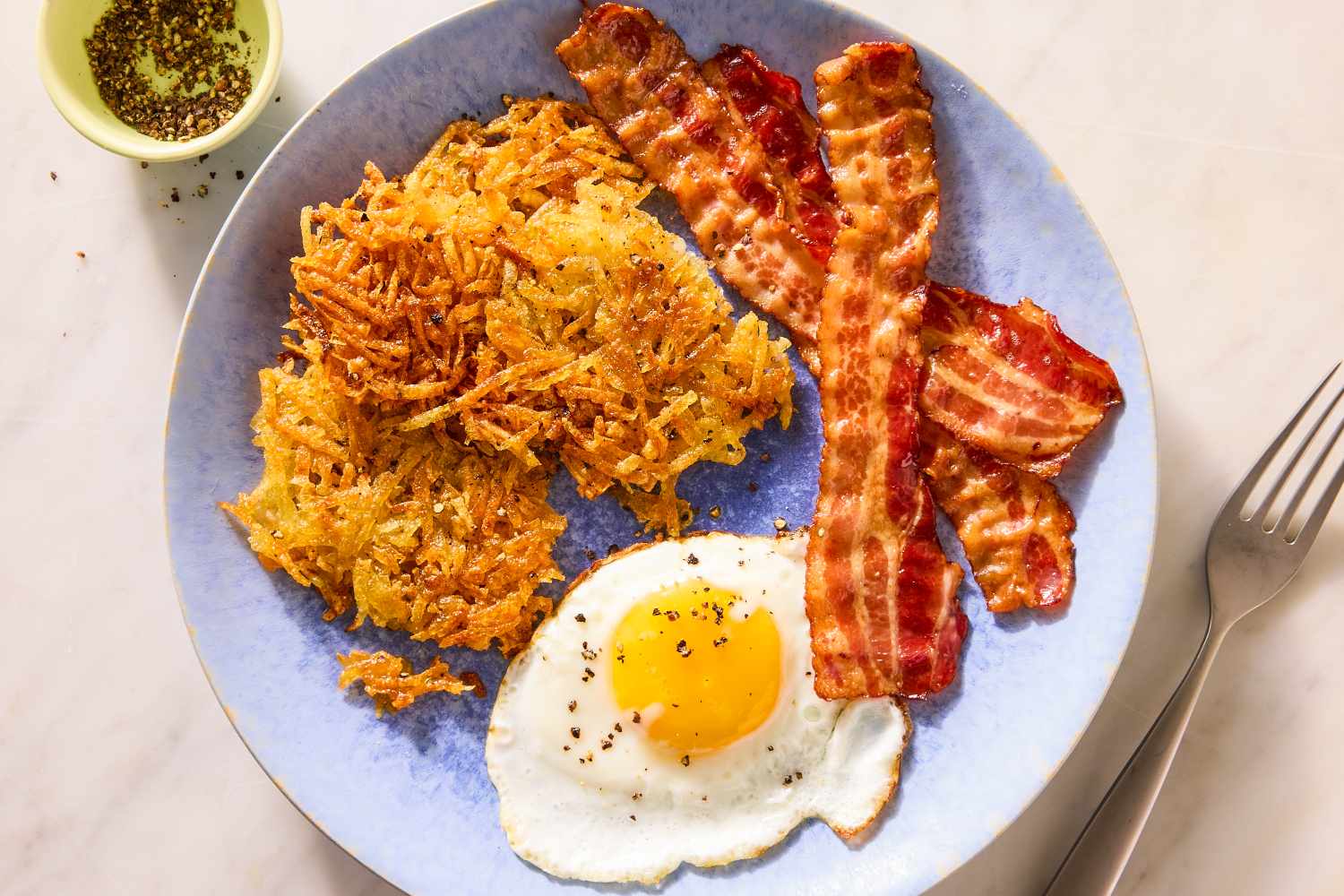
Use this table to see why Russets are the better option for your skillet:
| Variety | Starch Level | Moisture | Hash Brown Result |
|---|---|---|---|
| Russet | High | Low | Crispy, golden crust |
| Red | Low | High | Soft, steamed texture |
| Yukon Gold | Medium | Medium | Creamy, less crispy |
Shred and Squeeze for Maximum Crisp
The difference between a soggy pancake of potatoes and a shatteringly crisp hash brown comes down to one thing: moisture. Raw potatoes are mostly water. If you leave that water in, it turns to steam in the skillet, steaming the potatoes instead of frying them. To get that diner-style crunch, you need to remove as much liquid as possible before the pan even gets hot.
Start by peeling your potatoes and shredding them. A box grater works fine, but a food processor with the shredding disk is faster and more consistent. You want thin, uniform strips so they cook evenly. Once shredded, pile them into a clean kitchen towel or a piece of cheesecloth.
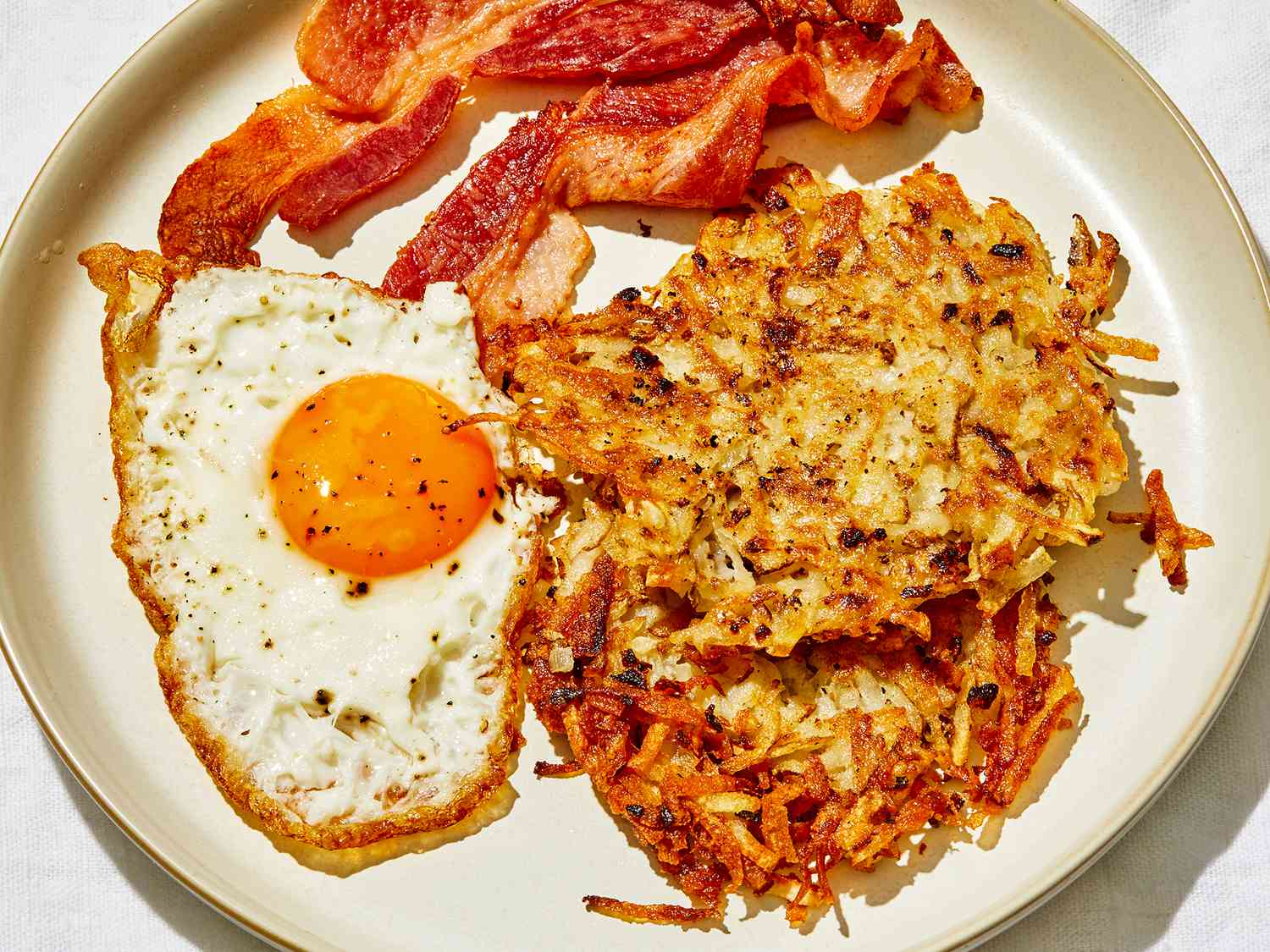
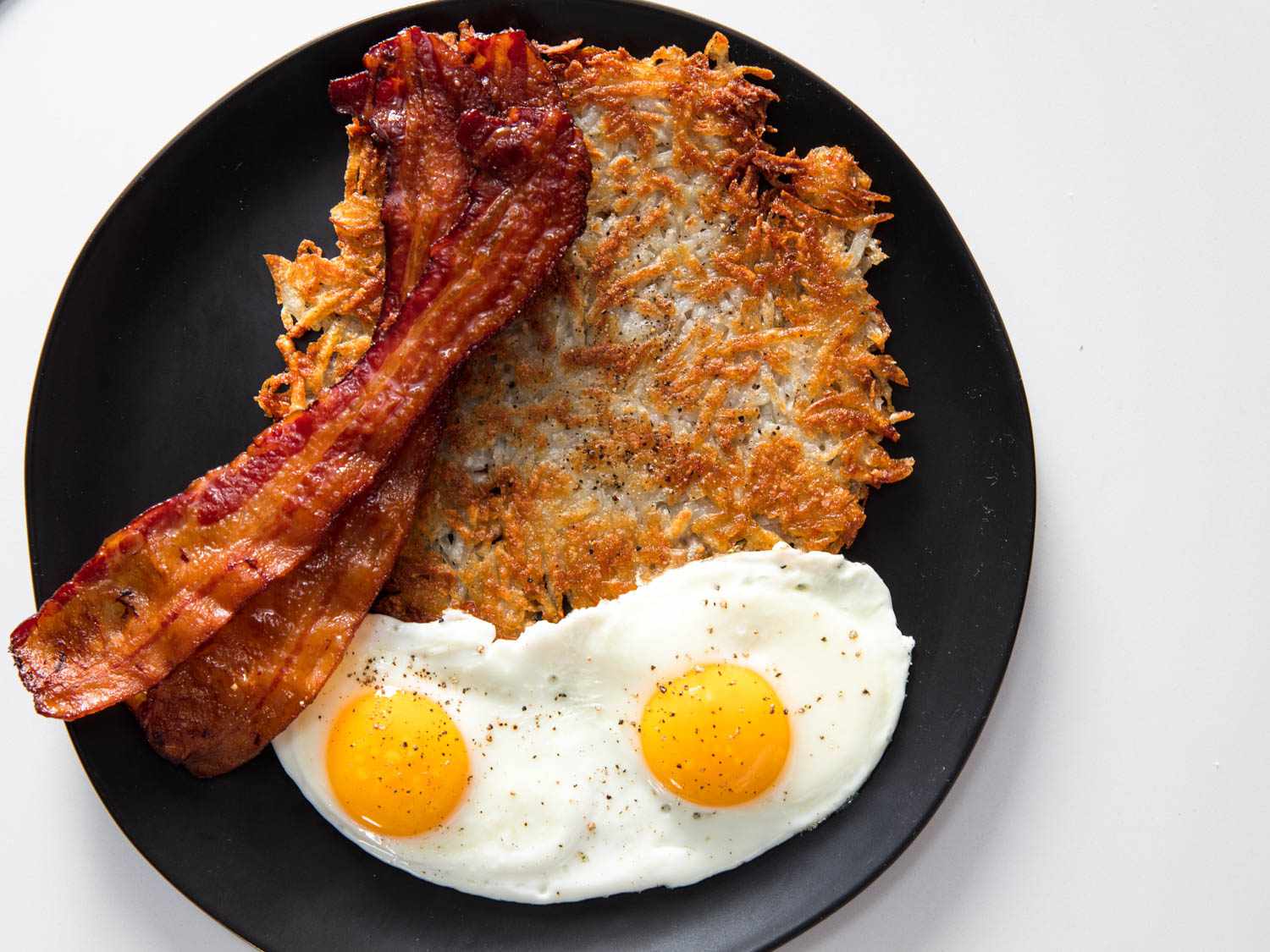
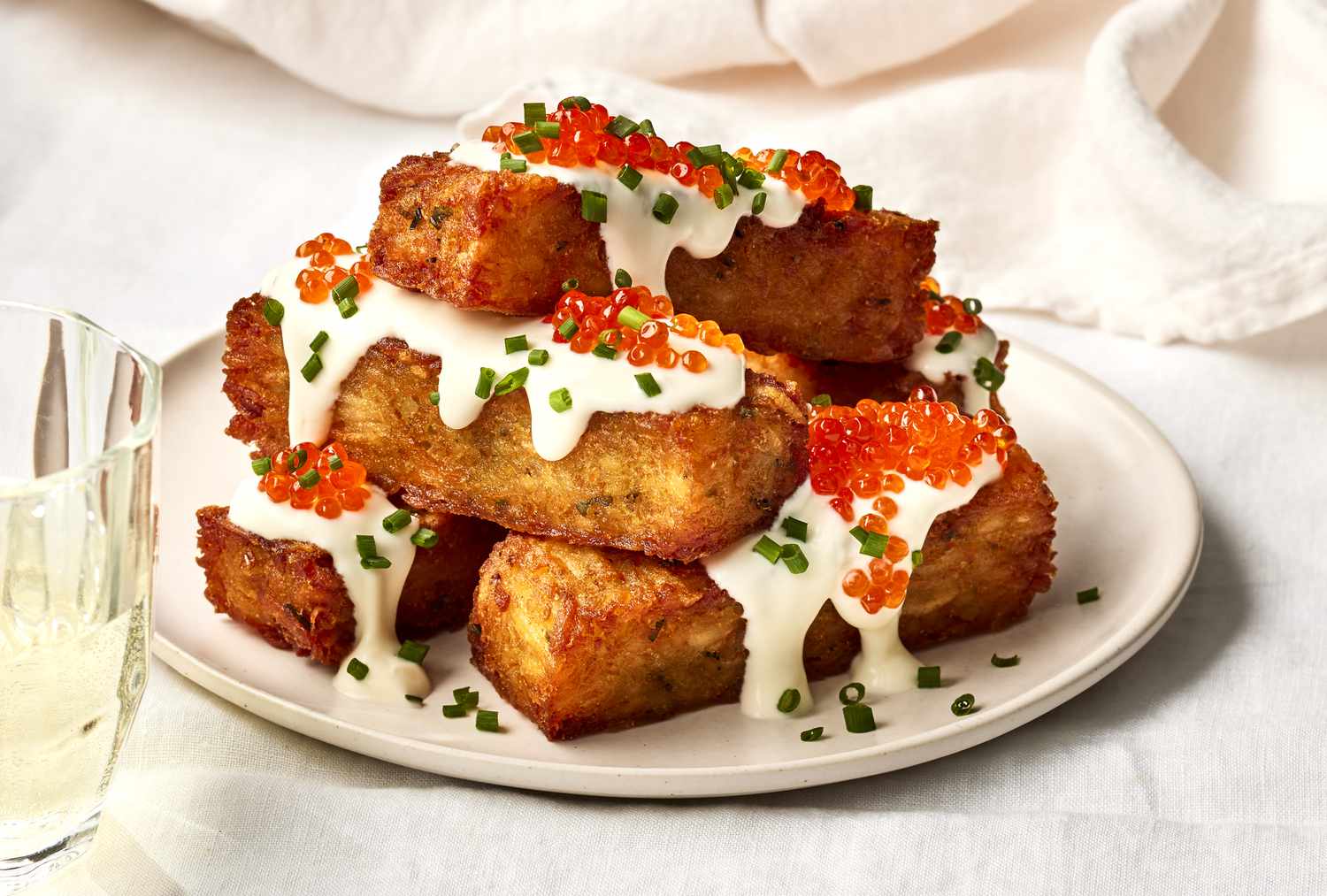
A good rule of thumb is that your potatoes should feel almost dry to the touch before they hit the oil. If you’re unsure, squeeze one more time. Dry potatoes equal crispy hash browns. This technique is the secret to getting that golden, crunchy exterior without the mushy center.
Frying for a golden crust
Achieving that uniform, shattering crunch requires patience and heat control. The goal is to drive moisture out of the potato shreds without burning the exterior before the inside cooks through. Think of the skillet as an oven that cooks from the bottom up; the oil is the conductor, and the patty is the instrument.
Heat management and oil choice
Start with a heavy-bottomed skillet, preferably cast iron, which holds heat steadily. Add enough oil to coat the bottom generously—about two tablespoons of neutral oil like vegetable or canola. Heat the pan over medium-high until the oil shimmers but doesn't smoke. If the oil is too cool, the hash browns will absorb it and turn greasy; if it's too hot, they will burn before crisping.
Pressing and forming the patty
Once the oil is hot, add the shredded potatoes. Spread them into an even layer, about half an inch thick. Use a spatula to press down firmly, compacting the shreds into a single cohesive patty. This pressure is essential; it ensures maximum surface contact with the hot pan, creating a continuous crust rather than loose, separate pieces. Don't be afraid to press hard—the more compact the patty, the better the structural integrity during flipping.
Flipping for even browning
Let the hash browns cook undisturbed for five to seven minutes. Resist the urge to peek or lift the edges too early. You are waiting for the bottom to turn a deep, uniform golden brown. To check, gently lift a corner with a spatula; if it releases easily and looks crisp, it's ready. Flip the entire patty in one confident motion, or divide it into quarters if you prefer smaller portions. Cook the second side for another four to five minutes until equally golden.
Resting and serving
Transfer the cooked hash browns to a wire rack set over a baking sheet, or place them on a paper towel-lined plate to drain excess oil. Let them rest for a minute or two. This allows the crust to set and stay crisp rather than steaming itself soft in a pile. Serve immediately for the best texture, as hash browns lose their crunch quickly as they cool.
Crispy Hash Browns Recipe
This recipe delivers diner-style hash browns with a golden, crunchy exterior and a tender center. The secret lies in squeezing out excess moisture from the potatoes before frying. Use the precise measurements below for consistent results every time.
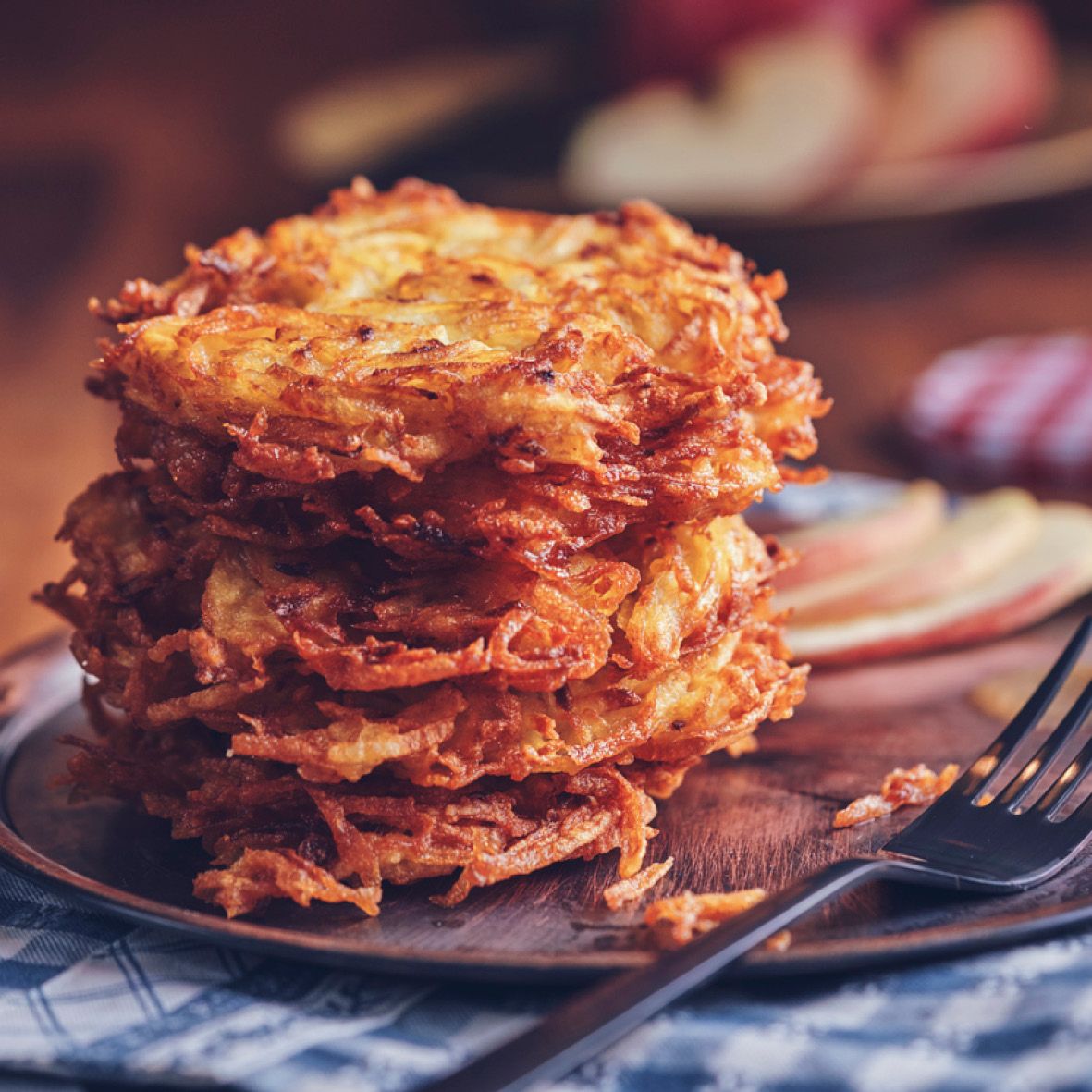
These hash browns pair perfectly with scrambled eggs, bacon, or a simple fried egg. For best results, serve them straight from the skillet to maintain that essential crunch.
Common hash brown mistakes
Even experienced cooks run into trouble when making hash browns. Soggy centers, broken patties, and burnt edges are the usual suspects. The fix almost always comes down to moisture control and heat management.
Soggy centers
Water is the enemy of crisp. If your hash browns steam instead of fry, they will turn mushy. Squeeze the shredded potatoes in a clean kitchen towel until no more liquid comes out. Dry potatoes hit the hot oil and sear immediately. Bon Appétit recommends squeezing with all your might to remove every drop.
Broken patties
Shredded potatoes have no natural binder, so they fall apart if you move them too soon. Wait for a solid crust to form on the bottom before you flip. If the patties are still loose, press them gently with a spatula to help them stick together. A little starch from the potatoes helps, but patience is the real secret.
Burnt edges
High heat creates crunch, but it also scorches. If the edges turn black before the center cooks, your pan is too hot or the oil is smoking. Lower the heat to medium and let the hash browns cook slowly. This gives the inside time to soften without burning the outside.
Frequently asked: what to check next
Can I make crispy hash browns ahead of time?
You can prep the potatoes up to a day in advance. Shred the potatoes, rinse them, and then store them submerged in cold water in the refrigerator. This keeps them from turning brown. When you are ready to cook, drain and dry them thoroughly. Moisture is the enemy of crispiness, so squeeze out every drop before adding them to the skillet.
How do I reheat leftover hash browns?
Skip the microwave, which will make them soggy. Reheat them in a skillet over medium heat with a little butter or oil. This restores the crunch and brings back the golden color. You can also use an air fryer at 375°F for about five minutes to get them hot and crispy again.
What is the best potato for hash browns?
Use starchy russet potatoes. Their low moisture and high starch content help create a crispy exterior and a tender interior. Waxy potatoes like red or Yukon Gold hold too much water and tend to steam rather than fry, resulting in a softer, less crunchy texture.
No comments yet. Be the first to share your thoughts!