
Choose the right potato
Russet potatoes are the only viable choice for maximum crispiness. Their high starch and low moisture content create the structural integrity needed to turn golden and crunchy in a skillet. Waxy varieties like red or Yukon Gold hold too much water and bind too tightly, resulting in a mushy, steamed texture rather than a crisp crust.
The rough, starchy exterior of a russet provides more surface area for browning. When shredded, these potatoes release starch that acts as a natural binder, holding the shreds together while allowing moisture to escape during cooking. This specific starch-to-water ratio is what separates restaurant-quality hash browns from soggy home attempts.
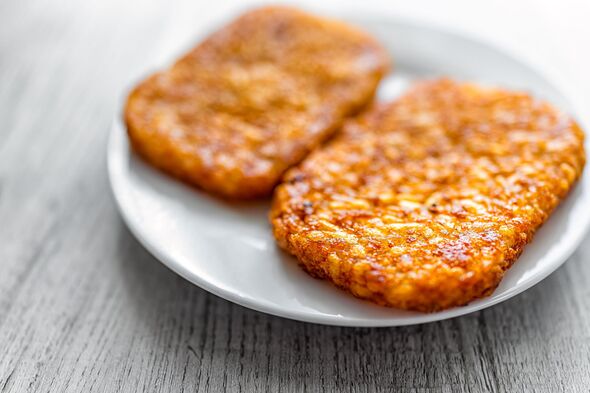
| Potato Type | Starch Content | Moisture Level | Best For |
|---|---|---|---|
| Russet | High | Low | Crispy hash browns |
| Yukon Gold | Medium | Medium | Creamy mashed potatoes |
| Red Bliss | Low | High | Potato salads |
Selecting the correct tuber is the foundation of the recipe. Without the right starch profile, no amount of technique can compensate for the inherent moisture content that prevents proper Maillard reaction and crisping.
Shred and rinse the starch
Start by shredding the potatoes using the large holes of a box grater or a food processor fitted with a shredding disk. Uniform shreds cook evenly, but the real secret to crispiness happens in the water.
Raw potatoes are coated in surface starch, which turns gummy when heated. If you skip rinsing, your hash browns will steam instead of fry, resulting in a pale, soft texture rather than a golden crust. Treat this step like washing sand off a tool: you need to remove the fine dust before building.
Place the shredded potatoes in a large bowl of cold water. Swirl them around with your hands for about 30 seconds, then lift them out. The water will be cloudy with starch. Repeat this process two or three times until the water runs clear and the shreds feel slick rather than slimy.
Once rinsed, you must remove every drop of water. Moisture is the enemy of the Maillard reaction, the chemical process that creates browning and crispness. Squeeze the shreds in a clean kitchen towel or cheesecloth until they are as dry as possible. Only then are they ready for the skillet.
Remove all moisture
Water is the enemy of crispiness. When wet potato shreds hit hot oil, the surface temperature stalls at 212°F (100°C) as long as liquid remains. The potatoes steam instead of fry, creating a gummy, pale exterior that collapses under a spatula. Removing that water before it reaches the pan is the single most important factor in achieving a golden, crunchy crust.
Start with your shredded potatoes. Place them in a clean, lint-free kitchen towel or a set of paper towels. Gather the edges and twist tightly, applying firm, sustained pressure. You will see a significant amount of cloudy water release from the shreds. Do not be gentle; the potato structure is tough enough to withstand the squeeze. Continue twisting and wringing until the towel feels damp but no more liquid beads form between your fingers.
For a more thorough dry, use a potato ricer or a clean cheesecloth. Press the shreds firmly through the ricer to extract hidden moisture trapped between the strands. If using cheesecloth, wrap a handful of shreds and press down with the heel of your hand. This method is particularly effective for large batches where a towel might slip or tear.
A dry potato shreds should feel cool and separate easily, not clumped or slick. If they still feel damp to the touch, repeat the pressing process with a fresh, dry towel. This step takes only a few minutes but transforms the final texture from soggy to shatteringly crisp. As culinary experts note, the secret to the crispiest hash browns is removing as much moisture as possible before frying.
Cook with high heat fat
The foundation of a crispy hash brown is the fat. Use a high smoke-point oil, such as vegetable or canola, or clarified butter (ghee). Regular butter burns at the temperatures required for a hard crust, turning bitter before the potatoes brown. Clarified butter removes the milk solids, allowing you to push the heat higher without scorching the fat.
Heat the skillet over medium-high to high heat until the oil shimmers and ripples. You need enough fat to coat the bottom generously—about two tablespoons for a standard 10-inch skillet. The oil should be hot enough that a single shred of potato sizzles immediately upon contact. If the fat is lukewarm, the potatoes will absorb it like a sponge, resulting in a greasy, soggy texture rather than a crisp exterior.
Once the pan is hot, spread the shredded potatoes in an even layer. Do not stir. Let the bottom layer fry undisturbed for five to seven minutes. The goal is to build a continuous, golden-brown crust. Stirring too early breaks the starch bonds before they set, preventing that essential crunch.
Flip Only Once
Patience is the difference between a shattered hash brown and a golden crust. Most home cooks fail here because they check the bottom too early. The potato starch needs time to gelatinize and dry out against the hot skillet before it can release and crisp. If you lift the edges to peek while the bottom is still pale and soft, you will break the structural integrity of the patty. The result is a mushy interior and uneven browning that no amount of second-side cooking can fix.
Wait until the hash browns have been cooking for about seven to eight minutes. Look for the edges to turn a deep golden brown and, more importantly, to release naturally from the pan. When the sides pull away from the skillet wall without resistance, the bottom has formed a solid bond. This is the signal to flip. Use a wide spatula to support the entire mass, then flip it in one confident motion. Do not attempt to flip half at a time; this breaks the grid pattern and prevents uniform texture.
Once flipped, reduce the heat slightly to medium-low. The second side requires less time—usually five to seven minutes—because the interior is already cooking through. Press down lightly with the spatula to ensure even contact with the pan surface. The goal is a uniform crunch on both sides. If you rush this step, you risk burning the exterior before the center is hot. Let the second side develop its own crust without interference.
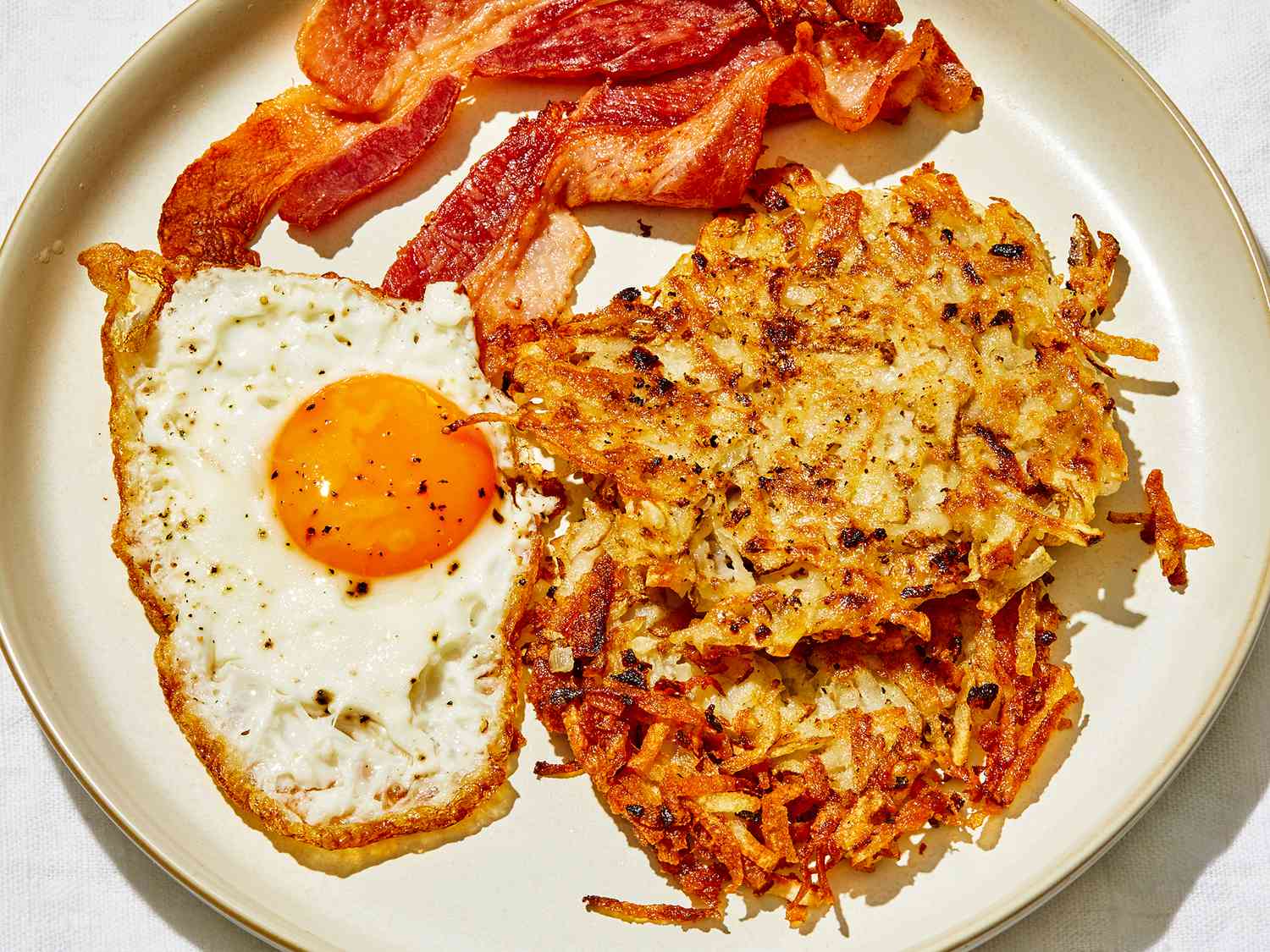
Wait until the edges of the hash browns turn golden brown and release naturally from the skillet. This indicates the bottom has formed a solid crust. Do not lift or wiggle the patty before this stage, as the starch is still soft and will break.
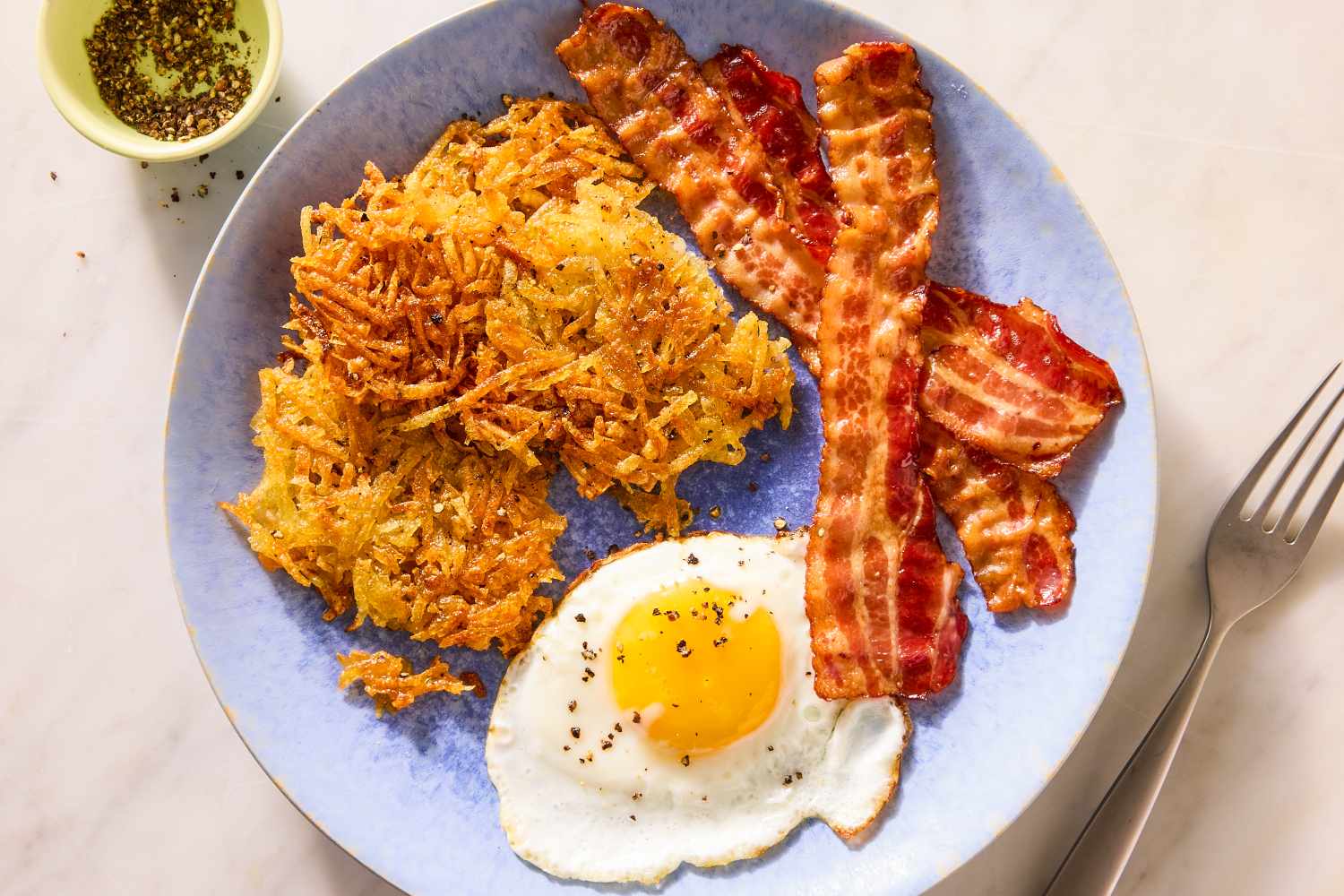
Use a wide, flat spatula to support the entire hash brown mass. Flip it in one confident motion to preserve the grid structure. Flipping half at a time breaks the patty and leads to uneven cooking and broken edges.
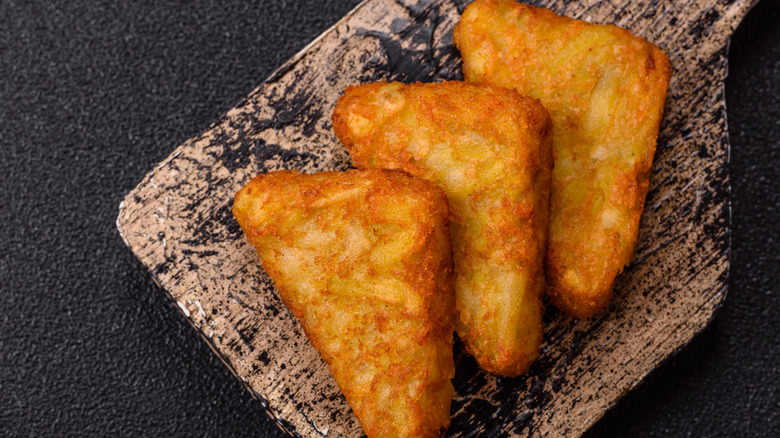
Reduce heat to medium-low and cook the second side for five to seven minutes. Press lightly with the spatula to ensure even contact. The second side needs less time than the first, as the interior is already cooking through.
Recipe and serving checklist
Making diner-style crispy hash browns comes down to moisture control and patience. Russet potatoes provide the necessary starch structure, but you must remove excess water to prevent steaming. The goal is a golden-brown crust that shatters when cut.
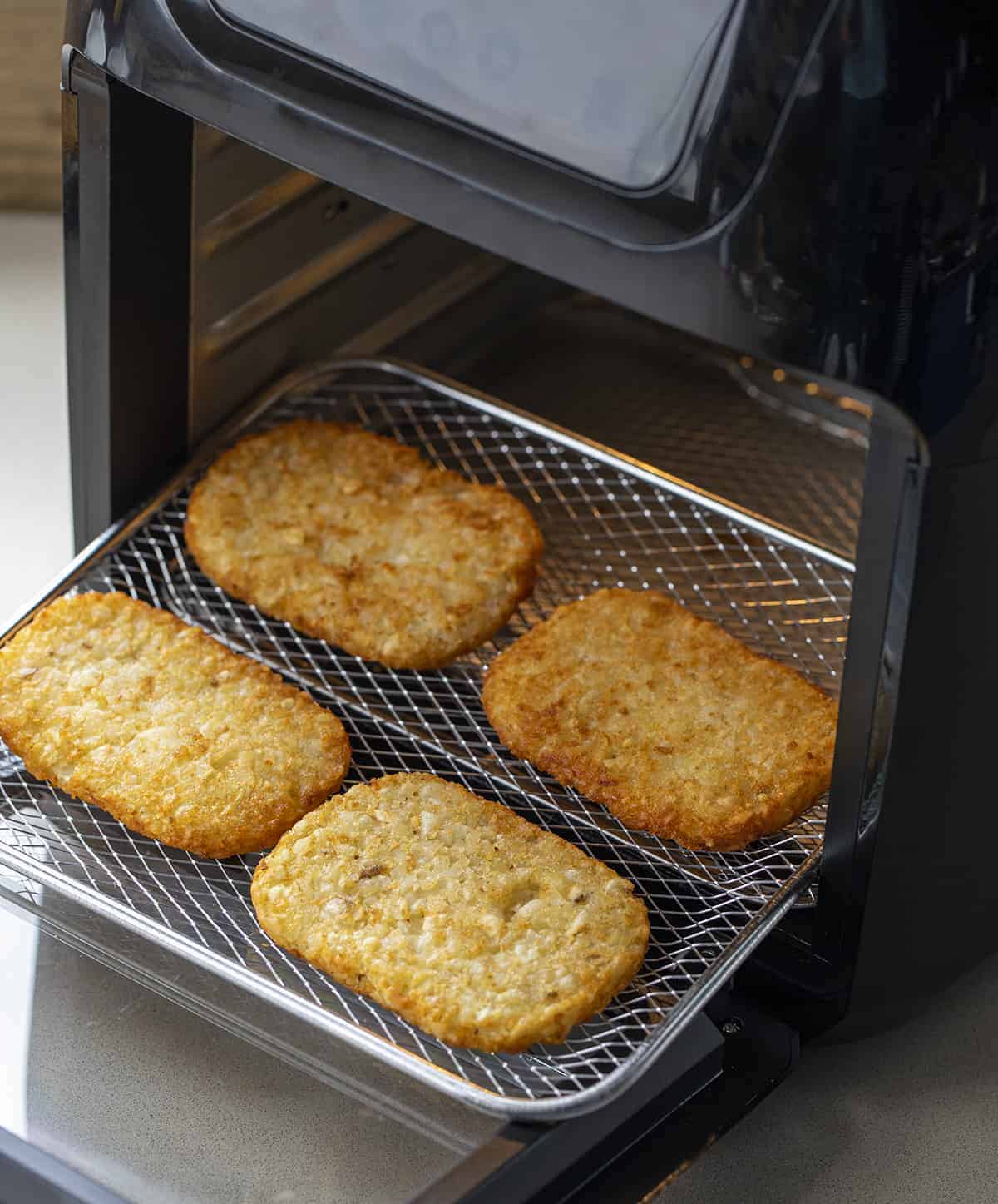
Fix soggy hash browns
Sogginess happens when moisture traps itself under the potato layer. Potatoes are mostly water, and if that water doesn’t evaporate quickly, it steams the shreds instead of frying them. The result is a pale, limp patty that breaks apart when you flip it. To fix this, you need to remove as much surface water as possible before the pan ever gets hot.
Why won’t my hash browns crisp?
The most common culprit is overcrowding the pan. If you pile too many shreds into the skillet, the temperature drops and the potatoes release more liquid than the heat can handle. You also need enough fat. Oil conducts heat better than air, so a thin, even layer of butter or oil helps conduct heat directly into the potato edges. If the oil is too cold, the potatoes absorb it like a sponge. If it’s too hot, the outside burns before the inside dries out.
How to make crispy hash browns like a restaurant?
Restaurants use high heat and minimal handling. They press the potatoes into a thin, uniform layer so every shred touches the hot surface. They also avoid stirring. Let the bottom crust form completely before flipping. If you try to move them too early, they stick and break. A heavy skillet or cast iron pan holds heat better than thin stainless steel, which helps maintain that critical crust-forming temperature.
No comments yet. Be the first to share your thoughts!