
Make the recipe
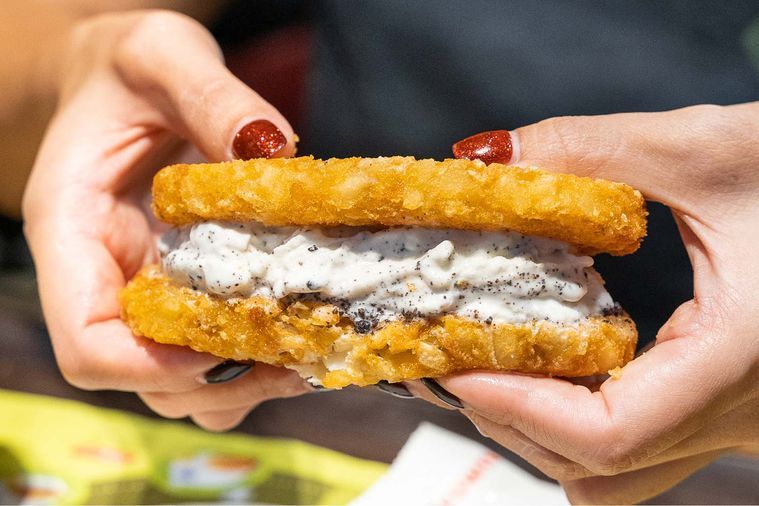
The viral hash brown hack relies on a simple principle: maximize surface area and moisture removal. By tossing frozen shredded hash browns with a little starch and spreading them thin, you create a structure that crisps up evenly without turning soggy or greasy. This method turns standard breakfast sides into golden, shatter-crisp patties that hold together.
Use a heavy skillet—cast iron is ideal for retaining steady heat. Start with medium-high heat to get the oil shimmering, then press the potatoes flat. Resist the urge to stir; let them sit undisturbed until a deep crust forms on the bottom. Flip only once, when the edges lift easily and the underside is dark golden brown.
Ingredients and timing
You need very few ingredients to get that perfect texture. The key is balancing the fat for crispness with a touch of starch to bind the shreds. This recipe yields two generous servings, perfect for a weekend breakfast or a side dish.
Troubleshooting common issues
If your hash browns are sticking, the pan likely wasn't hot enough before adding the oil, or you tried to flip them too early. Patience is the main ingredient here. If they are burning before crisping, lower the heat slightly; the cornstarch can caramelize quickly if the flame is too aggressive. For extra crunch, add a teaspoon of butter during the final minute of cooking.
Keep the texture right
The difference between a soggy, pale disc and a golden, shattering crust comes down to moisture control and heat management. Frozen hash browns are essentially pre-cooked potatoes that have absorbed water during processing. To fix them, you need to treat them like fresh shreds: dry them out first, then hit them with consistent, high heat.
Start by giving the frozen patties a rough shake or a quick press with paper towels to remove surface ice. This prevents steaming. Next, choose a fat with a high smoke point—vegetable oil, canola oil, or bacon grease works best. Butter alone will burn before the potatoes crisp up. Use enough fat to coat the bottom of the skillet generously; thin oil creates a barrier that stops sticking and promotes even browning.
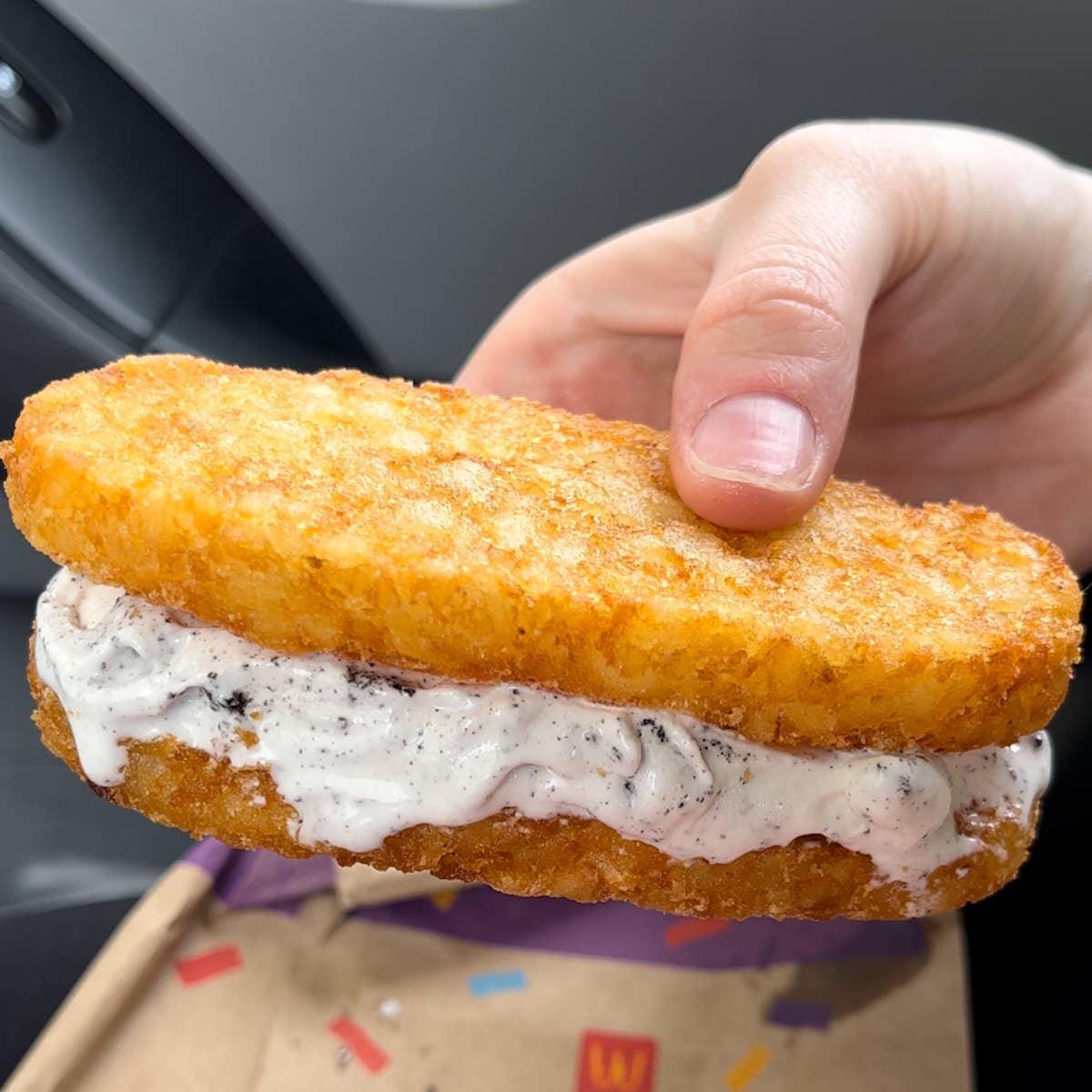
Wait until the pan is hot before adding fat. A medium-high heat setting is ideal. If the pan is too cool, the potatoes will absorb the oil and turn greasy. If it’s too hot, the outside burns while the inside stays cold. Test with a single shred; it should sizzle immediately.
Place the hash browns in the pan and press down firmly with a spatula. This maximizes contact with the hot surface, which is essential for the Maillard reaction. Do not move them for the first three to four minutes. Let the bottom set into a solid, golden crust. Moving them too early tears the fragile starch structure and releases moisture.
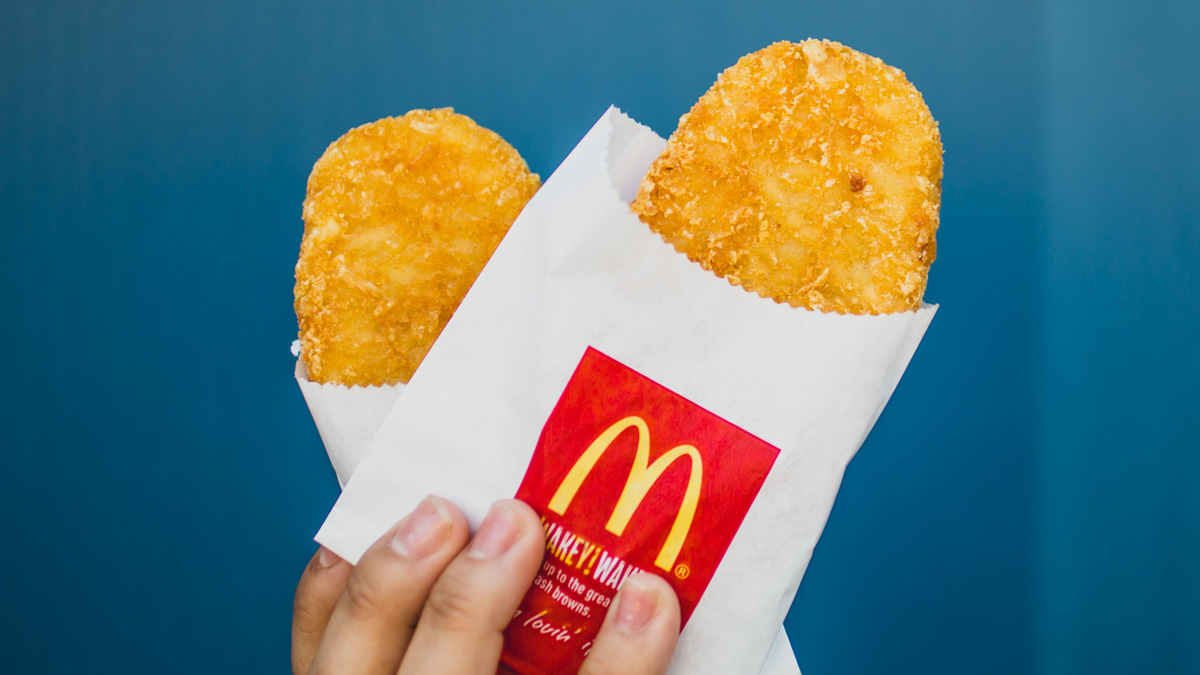
Flip only once. Check the underside; if it’s deep golden brown, it’s ready. If it’s still pale, give it another minute. Flipping repeatedly prevents a thick crust from forming and keeps the interior steamed rather than roasted. Cook the second side for two to three minutes until crisp.
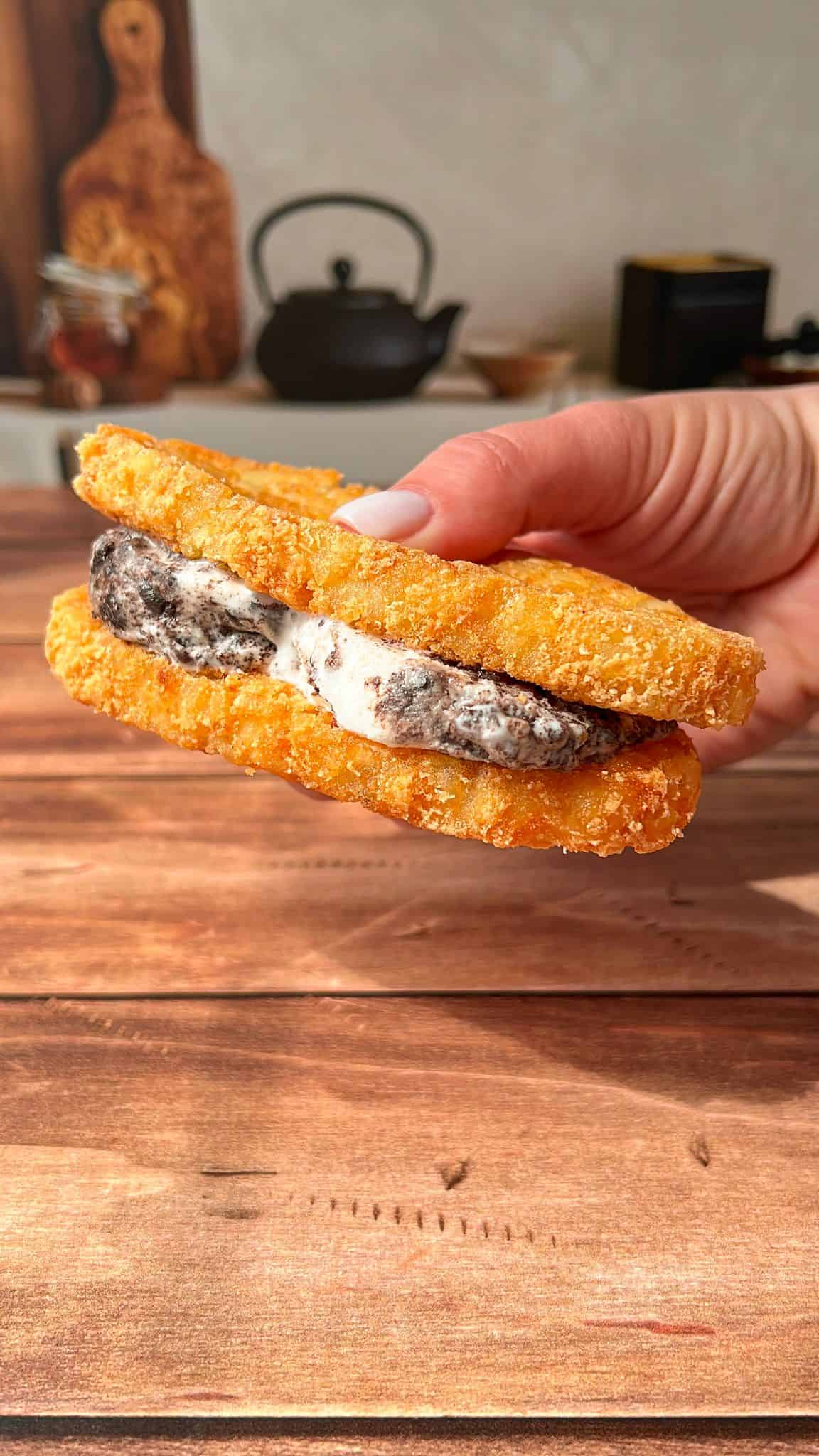
Transfer the cooked hash browns to a wire rack set over a baking sheet, not paper towels. Paper towels trap steam against the bottom, making your perfect crust soggy within minutes. A rack allows air to circulate, keeping the texture crisp until you’re ready to eat.
This method mirrors professional kitchen techniques for shredded hash browns, where moisture removal and direct heat contact are the only ways to achieve that signature shattering crunch. By avoiding the common mistake of overcrowding the pan or flipping too often, you ensure every bite is evenly cooked and textured correctly.
Swaps that still work
When you run out of a specific ingredient, knowing which substitutes hold up under high heat and pressure is what separates a soggy mess from a crispy patty. The goal is to maintain the structural integrity of the hash brown while preserving that golden-brown crust. Below are the most reliable swaps for fat, starch, and binding agents, evaluated by how they affect the final texture.
Fat choice dictates the browning speed. Bacon grease is the gold standard for flavor but can burn faster than neutral oils like canola or vegetable oil. If you swap bacon grease for butter, keep the heat medium-low; butter solids brown quickly and can turn bitter if you push it too hard. Neutral oils offer the safest margin for error when you are trying to get that wispy, golden edge without sacrificing speed.
Starch matters more than you might expect. Russets are dry and starchy, which helps them crisp up. Yukon Golds are waxy and moist. If you must use Yukon Golds, squeeze them harder to remove excess water before hitting the pan. Fresh onions introduce water. If you swap onion powder for fresh minced onion, you will need to cook the hash browns a minute longer to evaporate that extra moisture, or they will steam instead of fry.
Serve and store it
Let the hash browns rest for five minutes after cooking. This allows the internal steam to settle and the crust to firm up, preventing them from turning soggy the moment you cut into them. Serve them immediately while the edges are still shatteringly crisp.
These crispy hash browns are best enjoyed fresh. If you have leftovers, let them cool completely before storing. Place them in an airtight container with parchment paper between layers to prevent sticking. They will keep in the refrigerator for up to three days.
Reheating is the critical step. Do not microwave them, as this will steam the potatoes and ruin the texture. Instead, reheat in a skillet over medium heat or in a toaster oven at 400°F. This restores the crunch without drying out the interior. Avoid the microwave unless you are in a rush and don't care about texture.
For make-ahead convenience, you can par-fry the hash browns until just set, then cool and freeze them on a baking sheet. Once solid, transfer them to a freezer bag. To serve, bake directly from frozen at 425°F for 15-20 minutes, flipping halfway. This method saves morning prep time while delivering that same golden, crispy result.
Hash brown recipe: what to check next
Can I use frozen hash browns instead of fresh potatoes? Yes, but the result depends on the form. Shredded frozen hash browns work best for this skillet hack because they mimic the texture of fresh russets. Puck-style patties are already pre-cooked and compressed, so they won’t crisp up in the same wispy, golden way. If you must use patties, break them apart in the pan to maximize surface area.
Why are my hash browns sticking to the pan? This usually happens when the pan isn’t hot enough or there isn’t enough fat. Use a heavy skillet—cast iron or carbon steel works best—and let it heat up before adding butter or oil. Once the fat is shimmering, add the potatoes. If you try to move them too early, they will tear. Let them sit undisturbed for 3-4 minutes to form a crust.
How do I get them crispy without burning them? The secret is medium-low heat after the initial sear. Start with medium-high heat to brown the bottom, then reduce the heat to medium-low. This allows the interior to cook through and the moisture to evaporate without charring the exterior. Covering the pan for the first few minutes traps steam to cook the potato, then uncovering it lets the moisture escape for that final crunch.
Do I need to thaw frozen hash browns first? No. In fact, thawing them can make them soggy. Cook them straight from the freezer. The key is to spread them out in a thin, even layer in the skillet. A thick mound will steam instead of fry. Use a spatula to press them down gently so every shred makes contact with the hot surface.
No comments yet. Be the first to share your thoughts!